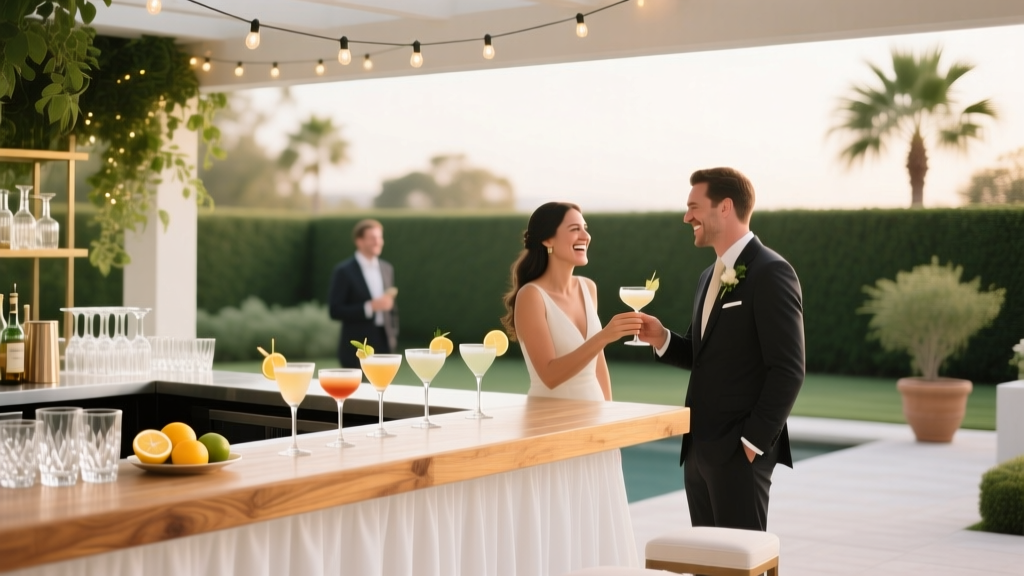
How to Plan a Wedding With a Cocktail Hour That Delights
That little window between “We did it!” and “Dinner is served” can either feel like a joyful exhale… or a confusing lull where guests wonder where to go, what to do, and whether they missed something. A well-planned cocktail hour is the difference between guests feeling cared for and guests feeling like they’re killing time.
If you’re planning your wedding right now, you’re probably juggling a thousand decisions: budget, guest list, timeline, vendors, family expectations. Cocktail hour can feel like a small piece of the day—until you realize it’s often when guests form their first real impression of the reception. The good news: you don’t need an extravagant budget to create a cocktail hour that feels elevated, welcoming, and memorable.
This guide walks you through the steps, options, and real-world scenarios that make cocktail hour smooth for you and delightful for your guests—plus the common pitfalls wedding planners see all the time (and how to avoid them).
What Makes a Cocktail Hour “Delightful” (Not Just Functional)
At its best, cocktail hour does three jobs at once:
- Entertain: It gives guests something to enjoy while you take photos or flip the space.
- Comfort: It provides drinks, small bites, seating, shade/warmth, and clear cues about where to be.
- Set the tone: It transitions everyone from ceremony emotion to celebration energy.
Delight usually comes down to thoughtful details—like zero confusion about where to go, a drink line that moves quickly, and enough food that guests don’t get tipsy on empty stomachs.
Step 1: Decide the Purpose and Vibe of Your Cocktail Hour
Before you choose signature drinks or passed apps, decide what you want cocktail hour to feel like. Ask yourselves:
- Do we want it to be lively and social (music, mingling, high-top tables)?
- Do we want it to feel romantic and relaxed (lounge seating, softer music, candles)?
- Do we want it to reflect our culture or story (family recipes, local beer, themed station)?
Real-world scenarios couples relate to
- The photo-heavy couple: You’re doing family photos + sunset portraits, so guests need more engagement—think a live musician or interactive food station.
- The “we hate being late” couple: You want dinner on time no matter what. Your cocktail hour becomes a tightly run 45–60 minutes with a simple bar setup and efficient service.
- The mixed crowd couple: Your guest list includes party friends, grandparents, and kids. You’ll want seating variety, non-alcoholic options that feel special, and one kid-friendly snack.
Step 2: Build a Smart Cocktail Hour Timeline
Most wedding planning timelines place cocktail hour immediately after the ceremony. The sweet spot is usually 60 minutes. Longer can work, but only if there’s enough to do and enough food to keep guests happy.
Typical cocktail hour timing options
- 45 minutes: Best for shorter photo lists and venues where ceremony and reception are in the same place.
- 60 minutes: Most common; comfortable for guest flow, bar service, and photos.
- 75–90 minutes: Works if you’re traveling between venues or doing extensive portraits—add entertainment and heartier food.
Mini timeline example (60-minute cocktail hour)
- 0:00–0:10: Guests arrive; greeter/signage directs them; first round at the bar.
- 0:10–0:35: Passed appetizers begin; music sets the tone; you’re finishing family photos.
- 0:35–0:55: Station(s) open; couple may do a quick “hello lap” if time allows.
- 0:55–1:00: Coordinator/MC invites guests to dinner; bar pauses or transitions.
Planner tip: buffer time saves the day
Build a 10–15 minute buffer into your overall wedding day timeline. Hair/makeup, ceremony start, and family photos almost always run a little long. A buffer protects your dinner start time and keeps guests from waiting too long.
Step 3: Design the Bar Menu (With Guest Experience in Mind)
When couples think “cocktail hour,” they often focus on alcohol first. A delightful cocktail hour offers options for everyone—without overspending.
Choose the right bar format for your budget
- Full open bar: Highest cost, highest flexibility. Great for large crowds and party-forward weddings.
- Beer/wine + 1–2 signature cocktails: A favorite for budget-conscious couples who still want something special.
- Limited bar (beer/wine only): Streamlined and cost-effective; consider adding a fun non-alcoholic option so it still feels curated.
- Cash bar: Often unpopular; if you must, be clear on your wedding website and consider hosting at least one drink (like a welcome cocktail) to soften the experience.
Signature drinks that guests actually remember
Keep signature cocktails simple enough to execute quickly—speed matters more than complexity during peak bar time.
- His/hers/ours trio: One spirit-forward, one light and refreshing, one zero-proof.
- Seasonal crowd-pleasers: Ranch water, aperol spritz, whiskey ginger, margarita (classic, spicy, or skinny).
- Personal touch: Name it after your pet, favorite trip, or where you got engaged.
Don’t forget zero-proof (this is where “delight” really shows)
Offer 1–2 elevated non-alcoholic options so non-drinkers feel included:
- Sparkling citrus spritz with rosemary
- Ginger-lime mule (NA ginger beer)
- Infused water station (cucumber-mint, strawberry-basil)
Budget considerations for the bar
- Ask venues about consumption vs. package pricing. Consumption can save money with lighter-drinking crowds.
- Limit top-shelf liquor and prioritize 2–3 well-chosen spirits.
- Cut the menu, not the service. A shorter menu served quickly feels more generous than a huge menu with long lines.
Step 4: Plan Cocktail Hour Food That Prevents “Hangry Guests”
Food is the secret weapon of a great cocktail hour. Guests don’t need a full meal, but they do need enough to feel cared for—especially if your ceremony is late afternoon and dinner won’t start until evening.
How much food is enough?
As a general guideline:
- 3–5 bites per person for a 45–60 minute cocktail hour (if dinner follows promptly)
- 5–8 bites per person for 75–90 minutes, or if dinner is later
Balance your menu so there’s something for everyone:
- One hearty option: sliders, satay, meatballs, arancini
- One fresh/lighter option: caprese skewers, ceviche cups, veggie spring rolls
- One vegetarian option (and confirm it’s truly filling)
- One gluten-free option that isn’t just “fruit”
Passed apps vs. stations: what works best?
- Passed appetizers: Feel upscale and keep traffic moving. They also help older guests or anyone who doesn’t want to stand in a line.
- Stations: Great for variety and interactive moments (taco bar, dumpling station, oyster shucker). Make sure there’s enough space so it doesn’t clog walkways.
- Best of both: Two passed options plus one station keeps guests excited and reduces bar congestion.
Real example: making a modest menu feel abundant
A couple with a tight catering budget offered:
- Passed: mini grilled cheese bites + tomato soup shooters
- Passed: cucumber cups with hummus and feta
- Station: soft pretzels with two dips
It felt cozy, thoughtful, and filling—without needing premium ingredients.
Step 5: Create a Layout That Prevents Lines and Awkward Clusters
Most cocktail hour complaints come down to flow: guests can’t find the bar, seating is scarce, or the appetizer station blocks the entrance.
Use this simple layout checklist
- Clear “cocktail hour this way” signage right at the ceremony exit
- Bar placement: visible from the entrance, with room for a line that won’t block foot traffic
- Two drink points if you have 100+ guests (a second bar, satellite bar, or wine/beer station)
- Food in a separate zone from the bar so lines don’t merge
- Seating mix: cocktail tables, a few lounge groupings, and chairs for older guests
- Weather plan: shade/umbrellas/fans for heat; heaters/blankets for cold; tent or indoor backup for rain
Pro tip: make it easy for guests to hold things
Guests juggling a drink, a plate, and a purse will struggle without surfaces.
- Add enough cocktail tables (more than you think)
- Use napkins that don’t fall apart
- Choose appetizer formats that can be eaten in 1–2 bites
Step 6: Add One “Moment” (Not Ten) to Make It Memorable
A delightful cocktail hour doesn’t require a dozen activities. One well-chosen touch can make it feel intentional.
Ideas that work for many wedding styles
- Live music: acoustic guitar, jazz trio, violin + cello
- Interactive food: live sushi roll, espresso martini cart, gelato affogato station
- Guestbook alternative: audio guestbook phone, postcard station, recipe cards
- Photo moment: simple backdrop with great lighting (not necessarily a full photo booth)
Example: timing the couple’s entrance into cocktail hour
If you want to greet guests during cocktail hour, plan for a 10-minute “hello lap” near the end—after your must-have photos. You’ll feel present without sacrificing portraits, and guests love seeing you relaxed and happy before the formalities begin.
Common Cocktail Hour Mistakes (and How to Avoid Them)
Mistake 1: Too little food
Fix: Add one hearty bite or station. If budget is tight, choose filling carbs (flatbreads, sliders, dumplings, pretzels) over delicate canapés only.
Mistake 2: A bar line that never ends
Fix: Add a second bar point or pre-pour one signature drink. Consider wine/beer stations in addition to the main bar.
Mistake 3: No seating for the people who need it most
Fix: Reserve a small seating area near the cocktail space for older guests and anyone with mobility needs. Even 10–20 chairs makes a big difference.
Mistake 4: Guests don’t know where to go
Fix: Use signage, an announcement from your officiant/MC, and a visible pathway. Assign an usher or coordinator to guide the flow right after the ceremony.
Mistake 5: Weather surprises
Fix: Confirm your rain plan in writing with the venue. If outdoors, budget for umbrellas, fans, heaters, or a tent depending on season.
Wedding Planner Pro Tips for a Seamless Cocktail Hour
- Tell your photographer what cocktail hour means to you. If greeting guests matters, plan photos accordingly so you have time.
- Ask catering to “stagger release” stations. One station opening 10 minutes after the first reduces crowding.
- Label allergens clearly. Small signs for gluten-free, nuts, dairy, and vegetarian help guests feel safe and seen.
- Plan lighting. If cocktail hour goes into dusk, add string lights, lanterns, or uplighting so it stays warm and inviting.
- Keep the soundtrack intentional. Cocktail hour music should be upbeat enough for energy but not so loud guests can’t talk.
Cocktail Hour Planning Checklist (Quick + Practical)
- Choose length: 45 / 60 / 75–90 minutes
- Confirm photo timeline and buffer time
- Pick bar format (open bar, beer/wine, signature drinks, zero-proof)
- Finalize food quantity (bites per person) and menu balance
- Decide passed apps vs. stations (or both)
- Map layout: bar placement, food placement, traffic flow
- Plan seating mix (including accessible seating)
- Choose one “moment” (music, interactive station, guestbook activity)
- Confirm weather backup and comfort items
- Assign who announces dinner and how guests are guided inside
FAQ: Planning a Wedding Cocktail Hour
How long should cocktail hour be at a wedding?
Most weddings do best with a 60-minute cocktail hour. If you have lots of photos or venue travel, 75–90 minutes can work—just plan extra food and a bit more entertainment so it feels intentional.
Do we need a full open bar to have a great cocktail hour?
No. Beer/wine plus 1–2 signature cocktails (and a zero-proof option) often feels more curated and can be easier on your wedding budget. Great service and short lines matter more than endless choices.
What’s the best way to avoid long bar lines?
Add a second drink point (satellite bar, beer/wine station), keep signature cocktails simple, and consider pre-pouring one signature drink. Also make sure the bar is easy to spot so guests don’t cluster in the wrong place.
Should we join cocktail hour or take photos the whole time?
Either is completely fine. Many couples do photos first, then join for the last 10–15 minutes to greet guests. If cocktail hour is important to you, tell your photographer early so your portrait list and timeline support it.
How can we make cocktail hour kid-friendly without turning it into a kids’ party?
Add one familiar snack (soft pretzels, mini grilled cheese, fruit cups), offer a fun non-alcoholic drink, and include a small seating area where families can park strollers. It keeps things calm and inclusive.
What if our cocktail hour is outside and the weather changes?
Have a written Plan B with your venue: where the bar and food move, how signage/guest flow will work, and what comfort items you’ll provide (fans, heaters, umbrellas). Weather-proofing is one of the best “peace of mind” investments you can make.
Your Next Steps: Make It Easy, Make It Welcoming, Make It You
If you want a cocktail hour that delights, focus on three priorities: smooth flow (no confusion), enough food (no hangry guests), and one personal touch (so it feels like you). Start by sketching your cocktail hour layout, then confirm your photo timeline, then finalize bar + bites based on what your crowd will genuinely enjoy.
You’ve got this—thoughtful planning here pays off in a calmer timeline, happier guests, and a reception that starts with great energy. For more practical wedding planning tips, timelines, and budget-friendly ideas, visit the planning guides on weddingsift.com.
More Articles
 Do Brides Wear Engagement Ring at Wedding? (2026)
 Wedding Expenses Breakdown: Avoid Pre-Wedding Fights (2026)
 Wedding Gift Amount: Real-World Guide (2026)
 Garden Wedding Attire: Dress Code Decoder (2026)
 Best Wedding Songs: A Science-Backed Framework
 Do You Tip Wedding Hair and Makeup? (2026)
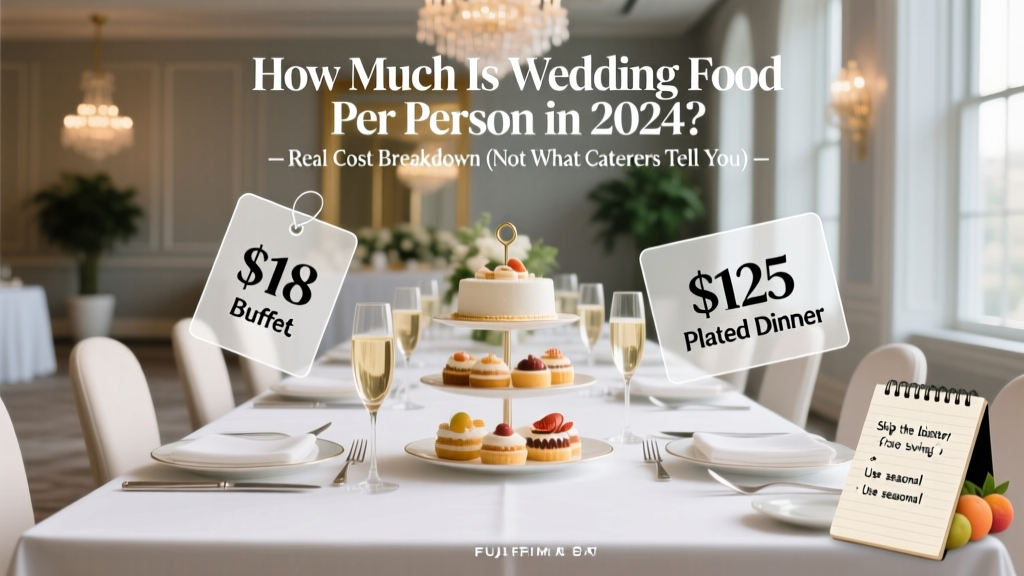 Wedding Food Cost Per Person (2026): $18–$125 Breakdown
 Park Chateau Wedding Cost Breakdown (2026)
 How to Include Parents in Wedding Ceremony
 May Wedding Plan: 7 Must-Do Steps by Feb 2026