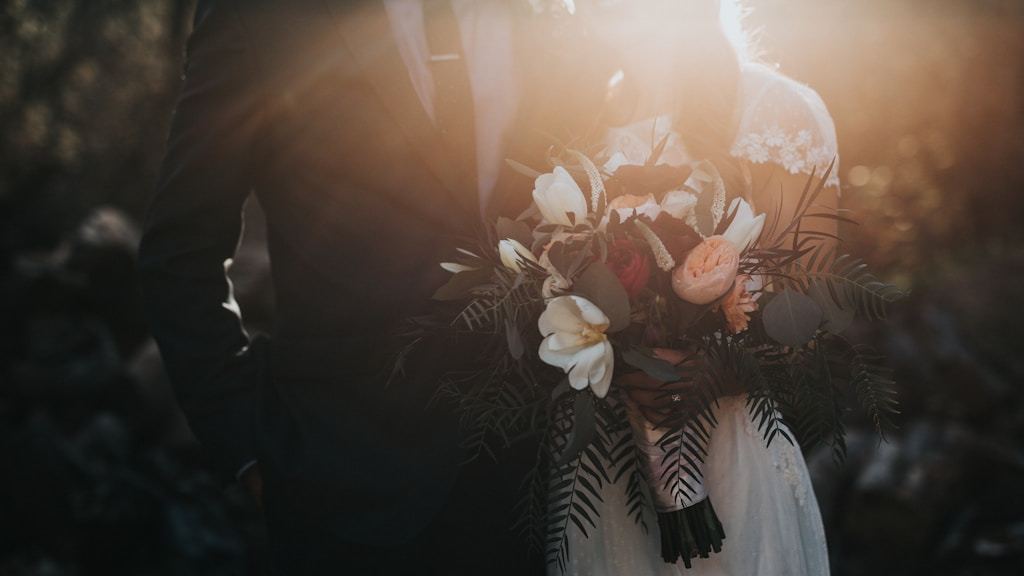
Wedding Planning How to Manage the Getting Ready Process
The “getting ready” hours can feel like a sweet little bubble before the ceremony—until the bubble pops. Someone can’t find the vow book, the steam from the shower fogs the mirrors, the zipper sticks, lunch never arrives, and suddenly you’re wondering how it’s only 11:00 a.m. and you’re already overwhelmed.
You’re not alone. The getting ready process is one of the most photographed parts of the day and one of the easiest places for the timeline to slip. The good news: with a few smart choices (and a plan you can hand to someone else), you can keep the vibe calm, organized, and actually enjoyable.
This guide walks you through what to plan, when to schedule it, and how to avoid the common “getting ready” mistakes couples wish they’d known about sooner—so you can show up to your ceremony feeling grounded, fed, and genuinely excited.
What “Getting Ready” Actually Includes (So You Can Plan for It)
Most couples underestimate how many moving pieces are involved. Getting ready isn’t just hair and makeup—it’s also logistics, photography, outfits, personal items, and people management.
Typical getting ready tasks
- Hair + makeup (including touch-ups)
- Showering, skincare, grooming (shaving, nails, etc.)
- Eating and hydrating (seriously—schedule this)
- Steaming/pressing outfits
- Detail setup for photos (invitation suite, rings, shoes, perfume/cologne, jewelry)
- Getting into outfits (often takes longer than expected)
- First look or pre-ceremony photos (if applicable)
- Travel/loading time to the venue
Who is usually involved
- You and your partner
- Wedding party
- Parents/guardians (often for buttoning, ties, corsages, or emotional support)
- Hair and makeup team
- Photographer/videographer
- Planner/coordinator (or a trusted friend if you don’t have one)
Start With Two Big Decisions: Location and Guest List
Choose a getting ready location that matches your timeline
Where you get ready can either streamline your day or create a chain of delays. Consider:
- Distance to ceremony venue: Aim for 15–30 minutes max, or build in extra buffer if farther.
- Lighting: Natural light near windows makes hair, makeup, and photos look better (and saves editing time).
- Space: Enough room for beauty chairs, garment bags, and people without feeling cramped.
- Climate control: Overheated rooms lead to sweaty makeup and frayed nerves.
- Bathrooms: More is better, especially with a larger wedding party.
Be intentional about who’s in the room
This is one of the biggest mood-makers of the day. A crowded room often equals more noise, more opinions, and more delays.
Ask yourselves:
- Who helps you feel calm and supported?
- Who tends to bring stress, drama, or distractions?
- Do you want a high-energy “party” vibe or a quiet, grounded start?
Real-world scenario: If your partner’s siblings are excited and loud (in a fun way), but you know you get anxious in chaos, set boundaries early: “We’d love you to join for champagne after we’re dressed—hair and makeup will be a quieter time.”
Build a Getting Ready Timeline That Actually Works
A reliable wedding day timeline starts backward from the ceremony time. Here’s a planning-friendly way to do it.
Step-by-step: create your getting ready schedule
- Start with ceremony time. Note the exact start time and when guests will arrive.
- Add your “must be dressed” time. Most couples need to be dressed 60–90 minutes before leaving for pre-ceremony photos or travel.
- Block time for getting into attire. Plan 30–45 minutes for complicated outfits (corsets, buttons, shapewear, veil placement), 15–25 minutes for simpler looks.
- Schedule hair and makeup in realistic increments. A common estimate:
- Hair: 30–60 minutes per person (more for intricate styles)
- Makeup: 30–60 minutes per person
- Bride/partner of honor: often 60–90 minutes for makeup depending on the look
- Add buffer time. Build in 20–30 minutes of breathing room. This is not “wasted” time—it’s protection.
- Include food delivery and a real meal. Schedule a meal window that won’t interrupt beauty services (more on that below).
- Factor in photo arrival. Photographers often arrive 1–2 hours before you’re dressed for details and candid coverage.
- Plan departure time. Include loading, elevator delays, parking, and a “where is my bouquet” moment.
Sample timeline (3:30 p.m. ceremony, same-day getting ready)
- 8:30 a.m. Breakfast + hydration, room setup begins
- 9:00 a.m. Hair and makeup team arrives, stations set
- 9:15 a.m.–12:15 p.m. Hair and makeup for wedding party (staggered)
- 12:15–12:45 p.m. Light lunch arrives (wraps/salads), quick reset
- 12:45–1:45 p.m. Hair and makeup for partner(s) getting photographed first
- 1:45–2:30 p.m. Get dressed + final touch-ups
- 2:30–3:00 p.m. Getting ready photos + immediate family moments
- 3:00 p.m. Leave for venue (or move to staging area)
- 3:30 p.m. Ceremony begins
Pro tip: If you’re doing a first look, move “leave for venue” earlier and build 30–60 minutes for couple portraits before guests arrive.
Prep the Space the Night Before (Your Future Self Will Thank You)
Getting ready goes smoother when the room is staged like a mini production set. Aim for tidy, bright, and functional.
Night-before checklist
- Clear clutter (especially counters and bedside tables)
- Set up a designated “details” box for photos:
- Rings (all of them)
- Invitation suite + envelopes
- Vow books
- Jewelry, cufflinks, watch
- Perfume/cologne
- Shoes
- Something sentimental (heirloom, letter, etc.)
- Hang outfits on nice hangers (label whose is whose)
- Steamer setup (test it—some leak)
- Charge devices (phones, speaker, camera batteries)
- Confirm arrival times with beauty team and photographer
- Pack an “oh no” kit (mini sewing kit, stain remover, fashion tape, bobby pins)
Real-world scenario: If you’re getting ready in a hotel, bring a few extra command hooks for garment bags, plus a power strip. Hotel outlets never cooperate when you have curling irons, phone chargers, and a steaming station going at once.
Keep Everyone Fed, Comfortable, and On Track
Plan food like you’d plan any other vendor
Hunger is a sneaky timeline killer—and it affects mood. Budget for food and assign someone to manage it.
- Breakfast: Something filling but not messy (yogurt, fruit, egg bites, bagels)
- Lunch: Easy-to-eat items that won’t stain (wraps, salads, rice bowls; avoid red sauce)
- Drinks: Water, electrolytes, iced coffee/tea
Budget note: For a wedding party of 8–12 people, catering breakfast/lunch can run anywhere from $150–$500+ depending on delivery fees and your choices. If you’re trying to save, order platters, skip single-serve items, and provide refillable water bottles.
Assign roles so you’re not the manager
You shouldn’t be the one answering texts about parking while you’re in a makeup chair. Delegate.
- Point person: A friend, sibling, or coordinator who can troubleshoot
- Food captain: Receives deliveries, sets out plates/napkins
- Details keeper: Holds rings, vows, invitation suite until photographer arrives
- Timekeeper: Gently keeps things moving (ideally someone calm, not bossy)
Set a calm tone (without killing the fun)
- Create a playlist that matches your energy (start mellow, build up)
- Keep alcohol minimal until you’re dressed (spills happen)
- Do a 5-minute “room reset” before photos (trash, cups, bags out of sight)
Photographer-Friendly Getting Ready Tips (That Also Reduce Stress)
Your getting ready photos will look best when your space is bright and your timeline isn’t rushed.
Make photos easier without overthinking it
- Choose one “photo corner” near a window for final touches, robe shots, and gift exchanges.
- Keep the bed made (it instantly makes a room look cleaner).
- Ask hair and makeup to face you toward the light if possible.
- Have florals delivered to the getting ready location if you want bouquet-in-room photos.
Specific scenario: If your ceremony is at 4:00 p.m. and your photographer arrives at noon, but your hair/makeup is running behind, ask the photographer to start with flat lays and room details while you catch up. That keeps coverage on track without adding pressure.
Common Getting Ready Mistakes (and How to Avoid Them)
- Mistake: Underestimating how long hair/makeup takes.
Fix: Request a service schedule from your beauty team and add buffer time. - Mistake: Too many people in the room.
Fix: Invite only those who help your energy. Everyone else can join later. - Mistake: No plan for travel and parking.
Fix: Build a departure window, confirm parking instructions, and share them in a group text the day before. - Mistake: Forgetting key items.
Fix: Pack a “wedding day essentials” bag (IDs, vows, rings, phone charger, meds, fashion tape) and assign someone to hold it. - Mistake: Skipping food and water.
Fix: Schedule meal breaks and keep snacks visible (protein bars, grapes, nuts). - Mistake: Trying to do everything yourself.
Fix: Delegate tasks and let your coordinator (or point person) be the communicator.
Planner Pro Tips for a Smooth, Low-Stress Morning
- Plan your “quiet 10.” Schedule 10 minutes alone (or with your partner) after getting dressed—no phones, no questions, just breathing.
- Stagger hair and makeup by photo priority. Whoever needs to be photographed first should be ready first.
- Use labeled bags. One bag for ceremony items, one for reception items, one for overnight. It prevents frantic searching later.
- Keep touch-up supplies centralized. One small kit for lipstick, powder, blotting papers, bobby pins, mini hairspray.
- Have a realistic “hard stop.” Tell your room: “We start dressing at 1:45.” Then stick to it.
FAQ: Getting Ready Process on the Wedding Day
How early should we start getting ready?
Most couples start hair and makeup 6–8 hours before the ceremony if they have a wedding party. If it’s just the two of you (or very small groups), 4–6 hours may be plenty. Start earlier if you have travel, multiple locations, or a large group.
Should we get ready together or separately?
Either works. Getting ready together can be intimate and calming, especially for smaller weddings. Getting ready separately can build anticipation and simplify logistics if you’re doing a traditional aisle reveal. Choose what feels best, then plan for privacy and timing accordingly.
How many hair and makeup artists do we need?
A good rule of thumb: one artist can typically do 4–6 services (hair or makeup) in a morning, depending on complexity. If you have 10 people needing makeup, you’ll likely want at least two makeup artists to keep the timeline comfortable.
What should we wear while getting ready?
Wear something that’s easy to remove without messing up hair and makeup—button-down pajamas, robes, zip hoodies, or a wide-neck top. Avoid tight waistbands if you’re prone to marks on skin (especially before photos).
How do we keep getting ready photos from looking messy?
Designate one area for bags and food, keep the bed made, and do a quick room reset before your photographer focuses on portraits. A simple laundry basket for “stuff” can work wonders in a hotel room.
Is it worth paying for a larger getting ready suite?
If your budget allows, yes—especially with 8+ people. More space reduces stress, speeds up beauty services, and looks better in photos. If you’re cutting costs, prioritize natural light and enough chairs/outlets over luxury extras.
Your Next Steps: Turn This Into a Calm, Confident Plan
To make your getting ready process feel smooth (and actually enjoyable), start with these three steps:
- Draft your backward timeline from ceremony time, including buffers.
- Choose your getting ready location based on light, space, and travel time—not just aesthetics.
- Delegate roles so you’re free to be present while the day unfolds.
You deserve a wedding morning that feels supportive—not rushed. A little planning up front gives you the gift of calm when it matters most.
Want more wedding planning help? Explore more practical, real-life planning guides on weddingsift.com—we’re here to help you plan with clarity and confidence.
More Articles
 Hot Chocolate at Weddings: 7 Elegant, Budget-Friendly Ways
 Used Wedding Gowns: 7 Trusted Places to Save $1,200+
 Wedding Videographer Cost: What 472 Couples Paid (2026)
 Wedding Planning How to Manage the Ring Exchange Moment
 De Vere Latimer Estate Wedding: 7 Mistakes to Avoid (2026)
 Hem Satin Wedding Dress: Snag-Free, Stress-Free (2026)
 Do You Tip Florists for Weddings? (2026 Guide)
 How to Stack a 3-Tier Fondant Wedding Cake (2026)
 Wedding Planning: 7-Step First-Month Roadmap (2026)
 September Wedding: 7 Smart Reasons & 3 Pitfalls (2026)