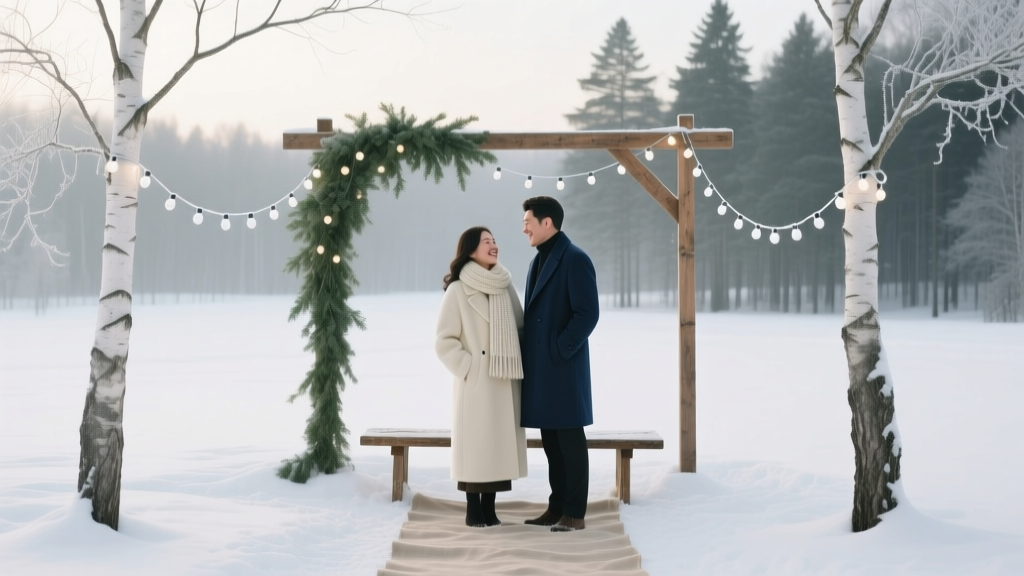
How to Plan a Winter Wedding on a Budget
There’s something quietly magical about a winter wedding: the early sunsets, candlelight reflecting off glassware, cozy wraps over shoulders, and the feeling that your day is its own little warm world. But if you’re planning during the holidays—or you’re staring at venue quotes and wondering how anyone affords this—winter can also come with real budget pressure.
If you’re hoping to keep your costs under control without sacrificing the vibe you love, you’re in the right place. A budget-friendly winter wedding isn’t about “cutting corners.” It’s about leaning into what winter already gives you (built-in atmosphere, off-season pricing, comfort foods, darker evenings) and making a few smart choices that protect what matters most to you.
Below is a practical, planner-style guide you can follow step-by-step—complete with timelines, budget tips, real-world scenarios, common mistakes to avoid, and pro tips that make winter weddings smoother and more affordable.
Why Winter Weddings Can Be More Affordable (If You Plan Smart)
Winter is often considered the wedding off-season in many locations. That can translate into lower prices, more vendor availability, and better negotiation room—especially for January, February, and early March dates (excluding holiday weekends).
Winter budget advantages to look for
- Off-season venue rates: Many venues offer reduced minimums or discounted site fees.
- Vendor availability: You may have more options for photographers, bands, and florists—sometimes at more flexible rates.
- Natural ambiance: Darker evenings make candles, string lights, and fireplaces feel extra impactful (and often cheaper than elaborate décor).
- Guest list clarity: Some couples naturally invite fewer people in winter due to travel considerations, which can reduce catering costs.
Where winter can get expensive
- Heating needs for tents or semi-outdoor spaces
- Weather contingencies (transportation, extra rentals, backup spaces)
- Holiday pricing spikes (late November–December) for travel and lodging
Step 1: Set Your Winter Wedding Budget (With a Reality-Check Formula)
The biggest budget-saver is clarity. Before you tour venues or scroll inspiration boards, decide what you can spend and what your priorities are.
A simple budgeting formula
- Start with your total budget number: What can you comfortably spend without stress?
- Estimate your guest count range: Even a 20-person swing can change the budget dramatically.
- Choose your top three priorities: Examples: great food, live music, photography, a dream venue, guest comfort.
- Allocate “winter-specific” funds: Transportation, coat check, heaters, umbrellas, extra staffing for setup/tear-down.
Sample budget allocations (adjust to fit your priorities)
- Venue + catering: 45–55%
- Photography/video: 10–15%
- Attire + beauty: 5–10%
- Music/entertainment: 8–12%
- Flowers + décor: 5–10%
- Transportation + winter comfort: 2–6%
- Stationery + favors: 1–3%
- Misc + buffer: 5–10%
Real-world scenario
Mina and Jordan have a $18,000 budget and want a cozy 75-person winter wedding. They decide their top three priorities are: (1) great dinner, (2) photography, (3) a warm, intimate vibe. They choose an off-season Sunday in February, book a restaurant venue with a food-and-beverage minimum, and skip heavy florals in favor of candles and greenery. Result: a full evening that feels luxurious without the peak-season price tag.
Step 2: Pick the Right Date and Time to Save Thousands
Winter pricing changes dramatically depending on the weekend and time of day.
Most budget-friendly winter options
- January or February (often the lowest rates)
- Friday or Sunday weddings (venues may offer discounts or lower minimums)
- Brunch or early-afternoon celebrations (lower bar costs, shorter rentals)
Dates that often cost more
- Holiday weekends (Thanksgiving, Christmas, New Year’s)
- Valentine’s weekend (in some cities)
- Dates with local events (sports playoffs, festivals) that raise hotel rates
Pro tip from planners
If you love December, consider the first two weeks of the month. You can capture the festive feel without competing with peak holiday pricing and guest travel conflicts.
Step 3: Choose a Venue That Makes Winter Easy (and Cheaper)
The venue is where winter budgets can either stay manageable—or get blown up by rentals and weather workarounds.
Best venue types for a winter wedding on a budget
- Restaurants: Built-in tables, chairs, staffing, and often beautiful interiors.
- Historic inns and boutique hotels: Cozy spaces, fireplaces, and on-site lodging.
- Community halls or art spaces: Lower rental fees, flexible vendor policies.
- All-inclusive venues: Can be cost-effective if packages match your needs.
Venue questions to ask (winter edition)
- How is heating handled, and is it included in the rental fee?
- Where is the ceremony backup space if weather is bad?
- Is there a sheltered drop-off area for guests?
- Is there a coat check area or designated space for outerwear?
- Do you allow candles, and what are the rules?
- What time does it get dark at the venue, and what does exterior lighting look like?
Common mistake to avoid
Booking a “partially outdoor” winter venue without pricing out heaters and flooring. Tents, heaters, generators, sidewalls, and flooring can easily cost more than the venue itself. If you want an outdoor feel, look for venues with enclosed conservatories, glass atriums, or covered patios with built-in heat.
Step 4: Build a Winter-Friendly Guest Experience (Without Overspending)
Guest comfort is the secret to a winter wedding that feels thoughtful and elevated—no matter the budget.
Affordable comfort upgrades guests notice
- Hot drink station: Coffee, tea, hot chocolate, or mulled cider (great for cocktail hour).
- Coat check plan: Even a simple staffed rack keeps the space tidy and guests relaxed.
- Clear signage: Direct guests quickly from parking to the entrance (especially in bad weather).
- Timing that avoids late-night icy travel: Earlier ceremonies can reduce stress.
Real-world scenario
Elena and Sam are hosting a 120-person wedding in early March. Snow is possible, so they plan a 3:30 p.m. ceremony and a 4:15 p.m. cocktail hour indoors near a fireplace. They add a hot chocolate bar with peppermint and cinnamon toppings. It costs less than a large floral installation and becomes the thing guests talk about most.
Step 5: Save on Winter Décor by Letting the Season Do the Work
Winter wedding décor can be stunning without being expensive. The trick is choosing a few high-impact elements and repeating them rather than buying dozens of unrelated items.
Budget-friendly winter wedding décor ideas
- Candles in bulk: Mix pillar candles, tea lights, and hurricanes for depth.
- Greenery-forward arrangements: Cedar, pine, eucalyptus, and ivy are often cost-effective.
- Minimal florals + strong lighting: Uplighting or string lights can transform a room.
- Seasonal accents: Dried oranges, cinnamon sticks, pinecones (used sparingly and intentionally).
- Repurpose ceremony décor: Move aisle arrangements to the sweetheart table or bar.
Pro tip from planners
Pick one “hero moment” that photographs beautifully—like a candlelit ceremony backdrop or an entryway installation—then keep everything else simple. Guests remember the feeling, not the number of centerpieces.
Step 6: Winter Catering and Bar Choices That Keep Costs in Check
Food is one of the biggest wedding costs, but winter menus make it easier to serve crowd-pleasing options that feel special without being the most expensive items.
Budget-smart winter menu strategies
- Comfort-forward entrées: Braised meats, pasta dishes, roasted chicken, seasonal soups.
- Family-style or buffet: Often less expensive than plated meals (venue-dependent).
- Seasonal ingredients: Ask your caterer what’s most affordable in winter.
- Dessert alternatives: Doughnut wall, cookie table, or a small cutting cake plus sheet cake.
Smart bar savings
- Limit liquor options: Beer, wine, and two signature cocktails can look intentional and save money.
- Shorten open bar hours: Host open bar during dinner, then switch to beer and wine only.
- Choose winter-friendly signatures: Old Fashioned, cranberry mule, spiced rum punch, or a non-alcoholic seasonal spritz.
Step 7: Attire and Beauty for Cold Weather (Without Panic Purchases)
Winter attire can be incredibly chic—and it doesn’t have to mean buying a whole second outfit.
Budget-friendly winter attire tips
- Shop your outerwear intentionally: A faux-fur wrap, cape, or wool coat photographs beautifully.
- Consider pre-owned or sample sales: Great for coats, capes, and even gowns.
- Warm footwear plan: Wear boots for photos outside, then switch to ceremony shoes indoors.
- Bridesmaid looks: Consider long sleeves or matching shawls for a cohesive look.
Common mistake to avoid
Ignoring hair and makeup timing in winter. Cold air, wind, and rain can ruin styling if you’re outside too long. Plan indoor photo locations and keep touch-up kits nearby (powder, lipstick, blotting papers, hairpins).
Step 8: Photography and Lighting—Make Short Days Work for You
Winter has fewer daylight hours, but that’s not a bad thing. You can get dreamy golden-hour shots earlier in the day—and candlelit receptions look incredible.
Photography timeline tips for winter
- Check sunset time and build the portrait schedule around it.
- Consider a first look to take photos while it’s still bright.
- Plan indoor photo spots at your venue (lobby, staircase, fireplace, large windows).
- Ask about flash-friendly lighting for the reception (especially if the room is very dark).
Pro tip from planners
If you want snow photos, don’t bet the whole day on it. Create a “snow-if-lucky” shot list, but choose venues and backdrops you’ll love even if the weather is plain and gray.
Step 9: A Budget-Friendly Winter Wedding Timeline (12 Months to Wedding Day)
Use this as a flexible checklist. Short engagements work too—you’ll just combine steps.
9–12 months out
- Set budget, guest count range, and priorities
- Choose date options (include Friday/Sunday alternatives)
- Book venue and catering (or an all-inclusive space)
- Book photographer
6–8 months out
- Book entertainment (DJ/band)
- Book florist (or decide on minimal florals)
- Start attire shopping (include outerwear plan)
- Reserve hotel blocks (especially if winter travel is likely)
3–5 months out
- Finalize menu and bar plan
- Send save-the-dates/invitations (earlier if guests are traveling)
- Plan ceremony details and rentals (if any)
- Create a weather contingency plan with vendors
1–2 months out
- Finalize guest count and seating plan
- Confirm vendor arrival times and load-in (winter traffic can be slower)
- Prepare welcome signage and guest comfort items
- Plan transportation and build in buffer time
Week of the wedding
- Monitor weather and communicate clearly with guests if needed
- Pack an emergency kit (lint roller, stain remover, umbrellas, hand warmers)
- Assign someone to manage coat check and gifts/cards
Winter Wedding Budget Pitfalls (and How to Avoid Them)
- Overcommitting to outdoor spaces: If you want winter ambiance, choose indoor architecture that already feels seasonal.
- Forgetting transportation costs: Add a shuttle if parking is icy or spread out—this can prevent delays and accidents.
- Underestimating setup time: Winter weather slows load-in. Add buffer time to contracts and timelines.
- Spending on décor before the venue is chosen: You may buy items that don’t fit the space or rules (like candle restrictions).
Planner Pro Tips: Where to Splurge vs. Save for Winter Weddings
Worth the splurge (when possible)
- Guest comfort: warmth, clear directions, safe transport
- Photography: winter lighting can be tricky; a skilled pro is valuable
- Venue with built-in ambiance: fireplaces, warm lighting, beautiful interiors
Easy places to save
- Florals: fewer arrangements, more candles/greenery
- Favors: skip them or make them edible and simple
- Stationery: digital RSVPs, simple invitation suites
- Wedding party size: fewer attendants means fewer bouquets, gifts, and transportation needs
FAQ: Planning a Winter Wedding on a Budget
Are winter weddings cheaper than summer weddings?
Often, yes—especially in January and February. You’re more likely to find discounted venue fees, lower minimums, and better vendor availability. December can be mixed due to holiday demand.
What’s the most affordable winter wedding month?
In many regions, January is the most budget-friendly, followed by February. Early March can still offer good pricing depending on your location and venue.
How do we keep guests comfortable without spending a lot?
Focus on a few high-impact comfort choices: a clear coat check plan, warm beverages, easy parking/drop-off, and a timeline that avoids late-night icy driving. These cost far less than elaborate décor and make a big difference.
Should we offer transportation in winter?
If the venue has tricky parking, long walks, or the weather is unpredictable, a shuttle can be a smart spend. It helps your timeline stay on track and reduces safety concerns—especially if guests are drinking.
How far in advance should we send invitations for a winter wedding?
If many guests will travel, send save-the-dates 6–8 months ahead and invitations 10–12 weeks ahead. Winter travel fills up quickly, and guests appreciate the extra notice.
What’s one thing couples forget to budget for in winter?
Weather backup costs—like umbrellas, extra transportation time, heaters for semi-outdoor areas, or additional staff time for setup. Add a small “winter buffer” line item so you’re not stressed if plans shift.
Your Next Steps: A Simple Plan to Start This Week
- Pick your top three priorities (food, photos, music, vibe, venue, etc.).
- Choose 2–3 date options including a Friday or Sunday for better pricing.
- Tour winter-friendly venues with indoor ceremony options and built-in warmth.
- Draft a guest count range so you can compare catering quotes accurately.
- Start a winter contingency checklist (transportation, coat check, indoor photo spots).
A winter wedding can feel incredibly intimate and intentional—especially when you plan with the season instead of fighting it. Give yourselves permission to keep it simple, spend where it matters, and build a day that feels warm in every sense.
For more practical wedding planning tips, timelines, and budget-friendly ideas, explore the planning guides on weddingsift.com.
More Articles
 How to Plan a Wedding With a First Dance Song
 Should I Wear My Wedding Ring to Mexico? (2026)
 Engagement Ring on Wedding Day: 5-Step Protocol
 Wedding Budget Guide: Realistic Planning (2026)
 Wedding Processional Order: Modern & Cultural Twists (2026)
 Wedding Shoes: Where to Buy & Save $127 (2026)
 Amazon Wedding Registry Setup (2026)
 Is It OK to Skip Wedding Ceremony? (2026)
 DIY Wedding Planning Tips for Budget-Conscious Couples
 Can You Say Your Own Vows at a Catholic Wedding?