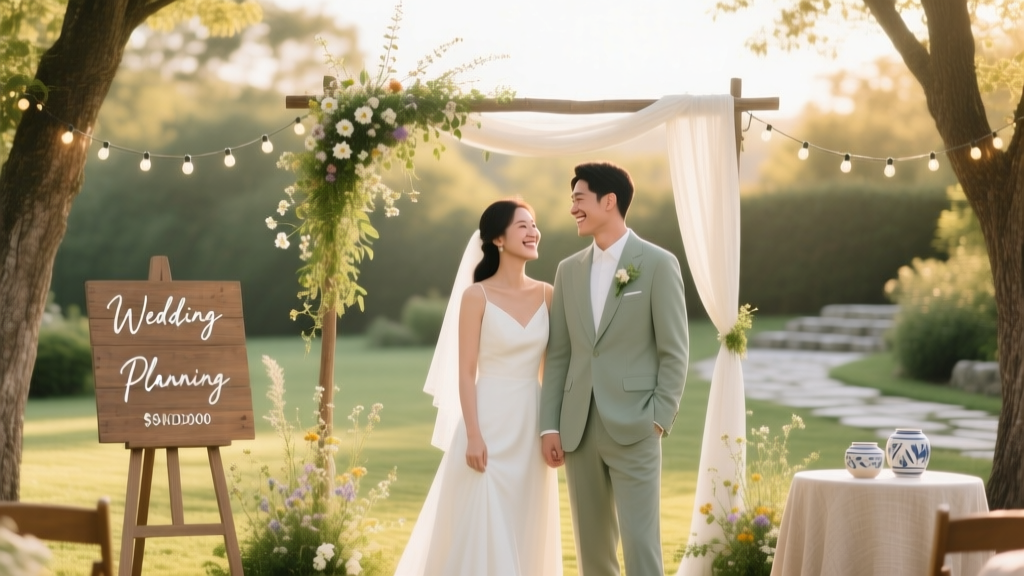
How to Plan a Wedding on a Tight Budget Under 5000
Planning a wedding on a $5,000 budget can feel like trying to fit a dream into a shoebox—especially when social media is full of $50,000 celebrations. If you’re feeling the pressure, take a breath. A meaningful, beautiful wedding isn’t measured by the price tag. It’s measured by how it feels: the vows, the people who show up for you, and the memories you’ll replay for years.
The truth is, plenty of couples plan weddings under $5,000 and still have a day that looks intentional and deeply personal. The key isn’t “cut everything.” It’s spending on what matters most to you and getting strategic everywhere else. Think: a smaller guest list, smart venue choices, simplified food and drink, and leaning into community support without turning your wedding into a stressful DIY marathon.
This guide walks you through a realistic, step-by-step wedding planning approach—budget breakdowns, timelines, and real-world scenarios—so you can plan with confidence and stay under $5,000 without feeling like you’re settling.
First, Get Clear on What “Worth It” Means to You
Before you price a single venue or pin a single centerpiece, decide what you want your wedding to feel like. This keeps you from spending money in the wrong places.
The 10-Minute Priority Exercise
- Each of you lists your top 3 priorities (examples: great photos, amazing food, live music, a meaningful ceremony, stress-free planning).
- Circle overlaps. Those are your “spend” categories.
- Choose 1-2 “save” categories you’re both comfortable simplifying (examples: no wedding party, minimal florals, playlist instead of DJ).
Real-world example: Maya and Jordan cared most about photos and having their closest people together. They booked a small park ceremony, hosted a simple restaurant reception, and hired a newer photographer for a shorter coverage window. Their photos were stunning, and their day felt intimate—without the big spend.
Build a $5,000 Wedding Budget That Actually Works
A tight budget becomes manageable when you assign every dollar a job. Here’s a sample wedding budget under $5,000. Adjust based on your priorities and local costs.
Sample Budget Breakdown (Under $5,000)
- Venue + permits: $300–$1,200
- Food: $1,200–$2,000
- Drinks: $200–$600
- Photography: $800–$1,500
- Attire: $300–$800
- Flowers + décor: $150–$500
- Music: $0–$400
- Officiant + license: $150–$500
- Invitations: $0–$150
- Misc. + buffer: $200–$500
Budget Rule That Saves Couples Every Time
Set aside a 10% buffer (about $500) from day one. Under-$5,000 weddings get knocked off track by small surprises: extra chairs, ice, tips, tablecloths, last-minute alterations, or a rain plan.
Step-by-Step Plan: How to Keep Your Wedding Under $5,000
Step 1: Decide Your Guest Count (Your Biggest Budget Lever)
If you’re trying to stay under $5,000, your guest list matters more than any other decision. Every additional guest increases food, drinks, rentals, invites, and sometimes venue costs.
Budget-friendly guest count targets:
- 10–25 guests: easiest to stay under $5,000
- 25–50 guests: possible with strategic choices (parks, community halls, drop catering)
- 50–75 guests: doable, but you’ll likely need major trade-offs (very simple food, minimal décor, limited photo coverage)
Guest list tip: Make two lists—“must have” and “would love.” Fill your budget-friendly guest count with “must have” first, then add from “would love” only if the numbers work.
Step 2: Choose a Venue That Doesn’t Require a Big Rental Package
Traditional wedding venues often come with minimum spends and required vendors. For a wedding under $5,000, you’ll typically do better with spaces that allow flexibility.
Affordable wedding venue ideas:
- Public parks (with permit)
- Backyard weddings (yours or a relative’s)
- Community centers, VFW halls, Elks lodges
- Small local museums or historic homes (weekday discounts)
- Restaurants with private rooms (no rental fee with a food minimum)
- Airbnb/short-term rentals (check rules carefully; many forbid events)
Scenario couples relate to: You find a “cheap” venue for $700, but it requires you to rent chairs, tables, linens, and a sound system—suddenly you’re at $2,000. Sometimes the best venue is one that includes basics, even if the rental fee is slightly higher.
Step 3: Pick a Format That Naturally Costs Less
You don’t have to copy the standard ceremony-cocktail hour-reception template. A different format can feel fresh and save a lot.
- Cake & punch reception: Beautiful daytime wedding with desserts and coffee
- Brunch wedding: Lower food and bar costs, bright and joyful vibe
- Restaurant reception: Simplified rentals and staffing
- Micro wedding + after-party: Intimate ceremony and dinner, then casual gathering later
Step 4: Keep Food Simple, Satisfying, and Predictable
Food is often the largest line item after venue. You can still feed people well without full-service catering.
Budget-friendly catering options:
- Drop catering: BBQ, tacos, Mediterranean, pasta, or local favorites
- Restaurant trays: Family-style platters are often cheaper than per-plate catering
- Food trucks: Can work well for smaller guest lists (confirm service speed)
- Brunch spread: Bagels, fruit, quiche, pastries, coffee
Pro tip: If you’re doing drop catering, assign a trusted friend (or hire a helper for a few hours) to handle setup, food labeling, and refills. It’s one of the best “small spend, big stress relief” moves.
Step 5: Rethink the Bar (Guests Don’t Need a Full Open Bar)
A full bar can eat your budget fast. Keep it simple and clear.
Affordable bar ideas:
- Beer + wine only
- Signature cocktail + beer/wine (one liquor, one mixer strategy)
- Hosted first round, then cash bar (communicate politely on signage)
- Non-alcoholic “mocktail” station for a festive feel without cost
Budget note: If your venue allows BYOB, you can save significantly, but factor in ice, cups, garnishes, bottle openers, and possibly bartender requirements.
Step 6: Find the Right Photography Approach for Your Budget
Photos are one of the few things that last beyond the day. If photos matter to you, you can still get great coverage under $5,000 total—you just need to be strategic.
Ways to save on wedding photography:
- Book shorter coverage (4–6 hours instead of 8–10)
- Hire a talented newer photographer building their portfolio
- Skip getting-ready photos and focus on ceremony + portraits + key reception moments
- Consider weekday or off-season dates for better rates
Checklist: Must-have photo moments on a short timeline
- First look or pre-ceremony portraits (saves time later)
- Ceremony highlights + group family photos
- Couple portraits (20–30 minutes is enough with a plan)
- Toasts, first dance (if you’re doing one), cake cutting
Step 7: Attire, Beauty, and Rings—Spend Where You’ll Feel It
You deserve to feel great in what you wear. The budget-friendly route isn’t “cheap,” it’s “smart.”
- Wedding dress: Sample sales, consignment, Stillwhite-style resale, or a white formal dress
- Suit/tux: Wear a suit you already own, rent, or buy a versatile suit you’ll wear again
- Hair/makeup: Book one pro service (hair or makeup) and DIY the other, or schedule a lesson
- Rings: Consider simple bands now and upgrade later for an anniversary
Step 8: Decor That Looks Intentional Without Costing Much
Under $5,000 weddings shine when the design is simple and cohesive. Pick a color palette and repeat it.
High-impact, low-cost décor ideas:
- Greenery from a grocery store + bud vases (thrifted or borrowed)
- Candles (check venue rules) for instant ambiance
- A single statement piece: ceremony arch, backdrop, or welcome sign
- Printed menus and table numbers on nice paper (minimal ink, clean fonts)
Real-life example: Lena and Chris skipped centerpieces entirely. They used linen napkins in one color, simple place cards, and two floral arrangements at the ceremony that later moved to the reception. Guests described it as “elegant and modern,” and it cost under $250.
Step 9: Invitations and Guest Communication (Save Big Here)
Digital invitations are widely accepted and can look beautiful.
- Use digital invites for most guests
- Print a small number for family members who will appreciate it
- Create a wedding website for schedule, directions, dress code, and registry
Step 10: Use a Tight Timeline to Your Advantage
A shorter engagement can actually help you stay on budget because it reduces “creep spending” (small add-ons that pile up over months).
Budget wedding planning timeline (6 months)
- Month 1: Set budget, choose guest count, book venue + officiant
- Month 2: Book photographer, choose wedding format (brunch, dinner, etc.)
- Month 3: Secure food plan, decide drinks, order attire
- Month 4: Send invites, plan décor, confirm music plan
- Month 5: Finalize timeline, rain plan, and any rentals
- Month 6: Confirm vendors, create seating plan, finalize payments and tips
Common Budget Wedding Mistakes (and How to Avoid Them)
- Mistake: Booking a “cheap” venue without pricing rentals and staffing.
Fix: Ask for a full list of what’s included and what you must supply. - Mistake: Trying to DIY everything.
Fix: DIY only what you enjoy and can finish 2 weeks before the wedding. - Mistake: Ignoring the hidden costs (taxes, tips, delivery fees).
Fix: Add 20–30% padding to any vendor quote that doesn’t include these. - Mistake: Spending too much too early, then scrambling later.
Fix: Allocate money by category first and don’t “borrow” from essentials. - Mistake: Not having a weather plan for an outdoor wedding.
Fix: Rent a tent or book an indoor backup option before you need it.
Wedding Planner Pro Tips to Make $5,000 Feel Like More
- Choose an off-peak date: Friday, Sunday, or a weekday can lower venue and vendor rates.
- Shorten the event: A 4-hour celebration can feel complete and keeps bar and staffing costs down.
- Move flowers strategically: Ceremony arrangements can double as sweetheart table décor.
- Rent or borrow before buying: Card box, cake stand, signage frames, vases, easels.
- Assign roles to helpers: One person for timeline cues, one for gifts/cards, one for vendor questions.
- Pay attention to lighting: String lights, candles (if allowed), and golden-hour photos add “luxury” without luxury pricing.
FAQ: Planning a Wedding Under $5,000
Can you really have a “real wedding” for under $5,000?
Yes. Couples do it all the time by keeping the guest list smaller, choosing affordable venues (parks, backyards, restaurants), and simplifying food, décor, and entertainment. Your wedding is “real” because you’re getting married—everything else is flexible.
What’s the best guest count for a $5,000 wedding budget?
For most areas, 20–40 guests is the sweet spot for staying under $5,000 without feeling like you’re cutting to the bone. You can go higher, but you’ll need very streamlined choices.
What should we splurge on in a budget wedding?
Splurge on what you’ll value after the day is over. Many couples choose photography, a comfortable venue, or great food. Pick one or two categories to prioritize and simplify the rest.
How do we save money on catering without it feeling cheap?
Choose crowd-pleasing food (tacos, BBQ, pasta, Mediterranean) and present it well: labeled platters, simple greenery, and a clean serving station. Consider brunch or cake-and-punch formats for big savings.
Is a DIY wedding cheaper?
Sometimes, but not always. DIY can save money on décor and stationery, but it often adds stress and last-minute expenses. DIY what you genuinely enjoy and can complete early, and consider hiring help for setup/cleanup.
When should we book vendors for a budget wedding?
Book your venue and photographer first (often 4–8 months out, sooner in busy areas). Then secure food. The earlier you book, the more likely you’ll get better pricing and availability.
Your Next Steps: A Simple Checklist to Start This Week
- Set your maximum budget at $5,000 and create a $500 buffer.
- Choose a target guest count and draft your “must have” guest list.
- Pick a wedding format (brunch, restaurant dinner, park ceremony + casual reception).
- Shortlist 3 venues and request what’s included (tables, chairs, staffing, cleanup).
- Decide your top 1–2 priorities to spend on.
You don’t need a massive budget to create a wedding day that feels like you. With clear priorities and a plan you can stick to, $5,000 can be enough for a celebration that’s warm, memorable, and full of heart.
Looking for more practical planning help? Browse more budget-friendly wedding planning guides and checklists on weddingsift.com.
More Articles
 Rehearsal Dinner Formality: Truth & Custom Tips (2026)
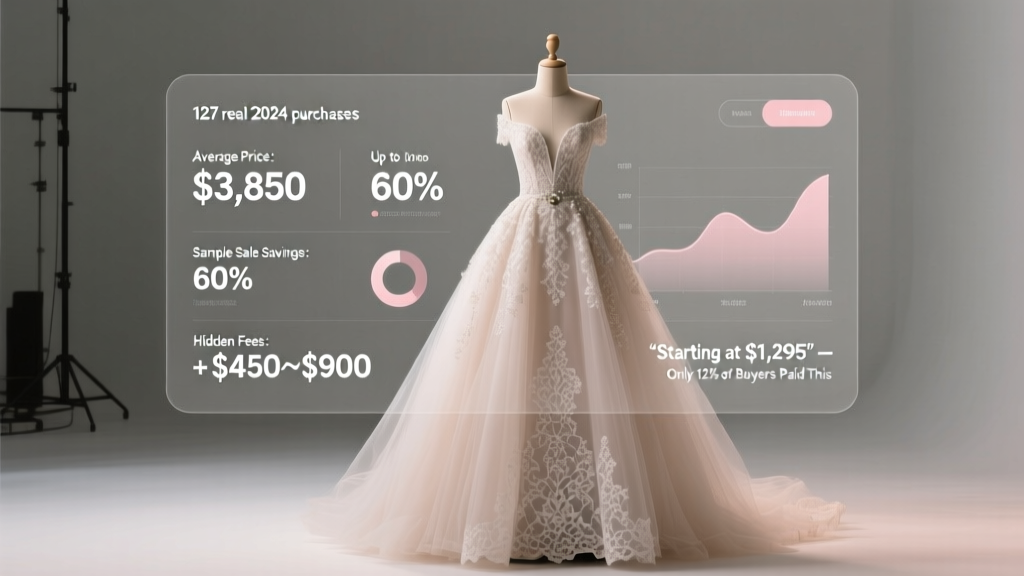 Casablanca Wedding Gown Prices (2026) | Real Costs & Fees
 Wedding Reception Decoration Guide: Budget & DIY Tips
 Wedding Vows: 7 Stress-Free Steps to Open Them
 How to Become a Wedding Officiant in Vermont (2026)
 Wedding Dress Timeline: 6–9 Months Ideal (2026)
 Sand Ceremony: Why 73% of Couples Regret Skipping It
 Wedding Charger Plates: What They Are & Why You Need Them
 When Do Wedding Invites Go Out? (2026 Timeline)
 Destination Wedding Save the Date: 7 Must-Haves (2026)