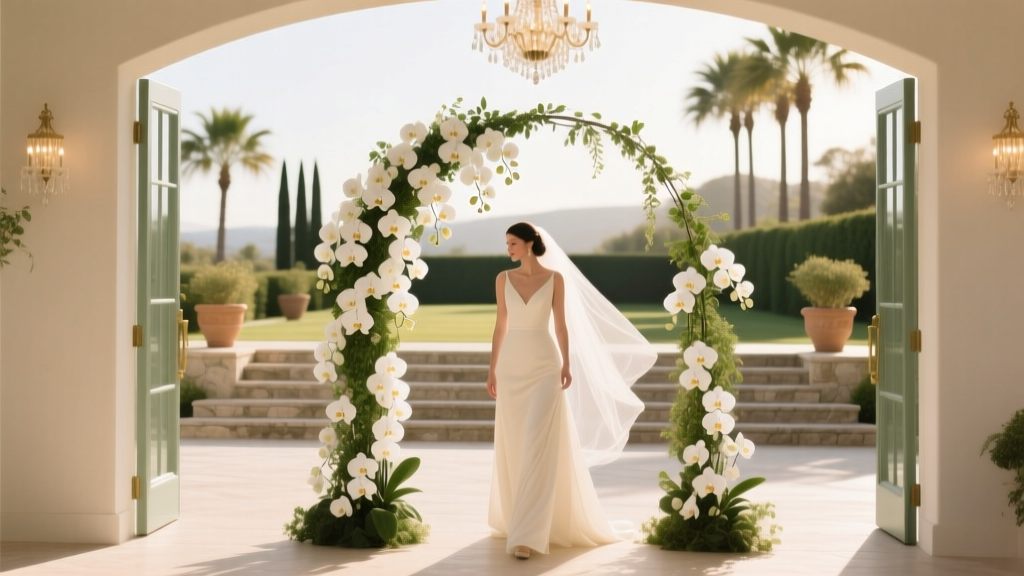
How to Plan a Wedding With a Grand Entrance
You’ve probably pictured it at least once: the doors open, the music hits, and the room turns toward you. A wedding grand entrance isn’t just a “reception moment”—it’s the first big burst of energy that tells everyone, this is the celebration. For some couples it’s dramatic and cinematic. For others it’s simple, joyful, and unmistakably “them.”
If you’re feeling excited and a little overwhelmed, you’re not alone. Grand entrances can feel like something you either nail or accidentally make awkward. The good news: with a little planning (and a few insider tips), you can create an entrance that fits your personality, your venue, your budget, and your comfort level—without turning your reception into a stage show you didn’t sign up for.
This guide walks you through the choices, the timeline, and the practical logistics—plus real-world examples, common mistakes to avoid, and pro wedding planner tips to help your wedding reception entrance feel effortless.
What “Grand Entrance” Really Means (and What It Doesn’t)
A grand entrance is the couple’s official introduction into the reception (or into the ceremony, depending on your plan). It can include your wedding party, parents, or cultural elements, and it’s usually led by an emcee (often your DJ or bandleader).
A grand entrance can be:
- High-energy: upbeat song, dancing, confetti poppers, cheering bridal party.
- Romantic: a slower song, candlelit walkway, a meaningful announcement.
- Elegant: classic music cue, formal introduction, minimal props.
- Playful: a themed entrance (sports, movie, destination vibe), choreographed steps.
- Culturally rooted: baraat, horah-style energy, lion dance, second line, traditional drumming.
What it doesn’t have to be:
- A performance that makes you anxious
- Expensive special effects
- A copy of what you saw on TikTok
Step 1: Decide the Vibe and Comfort Level (Your Entrance “Personality”)
Before you pick music or props, decide how you want to feel during the entrance. This helps you avoid planning something that looks great online but feels wrong in the moment.
Quick decision checklist
- Energy level: low-key, medium, or big party?
- Spotlight comfort: do you love attention, tolerate it, or dread it?
- Humor: playful/funny vs. timeless/classic?
- Traditions: are there cultural or family expectations to honor?
- Guest experience: do you want cheering, sing-alongs, a “wow” moment, or a warm welcome?
Real-world scenario
Couple A: Both are introverts, 65 guests, intimate vineyard dinner. They choose a romantic entrance with a short instrumental intro, enter hand-in-hand, and transition straight into their first dance—no wedding party entrance. The moment is still “grand” because it’s intentional and beautifully timed.
Couple B: 200 guests, high-energy crowd, DJ-led party. They choose a hype song, bridal party enters in pairs with quick spins, and the couple follows with confetti cannons (venue-approved). It feels like a concert—because that’s their vibe.
Step 2: Pick the Right Moment in Your Reception Timeline
Most grand entrances happen at the start of the reception, but there’s flexibility. Your timeline should match your venue logistics and the flow you want for guests.
Common entrance timing options
- After cocktail hour: guests are seated, then the entrance kicks off dinner service.
- Right before first dance: you enter and move straight into a dance (smooth and efficient).
- After sunset photos: if you sneak out for golden hour, you can “re-enter” to relaunch the party.
- Split entrance: you greet guests casually at cocktail hour, then do an official announced entrance later.
Planner tip
If dinner is plated and timing matters, keep the entrance tight (under 3–5 minutes total). A long, complicated entrance can delay service and throw off the kitchen’s pacing.
Step 3: Choose Your Entrance Style (Simple to Show-Stopping)
Option 1: Classic and polished
- Formal introduction by DJ/emcee
- One song cue (30–60 seconds)
- Couple enters, quick wave/kiss, then welcome toast or first dance
Option 2: Wedding party “runway” entrance
- Parents and wedding party enter first
- Each pair gets 5–10 seconds for a quick pose
- Couple enters last to the song’s chorus/drop
Option 3: Themed entrance (keep it tasteful)
- Sports: team intro voiceover, jerseys for bridal party, stadium-style music
- Movie/TV: short instrumental theme, subtle nod in the announcement
- Destination vibe: tropical drums, leis, signature cocktail reveal
Option 4: Cultural grand entrance
- South Asian baraat: groom’s procession with music/dhol, then couple entrance
- New Orleans second line: brass band leads guests into reception space
- Jewish wedding: high-energy entrance leading into dancing (hora-style momentum)
Budget note
A grand entrance can be nearly free (music + lighting you already have) or a bigger spend (live musicians, drummers, special effects). Decide early so you’re not scrambling later.
Step 4: Music, Announcement, and Lighting—The Trio That Makes It Work
Choose a song that “starts strong”
Look for a track with a recognizable intro or a clear build to a chorus. If the song takes 45 seconds to get going, the entrance can feel slow.
Song selection tips
- Pick a clean edit: confirm lyrics and avoid awkward explicit lines.
- Start at the right timestamp: ask your DJ to begin at the best hook.
- Keep it short: 60–90 seconds is plenty for most entrances.
Write (and approve) your announcement script
Give your DJ/emcee the pronunciation for names and exactly how you want to be introduced.
Sample scripts:
- Traditional: “Please welcome for the first time as newlyweds, [Name] and [Name]!”
- Modern: “Make some noise for the couple of the night—[Name] and [Name]!”
- Inclusive options: “Please welcome the newly married couple, [Name] and [Name]!”
Lighting cues that instantly elevate the moment
- Dim the room right before the announcement
- Spotlight or pin spot on the entrance point
- Uplighting in your wedding colors for photos
- Cold sparklers (venue-approved) for the big hit of the song
Step 5: Plan the Logistics (So It Looks Effortless)
Most entrance mishaps are logistics, not enthusiasm. Here’s how to set it up like a pro.
Entrance logistics checklist
- Identify your entrance point: doors, staircase, patio, tent opening, side corridor.
- Confirm the path is clear: no chairs, cords, or staff traffic in the way.
- Assign a “line-up captain”: planner/coordinator, venue captain, or a reliable friend.
- Set the order: parents, wedding party, flower girl/ring bearer (if included), then couple.
- Decide what you’re holding: bouquet, drink, nothing (hands free for waving/hugging).
- Photo/video positioning: confirm where cameras will be to avoid blocking guests.
- Guest readiness: emcee cues guests to stand/cheer and face the entrance.
Timeline guidance
- 2–3 months out: choose entrance style and song; tell your planner/DJ.
- 4–6 weeks out: finalize announcement script; confirm any special effects approvals.
- 1–2 weeks out: share a one-page reception timeline with all vendors.
- Wedding day: do a 2-minute walkthrough at the venue (literally stand where you’ll line up).
Step 6: Add “Grand” Details Without Blowing the Budget
You can create a big impact with small, smart upgrades. Choose one or two elements and do them well.
Budget-friendly grand entrance ideas
- Signature lighting moment: a single spotlight + dimmed ambient lighting
- High-impact music: DJ mix into your entrance song
- Guest participation: ribbon wands, glow sticks, or a clap/chant led by the emcee
- Simple props: biodegradable confetti toss (venue-approved) or streamers
- Champagne or cocktail reveal: you enter and immediately toast
Where couples overspend
- Multiple special effects at once (sparklers + confetti + fog + bubbles)
- Large rented props that are hard to store or quickly clear
- Complicated choreography requiring lots of practice (and stress)
Step 7: Rehearse the “Micro-Moments” (Not a Full Performance)
You don’t need a full dance routine to look confident. You just need a plan for the first 10 seconds.
60-second practice plan
- Decide your pace: walk in, pause, wave, then move forward.
- Pick one simple move: a spin, a dip, a cheek kiss, or a hand raise together.
- Choose your “photo spot”: where you’ll pause for the best shot (ask your photographer).
- Know what happens next: first dance, welcome toast, or sit for dinner.
Real-world example
A couple wants a fun entrance but doesn’t want choreography. They practice one easy beat: walk in for 8 counts, stop on the chorus, do a quick twirl, then head straight to the dance floor for a 90-second “welcome dance” that transitions guests into dinner.
Common Mistakes to Avoid (and How to Fix Them)
- Mistake: Not telling the DJ the exact song start time.
Fix: Send a note: “Start at 0:42 when the beat drops.” - Mistake: Entrance happens while guests are still finding seats.
Fix: Have the emcee give a 2-minute warning and close doors/guide guests in. - Mistake: Confetti/sparklers not approved.
Fix: Get written venue approval and confirm cleanup responsibilities. - Mistake: Bridal party doesn’t know what to do.
Fix: Share a simple entrance plan in a group text: order + “walk, smile, quick pose.” - Mistake: The entrance drags on too long.
Fix: Limit each pair to 5–10 seconds, and keep the couple’s moment the highlight.
Wedding Planner Pro Tips for a Smooth, Stunning Entrance
- Use a “door open” cue: one person (planner/venue captain) physically cues the doors/curtain at the right beat.
- Keep hands free: if you’re holding a bouquet and a drink, you’ll feel awkward fast. Choose one or neither.
- Plan for dress movement: bustles, trains, and veils can snag—do a quick check before you line up.
- Think about sound: outdoor spaces often need extra speakers near the entrance so guests hear the music clearly.
- Give your photographer a heads-up: tell them if you want a dip, kiss, or confetti so they’re ready.
FAQ: Wedding Grand Entrance Planning
How long should a grand entrance be?
Ideally 1–3 minutes total for the full lineup. If you’re including parents and a wedding party, aim for a brisk pace so dinner and speeches stay on schedule.
Do we have to include the whole wedding party?
No. Many couples skip wedding party entrances entirely, especially for smaller weddings or more formal receptions. You can enter alone, with parents, or with just a maid of honor/best person.
What if we’re nervous about being announced?
Choose a simpler entrance: a warm announcement, a shorter song clip, and a direct transition into your first dance or welcome toast. You can also do a “soft entrance” by greeting guests at cocktail hour, then keep the announced moment brief.
Are sparklers, fog, or confetti worth it?
They can be—if they’re allowed at your venue and you’re using one effect as the moment’s centerpiece. Ask about fire safety rules, smoke detectors, outdoor restrictions, and cleanup fees before you commit.
What’s the best time to do a grand entrance if we’re doing sunset photos?
Do your official entrance right after cocktail hour, then sneak out for sunset photos later. If you’d rather re-enter after photos, plan a second “hype re-entry” (30–45 seconds) so the party restarts with intention.
Should we rehearse the grand entrance?
A full rehearsal isn’t necessary, but a quick walkthrough is helpful. Practice where you’ll pause, how you’ll hold hands, and what you’ll do when the music hits the chorus.
Your Next Steps: A Simple Action Plan
- Choose your entrance vibe (classic, romantic, party, cultural, themed).
- Select your song and identify the best 60–90 seconds.
- Write your announcement script with pronunciations.
- Confirm logistics (entrance point, lineup order, lighting cue, vendor positions).
- Do a quick walkthrough on wedding day so you can relax and enjoy it.
Your grand entrance doesn’t need to be perfect to be unforgettable. If it reflects who you are—whether that’s elegant, playful, cultural, or quietly romantic—your guests will feel it right away.
Want more reception timeline ideas, music planning tips, and wedding day logistics checklists? Explore more planning guides on weddingsift.com.
More Articles
 Elie Saab Wedding Dress Cost (2026) | Real Prices & Tips
 How to Plan a Wedding in 6 Months Checklist (2026)
 How Long Are Most Weddings? (2026 Data + Tips)
 Destination Wedding Photography Pricing (2026)
 Do Fathers Wear Boutonnieres at Weddings? (2026)
 Best Wedding Shoes to Buy in 2026
 Wedding Speech for My Daughter: A Stress-Free Guide (2026)
 Wedding Catering Cost for 50: Real Breakdown & Savings
 Sims 4 Wedding Cake: 5-Step Plan (2026)
 Wedding Photography Packages: 2026 Prices & What’s Included