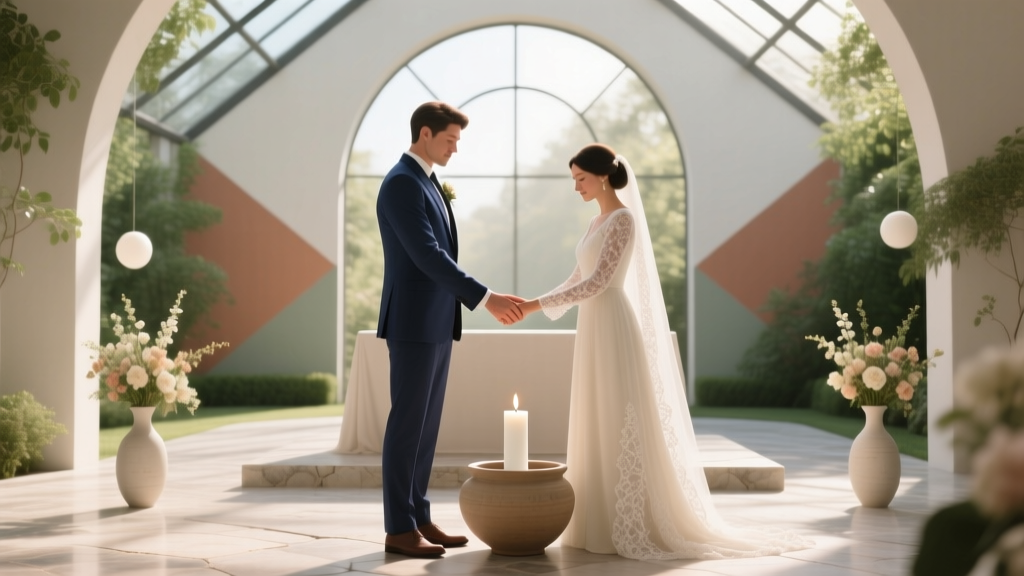
How to Plan a Wedding With a Unity Ceremony
You’ve probably pictured your wedding ceremony a hundred different ways: the walk down the aisle, the vows, the first kiss, the cheers. But when couples tell me what they want most, it’s usually simpler than any trend: they want the moment to feel like them. A unity ceremony can be one of the most meaningful ways to make that happen—without needing a bigger budget or a longer guest list.
Unity ceremonies are especially loved by couples blending families, couples honoring different cultures or faith backgrounds, and couples who want something visual and symbolic beyond traditional vows. Whether you’re thinking about a unity candle, sand ceremony, handfasting, a wine box ritual, or planting a tree, the goal is the same: a shared action that represents your commitment.
Below is a practical planning guide you can actually use—complete with timelines, checklists, budget considerations, real-life scenarios, and the “please don’t do this” mistakes I see couples make every season.
What Is a Unity Ceremony (and Do You Need One)?
A unity ceremony is a symbolic ritual during your wedding ceremony that represents two lives joining together. It can be religious, spiritual, cultural, or completely secular. It typically happens after the exchange of vows and rings, but it can be placed anywhere that makes sense for your officiant’s script.
Signs a unity ceremony is a good fit for you
- You want a visual moment that’s meaningful for guests who may not hear every word.
- You’re blending families and want to include children or parents.
- You’re honoring cultural traditions or combining faith backgrounds.
- You’re planning a personalized wedding ceremony and want it to feel unique.
- You love the idea of a keepsake (candle, framed sand, wine box, etc.).
When skipping it can be the better move
- Your ceremony is already long, and you’re trying to keep it under 15–20 minutes.
- You feel pressured to do one “because everyone does,” but it doesn’t resonate.
- Your venue has limitations (windy beach, fire restrictions, limited setup time).
Choosing the Right Unity Ceremony: Popular Options + Best-Use Scenarios
Pick a unity ceremony that fits your story, your venue, and your tolerance for setup. Here are common options couples love—and where they shine.
Unity candle
- Best for: Indoor ceremonies, classic and traditional vibes
- Watch out for: Outdoor wind, venue fire rules, wick that won’t light
- Keepsake value: High (display at home, use on anniversaries)
Sand ceremony
- Best for: Beach weddings, modern ceremonies, blending family colors
- Watch out for: Spills, humidity clumping sand, transporting the finished vessel
- Keepsake value: High (frame or bottle display)
Handfasting (tying hands with cord/ribbon)
- Best for: Couples who love ritual, Celtic inspiration, outdoor settings
- Watch out for: Awkward hand positioning, photographer blocking, rushed explanation
- Keepsake value: Medium (keep the cord or frame it)
Wine box ceremony (or love letter box)
- Best for: Couples who want something private and future-focused
- Watch out for: Ceremony time (it can drag if over-explained), forgetting a hammer/screwdriver
- Keepsake value: Very high (open on anniversary)
Tree planting ceremony
- Best for: Nature-loving couples, backyard weddings, eco-friendly celebrations
- Watch out for: Venue rules, messy soil, travel logistics if you’re flying
- Keepsake value: Very high (living symbol)
Blended family unity ceremony
- Best for: Couples with kids who want them included in a heartfelt way
- Ideas: Family sand ceremony, family vow, puzzle assembly, family candle lighting
- Watch out for: Putting kids on the spot without prep
Step-by-Step: How to Plan a Unity Ceremony Without Stress
Use this as your planning checklist. It works whether you’re having a big traditional wedding or a small backyard ceremony.
Step 1: Decide the “why” (your meaning in one sentence)
Before you buy anything, answer: What are we symbolizing? Examples:
- “We’re honoring our two families becoming one.”
- “We’re bringing two cultures together with equal respect.”
- “We’re choosing a grounded, nature-based symbol of growth.”
Step 2: Match the ritual to your venue and season
Quick venue reality check:
- Outdoor + wind: Skip open flames or plan windproof lighters and hurricane glass.
- Indoor historic venue: Confirm whether candles are allowed (many require enclosed flames).
- Beach ceremony: Sand ceremony feels natural; unity candle can be frustrating.
- Destination wedding: Choose something easy to pack or source locally.
Step 3: Keep it short and guest-friendly
A unity ceremony is most powerful when it’s concise. Aim for:
- 60–120 seconds for the action
- 1–3 sentences of explanation by the officiant
Step 4: Write (or request) the script for your officiant
Provide your officiant with a mini script so it feels intentional—not like an interruption. Include:
- What the ritual symbolizes
- Who participates (couple only, parents, kids)
- Exact wording for transitions (“Now, as a symbol of…”)
Step 5: Get the supplies—and test them
This is where couples get surprised. Testing avoids awkward ceremony delays.
- Unity candle: Test the taper lighting the center candle; bring a backup lighter.
- Sand: Pour practice to see how fast it flows and how messy it gets.
- Handfasting cord: Practice the knot or wrapping method with your officiant.
- Wine box: Test the latch; confirm who carries the key; bring a tool if needed.
Step 6: Assign roles (so it’s not a scramble)
Make it someone’s job. Not yours. Options:
- Planner/coordinator sets the unity table and items
- Best man or maid of honor holds the items and hands them off
- A parent sets up if it’s part of the ritual
- Officiant cues the timing
Step 7: Build it into your wedding ceremony timeline
Here’s a common flow that works well:
- Processional
- Welcome + opening remarks
- Reading (optional)
- Vows
- Ring exchange
- Unity ceremony
- Pronouncement + kiss
- Recessional
Real-World Examples Couples Relate To
Example 1: Blended family with two kids (ages 6 and 10)
The couple wanted the kids included without forcing them to speak into a microphone. They chose a family sand ceremony with four colors: one for each person. The officiant said two sentences about creating a family that can’t be separated, then each person poured their sand. Total time: under two minutes. The keepsake jar was sealed and displayed at the reception gift table.
Example 2: Outdoor vineyard wedding with strict fire rules
They loved the unity candle idea but couldn’t use open flame. They swapped to a wine box ceremony using a personalized wooden box, two letters they wrote privately, and a bottle from the vineyard. It felt elegant, fit the setting, and avoided any venue issues.
Example 3: Interfaith couple wanting something neutral
They wanted symbolism without leaning religious. They chose handfasting with a cord made from fabric pieces contributed by both families. It honored everyone without requiring a specific faith tradition, and it photographed beautifully.
Budget Tips: What a Unity Ceremony Really Costs
A unity ceremony can be very affordable, but costs vary based on personalization and keepsakes. Typical ranges:
- Unity candle set: $25–$120 (more with custom engraving)
- Sand ceremony kit: $20–$80; upgraded display vessels $50–$150
- Handfasting cord: $15–$75; custom-made cords $75–$200
- Wine box ceremony: $40–$200 for the box; plus wine or mementos
- Tree planting: $30–$150 depending on tree type and container
Ways to keep it meaningful without overspending
- Use items you already own (a special bottle of wine, a family quilt strip for handfasting).
- Skip themed “kits” and source pieces individually (candles, jars, cords).
- Prioritize what matters: the symbolism and smooth execution.
Wedding Planner Pro Tips for a Smooth Unity Ceremony
- Create a unity ceremony “station.” A small table with a linen, matches/lighter, and all items pre-arranged keeps it tidy.
- Think about photo angles. Ask your officiant to step slightly aside so your faces aren’t blocked.
- Choose music (or silence) intentionally. A short instrumental section can make the moment feel elevated—especially for sand pouring or tree planting.
- Make it accessible. If either partner or a family member has mobility needs, set the station at an easy height and reduce steps.
- Have a backup plan for outdoors. Windproof lighters, weighted table décor, and a second candle/match set can save the moment.
Common Mistakes to Avoid
- Letting it run too long. Guests love meaning, but long explanations can feel like a pause button.
- Not practicing. Most unity ceremonies involve hands, props, and positioning—do a quick rehearsal.
- Forgetting logistics. Who carries the items? Who sets the table? Who cleans up or packs the keepsake?
- Choosing something messy without planning. Sand and soil can stain attire and venues—use funnels, trays, and wipes.
- Doing it because Pinterest said so. Your ceremony should reflect your relationship, not just a photo trend.
Timeline Advice: When to Decide and What to Do When
3–6 months before the wedding
- Choose your unity ceremony type and meaning
- Confirm venue rules (candles, soil, cleanup requirements)
- Talk with your officiant about ceremony flow and script
6–8 weeks before
- Order or assemble supplies (including personalization lead times)
- Decide who participates (kids, parents, wedding party)
- Choose any music cue
2–4 weeks before
- Do a quick test run at home
- Finalize the officiant script
- Assign setup/teardown roles
Wedding week
- Pack unity items together in one labeled box
- Add “extras”: lighter, wipes, funnel, cloth, small tray
- Confirm with your planner/coordinator where it will be set up
FAQ: Planning a Wedding With a Unity Ceremony
How long should a unity ceremony take?
Aim for 1–3 minutes total. The action itself should be around 60–120 seconds, with a brief explanation from the officiant.
Do we do the unity ceremony before or after vows?
Most couples place it after vows and rings because it feels like a visual “seal” on the commitment. That said, if you’re including family members early (like children), placing it before vows can help everyone relax sooner.
Can we do a unity ceremony in a non-religious wedding ceremony?
Absolutely. Many unity ceremonies are secular—sand, handfasting, wine box, tree planting, or a shared written promise placed in a keepsake box.
What’s the best unity ceremony for an outdoor wedding?
Sand ceremonies and handfasting are typically the easiest outdoors. Unity candles can work outdoors only if you plan for wind and venue fire policies.
How do we include our kids without making them nervous?
Give them a simple task (pour sand, hold the cord, place a letter in a box) and practice once at home. Avoid putting them on the spot with a reading unless they’ve asked to do it.
Do we need to buy a unity ceremony kit?
No. Kits are convenient, but you can often save money by buying items separately—especially if you want a more elevated or minimalist look.
Your Next Steps
If you want a unity ceremony that feels heartfelt (not fussy), focus on three things: pick a ritual that matches your story, keep it short, and plan the logistics so it runs smoothly. Start by choosing your unity ceremony style, confirming venue rules, and sending a brief script to your officiant. Then do a quick test run and assign someone else to handle setup—so you can stay present in the moment.
For more ceremony ideas, timelines, and practical wedding planning tips, explore the rest of our planning guides on weddingsift.com.
More Articles
 Wedding Hotel Blocks: A Stress-Free 7-Step Guide
 September Wedding: 7 Smart Reasons & 3 Pitfalls (2026)
 Realistic Wedding Budget Guide (2026)
 Wedding Photographer Launch Plan (2026)
 Average Wedding Size in 2026: Guest Count Trends and Tips
 How Wedding Registries Work: A Clear, Step-by-Step Guide
 Bruno Mars Wedding Cost: Truth & 2026 Alternatives
 How Much Is a Vegas Wedding? Real Costs Revealed
 Stress-Free 6-Month Wedding Plan (2026)
 Wedding Gift Check Etiquette: 7 Steps for Perfect Thank-Yous