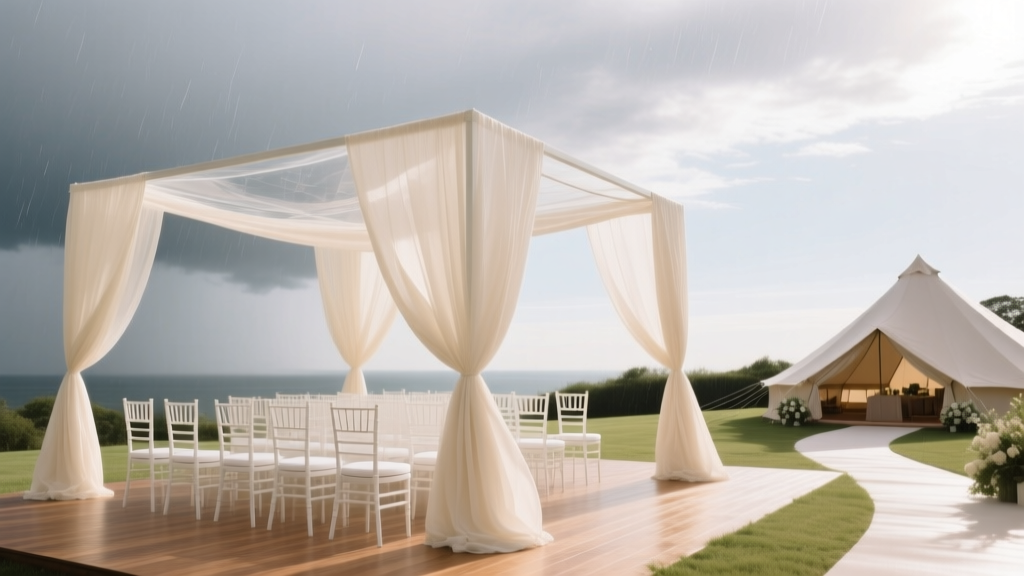
Wedding Planning How to Handle Weather Contingency Plans
You can plan the most beautiful wedding day down to the last candle and place card—then the forecast throws you a curveball. If you’re planning an outdoor ceremony, a tented reception, or even just dreamy couple portraits at golden hour, weather can feel like the one guest you can’t control.
Here’s the good news: most weather worries are manageable with the right wedding contingency plan. A solid plan doesn’t take away the romance—it protects it. When you’ve made clear decisions in advance (and told the right people), you’ll spend your wedding day focusing on your partner, not refreshing your weather app.
This guide walks you through practical, real-world ways to plan for rain, wind, heat, cold, and surprise weather shifts—complete with timelines, budget considerations, planner-approved tips, and common mistakes to avoid.
Start With a Weather Mindset: “Plan A and Plan B Should Both Feel Like a Wedding”
The most helpful shift is this: a weather backup plan isn’t a downgrade. If Plan B feels thoughtful and intentional, you won’t feel like you “lost” something if you need it.
Decide what matters most (and what can flex)
Before you choose tents, indoor spaces, or rental upgrades, list your non-negotiables. For example:
- “We must be outdoors for the ceremony.”
- “We’re okay moving cocktail hour inside, but the reception should stay outside.”
- “We care most about guest comfort and photos—location can change.”
This quick clarity check will save you money and decision fatigue later, especially as you work with your venue, rental company, and wedding planner (or day-of coordinator).
Step-by-Step: Build a Weather Contingency Plan You Can Actually Use
Step 1: Research your date and location (realistically)
Seasonal averages matter more than wishful thinking. Look up historical weather patterns for your wedding location—rain probability, temperature ranges, wind, and humidity—then plan around what’s typical.
- Coastal or mountain areas: Wind and temperature swings can be bigger than expected.
- Desert climates: Heat can be intense in the afternoon even if evenings are lovely.
- Spring and fall: Beautiful, but often unpredictable—prime time for Plan B.
Step 2: Confirm what your venue already offers
Your venue can make or break your weather backup plan. Ask these questions early (ideally before you sign):
- Is there an indoor ceremony space available the same day?
- Is there a covered option (porch, pavilion, barn, atrium) that still feels “special”?
- What is the venue’s rain plan and who decides when to implement it?
- Are there restrictions on tents, stakes, heaters, open flames, or generators?
- How late can vendors load in if weather changes?
- Are there enough restrooms indoors if everyone moves inside?
Pro tip: If your venue says “We can flip it quickly,” ask what “quickly” means in minutes and what staff support is included. A fast flip is very different with two venue staff versus eight.
Step 3: Create your “weather decision deadline”
The biggest stress comes from waiting too long to decide. Choose a clear decision point and communicate it to your key vendors. Common decision deadlines:
- 72 hours before: Often used when tents/heaters need confirmation and staffing schedules lock.
- 48 hours before: Helpful for moderate uncertainty; allows rental adjustments.
- Morning-of: Only realistic if Plan A and Plan B use the same rentals and the venue can flip easily.
A planner-friendly approach is to decide based on the worst 2-hour window during your ceremony and guest arrival time. A 20% chance of rain all day may be fine—unless it’s 60% exactly at ceremony time.
Step 4: Draft two timelines (Plan A and Plan B)
Don’t just change the location—adjust the flow. Your wedding day timeline should reflect how people move, where photos happen, and how vendors set up.
Plan A example: Outdoor ceremony → lawn cocktail hour → tented reception
Plan B example: Indoor ceremony → indoor cocktail hour in adjacent room → reception in tent with sidewalls
Include these details in both versions:
- Guest arrival and seating time (wet grass = slower movement)
- Transportation/shuttles and walking distances
- Photo plan (covered porch, indoor staircase, lobby, museum gallery, etc.)
- Vendor setup time (tents, soundchecks, lighting adjustments)
- Room flip time if the ceremony space becomes the reception space
Step 5: Communicate your plan clearly (and assign ownership)
Weather plans fail when everyone assumes someone else is handling it. Assign a clear decision-maker and point person.
- Decision-maker: Often the couple + planner, or the venue manager if contractually required
- Point person: Planner/coordinator, or a trusted friend/family member who is calm under pressure
Create a simple one-page “Weather Plan Sheet” to share with vendors. Include:
- Plan A/Plan B locations
- Decision deadline and who confirms it
- Vendor contacts (venue, rentals, catering, florist, DJ/band, photographer)
- Any special instructions (move florals indoors, protect speakers, close tent sidewalls)
Weather Scenarios Couples Actually Face (and What to Do)
Scenario 1: Rain during an outdoor ceremony
What it feels like: You pictured vows under the sky, and now the radar is a blob of green right at 4:00 p.m.
Contingency options:
- Move indoors (best for heavy or persistent rain)
- Tent the ceremony with a dry aisle and a solid rain plan for sound
- Delay the ceremony by 15–30 minutes if your venue and timeline can flex (works for passing showers)
Checklist for rainy ceremonies:
- Confirm if you need sidewalls (wind-driven rain will soak chairs without them).
- Rent or provide umbrellas (clear umbrellas look great in photos).
- Protect sound: use covered speakers and a wireless mic when possible.
- Plan a dry holding area for the wedding party before the processional.
- Swap delicate signage for waterproof options or place it under cover.
Budget note: Sidewalls, flooring, and additional tent weight systems can add hundreds to thousands depending on size and venue rules. Ask rental companies for a “rain-ready quote” early so you’re not shocked later.
Scenario 2: Wind that threatens décor, tents, or hair/makeup
What it feels like: It’s sunny… but the wind is aggressive, and suddenly everything lightweight is a hazard.
What helps most:
- Skip tall, top-heavy ceremony arrangements unless they’re properly weighted
- Use tent weights if staking isn’t allowed (common on patios and hardscapes)
- Choose heavier table linens or secure them discreetly
- Plan hairstyles with wind in mind (low buns, textured updos, or half-up styles hold better)
Pro tip: If your ceremony includes candles, plan for hurricane vases or swap to LED candles outdoors. Wind and open flame are not friends—plus some venues forbid them entirely.
Scenario 3: Extreme heat or humidity
What it feels like: Everyone looks gorgeous… and also slightly melting.
Guest comfort strategies:
- Shift the ceremony later (even 60–90 minutes can help)
- Provide cold water stations at arrival and near seating
- Offer handheld fans or cooling towels (practical favors people actually use)
- Choose shade: umbrellas, sailcloth tents, tree coverage, or a covered terrace
- Consider a quick ceremony and longer cocktail hour indoors afterward
Real-world example: A couple planned a 3:00 p.m. garden ceremony in July. Their venue suggested moving it to 5:00 p.m., adding a pre-ceremony lemonade station, and moving family photos indoors. The day still felt “outdoor and summery,” but guests were comfortable—and the couple wasn’t stressed about heat exhaustion.
Budget note: Renting fans, portable AC units, or additional shade structures can add cost quickly. If your budget is tight, prioritize shade + hydration first; it gives the biggest comfort boost per dollar.
Scenario 4: Cold snaps, rain + cold, or unexpected temperature drops
What it feels like: You planned for crisp fall vibes, but it’s 42°F with drizzle.
Warmth plan essentials:
- Patio heaters (confirm fuel type and quantity with the rental company)
- Blanket basket near seating or by the fire pit
- Hot beverage station (coffee, tea, hot chocolate, or mulled cider)
- Encourage layering in attire guidance (especially for kids and older guests)
Pro tip: If it’s cold and damp, guests will leave early. Budgeting for heaters can protect your dance floor energy more than another décor upgrade.
Smart Rental and Budget Planning for Weather
A weather contingency plan is also a money plan. The key is to decide where you’re comfortable spending and where you’d rather simplify.
Common weather-related rentals (and what they typically affect)
- Tents: coverage and guest comfort; may require permits and site checks
- Sidewalls: rain/wind protection; can reduce airflow in heat
- Flooring: prevents muddy shoes and wobbly chairs; helpful for older guests
- Heaters/fans: temperature control; confirm power/fuel logistics
- Generators: reliable power for lighting, band/DJ, and catering
- Umbrellas: photo-friendly, inexpensive, and genuinely useful
Ways to protect your budget
- Ask for a bundled quote (tent + sidewalls + lighting + setup) to avoid surprise add-ons
- Prioritize function first: dry seating, safe walkways, and protected sound equipment
- Build a weather cushion in your budget (even 3–7% can help)
- Choose venues with built-in Plan B spaces to reduce rental dependency
Timeline Advice: When to Do What
3–6 months out
- Confirm Plan B options with the venue (get details in writing)
- Request rental quotes for both “fair weather” and “rain-ready” setups
- Discuss weather policies with your photographer and entertainment (gear protection, indoor lighting options)
6–8 weeks out
- Create Plan A/Plan B timelines and floor plans
- Finalize weather-related rentals (or set decision triggers with your rental company)
- Plan guest communication (website Q&A, signage, shuttle notes)
1–2 weeks out
- Identify indoor photo locations or covered outdoor spots
- Confirm who will make the final weather call and when
- Prepare a small weather kit (see below)
72–24 hours out
- Monitor forecast trends (not just one app—compare at least two sources)
- Confirm your decision with venue + rentals + planner/coordinator
- Update the wedding party and immediate family so everyone arrives prepared
Your Wedding Weather Kit (Small Items, Big Stress Relief)
- Clear umbrellas (2–6 depending on photo needs)
- Lint roller and towel (for damp seating or dress hems)
- Blotting papers and setting spray (humidity-friendly)
- Bobby pins/hair ties (wind rescue)
- Heel protectors or backup flats for grass
- Bug spray and anti-itch wipes (warm evenings)
- Mini deodorant and body wipes
- Gaffer tape (for quick fixes on cords and rugs)
Common Mistakes to Avoid (and What to Do Instead)
- Mistake: Assuming “it probably won’t rain.”
Do instead: Choose a Plan B that you’d genuinely be happy with and price it early. - Mistake: Waiting until the morning-of to decide, even though rentals need lead time.
Do instead: Set a decision deadline that matches vendor requirements (often 48–72 hours). - Mistake: Forgetting guest experience (mud, heat, long walks in rain).
Do instead: Prioritize walkways, shade, hydration, and clear directions. - Mistake: Not coordinating the plan with your photographer and DJ/band.
Do instead: Confirm indoor lighting, covered sound setup, and backup photo locations. - Mistake: Having a Plan B that requires a “miracle flip” with no staff.
Do instead: Confirm who moves chairs, who resets décor, and how long it takes.
Planner Pro Tips for a Calm, Confident Weather Plan
- Make Plan B beautiful on purpose: Add ceremony florals to an indoor fireplace mantel, use aisle candles in hurricane vases, or choose an indoor space with great natural light.
- Use signage that works in any location: Welcome signs on easels are easy to move; avoid anything that’s difficult to relocate quickly.
- Consider sound first: Guests forgive a drizzle more than they forgive not hearing vows. Prioritize microphones and speaker protection.
- Keep guests informed without panic: A quick note on your wedding website like “Outdoor ceremony planned; covered backup space available. Check the forecast and bring a light layer.” sets expectations nicely.
- Remember your photos will still be stunning: Overcast light is flattering, rain can be romantic, and a well-tented reception glows at night with the right lighting.
FAQ: Wedding Weather Contingency Plans
How do I decide between a tent and moving fully indoors?
Look at three factors: guest comfort, cost, and logistics. If the indoor space can comfortably fit your guest count and still feels like “you,” moving indoors is often simpler and less expensive than tenting. If your vision depends on outdoor space or your indoor backup is too small, a tent with sidewalls and flooring can be the best compromise.
How far in advance should we book a tent or weather-related rentals?
For peak wedding season, book as early as you can—often 4–8 months out for popular rental companies. If you’re unsure, ask about reserving with an adjustment window, or place a “soft hold” if your rental company offers it.
What’s a reasonable rain plan for a wedding with no indoor option?
Plan for full coverage: a tent sized for all guests (not just the dance floor), sidewalls, a protected ceremony area, and a flooring plan for high-traffic zones. Also confirm restroom access, power (generator if needed), and a safe plan for catering service.
Will vendors charge extra if we switch to Plan B?
Sometimes. Rentals may charge for added items (sidewalls, flooring) or last-minute changes. Some vendors charge additional labor if setups change significantly. The best way to avoid surprises is to ask for Plan B fees up front and get them in writing.
How do we communicate weather updates to guests without overwhelming them?
Use one main channel: your wedding website, a text/email via your RSVP system, or a wedding weekend welcome note. Keep it short and practical—what to wear, where to go, and whether transportation plans changed. Let your wedding party and immediate family know first so they can help guide guests on the day.
What if the forecast changes constantly and we’re stuck in decision limbo?
Choose a clear decision deadline and stick to it. A “late flip” plan only works when your venue and vendors can truly execute it. If the forecast is volatile, prioritize the option that protects guest comfort and keeps vendors working safely—then trust your plan and move forward.
Next Steps: Turn Your Plan Into Peace of Mind
Here’s what to do this week to feel more in control:
- Ask your venue for their written weather policy and Plan B options.
- Pick a decision deadline (48–72 hours is a sweet spot for many weddings).
- Draft Plan A and Plan B timelines and share them with your planner/coordinator (or point person).
- Request rental quotes for a “rain-ready” setup so your budget can handle surprises.
- Choose one or two indoor/covered photo locations you genuinely love.
If you’ve been carrying weather stress quietly, consider this your permission to set it down. A thoughtful weather contingency plan doesn’t make your wedding less magical—it makes it more resilient. And that calm confidence shows up in every moment, from your vows to your last dance.
Want more planning support? Explore more wedding planning guides and practical checklists on weddingsift.com.
More Articles
 Venue Buying Guide: Practical Steps, Cost Benchmarks, and Real-World Decision Criteria
 Cheap Beautiful Wedding Planning: 7 Steps to Save $18,400
 Marriage License Before Wedding: The 72-Hour Rule (2026)
 Courthouse Wedding Guests: Legal Limits & Clerk Tips
 How Much Cash for a Wedding Gift? (2026)
 How Much Is Alcohol for a 150 Person Wedding? (2026)
 Do You Need ID to Be a Wedding Witness? (2026)
 Dry Wedding Bouquet: 7 Proven Methods (2026)
 Attach Flowers to Wedding Sign: 7 Foolproof Methods (2026)
 Who Directed My Best Friend’s Wedding? (2026)