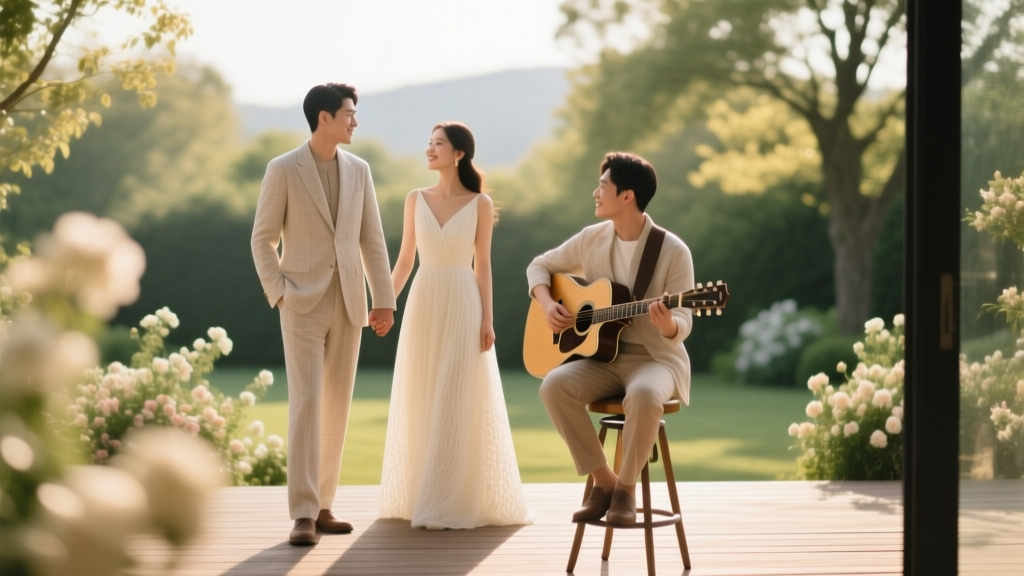
How to Plan a Wedding With a Live Acoustic Musician
You know that feeling when a song comes on and suddenly everything slows down—your shoulders drop, your heart softens, and you feel fully present? That’s the magic couples are chasing when they add a live acoustic musician to their wedding day. It’s intimate without being “too much,” polished without feeling stiff, and it instantly gives your celebration a personal, warm atmosphere.
Still, booking live wedding music can bring a lot of questions: When do you hire them? What do they need for sound? How do you make sure the ceremony isn’t interrupted by wind, feedback, or a missing cable? If you’re balancing a budget while trying to plan a meaningful experience, you’re in the right place.
This guide will walk you through planning your wedding with a live acoustic musician—step by step—so you can enjoy the vibe you want without last-minute stress.
Why Live Acoustic Music Works So Well for Weddings
Acoustic music fits beautifully into almost any wedding style because it enhances the moment instead of overpowering it. Whether you’re planning a backyard wedding, a garden ceremony, or a modern loft reception, a skilled acoustic musician can make the day feel elevated and personal.
- It’s emotional: Live music during the processional or first dance hits differently than a playlist.
- It’s flexible: Musicians can adjust tempo, extend a song if the aisle walk takes longer, or switch songs if the timing changes.
- It photographs well: A musician in the corner of a cocktail hour adds movement and romance to your candid photos.
- It’s space-friendly: A solo guitarist, singer-guitarist, or acoustic duo typically needs minimal room.
Step 1: Decide Where Live Music Fits in Your Wedding Timeline
Before you reach out to musicians, map out where live acoustic music will make the biggest impact. Most couples don’t need live music for every moment—strategic placement usually gives the best value.
Popular moments to book a live acoustic musician
- Ceremony: Prelude seating music, processional(s), recessional, and sometimes a special song during signing or unity ceremony.
- Cocktail hour: A perfect match for mingling—upbeat but not too loud.
- Dinner: Soft background sets work well for smaller weddings or intimate venues.
- First dance: A live version of “your song” can feel incredibly personal.
- Reception (partial): Live acoustic for the first hour, then transition to a DJ for dancing.
Real-world scenarios couples love
- Outdoor ceremony + indoor reception: Solo guitarist for ceremony and cocktail hour, DJ for the dance floor.
- Micro-wedding at a restaurant: Acoustic duo plays ceremony and dinner; no DJ needed.
- Backyard wedding: Singer-guitarist performs during guest arrival and ceremony; curated playlist for later.
Step 2: Set Your Music Budget (and Know What Affects Pricing)
Live wedding music pricing varies by location, experience, date, and what’s included. Setting a budget early helps you filter options quickly and avoid falling in love with something that doesn’t fit your plan.
Typical cost ranges (general guidance)
- Solo musician (guitarist or singer-guitarist): Often mid-range; great for ceremonies and cocktail hours.
- Acoustic duo (two musicians): More coverage and fuller sound; higher cost than solo.
- Trio+: Richer sound and higher energy; typically the highest acoustic pricing tier.
What impacts the final quote
- Performance time: Ceremony-only vs. ceremony + cocktail hour vs. multi-hour package.
- Travel: Mileage, ferry/tolls, or out-of-area travel fees.
- Sound equipment: Whether they provide a PA system, microphones, and setup/tear-down.
- Special song requests: Learning new songs, creating custom arrangements, or timing edits.
- Season and day: Saturdays in peak season typically cost more.
Budget-friendly planning tips
- Book live music for the ceremony only, then use a playlist for cocktail hour.
- Choose a musician who can cover ceremony + cocktail hour in one setup location to reduce complexity.
- Ask about off-peak discounts for Fridays, Sundays, or winter dates.
Step 3: Choose the Right Type of Acoustic Musician for Your Style
“Acoustic musician” can mean a lot of things. The best fit depends on your guest count, venue, and the atmosphere you want.
Common options
- Solo guitarist: Elegant, classic, and subtle—great for ceremonies.
- Singer-guitarist: Adds personality and lyrics; ideal for cocktail hour and modern ceremonies.
- Acoustic duo: Often guitar + violin, guitar + vocals, or guitar + percussion for a fuller sound.
- Instrumentalists (violin/cello/harp) with acoustic guitar: Romantic and elevated, especially for formal weddings.
Questions to help you narrow it down
- Do we want vocals during the ceremony, or instrumental only?
- Is our venue large enough that we’ll need amplification?
- Are we going for indie/modern covers, classic love songs, or a more traditional sound?
- Will guests be talking a lot (cocktail hour) where a musician needs presence without volume?
Step 4: Find, Vet, and Book Your Musician
Start researching live wedding musicians as soon as you have your venue and date. The best performers book up early—especially during peak wedding season.
Where to find live acoustic wedding musicians
- Your venue’s preferred vendor list
- Local wedding planners and coordinators
- Wedding directories and musician booking platforms
- Instagram/TikTok (look for full ceremony clips, not just highlights)
- Recommendations from recently married friends
Vetting checklist (save this)
- Listen to full samples: Look for live ceremony videos, not only studio recordings.
- Confirm wedding experience: Weddings require timing, flexibility, and professionalism.
- Ask about backup plans: What happens if they’re sick or equipment fails?
- Read reviews: Pay attention to punctuality, communication, and sound quality.
- Verify insurance: Some venues require vendor liability insurance.
What to ask during a quick call
- Have you performed at our venue (or a similar setting) before?
- Do you bring your own sound system and microphones?
- Can you mic an officiant and/or do a lapel mic setup?
- How do you handle song timing if the ceremony runs long?
- How many songs are included, and can we request specific ones?
Step 5: Plan Your Ceremony Music (Song Choices + Timing)
The ceremony is where acoustic music shines. You don’t need 20 songs—just the right ones, timed well.
Typical ceremony music outline
- Prelude: 15–30 minutes while guests arrive and are seated
- Processional: Wedding party entrance + your entrance
- Key moments: Unity ceremony, candle lighting, or signing (optional)
- Recessional: Your exit as a married couple
Practical song-planning tips
- Choose aisle music by “vibe,” not length: A good musician can loop or extend naturally.
- Instrumental can feel timeless: If you worry about lyrics being too literal, go instrumental.
- Balance the crowd: A modern processional (like an acoustic version of a favorite song) paired with a classic recessional keeps everyone happy.
Example: A ceremony plan couples often love
- Prelude: soft acoustic covers (Jack Johnson, Norah Jones, Ed Sheeran-style instrumentals)
- Wedding party processional: a gentle instrumental pop cover
- Bride/groom entrance: a meaningful song with vocals, slowed down acoustically
- Recessional: something bright and upbeat to cue celebration
Step 6: Sound, Setup, and Logistics (Where Couples Get Stressed)
This is where a little planning saves you from the biggest day-of headaches. Your musician may be incredibly talented, but even the best performance can fall flat if guests can’t hear the ceremony.
Key sound questions to solve early
- Will the musician provide a PA system? Don’t assume the venue has one.
- Will the officiant be miked? For more than ~30–40 guests outdoors, the answer is usually yes.
- Will there be a microphone for vows/readings? Especially important if family members are speaking.
- Power access: Where are outlets, and do you need extension cords or a battery-powered system?
Outdoor wedding considerations
- Wind: Ask about wind screens for microphones and secure music stands.
- Sun/heat: Provide shade if possible; direct sun can affect instruments and equipment.
- Weather backup plan: Decide the “rain ceremony spot” and confirm the musician can relocate.
Pro tip from wedding planners
If your ceremony is outdoors, plan for sound like you’re hosting a tiny concert. Even a gentle breeze can carry voices away. A great acoustic musician plus a simple PA system often makes the ceremony feel more intimate, not more “production.”
Step 7: Build a Music Timeline (When to Book + When to Confirm Details)
Planning live wedding music works best when you treat it like any other key vendor: book early, confirm details clearly, and give them the information they need to show up prepared.
Suggested planning timeline
- 9–12 months out: Research and book your musician (earlier for peak season)
- 4–6 months out: Draft ceremony music outline; discuss special song requests
- 6–8 weeks out: Finalize song list; confirm performance times and locations
- 2–3 weeks out: Share final timeline, vendor contacts, and setup instructions
- Week of: Confirm arrival time, parking/load-in, and rain plan
What to send your musician before the wedding
- Ceremony start time and guest arrival time
- Full wedding-day timeline (or at least their performance blocks)
- Venue address, parking info, and load-in instructions
- Point of contact (planner, coordinator, or trusted friend—not you)
- Song list with clear notes (who walks to what, when to start/stop)
Common Mistakes to Avoid (and How to Fix Them)
- Mistake: Not amplifying the officiant outdoors.
Fix: Add an officiant mic and test it during setup. - Mistake: Picking songs without thinking about pacing.
Fix: Choose a calm prelude, a meaningful entrance, and a celebratory recessional. - Mistake: Forgetting about setup time.
Fix: Build in 45–90 minutes before guests arrive (varies by equipment and location). - Mistake: Assuming the musician will “just know” when to start.
Fix: Assign cues—often the planner/coordinator signals the start of each moment. - Mistake: No backup plan for equipment or illness.
Fix: Ask about contingency plans in the contract and confirm them in writing.
Wedding Planner Pro Tips for a Smooth, Beautiful Performance
- Do a quick sound check earlier than you think: Especially if guests will arrive early or the ceremony is near a road or fountain.
- Keep guest experience in mind: For cocktail hour, ask the musician to play upbeat, recognizable songs at a conversational volume.
- Plan the “transition moments”: Decide what plays while guests move from ceremony to cocktail hour (live, playlist, or silence).
- Use live music to cover timing hiccups: If photos run late or the processional stalls, live musicians can extend seamlessly.
- Feed them if they’re there for multiple hours: If your musician is staying through dinner, include them in vendor meals per your venue’s policy.
FAQ: Planning a Wedding With a Live Acoustic Musician
How long should live acoustic music play before the ceremony?
Most couples choose 15–30 minutes of prelude music while guests arrive and get seated. If your venue opens the ceremony space earlier or guests tend to arrive early, 30–45 minutes can feel more welcoming.
Do we need a microphone for the officiant if we have a small wedding?
Indoors with 20–30 guests, you may be fine without one. Outdoors, even a small guest count often benefits from amplification because wind and open space make voices harder to hear.
Can an acoustic musician learn our special song?
Often yes. Many musicians will learn one or more songs with enough notice, sometimes for an added fee. Ask how far in advance they need the request and whether they’ll perform it with vocals or instrumental.
What if it rains and our ceremony moves inside?
Choose a clear backup location and tell your musician ahead of time. Confirm whether they can move equipment quickly and whether the indoor space has power access and enough room for setup.
Should we book a DJ if we already have an acoustic musician?
If you want a lively dance floor, a DJ is usually the easiest way to get that energy. A popular plan is acoustic music for ceremony and cocktail hour, then a DJ for the reception dancing portion.
How do we handle breaks if the musician is playing for a long time?
For cocktail hour sets, musicians often play continuously or with short breaks depending on the contracted time. For multi-hour coverage, ask about set lengths (for example, 45 minutes on/15 minutes off) and whether background music can play during breaks.
Your Next Steps (So You Can Actually Enjoy the Music)
If you want that warm, romantic live-music feel, you don’t need to overcomplicate it. Start with the moments that matter most—usually the ceremony and cocktail hour—then build the sound plan and timeline around those.
- Pick the wedding moments where live acoustic music will have the biggest impact.
- Set a realistic budget range (and decide what you want included: sound system, mics, travel).
- Shortlist 3–5 musicians and watch full live videos.
- Ask the logistics questions early (power, setup time, officiant mic, rain plan).
- Finalize your song list and share a clear cue-based timeline.
You’re creating a day that sounds like you—and that’s worth doing thoughtfully. When you’re ready for more planning support, explore more wedding planning guides on weddingsift.com.
More Articles
 Wedding Budget Calculator: Stress-Free 2026 Framework
 Cocktail Dress at Formal Wedding? Yes—Here’s When
 Can You Wear a Tight Dress to a Wedding? (2026)
 Bridal Shower Timing: The Sweet Spot Before Wedding (2026)
 Does a Wedding Planner Save You Money? (2026)
 How to Plan a Wedding With Multiple Events Over a Weekend
 Khakis for Semi-Formal Weddings: When They Work (2026)
 Wedding Gift Wrapping Guide: Pro Tips & Checklists
 How Much for a Wedding Present? (2026 Guide)
 Get Your Wedding Featured: 7 Realistic Steps (2026)