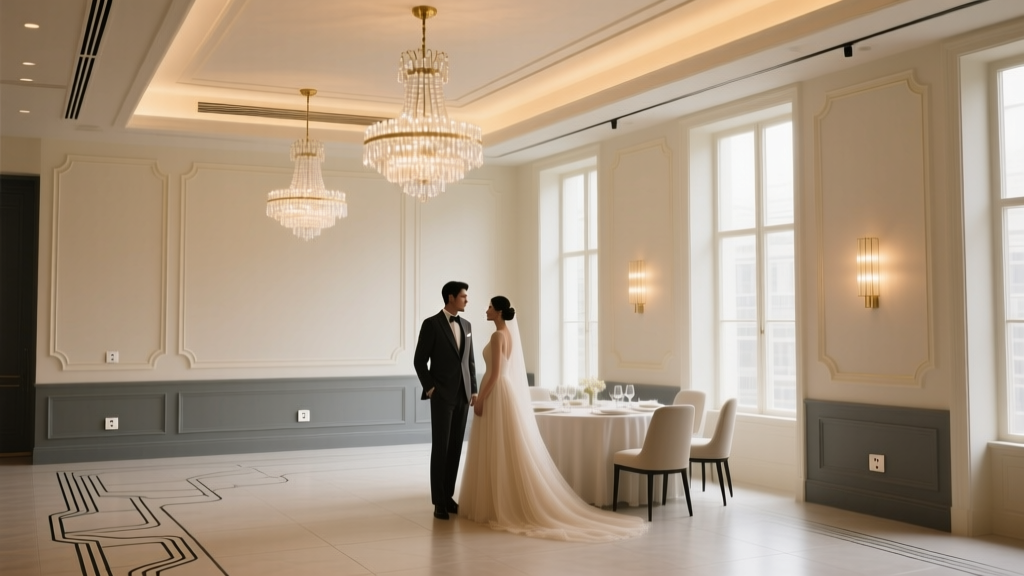
Wedding Planning Power and Electricity Needs at Venues
You can plan the most beautiful ceremony, pick the perfect playlist, and design a reception that feels like you—and still have the night derailed by one simple thing: power. If the DJ’s speakers cut out mid-first dance, the caterer can’t heat dinner, or the lights start flickering once guests hit the dance floor, it’s not just inconvenient—it’s stressful.
The good news is that power planning is very manageable once you know what to ask and when to ask it. Think of this as the behind-the-scenes “comfort and fun” checklist: reliable lighting, clear sound, hot food, smooth timelines, and those little extras (photo booth, late-night snacks, bistro lights) that make the night feel elevated.
Below is a practical, wedding-planner-style guide to understanding your wedding venue’s electricity capacity, coordinating with vendors, budgeting for rentals like generators, and avoiding the most common power mistakes—especially for outdoor weddings, backyard receptions, barns, and nontraditional spaces.
Why Power Planning Matters (More Than You’d Think)
Electricity at weddings isn’t just about turning on a few lights. Power impacts:
- Guest comfort: fans, heaters, bathroom trailers, and climate control
- Food safety and service: warming boxes, ovens, refrigeration, coffee stations
- Entertainment: DJ/band sound systems, lighting, microphones, uplighting, special effects
- Photography/video: lighting, charging stations, live streaming equipment
- Operations: vendor prep areas, admin lighting, radios, POS systems, signage
Many venues have plenty of power for a standard event, but weddings often bring a bigger load—especially when multiple vendors plug in to the same circuits throughout the day.
Start With the Venue: What to Ask Before You Sign (or ASAP After)
When couples run into power problems, it’s usually because the right questions weren’t asked early. If you’re touring venues or finalizing details, ask these—then request answers in writing (email is fine).
Venue Power Questions Checklist
- What is the total electrical capacity on site? (Ask for amps/voltage and any panel details.)
- Where are the outlets located? Indoors, outdoors, near ceremony space, bar, dance floor, catering area
- How many dedicated circuits are available? Especially for DJ/band, catering, and lighting
- Are any outlets on shared circuits? (Example: restrooms + bridal suite + DJ on the same circuit = trouble.)
- Is there a separate power source for catering? Or will caterer need generators?
- Do you allow generators? If yes, where can they be placed, and what are noise restrictions?
- Are extension cords permitted? Any rules about taping down cords, cable ramps, outdoor-rated cords?
- Is there a venue contact who can reset breakers during the event? And where are the breaker panels?
- Any restrictions on lighting? Hanging bistro lights, uplights, pin spots, fog/spark machines
- Is there reliable cell service/Wi-Fi? Not electricity, but affects streaming, POS systems, coordination
Pro tip: Ask if the venue has hosted weddings with your guest count and vendor style (band vs. DJ, full-service catering vs. food trucks). A venue may be perfect for a 60-person dinner but strained for a 200-person dance party with a live band and elaborate lighting.
Understand the Big Power Users at Weddings
Different vendors draw power differently. Here are the usual suspects that require extra planning:
Entertainment (DJ/Band + Lighting)
- DJ controller, speakers, subwoofers, microphones
- Band amps, monitors, keyboard rigs
- Dance floor lighting, moving heads, uplighting, string lights
Scenario couples relate to: The DJ plugs into an outlet near the bar. When the bar blender kicks on and someone starts the coffee station, the breaker trips—right as you’re introduced. This is typically a shared circuit problem, not a DJ problem.
Catering and Bar
- Warming cabinets, hot boxes, induction burners, ovens
- Refrigeration for desserts, cake, and beverages
- Coffee service, espresso machines
- Blenders for frozen cocktails
Real-world note: Many caterers prefer to avoid relying on venue outlets for heavy equipment. They may request a dedicated 20A circuit (or multiple) or require a generator for outdoor cooking setups.
Comfort and Facilities
- Portable restroom trailers (often need power)
- Heaters for tents, fans for summer weddings
- Tent lighting, perimeter lighting for walkways and parking
Photography/Video and “Extras”
- Photo booth
- Live streaming gear
- Charging stations or lounge areas with lamps
- Neon signs, monogram projectors
Step-by-Step: How to Plan Your Wedding Power Like a Pro
Step 1: List Every “Plug-In” Item (Yes, Every One)
Start a simple “Power Inventory” document and add items as you book vendors. Include:
- Vendor name
- Equipment needing power
- Where it will be located (ceremony lawn, tent, barn, patio)
- When it turns on (setup, ceremony, cocktail hour, reception)
- Who provides cords/cable ramps
Step 2: Request Power Requirements From Each Vendor
Email vendors a clear question:
- “What are your power requirements (amps/voltage), and do you need a dedicated circuit?”
- “Do you bring your own extension cords and outdoor-rated power strips?”
Planner shortcut: DJs, bands, caterers, and tent/lighting companies usually have standard power spec sheets. Ask for them.
Step 3: Map Power to Layout (Outlets + Distances)
Once you have your floor plan/site map, mark:
- All outlet locations
- Breaker panel location(s)
- High-load zones: DJ/band, catering prep, bar, restroom trailer
- Guest walkways where cords cannot cross without protection
If the venue can provide a diagram, great. If not, do a quick walkthrough with a notepad and take photos of outlets—future-you will be grateful.
Step 4: Decide If You Need Additional Power (Generator or Extra Circuits)
You may need a generator or added electrical support if:
- Your reception is in a tent, field, or backyard with limited outdoor outlets
- You have a live band plus robust lighting
- Your caterer is cooking on-site with electric equipment
- You’re using a restroom trailer that requires power
- The venue has older wiring or limited dedicated circuits
Generator basics couples should know: For weddings, “quiet” inverter generators or professionally supplied tow-behind generators are common. You’ll want enough capacity plus a buffer—this is not the place to cut it close.
Step 5: Plan for Safety (Cords, Weather, and Breakers)
- Use outdoor-rated cords for any exterior setup.
- Protect cords in walkways with cable ramps or proper taping (per venue rules).
- Keep connections off the grass if there’s dew/rain risk—use cord stands or elevate connections.
- Confirm GFCI outlets for outdoor areas (common requirement).
- Assign a point person (planner, venue manager) who knows where the breaker panel is.
Step 6: Do a Timeline-Based Power Check
Power load changes throughout the day. Build a quick “power timeline”:
- Setup window: lighting install, caterer prep, DJ sound check
- Ceremony: officiant mic, musicians, any livestream
- Cocktail hour: bar equipment, background music
- Reception peak: DJ/band + dance lighting + catering warmers + coffee
- Late night: photo booth, snack station, cleanup lighting
Pro tip: Ask vendors to stagger “power-on” moments when possible (especially in older venues). Turning everything on at once is when breakers often trip.
Budget Considerations: What Power Solutions Typically Cost
Costs vary by location and complexity, but these are common budget line items couples forget:
- Generator rental: Often priced by size/capacity; may include delivery and fuel, or fuel may be separate
- Electrician or power tech: Especially for large tents, custom lighting, or nontraditional venues
- Distribution equipment: Power distro boxes, heavy-duty cabling, cable ramps
- Additional lighting: For safety (parking, pathways) as well as ambience
Budget-saving perspective: Couples sometimes spend heavily on décor upgrades while underfunding infrastructure. Reliable power is one of those “invisible” investments that protects the experience you’re paying for across catering, entertainment, and guest comfort.
Timeline Advice: When to Handle Power Details
- Before booking the venue: Ask the venue power questions if you’re considering outdoor spaces, barns, or private properties.
- 3–6 months out: Gather power requirements from DJ/band, caterer, rental/tent company, and photo booth.
- 8–12 weeks out: Confirm layout, outlet map, and whether additional power is needed.
- 4–6 weeks out: Finalize generator/electrician rentals if needed (popular weekends book fast).
- 1–2 weeks out: Confirm setup times, who brings cords/ramps, and who has access to breaker panels.
- Day-of: Quick on-site test: music, key lights, catering warmers, restroom trailer—before guests arrive.
Common Mistakes Couples Make (and How to Avoid Them)
Mistake 1: Assuming “The Venue Has Power” Means “Enough Power”
A venue can have power for basic needs and still struggle with a full wedding production. Avoid surprises by confirming dedicated circuits and total capacity early.
Mistake 2: Plugging Multiple High-Load Items Into One Circuit
Coffee + bar blender + DJ speakers on the same circuit is a classic breaker-trip recipe. Ask the venue which outlets share circuits, and plan vendor placement accordingly.
Mistake 3: Using Indoor Extension Cords Outdoors
Outdoor weddings are magical, but moisture and grass are not cord-friendly. Use outdoor-rated cords and protected connections.
Mistake 4: Forgetting Lighting for Safety Areas
Parking lots, walkways, and restroom paths need light. Guests in heels will thank you, and it reduces liability.
Mistake 5: No Backup Plan
If a breaker trips, who resets it? If a storm rolls through, how do you protect connections? A five-minute conversation ahead of time can save a lot of stress later.
Wedding Planner Pro Tips for Smooth Power at Your Venue
- Give entertainment its own clean circuit: DJs and bands perform best with stable, dedicated power.
- Separate “food power” from “party power”: Catering warmers shouldn’t compete with dance floor lighting.
- Place generators thoughtfully: Keep them far enough to minimize noise, and ensure proper ventilation and safe fueling access.
- Ask about sound restrictions and curfews: Some venues limit outdoor amplified sound; that may affect equipment choices and power needs.
- Do a pre-event tech walkthrough: If you have a planner, venue coordinator, or rental company, schedule a short call to confirm power zones and responsibilities.
Real-World Scenarios (So You Can Picture Your Own)
Scenario A: Backyard Tent Reception With a Food Truck
You’re hosting 120 guests under a sailcloth tent in a family backyard. The food truck needs power, the tent needs lighting, and you want a DJ plus a photo booth. Most residential outdoor outlets can’t support everything at once. A generator and professional power distribution is usually the cleanest solution—and it prevents you from blowing fuses inside someone’s house.
Scenario B: Historic Venue With Limited Circuits
Your dream venue is a vintage mansion. It’s gorgeous, but the wiring is older and the outlet placement isn’t ideal. You’ll likely need to:
- Use fewer high-draw appliances (or rent catering equipment designed for lower draw)
- Add discreet lighting rentals rather than plugging in lots of décor items
- Ensure the DJ is not sharing a circuit with kitchen equipment
Scenario C: Outdoor Ceremony in a Field + Indoor Reception
This is common and very doable. Your ceremony might need only a small speaker and mic, but you’ll want to confirm the nearest outlet (or battery-powered options). For the reception indoors, dedicate circuits for entertainment and catering, and plan the “flip” timing so vendors can power up without rushing.
FAQ: Wedding Venue Power and Electricity
How do I know if my venue has enough power for a DJ or a band?
Ask your DJ/band for their power requirements and whether they need a dedicated circuit. Then ask the venue how many dedicated circuits are available near the performance area and what else shares those circuits (bar, kitchen, lighting). If the answers are vague, request a walkthrough or bring in a power tech via your rental company.
Do I need a generator for an outdoor wedding?
Not always. If you have reliable outdoor outlets on dedicated circuits and your vendors have modest power needs, you may be fine. You’re more likely to need a generator for tents, backyard weddings, food trucks, restroom trailers, extensive lighting, or larger guest counts.
Can my vendors just bring extension cords and power strips?
They can, but it doesn’t solve circuit capacity. Also, not all cords are safe outdoors. Confirm who provides outdoor-rated cords, whether the venue requires cable ramps, and how cords will be routed to avoid trip hazards.
What happens if the power goes out or a breaker trips?
Breakers trip when circuits are overloaded. Ask the venue who can access the breaker panel and how quickly they can respond. If you’re using a generator, confirm who monitors fuel and operation. A coordinator or planner should know the plan so you’re not dealing with it personally.
Are battery-powered options a good backup?
They can be great for ceremony sound, small lighting accents, or a simple speaker setup—especially in remote ceremony locations. For receptions with catering and full entertainment, batteries are usually a supplement, not the main plan.
How far in advance should we book a generator or electrician?
As soon as you confirm you need one—ideally 1–3 months ahead, and earlier for peak wedding season weekends. If your wedding involves a tent, large lighting install, or a nontraditional venue, start the conversation 3–6 months out.
Your Next Steps: A Simple Power Plan You Can Do This Week
- Make your Power Inventory list (all vendors and plug-in items).
- Email vendors for power specs and note who needs dedicated circuits.
- Ask the venue for an outlet/circuit overview and confirm breaker access.
- Decide if you need a generator based on layout, outdoors vs. indoors, and vendor load.
- Build a safety plan for cords, weather, and walkway lighting.
If you handle these steps early, you’ll feel calmer walking into wedding week—because the fun parts (music, lighting, great food, an energized dance floor) won’t be at the mercy of one overloaded outlet.
Want more planning support? Explore more practical, couple-friendly wedding planning guides on weddingsift.com—we’re here to help you plan with confidence.
More Articles
 DIY Wedding Decor: 7 Budget Steps (2026)
 Cricut Wedding Signs: 7 Easy Steps (2026)
 Wedding Bands Timeline: When to Order (2026)
 How Much Wedding Ring to Spend in 2026
 Facebook Wedding Event: 7 Steps to Boost RSVPs (2026)
 Wedding Insurance Vendor No-Shows: What’s Covered (2026)
 Wedding Party Attire Coordination: 7-Step System (2026)
 Wedding Decor Budget: 2026 Breakdown | Save $3,200+
 Summer Wedding Outfits: 7 Sweat-Proof Style Rules (2026)
 How Much Wedding Cake for 125 Guests? (2026)