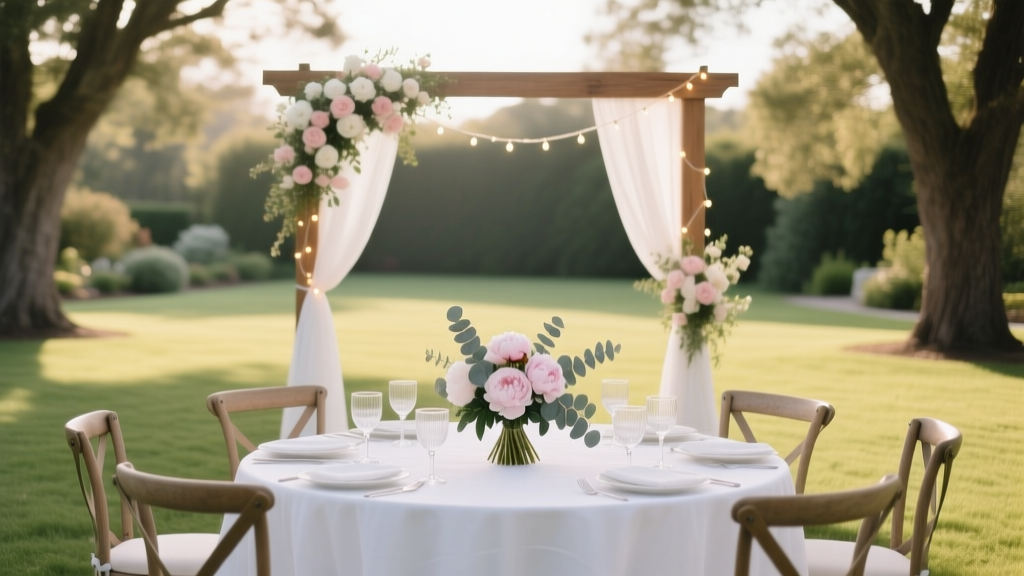
How to Plan a Backyard Wedding That Looks Professional
A backyard wedding sounds simple on paper: the comfort of home, fewer venue rules, and a setting that already feels like “you.” But once you start picturing the ceremony aisle, cocktail hour flow, lighting after sunset, and where everyone will actually park… it can get overwhelming fast.
If you’re worried your backyard wedding might look like a casual BBQ instead of the polished, intentional celebration you’re dreaming about, you’re not alone. The good news? A “professional-looking” backyard wedding isn’t about spending like a ballroom wedding. It’s about smart planning, clean logistics, and a few design choices that make everything feel cohesive.
This guide walks you through how wedding planners approach backyard weddings—from permits and power to layout, rentals, and timeline—so you can host confidently and make it feel elevated, comfortable, and unforgettable.
What Makes a Backyard Wedding Look “Professional”?
Professional doesn’t mean formal. It means:
- Clear guest flow (people know where to go and what to do)
- Consistent design (colors, textures, signage, and décor feel intentional)
- Comfort (restrooms, shade, seating, lighting, weather plans)
- Quality rentals (tables, linens, chairs, lighting—these matter more than most décor)
- Solid timing (vendors can execute, and guests aren’t left waiting)
Step 1: Confirm the Backyard Works (Before You Book Anything)
Before you hire vendors or order décor, make sure the property can support a wedding day.
Backyard wedding site checklist
- Guest count: Does the yard fit your number comfortably (ceremony + reception + dance floor)?
- Ground conditions: Is it mostly level? Any soggy spots, steep slopes, or exposed roots?
- Noise considerations: Are there neighbors close by? Local quiet hours?
- Access: Can vendors reach the setup areas easily? Any narrow gates or steps?
- Parking: Where will guests park without blocking driveways or emergency access?
- Restrooms: Are the home bathrooms enough—or should you rent?
- Power: Can the property handle lighting, DJ/band, catering equipment?
- Weather backup: Can you tent? Is there indoor space if needed?
Real-world scenario
A couple plans 85 guests in a standard suburban backyard. It “fits” until you add a 20x40 tent, 9 dinner tables, buffet, bar, lounge seating, and a dance floor. Suddenly, there’s nowhere for guests to mingle. The fix is simple: reduce guest count to 65, switch to long banquet tables, and create a separate cocktail area in the front yard or driveway.
Step 2: Know the Rules—Permits, Insurance, and Neighbor Plans
One of the biggest differences between a venue wedding and a backyard wedding is that you’re the venue. That means a little admin work upfront saves major stress later.
Permits and regulations to check
- Local noise ordinances and end times
- Alcohol rules (especially if you’re hiring bartenders or serving spirits)
- Tent permits (some cities require inspections for larger tents)
- Parking regulations (street parking, signage, or permits)
- Fire rules for candles, fire pits, sparklers, or fireworks
Insurance: the unglamorous must-have
Look into wedding event insurance (liability). Some vendors require it, and it’s usually affordable compared to what it protects you from.
Neighbor strategy (do this early)
- Give neighbors a heads-up 3–6 weeks before
- Share end time and reassure them about noise control
- Consider a small goodwill gesture (a note, cookies, or a simple thank-you)
Step 3: Build a Realistic Backyard Wedding Budget
Backyard weddings can be budget-friendly, but they aren’t automatically cheap. The cost often shifts from a venue fee to rentals and logistics.
Common backyard wedding budget categories
- Rentals: tent, tables, chairs, linens, dance floor, heaters/fans
- Restrooms: luxury restroom trailer or portable units (plus attendant if needed)
- Power: generator, extra lighting, extension runs, electrician support
- Food and bar: catering, bartenders, ice, bar setup, glassware
- Staffing: setup/cleanup crew, servers, coordinator
- Design: florals, signage, décor, lighting enhancements
Budget reality check
If your guest list is 100+, a backyard wedding can cost close to (or more than) a traditional venue once you add a tent, restrooms, lighting, and staffing. If your guest list is 30–80 and you’re strategic with rentals, it can be a great value.
Pro tip: spend where it shows
- Upgrade chairs (they’re in every photo)
- Invest in lighting (it changes everything after sunset)
- Choose quality linens (wrinkle-prone fabric reads “last minute”)
Step 4: Design the Layout Like a Venue Would
Professional-looking backyard weddings feel easy to navigate. That’s not luck—it’s layout planning.
Create “zones” (this is the secret)
- Welcome zone: signage, guest book, programs, escort cards
- Ceremony zone: aisle, seating, altar backdrop
- Cocktail zone: bar, high-top tables, appetizers
- Reception zone: dining tables, buffet or plated service path
- Dance zone: dance floor, DJ/band, speakers
- Service zone: catering prep area, trash bins, vendor storage
Flow checklist
- Guests arrive and know where to go within 10 seconds (signage helps).
- Ceremony seating is intuitive, with a clear aisle.
- Cocktail hour happens in a different spot than dinner (even if it’s just “across the yard”).
- Bathrooms are visible and well-lit, but not front-and-center.
- Catering has a path that doesn’t cross your ceremony backdrop or photo area.
Real-world example
For a 60-guest wedding, place the ceremony at the far end of the yard with the sun behind guests (better photos), then flip to dinner tables in the center. Cocktail hour happens on the patio with the bar near the kitchen door for easy restocking. Guests naturally move through the space without confusion.
Step 5: Rentals That Instantly Elevate a Backyard Wedding
If you want your backyard wedding to look polished, rentals are your best friend. They create structure, cohesion, and comfort.
Must-consider rentals
- Chairs: matching, comfortable, photo-friendly (avoid a mix of random folding chairs)
- Tables: consistent style and size; confirm linen sizing
- Linens: steamed or wrinkle-resistant; neutral is timeless
- Lighting: café lights, uplighting, lanterns, pathway lighting
- Tent: even if it doesn’t rain, it creates a “room” outdoors
- Dance floor: especially if the ground is grass or uneven
Tent planning tips (so it looks intentional)
- Choose a tent size based on your layout, not just guest count
- Add sidewalls as an option (weather and temperature can change quickly)
- Consider a clear-top tent for a magical evening look
- Plan for weights if staking isn’t possible (pavers, patio, septic lines)
Step 6: Lighting and Sound—The “Professional” Difference Maker
Most backyard weddings look beautiful in daylight. The real test is after sunset.
Lighting plan essentials
- Functional lighting: paths, restrooms, parking, steps
- Ambient lighting: string lights, bistro lighting, lanterns in trees
- Feature lighting: spotlight for speeches, soft lighting for the dance floor
Sound planning
- Use a microphone for vows and speeches (even with 40 guests)
- Place speakers to cover the space evenly (not just “loud near the DJ”)
- Confirm power needs and extension cord runs ahead of time
Common mistake to avoid
Relying on the house’s outdoor outlet for everything. DJs, bands, catering warmers, and lighting can overload circuits. Ask your vendors for their power requirements and consider a generator for a smoother day.
Step 7: Restrooms, Trash, and Comfort Details Guests Remember
These aren’t glamorous, but they’re the difference between “charming” and “chaotic.”
Restroom planning
- For larger guest counts, consider a luxury restroom trailer (well-lit, climate-controlled)
- If guests will use the house bathroom, assign someone to keep it stocked and tidy
- Add baskets with essentials: tissues, mints, hair ties, stain remover wipes
Trash and cleanup
- Rent extra trash and recycling bins (more than you think)
- Hide bins in strategic spots with simple signage
- Plan for late-night cleanup—don’t leave it for family after the send-off
Guest comfort upgrades
- Bug control: citronella (where allowed), fans, professional treatment 24–48 hours before
- Temperature: heaters for fall, fans/shade for summer, blankets in a basket
- Hydration: water station available all night
Step 8: Build a Timeline That Works for a Backyard Wedding
Backyard weddings often require more setup time than a venue wedding. Rentals arrive, tents go up, tables get placed, lighting gets installed, and vendors need access.
Simple planning timeline (high level)
- 9–12 months out: guest list estimate, budget, hire planner/coordinator if using, book key vendors (catering, rentals, photographer)
- 6–8 months out: tent and rental plan, restroom plan, lighting/audio plan
- 3–4 months out: finalize layout, place rental orders, confirm power needs
- 6–8 weeks out: permits/insurance, neighbor communication, parking plan
- 2–4 weeks out: final vendor walkthrough (even virtual), confirm rain plan
- Wedding week: yard prep, pest treatment, final cleaning, deliveries scheduled
Wedding day timing tip
Plan for buffer time. Backyard setups can hit snags: a delivery truck can’t fit, the ground is soft, or the weather shifts. A coordinator (or at least a trusted point person) keeps those issues off your plate.
Common Backyard Wedding Mistakes (and How to Avoid Them)
- Underestimating rentals: Create a full inventory list (tables, chairs, linens, flatware, glassware, bar tools).
- No rain plan: “We’ll figure it out” becomes expensive and stressful. Decide now: tent, indoor backup, or both.
- Not hiring help: Even DIY couples need a day-of coordinator or setup crew so family isn’t working all day.
- Ignoring lighting: Dark paths and dim seating areas feel unsafe and look bad in photos.
- Sound problems: If guests can’t hear vows or speeches, the emotional moments fall flat.
- Forgetting parking: A parking plan is part of guest hospitality—especially for rural or tight neighborhoods.
Wedding Planner Pro Tips for a Polished Backyard Look
- Choose one strong design direction: classic garden, modern minimalist, rustic-elegant, coastal—then stick to it.
- Use a limited color palette: 2–3 main colors plus neutrals looks intentional in photos.
- Prioritize “photo anchors”: ceremony backdrop, sweetheart table, bar front, and a simple lounge area.
- Hide the unpretty stuff: use tent walls, greenery screens, or draping to conceal trash bins, AC units, storage sheds.
- Do a mock walk-through: physically walk the guest path: parking → welcome → ceremony → cocktails → dinner → dancing → restroom.
FAQ: Backyard Wedding Planning
How many guests can I realistically host in a backyard wedding?
It depends on the size and layout of your yard, but many standard backyards feel comfortable around 30–75 guests with thoughtful zoning. Above that, you’ll likely need a tent, tighter table layouts, and more robust restroom and parking plans.
Do I need a tent for a backyard wedding?
Not always, but a tent is the easiest way to create a professional “venue” feel and protect against weather. If you skip the tent, have a clear rain plan (and consider renting umbrellas, a covered patio, or an indoor backup space).
Is a backyard wedding actually cheaper than a venue?
Sometimes. Smaller guest counts often save money. Larger backyard weddings can add up once you factor in rentals, restrooms, power, lighting, staffing, and cleanup. Build a full budget early so there are no surprises.
What’s the biggest thing couples forget when planning a backyard wedding?
Power and lighting. Most homes aren’t set up to run a full event. Ask each vendor what they need, then make a power plan (often with a generator) and a lighting plan that covers paths, restrooms, and gathering areas.
Should I hire a wedding planner for a backyard wedding?
If your budget allows, a day-of coordinator (or month-of) is especially helpful for backyard weddings because you’re managing venue-level logistics. At minimum, assign a reliable point person who isn’t in the wedding party.
How far in advance should I start planning a backyard wedding?
Ideally 9–12 months, especially if you need rentals, a tent, and in-demand vendors. For smaller, simpler celebrations, 4–6 months can work with quick decisions and flexible dates.
Your Next Steps: A Simple Action Plan
If you want your backyard wedding to feel elevated, start here this week:
- Sketch a layout with zones (ceremony, cocktails, dinner, dancing, restrooms).
- Estimate guest count based on comfort, not maximum capacity.
- Get 2–3 rental quotes (tent, tables, chairs, linens, lighting).
- Confirm power and restroom needs with your vendors.
- Create a rain plan you’d be okay using—because you might.
You can absolutely host a backyard wedding that looks professional, feels comfortable, and photographs beautifully. With the right structure and a few strategic upgrades, your home becomes the most meaningful venue you could choose.
Want more practical planning help? Explore more wedding planning guides, checklists, and ideas on weddingsift.com.
More Articles
 How Much Beer Do I Need for My Wedding? (2026)
 Men’s Wedding Band Buyers: Who Pays in 2026
 Wedding Floral Guest List: Who Actually Gets Flowers
 Wedding Planner Realities Clients Test You On
 Wedding Dress Alterations: Stress-Free Guide (2026)
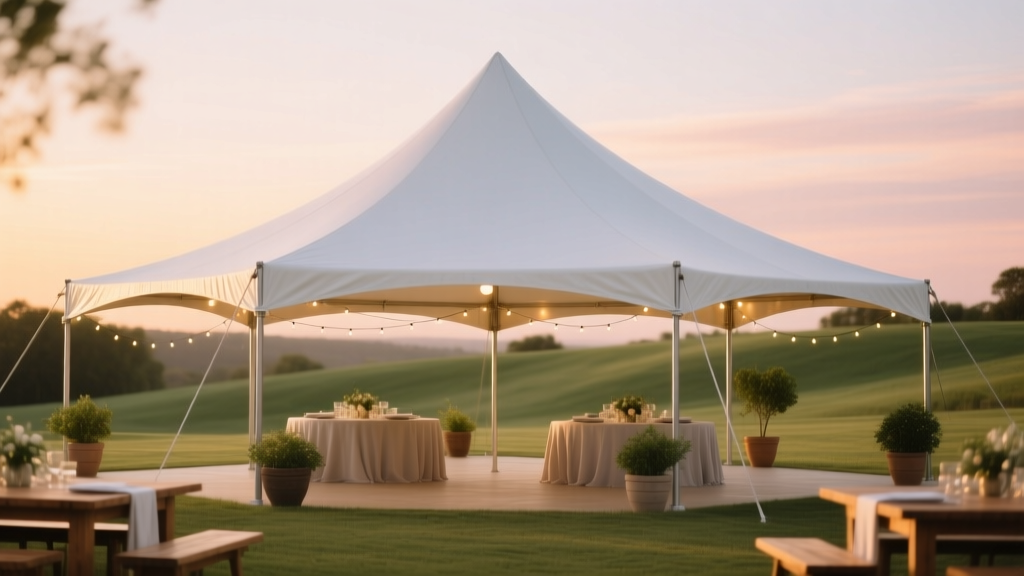 Wedding Tent Cost 2026: $1,200–$25,000+ Breakdown
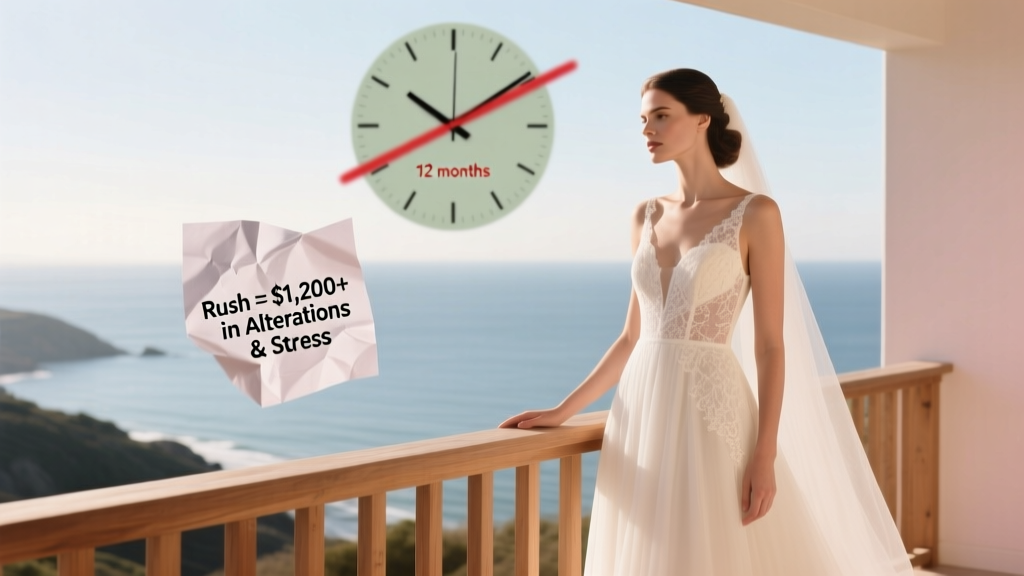 Wedding Dress Timeline: The Real 9-Month Sweet Spot
 Is September a Popular Wedding Month? (2026)
 Wedding Planner Cost: What You Pay & How to Save (2026)
 Wedding Band Budget: Realistic, Stress-Free Priorities