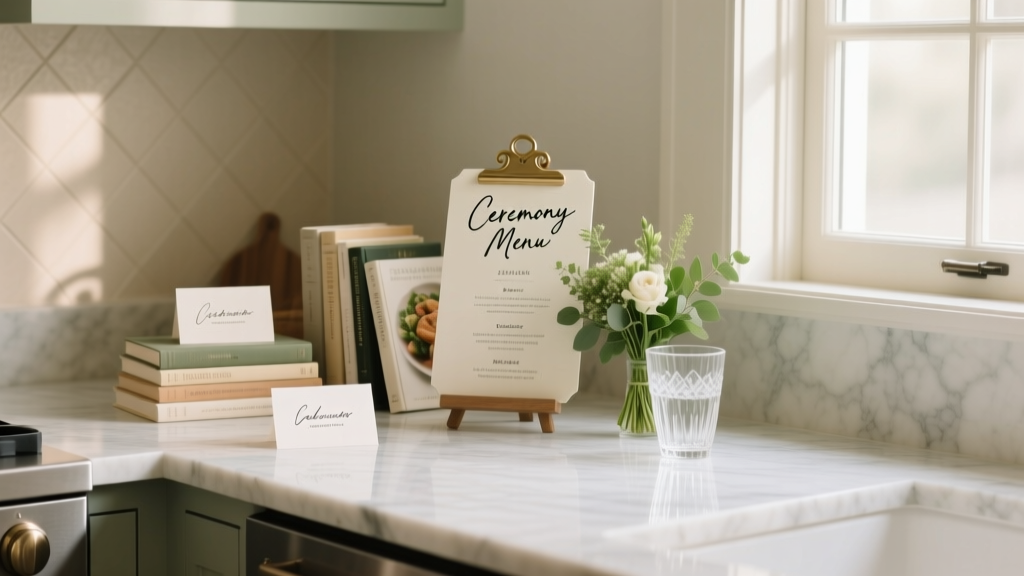
Wedding Planning Vendor Meal Planning Guide
You’re juggling a thousand wedding decisions—menus, seating charts, timelines, budgets—and then someone asks, “What are we feeding the vendor team?” It can feel like one more small detail that’s easy to overlook… until you realize your photographer, DJ, and planner will be working 8–12 hours (or more) to make your day run smoothly.
Vendor meal planning isn’t just a courtesy; it’s a practical part of your wedding logistics. Well-fed vendors are energized, focused, and able to support you without needing to leave the venue hunting for food. And when you plan it intentionally, you can avoid surprise charges, awkward misunderstandings, and unnecessary stress during your reception.
This guide walks you through who needs meals, what to serve, how to budget, and how to communicate with your caterer and vendor team—so you can handle vendor meals confidently, like a seasoned wedding planner friend would.
What Are “Vendor Meals” (and Why They Matter)?
Vendor meals are meals provided to the wedding professionals working your event for extended periods. These are the people who can’t just “take a break whenever”—they’re documenting, coordinating, performing, or managing behind-the-scenes details that keep your day on track.
- They support performance and timing: A fed vendor team is less likely to need unscheduled breaks.
- They reduce risk: Hungry vendors leaving the venue can cause missed moments (think: first dance photos) or timeline delays.
- They prevent day-of friction: Many contracts include meal requirements. Planning ahead avoids uncomfortable conversations.
Which Wedding Vendors Typically Need Meals?
A simple rule of thumb: if a vendor is on-site for 5+ hours or through a standard meal time (lunch/dinner), plan to feed them. Always check contracts first—some vendors specify meal expectations.
Vendors commonly included
- Wedding planner/coordinator and their assistant(s)
- Photographer and second shooter
- Videographer and second videographer/assistant
- DJ or band members (varies by contract and number of musicians)
- Photo booth attendant
- Content creator (if hired for the day)
- Security staff (if provided by you/venue and on duty through dinner)
Vendors who may not need meals (depending on timing)
- Officiant (often only present 1–2 hours; sometimes offered a meal as a courtesy)
- Florist (typically drops off and leaves; stays only if doing on-site flips or teardown)
- Hair and makeup team (often finished before the ceremony; may appreciate breakfast/lunch earlier)
- Transportation drivers (policies vary; often handle their own meals)
Real-world scenario: the “surprise crew”
You hired a photographer and videographer—and assumed that meant two meals. Then you receive the final timeline and learn there’s a second shooter, a video assistant, and your planner has an assistant. That’s 5 meals, not 2. This is why confirming headcount early is one of the best budget-saving moves you can make.
Step-by-Step Vendor Meal Planning Checklist
Use this as your practical planning path from “Who needs meals?” to “Everyone is fed and happy.”
-
Gather vendor meal requirements from contracts.
- Look for clauses like “hot meal required” or “meal break to be provided.”
- Note any dietary restrictions the vendor team mentions.
-
Create a vendor meal headcount list.
- List every vendor role and number of team members expected on-site.
- Confirm if assistants/second shooters are included.
-
Decide on the type of vendor meal.
- Same entrée as guests?
- Vendor meal option (simplified but hot and filling)?
- Buffet access?
-
Coordinate timing with your caterer and planner/coordinator.
- Vendors usually eat when guests are served (often after the couple and head table are served).
- Photographers/videographers should eat when key moments aren’t happening.
-
Confirm seating and meal location.
- Ask your venue where vendor meals are served (vendor room, kitchen area, back patio, etc.).
- Clarify whether vendors will have a table and chairs.
-
Finalize the count by your caterer’s deadline.
- Most caterers require final numbers 1–2 weeks before the wedding.
- Build in a buffer (1–2 extra meals) if your vendor team may expand.
What Should You Serve? Vendor Meal Options That Work
Vendor meals don’t have to match guest meals perfectly, but they should be hot, substantial, and served on time. Think protein + carb + veg—something that fuels an evening of work.
Option 1: Same meal as guests
This is the simplest choice and often the most appreciated. It’s also the easiest for caterers if meals are plated and counted.
- Pros: No special ordering; vendors feel cared for; fewer mistakes.
- Cons: Higher cost per plate.
Option 2: Caterer-provided “vendor meals”
Many caterers offer a vendor meal price that’s lower than a guest plate. It’s usually a simplified entrée (for example, chicken + salad + starch) and may not include appetizers or dessert.
- Pros: Budget-friendly; still a real meal; easy for staff to manage.
- Cons: Must be arranged in advance; not every caterer offers this.
Option 3: Buffet access
If you’re doing a buffet, vendors can be included. Ask whether they will be served after guests or if a plate will be set aside so they don’t miss out.
- Pros: Flexible; vendors can eat quickly.
- Cons: Risk of running out if your buffet count is tight; timing matters.
Option 4: Drop catering or boxed meals (best for tight budgets)
For casual weddings, brunch weddings, or budget-focused celebrations, boxed meals can be a great solution—especially if your venue doesn’t require in-house catering.
- Sandwich/wrap box with salad and cookie
- Grain bowl (with vegan/GF options available)
- Pizza + salad (works best for smaller vendor teams and informal vibes)
Real-world scenario: the timeline-friendly “vendor plate”
You’re doing a plated dinner with two entrée choices. Your videographer mentions they can’t be away during toasts and will eat fast if served early. You coordinate with your caterer to serve vendor meals right after the couple is served, so your media team can eat and be ready before speeches start. Small change—huge payoff.
When Should Vendors Eat? Timing Tips That Prevent Missed Moments
The goal: vendors eat when it won’t impact coverage or service. Your planner/coordinator can help, but here are common best practices.
- During guest dinner service is most common—after the couple receives their food.
- Avoid feeding key vendors during:
- Grand entrance
- First dance/parent dances
- Toasts and speeches
- Cake cutting
- Any surprise moments you’ve planned
- For long days: Consider providing lunch or snacks earlier, especially for hair/makeup, photo/video, and planning teams starting in the morning.
Pro tip: Put vendor meals in your wedding day timeline
Even a simple note like “Vendor meals served at 6:15 PM” helps your coordinator and catering captain keep things organized and prevents a rushed, last-minute scramble.
Where Do Vendors Eat? Seating Etiquette and Venue Logistics
Vendor meals are typically served in a separate area (vendor room, staff area, or a quiet corner). This is normal and often preferred—vendors can eat quickly and reset before returning to work.
What matters most is that vendors have:
- A seat (not “standing in the kitchen” unless they prefer it and the venue allows)
- Access to water/soft drinks
- A meal served within a reasonable timeframe
Common setup options
- Vendor table in the reception room: Works well when no vendor room exists. Place it near the back/side so vendors can step out quickly.
- Dedicated vendor room: Ideal for larger teams and longer weddings.
- Staff area/kitchen adjacent: Fine if permitted by venue and comfortable for vendors.
Budgeting for Vendor Meals (Without Blowing Your Catering Costs)
Vendor meals are a real line item—especially with photo/video teams and bands. The good news: with a little strategy, you can keep it predictable.
How many vendor meals should you plan for?
Most weddings land between 4 and 12 vendor meals, depending on complexity. Here’s a quick example:
- Planner + assistant: 2
- Photographer + second shooter: 2
- Videographer + assistant: 2
- DJ: 1
- Photo booth attendant: 1
- Total: 8 meals
Typical cost range
- Guest plated dinner: Often the highest cost (varies widely by region and menu)
- Vendor meal rate: Often discounted by caterers (ask!)
- Boxed/drop catering: Usually the lowest cost, if allowed
Budget-saving strategies that still feel generous
- Ask your caterer if they offer a vendor meal price.
- Offer the same entrée but skip add-ons for vendor plates (like late-night snacks or dessert), if your caterer structures pricing that way.
- If your venue allows, provide snacks + a simple hot meal for vendors instead of full guest experience courses.
- Confirm exact vendor headcount early to avoid last-minute meal additions at premium rates.
How to Communicate Vendor Meals (Templates and Talking Points)
Clear communication is what separates a smooth wedding day from a stressful one. Share vendor meal plans with both your caterer and your vendors.
Questions to ask your caterer
- Do you offer a discounted vendor meal option?
- Will vendor meals be served plated or buffet?
- When will vendor meals be served?
- Where will vendor meals be served?
- Can you accommodate dietary restrictions for vendor meals?
Message to send vendors (simple and professional)
You can copy/paste and personalize this:
“Hi [Vendor Name]! Quick logistics question—how many team members will be on-site for our wedding on [Date], and do any of you have dietary restrictions? We’re finalizing vendor meals with our caterer and want to make sure everyone is taken care of. Thank you!”
Common Vendor Meal Mistakes (and How to Avoid Them)
-
Mistake: Assuming “they’ll figure it out.”
Fix: Put vendor meals in your catering count and timeline. -
Mistake: Forgetting about assistants and second shooters.
Fix: Confirm each vendor’s on-site headcount 30–45 days out, then reconfirm 1–2 weeks before final numbers are due. -
Mistake: Serving vendor meals too late.
Fix: Ask your caterer to serve vendor meals right after you’re served, or at a planned window that doesn’t overlap with toasts. -
Mistake: Not accommodating dietary needs.
Fix: Collect dietary restrictions early and share them with your caterer in writing. -
Mistake: Underestimating the band’s needs.
Fix: Bands can be 4–10+ people. Confirm exact numbers and meal expectations in the contract.
Wedding Planner Pro Tips for Stress-Free Vendor Meals
- Order 1–2 extra vendor meals if your budget allows, especially for larger teams or if you anticipate a last-minute assistant.
- Provide water and simple snacks in a vendor area (granola bars, fruit, trail mix). This is especially helpful on hot days or long timelines.
- Loop in your coordinator so they can troubleshoot meal timing and ensure vendors actually get served.
- Label vendor meals clearly if there are dietary restrictions (e.g., “Vendor Vegan,” “Vendor GF”).
- Don’t forget breakfast/lunch for getting-ready locations if your coverage starts early. Even a tray of sandwiches can make a huge difference.
Vendor Meal Planning Timeline
- 2–3 months out: Review contracts for meal clauses; estimate vendor count.
- 6–8 weeks out: Ask vendors to confirm team size and dietary restrictions.
- 3–4 weeks out: Confirm vendor meal plan with caterer; decide where vendors will eat.
- 1–2 weeks out: Submit final vendor meal count with your final guest count.
- Wedding week: Reconfirm vendor meal timing with coordinator/caterer; ensure dietary notes are documented.
FAQ: Vendor Meals for Weddings
Do I have to feed my wedding vendors?
Often, yes—especially if your contract requires it or they’ll be on-site through dinner. Even when it’s not required, providing vendor meals is a best practice for a smooth wedding day.
Is a vendor meal the same as a guest meal?
Not necessarily. Some couples provide the same meal as guests; others choose a simpler vendor meal option through the caterer. The key is that it’s a real, filling meal served on time.
How many vendor meals should I plan for?
Start by listing every vendor and the number of team members attending (including assistants). Most weddings need 4–12 vendor meals, but larger weddings—especially with bands—can require more.
When should the photographer and videographer eat?
Typically during dinner service, after the couple is served, and not during toasts or key reception moments. If speeches start right after dinner, ask your caterer to serve the media team early so they don’t miss coverage.
Where do vendors sit during dinner?
Many venues provide a vendor room or staff area. If not, a discreet vendor table in the reception space works well. Vendors usually don’t need to sit with guests, but they should have a seat and a comfortable place to eat.
Can I provide outside food for vendor meals?
Sometimes. It depends on your venue and caterer rules. Always ask first—some venues require all food to be provided in-house or have restrictions due to insurance and food safety.
Your Next Steps: Make Vendor Meals Easy and Done
If you want to handle vendor meals with confidence, do these three things this week:
- Check contracts for vendor meal requirements and timing expectations.
- Confirm headcount with each vendor (including assistants) and ask about dietary restrictions.
- Talk to your caterer about vendor meal pricing, timing, and where meals will be served.
You’re not “overthinking” this detail—vendor meal planning is one of those behind-the-scenes choices that makes your wedding day feel calm, professional, and cared for. Your vendor team will notice, and you’ll feel the difference when everything runs smoothly.
Want more practical, real-life wedding planning help? Explore more planning guides, checklists, and budgeting tips on weddingsift.com.
More Articles
 Can Parents Be Wedding Witnesses? Legal Facts (2026)
 How Many Rooms to Block for a Wedding (2026)
 White Suit to Wedding: 7 Unwritten Rules (2026)
 Beach Wedding Outfits for Women (2026)
 Wedding Glassware Count: 50–300 Guests (2026)
 What Does a Day-Of Wedding Coordinator Actually Do?
 Wedding Planning Without Experience or Degree (2026)
 How to Preserve My Wedding Bouquet (2026)
 Las Vegas Wedding Planning: Stress-Free Roadmap (2026)
 DIY Wedding Bands: A Realistic 2026 Guide