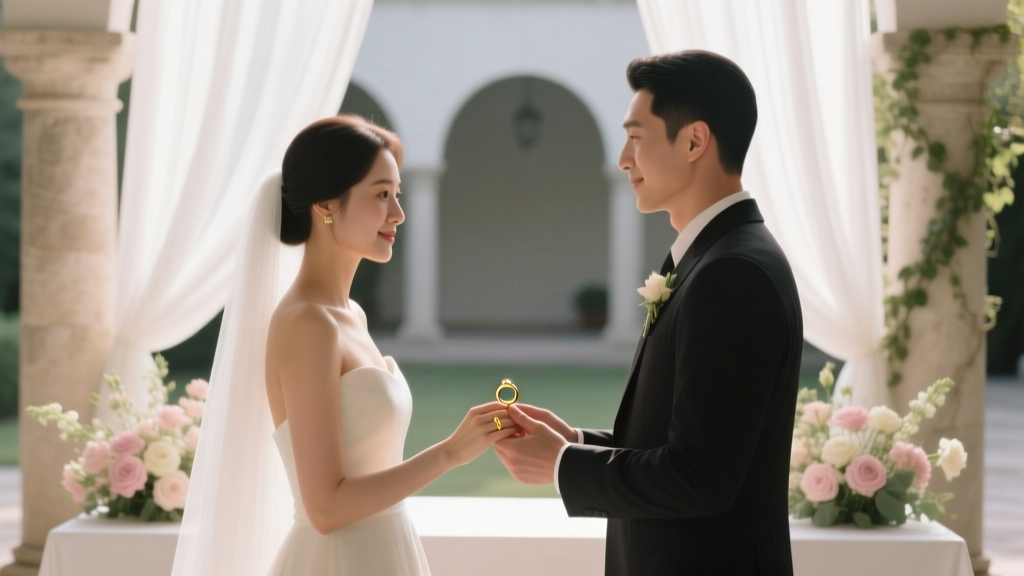
Wedding Planning How to Manage the Ring Exchange Moment
Few parts of a wedding ceremony feel as quietly powerful as the ring exchange. It’s the moment your hands shake a little, your guests lean in, and everything you’ve planned becomes real in a single gesture. And because it’s both symbolic and physical (tiny rings, nervous fingers, a packed timeline), it’s also one of the moments most likely to feel stressful if you haven’t walked through it ahead of time.
If you’re worried about fumbling the rings, forgetting the words, or having the photographer miss the shot—take a breath. The ring exchange doesn’t have to be perfect to be meaningful. With a little planning and a few practical choices, it can be smooth, calm, and genuinely you.
This guide breaks down exactly how to manage the ring exchange moment: who holds the rings, when the rings come out, what you say, how to stand, how to keep it on schedule, and how to avoid common ceremony hiccups—plus real-world scenarios couples run into all the time.
Why the Ring Exchange Deserves Its Own Mini Plan
During wedding planning, couples often focus on the big-ticket items—venue, catering, music—then assume the ceremony will “just happen.” The ring exchange is one of those deceptively small moments that benefits from a simple plan because:
- It’s a high-visibility moment. Guests are watching closely, and your photographer/videographer is aiming for close-ups.
- It’s easy to disrupt. Rings can be misplaced, stuck, or delayed if the wrong person has them.
- It affects the ceremony timeline. A 10-second pause can feel like a full minute when you’re standing at the altar.
- It’s emotionally loaded. Happy tears and nerves are normal—planning reduces pressure.
Decide Your Ring Exchange Style
Before you get into logistics, choose what kind of ring exchange feels right for you. There’s no one “correct” approach; it depends on your ceremony style, faith/culture, and comfort level speaking in front of people.
Option A: Traditional Officiant-Led Exchange
Your officiant cues the ring exchange and speaks the lines; you repeat after them or simply place the ring.
Best for: Couples who want structure, minimal speaking, and smooth pacing.
Option B: Personalized Vows + Rings
You read personal vows, then transition into ring exchange words (either repeat-after-me or your own short lines).
Best for: Couples who want a deeply personal ceremony and don’t mind a little extra rehearsal.
Option C: Silent or Minimal Words
You exchange rings without repeating lines—your officiant narrates, or you keep it quiet and simple.
Best for: Shy couples, couples with language barriers, or very intimate ceremonies.
Option D: Cultural or Religious Ring Rituals
Some ceremonies include blessings, placing rings on specific hands, circling a certain number of times, or including family members.
Best for: Couples honoring tradition and wanting guidance from a faith/cultural leader.
Who Holds the Rings? Make One Clear Assignment
This is the #1 way to prevent ring chaos: choose one person (or one designated pocket) responsible for the rings until the exact moment they’re needed.
Common Ring Holders
- Best person / maid of honor: Reliable and close by, especially for adult wedding parties.
- Officiant: Great for small ceremonies or when you want zero handoffs at the altar.
- Ring bearer: Sweet and photogenic, but requires a backup plan (more on that below).
- Planner or coordinator: Ideal for timeline-driven ceremonies and complex logistics.
- You (one partner): Works well for elopements or micro-weddings—just plan where they’ll go.
Pro Tip: The “Decoy Ring” Strategy for Ring Bearers
If you have a young ring bearer, consider using a ring box with a fake ring or empty box for the walk down the aisle. Keep the real rings with the best person/maid of honor or coordinator.
Real-world scenario: A toddler ring bearer decides the ring box is a toy and won’t let go. If the real rings are elsewhere, it’s still adorable—not disastrous.
Where Should the Rings Physically Go? (Pockets, Boxes, and Backups)
Rings are tiny, slippery, and expensive. Plan the “ring journey” from getting ready through the ceremony and back to your belongings afterward.
Safe Ring Storage Ideas
- In the original ring box (easy to grip, less likely to drop)
- In a dedicated ring box (looks great in photos—choose one that opens easily)
- In a secure pocket (only if the pocket closes and the person won’t be hugging everyone)
- In a small zip pouch inside a clutch or suit inner pocket
What to Avoid
- Loose in a pocket (especially shallow pockets)
- Handing them around “so everyone can see” before the ceremony
- Leaving them on a getting-ready sink or tray where they can slip or be forgotten
Plan the Ring Exchange Timing Inside Your Ceremony
Even if your ceremony is simple, a quick timeline note will keep everything flowing naturally.
Typical Ring Exchange Placement
- Processional
- Welcome/opening remarks
- Reading(s) or message
- Declaration of intent (“I do”)
- Ring exchange
- Pronouncement
- Kiss
- Recessional
Budget-Friendly Tip: Add a 60-Second “Pause Buffer”
You don’t need extra paid time to build calm into your ceremony. Ask your officiant to pause for one full breath before cueing the rings. That tiny buffer helps with nerves and gives your photographer a clean moment to reposition for close-ups.
Step-by-Step: How to Rehearse the Ring Exchange (So It Feels Natural)
You don’t need to “act” it out like a performance. You just want your body to know where to stand, what to do with your hands, and what happens if something goes off-script.
Ring Exchange Rehearsal Checklist
- Confirm the ring holder and where they’ll stand.
- Practice the handoff: ring holder to officiant (or directly to you).
- Decide which hand: confirm which hand each partner will place the ring on (especially for cultural or religious traditions).
- Practice the motion: take the ring out, hold it securely, slide it on slowly.
- Decide on wording: repeat-after-me lines, a short phrase, or silent exchange.
- Plan a “stuck ring” response: slow down, smile, and adjust—no tugging frantically.
- Practice where your bouquet goes (if applicable) so hands are free.
Quick Body-Positioning Tips That Make a Big Difference
- Turn slightly toward each other, not fully away from guests—this keeps faces visible in photos.
- Hold hands a little higher than feels normal (upper waist/chest height) so the photographer can capture the ring placement.
- Slow the movement down by 30%. What feels slow to you reads as graceful on camera.
What to Say During the Ring Exchange (Scripts You Can Use)
Your officiant may provide wording, but it helps to choose your preference in advance. Here are a few options that work well in modern wedding ceremonies.
Repeat-After-Me (Classic and Easy)
Officiant: “Place this ring on [Name]’s finger and repeat after me.”
Partner: “I give you this ring as a symbol of my love and commitment.”
Short and Modern
“With this ring, I choose you—today and always.”
More Traditional
“With this ring, I thee wed.”
Personal but Still Simple
“I give you this ring as a reminder that you are my best friend, my home, and my forever.”
Real-World Scenario: When One Partner Gets Emotional
If you think you might cry (very normal), choose a shorter script. You can also ask the officiant to say the line and have you respond with “I do” before placing the ring. It keeps the moment moving while still feeling heartfelt.
Common Ring Exchange Challenges (and How to Handle Them Calmly)
The Ring Won’t Go On
- Plan for it: fingers swell with heat, nerves, and hydration changes.
- What to do: pause, smile, gently twist, and slide it as far as comfortable.
- What not to do: force it fast—rushing increases pressure and awkwardness.
Pro tip: If you’re worried, have your rings checked and resized 4–6 weeks before the wedding. Avoid last-minute resizing unless necessary.
The Rings Are in the Wrong Place
- Prevention: assign one ring holder and confirm with them that morning.
- Backup plan: your coordinator or officiant should know who has them and where they are.
The Ring Bearer Freezes (or Runs Off)
- Prevention: treat the ring bearer as the “cute entrance,” not the secure ring transport.
- Backup plan: keep real rings with an adult and let the child carry a decoy box.
A Microphone Picks Up Every Whisper
- Prevention: ask the officiant if you’ll have a mic and where it will be positioned.
- Tip: speak slightly slower and a bit louder than normal during repeat-after-me lines.
Wedding Planner Pro Tips for a Smooth, Photogenic Ring Exchange
- Tell your photographer when rings happen. They’ll plan lens changes and positioning for close-ups.
- Use a ring box that opens easily. Pretty is great, but not if it’s difficult under pressure.
- Keep hands steady by exhaling first. One slow breath before you take the ring makes a visible difference.
- Practice with a similar-sized object. Even a cheap ring or band can help you rehearse the motion.
- If you’re wearing gloves, plan removal. Decide whether gloves come off before the ceremony or right before the ring exchange.
- Assign bouquet duty. If one partner holds flowers, decide who takes them (often the maid of honor) right before rings.
Budget Considerations: Where to Spend (and Where You Don’t Need To)
The ring exchange can feel like it requires extra purchases, but it doesn’t have to. Here’s how to think about spending for this moment during wedding planning.
Worth Considering
- Ring insurance: especially if you travel for the wedding or wear the rings before the big day.
- Comfort fit resizing: a better fit reduces “stuck ring” moments and improves everyday wear.
- Quality ring box: optional, but helpful if the original box is bulky or hard to open.
Easy Ways to Save
- Skip elaborate ring pillows (many don’t photograph as well as you’d hope)
- Use the original ring box and focus on good photography angles
- Borrow a ring box from a friend who recently got married
Day-Of Timeline Advice: When to Hand Off the Rings
This small timing detail prevents last-minute scrambling.
Suggested Ring Timeline
- Getting ready: rings go to the designated ring holder as soon as they’re photographed (if you’re doing detail photos).
- 30–60 minutes before ceremony: ring holder confirms rings are on them and secured.
- At lineup: ring holder stands in their assigned spot and knows exactly when the officiant will ask for the rings.
- After ceremony: rings are on your hands—your ring box goes back to a secure personal item (planner bag, locked suite, or trusted family member’s bag).
Common Mistakes to Avoid
- Assuming the rings will “show up” without assigning responsibility
- Choosing complicated wording that’s hard to repeat under emotion
- Rushing the ring placement (it looks frantic and is easier to fumble)
- Not planning what happens to the bouquet right before the ring exchange
- Forgetting to tell vendors (photo/video) when the ring exchange happens in the ceremony flow
FAQ: Ring Exchange Planning Questions Couples Ask All the Time
Who should hold the wedding rings during the ceremony?
Most couples choose the best person or maid of honor, or the officiant. If you have a ring bearer, consider having them carry a decoy ring box while an adult holds the real rings.
What if we forget our rings on the wedding day?
It happens. If you can retrieve them quickly, your officiant can insert a short reading or moment of laughter while someone runs for them. If not, you can still complete the ceremony and exchange rings privately afterward (many couples do this and guests rarely mind).
How do we make the ring exchange look good in photos?
Hold hands a little higher than feels natural, turn slightly toward each other, and move slowly. Also let your photographer know the exact point in the ceremony so they can be in position for close-ups.
What if the ring doesn’t fit on the wedding day?
Don’t force it. Slide it on as far as comfortable, smile, and keep going. Fingers can swell due to heat and nerves. You can have the ring resized after the wedding if needed.
Do we need to memorize ring exchange lines?
No. Repeat-after-me lines are the easiest option, and your officiant can guide you. If you’re writing your own words, keep them short and practice once or twice so you feel comfortable.
Can we exchange rings before the ceremony?
Yes—some couples do a private ring exchange during a first look or an intimate moment. If you do this, decide whether you’ll still do a symbolic ring moment during the ceremony (for guests and photos) or simply mention it in the officiant’s wording.
Your Next Steps: A Simple Ring Exchange Plan You Can Finalize This Week
- Choose your ring holder and tell them clearly (in writing is even better).
- Pick your wording (officiant-led, repeat-after-me, or personal short lines).
- Rehearse the handoff at your ceremony rehearsal or at home with a stand-in object.
- Tell your photo/video team when rings happen so they’re ready.
- Add a tiny pause before ring placement—breathe, then move slowly.
If your ring exchange ends up with a little laughter, a happy tear, or a gentle “wait—wrong hand!” moment, you’re not doing it wrong. You’re getting married. Plan the basics, trust your team, and let the meaning carry the moment.
For more ceremony planning tips, timelines, and wedding day checklists, explore our other planning guides on weddingsift.com.
More Articles
 Wedding Card Checklist: 7-Second Sign-Off (2026)
 Respectable Wedding Planning: Debt-Free, Values-First
 Decline Wedding Invitation: Etiquette-Backed Tips (2026)
 Wedding Suit Rentals: Real 2026 Costs & Hidden Fees
 String Quartet Wedding Cost (2026)
 Wedding Photographer Cost in Ireland (2026)
 Wedding Venue Rental Costs: What Really Adds $3,200+ (2026)
 Is 150 a Big Wedding? Size vs. Budget & Venue (2026)
 Wedding Dress Underwear: What Brides Really Need to Know
 Calla Lilies for Weddings: Real Cost & Smart Swaps (2026)