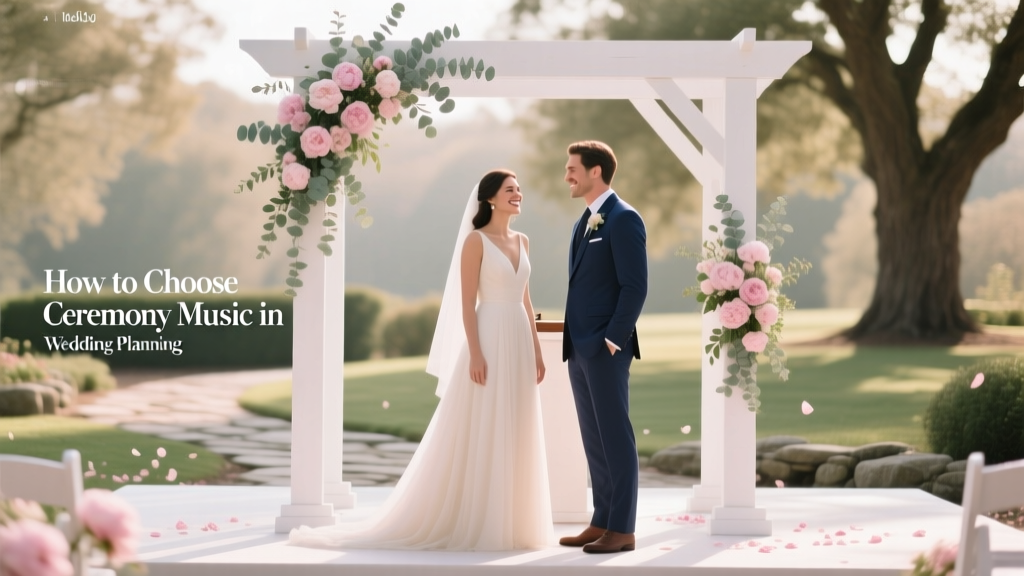
Wedding Planning How to Choose Ceremony Music
You can spend months choosing flowers, invitations, and the perfect menu—then suddenly realize your ceremony music is still a blank spot on the timeline. If that’s you, you’re not behind. Ceremony music feels personal in a way that’s hard to “check off,” because it’s tied to emotion: the moment guests take their seats, the first look down the aisle, the vows, the walk back as a married couple.
The good news is you don’t need to be a music expert to choose meaningful ceremony songs. You just need a clear plan, a few smart decisions about vibe and logistics, and a way to narrow down your options so you don’t get overwhelmed. Consider this your wedding-planner-friend guide to choosing ceremony music that feels like you—without last-minute stress.
Below you’ll find a practical step-by-step approach, real scenarios, budget and timeline tips, and the most common mistakes couples make (plus how to avoid them).
Start with the Big Picture: What Do You Want Your Ceremony to Feel Like?
Before you pick specific songs, decide on the mood. This prevents the classic “We love all of these songs but they don’t go together” problem.
Pick 3 words for your ceremony vibe
- Classic & timeless (strings, piano, traditional processional)
- Romantic & cinematic (orchestral covers, sweeping instrumentals)
- Joyful & upbeat (acoustic pop, light jazz, gospel energy)
- Modern & minimal (piano covers, indie instrumentals)
- Faith-based & reverent (hymns, worship songs, sacred classics)
- Cultural & family-centered (traditional songs, multilingual selections)
Real-world scenario
If your venue is a cathedral, a dramatic string quartet can feel perfect—while a whimsical acoustic pop cover may feel out of place. If you’re getting married in a backyard, a solo guitarist playing warm, familiar melodies can feel more intimate than a formal organ track.
Understand the Key Ceremony Music Moments (and What You Actually Need)
Most ceremonies follow a similar flow. When you know the “music moments,” it’s easier to select songs that fit naturally and build emotion.
Typical ceremony music checklist
- Pre-ceremony / seating music: As guests arrive and take their seats (15–30 minutes)
- Processional music: Entrance of wedding party and the couple
- Special moments (optional): Unity ceremony, candle lighting, cultural rituals, readings
- Signing of the license (optional): Common in some ceremonies; music covers this time
- Recessional music: The celebratory walk back up the aisle
- Post-ceremony / exit music: Guest departure or transition to cocktail hour
Processional breakdown (most common)
- Song A: Wedding party entrance (parents, attendants)
- Song B: Couple’s entrance (often a different song or a “big moment” change)
If you want a smooth, cohesive feel, choose pieces from the same genre (all strings, all piano, all acoustic). If you want a strong emotional lift, choose one consistent processional piece for the wedding party, then switch to a more impactful song for your entrance.
Step-by-Step: How to Choose Ceremony Music Without Overthinking
Step 1: Confirm your ceremony rules (and any restrictions)
Before you fall in love with a song, check the requirements for your ceremony site and officiant.
- Religious venues: Some require sacred music only or pre-approved selections
- Outdoor venues: Sound amplification rules, generator needs, volume limits
- Officiant preferences: Timing cues, microphone use, and whether music can play under vows
Step 2: Decide live musicians vs. DJ vs. playlist
This choice impacts your budget, sound quality, and stress level.
- Live musicians: Beautiful and elevated; ideal for ceremony-only ambience
- DJ: Convenient, strong sound setup, smooth transitions; great if your DJ is already providing reception sound
- Playlist: Budget-friendly, but requires a reliable setup and a designated “music captain”
Step 3: Choose your must-have moments
If you’re feeling stuck, start with the “big three” and build from there:
- Your entrance processional song
- A meaningful mid-ceremony moment song (optional)
- Your recessional song
Step 4: Pick music length and pacing that matches reality
Music isn’t just about the song—it’s about timing. Processionals often require 2–4 minutes; seating music might need 20+ minutes.
- For live musicians: They can loop sections and adjust in real-time
- For DJ/playlist: Consider edited tracks or seamless loops for processional timing
Step 5: Make it personal—but still guest-friendly
Choosing ceremony music that reflects your relationship is the goal. The balance is selecting songs that feel meaningful to you and also fit the setting.
- Pick at least one song with a direct connection (first trip, shared artist, meaningful lyrics)
- Avoid tracks with jarring intros or explicit lyrics for the ceremony environment
- Consider instrumental versions of your favorite songs for a romantic, ceremony-appropriate feel
Song Style Ideas for Each Ceremony Moment
Pre-ceremony / seating music
Think welcoming, calm, and consistent. Guests are chatting, settling in, and noticing details. Great options include:
- Soft piano arrangements
- String quartet classics
- Acoustic guitar covers
- Light jazz (especially for garden or art-gallery venues)
Processional
Choose something that creates anticipation without overpowering the moment.
- Classic: Canon in D (or a modern instrumental alternative), Clair de Lune
- Modern: Piano/string covers of pop songs that mean something to you
- Cultural: Traditional songs that honor your families (with your officiant’s approval)
Mid-ceremony (unity candle, sand ceremony, handfasting, etc.)
This is a great place for an instrumental or a short live vocal if it fits your vibe. Keep it simple—this moment is often 1–3 minutes.
Recessional
This should feel like a celebration. A common mistake is choosing a recessional that’s too slow—this is your “We did it!” moment.
- Upbeat strings or brass
- Joyful pop instrumental
- A classic love song with energy
Budget Considerations: What Ceremony Music Typically Costs
Ceremony music can be as budget-friendly or as luxe as you want. The key is to allocate for sound reliability and smooth timing.
- Playlist + speaker rental: Often the lowest cost, but plan for setup and a responsible operator
- DJ for ceremony + reception: Many couples bundle services for better value and consistent sound
- Live musician(s): Costs vary based on number of musicians, travel, and rehearsal time
Smart ways to save (without sacrificing the moment)
- Hire one live musician (guitarist or pianist) for ceremony and cocktail hour
- Use live music for the ceremony, then transition to DJ for reception
- Choose ceremony music that requires minimal custom arranging (musicians often charge extra for special requests)
Timeline Advice: When to Decide Ceremony Music
Music decisions are easier when they’re not rushed. Here’s a realistic planning timeline many wedding planners recommend:
- 6–9 months out: Decide live vs. DJ vs. playlist; book musicians if using live music
- 3–4 months out: Draft ceremony music list (moment-by-moment)
- 6–8 weeks out: Finalize songs, versions, and order; confirm any venue/officiant approvals
- 2–4 weeks out: Share final cue list with officiant, planner/coordinator, DJ/musicians
- Week of: Confirm arrival time, soundcheck, and the exact start point of each track
Real-World Ceremony Music Plans (Couples You’ll Recognize)
The “We Love Pop Music, But Want It to Feel Elegant” couple
- Seating: Instrumental piano covers of favorite artists
- Wedding party processional: String quartet modern ballad cover
- Couple’s entrance: Piano version of “your song” (recognizable but soft)
- Recessional: Upbeat string cover that feels joyful, not clubby
The “Blended Families and Multiple Cultures” couple
- Seating: Gentle mix of cultural instrumentals (kept cohesive with similar tempos)
- Processional: One cultural traditional song for parents, then a classic instrumental for the main entrance
- Mid-ceremony: Short live performance in a second language (if meaningful and approved)
- Recessional: Universally celebratory track everyone recognizes
The “Outdoor Ceremony With Wind and No Power” couple
- Solution: Solo acoustic musician (no power needed) or battery-powered speaker with downloaded tracks
- Tip: Avoid relying on streaming; download everything to a device in airplane mode
Common Mistakes to Avoid (and What to Do Instead)
- Mistake: Choosing songs without checking venue rules.
Do instead: Confirm guidelines first—especially for church ceremonies. - Mistake: Picking a slow recessional that kills the energy.
Do instead: Choose something bright and celebratory for the walk back up the aisle. - Mistake: Relying on Spotify/streaming at the venue.
Do instead: Download tracks, bring backups, and assign one responsible person to run music. - Mistake: No clear cues for when songs start/stop.
Do instead: Create a cue sheet with exact track names, timestamps, and who gives the signal. - Mistake: Ignoring the sound setup until rehearsal.
Do instead: Plan for microphones, speaker placement, and wind/noise early.
Wedding Planner Pro Tips for Flawless Ceremony Music
- Use instrumentals when lyrics feel too “on the nose.” A song can still be meaningful without words competing with the moment.
- Choose one “anchor” sound. For example: all piano, or all strings, then allow one standout track for the recessional.
- Have a backup plan. Bring an extra cable, a second device with the playlist, and printed cue sheets.
- Tell your photographer the big musical moments. If your entrance song has a beat drop or key change, they can anticipate the best shots.
- Keep guest experience in mind. If your ceremony runs longer, have enough prelude music so silence doesn’t creep in.
Ceremony Music Cue Sheet (Copy-and-Paste Template)
- Prelude / Seating: __________________ (start time: ____ / end time: ____)
- Processional (parents/wedding party): __________________ (start on cue from: ____)
- Processional (couple): __________________ (start on cue from: ____)
- Mid-ceremony (unity/ritual): __________________ (optional)
- Signing (if applicable): __________________ (optional)
- Recessional: __________________ (start immediately after: ____)
- Postlude / Exit: __________________ (optional)
- Music operator (name/phone): __________________
FAQ: Wedding Ceremony Music Questions Couples Ask All the Time
How many songs do we need for the ceremony?
Most couples need 3–6 selections: prelude (or a set), processional(s), optional mid-ceremony song, and recessional. If you’re using a playlist for seating, plan at least 15–30 minutes of music.
Should we use the same song for the whole processional?
You can, and it often sounds seamless. Many couples prefer one song for the wedding party and a second for the couple’s entrance to create a clear “main moment.” Either approach works—choose what feels right for your pacing.
Is live ceremony music worth the budget?
If your budget allows, live music adds emotion and flexibility (musicians can extend or adjust to timing). If it stretches you too far, a DJ or well-run playlist can still sound beautiful—just prioritize reliable sound and clear cues.
Can we use a song with lyrics during the processional?
Yes, especially for non-religious or outdoor ceremonies. Keep the lyrics appropriate for the setting and consider how the vocalist’s entrance timing aligns with walking speed. Instrumental versions are a popular compromise if you want the melody without prominent words.
What’s the biggest ceremony music “emergency” you see?
Streaming failures and missing adapters are the big ones. Download your tracks, test the setup, bring backup cables, and assign a calm, responsible person to run the music (not a guest who’ll be pulled into photos or seating).
When should we share our music choices with vendors?
Share your final ceremony music list 2–4 weeks before the wedding with your officiant, coordinator/planner, and DJ or musicians. That gives everyone time to confirm cues and timing.
Your Next Steps: Make It Simple and Make It Yours
If you do three things this week, let them be these:
- Decide live vs. DJ vs. playlist and confirm any venue rules.
- Choose your processional and recessional songs first.
- Create a one-page cue sheet and assign who will run the music.
Your ceremony music doesn’t have to impress anyone—it just needs to support the moments you’ll remember for the rest of your life. Trust your taste, keep the logistics solid, and you’ll have a ceremony that feels unmistakably like you.
Want more planning support? Explore more wedding planning guides and checklists on weddingsift.com to keep your timeline calm and your choices confident.
More Articles
 Refreeze Wedding Cake? Safety, Texture & When It’s Smart
 Wedding Venue Booking Timeline: When to Book in 2026
 How to Plan a Wedding With a Lawn Game Area
 Personal Loan for Wedding: Approval, Fees & Credit Tips
 Glow Sticks for Wedding: Exact Count (2026)
 Floral Wedding Bouquet: 7 Steps to Save $320+ (2026)
 Budget-Friendly Wedding Ideas: 7 Real Strategies (2026)
 Courthouse Wedding Guest Limits: County Rules (2026)
 Wedding Invitation Content Guide (2026)
 Wedding Photographer Tip: 5 Scenarios & Dollar Ranges (2026)