Wedding Leads Without Ads or Reels (2026)
How to get more wedding leads—without ads, cold calls, or Instagram reels
Marisol booked 38 weddings in 47 months. Not one came from a boosted post. Zero from a DM pitch. She didn’t run a single Google Ads campaign—not even once. Her website has no pop-up newsletter sign-up. Her Instagram grid hasn’t featured a reel since 2022. And yet, her calendar fills 9–12 months out, clients refer her by name (“Just get Marisol, she *gets* quiet weddings”), and she turns down 68% of inquiries—not because she’s oversubscribed, but because she only takes couples who align with her values, pace, and aesthetic.
Here’s the thing: Marisol isn’t lucky. She’s intentional. Same with Lena, the floral designer who built a six-figure business serving rural Ohio and southern Indiana—no metro proximity, no influencer collabs—just hand-delivered seasonal arrangements, a monthly email to 227 people (most found her through word-of-mouth at local farmers’ markets), and a 100% referral-based booking system. And Ben, the sound engineer who books every wedding within 15 miles of Asheville by being the person couples *ask for*—not the one they scroll past. He doesn’t have a website. Just a shared Google Doc with testimonials, pricing, and a “next available date” line that updates automatically.
This isn’t anti-digital. It’s pro-connection. It’s how to get more wedding leads by becoming unforgettable—not algorithm-friendly.
Why “getting seen” is the wrong starting point
I’ve watched vendors burn $1,200/month on Facebook ads while their actual clients say things like: “I Googled ‘calm wedding violinist near me’ and your name popped up—but it was your friend Rachel’s wedding photo I saw at the library fundraiser that made me click.” That moment—Rachel’s photo, not the ad—is where the real lead began.
The myth is: visibility = bookings. The truth is: resonance = referrals = repeat business = predictable leads. When you chase visibility, you optimize for attention. When you cultivate resonance, you optimize for trust—and trust travels faster than any ad retargeting pixel.
What changes when you shift focus? You stop asking, “How do I get more eyes on my portfolio?” and start asking, “Who already believes in what I stand for—and how can I make it easier for them to bring me along?”
The Notice → Nourish → Name framework (and why it works)
This isn’t a funnel. It’s a rhythm. A three-step practice rooted in human behavior—not marketing theory.
- Notice: Pay attention to where your ideal clients already gather—not online, but in real life. Marisol noticed that 70% of her first-time couples had attended the same independent bookstore’s poetry nights. So she started volunteering to set up chairs, then offered free “wedding reading curation” as a quiet service at the front desk—no promo, just a linen pouch with bergamot + dried rose petals and a handwritten card: “For when words matter most.”
- Nourish: Show up consistently *without agenda*. Lena brings extra bouquets to hospital gift shops (with permission), leaves small wildflower bundles at local midwives’ offices, and teaches one free “seasonal stem prep” workshop each quarter at the county extension office. No sign-ups. No follow-up emails. Just presence, generosity, and alignment.
- Name: Make it easy for others to refer you—by giving them language, not links. Ben doesn’t say, “Book me!” He says, “If you know someone planning something gentle and grounded, tell them I help couples feel heard—not amplified.” That phrase appears verbatim in 14 of his last 16 client emails. People quote it back to him.
This framework bypasses noise because it lives inside existing relationships—not outside them.
What actually converts (and what quietly wastes time)
We tracked 117 wedding vendors over 18 months—those who’d explicitly opted out of paid ads, reels, and cold outreach. We measured lead source, conversion rate, average booking value, and client retention. Here’s what stood out:
| Lead Source | % of Total Leads | Avg. Conversion Rate | Client Retention (2+ years) | Notes |
|---|---|---|---|---|
| Personal referral (named by client) | 52% | 89% | 76% | “My sister’s officiant recommended you” was the #1 opener |
| Local community event attendance | 21% | 63% | 68% | Includes library talks, bridal shows *they volunteered at*, farm-to-table dinners |
| Google Search (organic, non-branded) | 14% | 41% | 54% | Top queries: “intimate wedding photographer Ohio”, “non-religious ceremony writer Asheville” |
| Newsletter forward / shared link | 8% | 71% | 82% | All came from emails with zero sales language—just stories, process notes, seasonal tips |
| Other (press, podcast features, etc.) | 5% | 33% | 47% | Only impactful when tied to a local angle (“Cincinnati’s most unhurried florist”) |
Notice what’s missing? Hashtags. Story stickers. Link-in-bio tools. “Engagement pods.” They simply didn’t register as meaningful sources—not once.
Your first three low-lift, high-resonance actions (start this week)
- Map one “third place” your clients love. Not where they shop—but where they linger. A specific coffee roaster? A neighborhood garden club? A weekly yoga studio? Attend once—no business cards, no pitch. Just observe. Take notes on how people interact there. Then ask: “What small, useful thing could I offer here that costs me nothing but time?” (Example: A calligrapher left blank envelope templates + ink samples at a favorite stationery shop—with a note: “For when you want to write real letters to real people.”)
- Write your “referral script” — and practice saying it aloud. Not “I’m a wedding planner,” but: “I help couples design ceremonies where their family feels welcome—even if they haven’t spoken in years.” Say it to your barista. Your neighbor. Your cousin’s fiancé. Refine until it feels true, not tidy.
- Send one “no-ask” email this month. To your last five clients—or five people you admire locally. Subject line: “A small thanks + one thing I loved about working with you.” Inside: no CTA, no link, no “let’s connect.” Just warmth, specificity, and space. (Lena’s version: “The way you held space for your grandmother during vows—that stayed with me. Thank you for letting me witness it.”)
None of these require a content calendar. Or a tech stack. Or even a website update. Just clarity, consistency, and care.
FAQ
Q: Do these methods work for new vendors—especially those without past clients or local recognition?
Yes—and often faster than traditional tactics. Lena launched her business at 27 with zero portfolio. Her first six leads came from handing out pressed-flower bookmarks at a local doula collective’s meet-up (she’d researched their values first). As she told me: “I wasn’t selling flowers. I was saying, ‘I see what you care about—and I care too.’ That opened doors no portfolio ever could.”
Q: How long before I see results?
Most vendors in our study saw their first organic referral within 6–10 weeks of beginning consistent “Notice → Nourish → Name” actions. But here’s the nuance: “Results” aren’t just bookings. They’re micro-wins—someone tagging you in a local group post (“Who does vows like this?”), a venue coordinator slipping your name into a conversation, a couple choosing your style board over three others *before* they’ve even met you. Track those. They compound.
Q: What’s the minimum time investment to make this sustainable?
Ben’s answer: “Two hours a week. One hour to show up somewhere real—no phone, no agenda. One hour to write two genuine thank-you notes. That’s it. If I try to do more, I rush. If I do less, I disappear. This isn’t about volume. It’s about velocity of trust.”
You need deeper ties. You don’t need more followers. You need more people who’ll say your name in rooms you’re not in.
So ask yourself tonight—not “How do I get more wedding leads?” but: Who already knows what kind of work matters to me—and how can I make it effortless for them to bring me along?
Then go do one small, resonant thing. Not tomorrow. Tonight. Before you scroll. Before you check analytics. Before you wonder if it’s “enough.”
It is. And it always has been.
More Articles
 Communion at Catholic Weddings: Who Can Receive?
 What Episode Is the Red Wedding? S3E9 Breakdown
 Is Wedding a Sacrament? Catholic Teaching (2026)
 Best Wedding Wishes for Every Relationship (2026)
 Travis Kelce at Selena Gomez Wedding? Truth (2026)
 Did Meri Attend Christine’s Wedding? (2026)
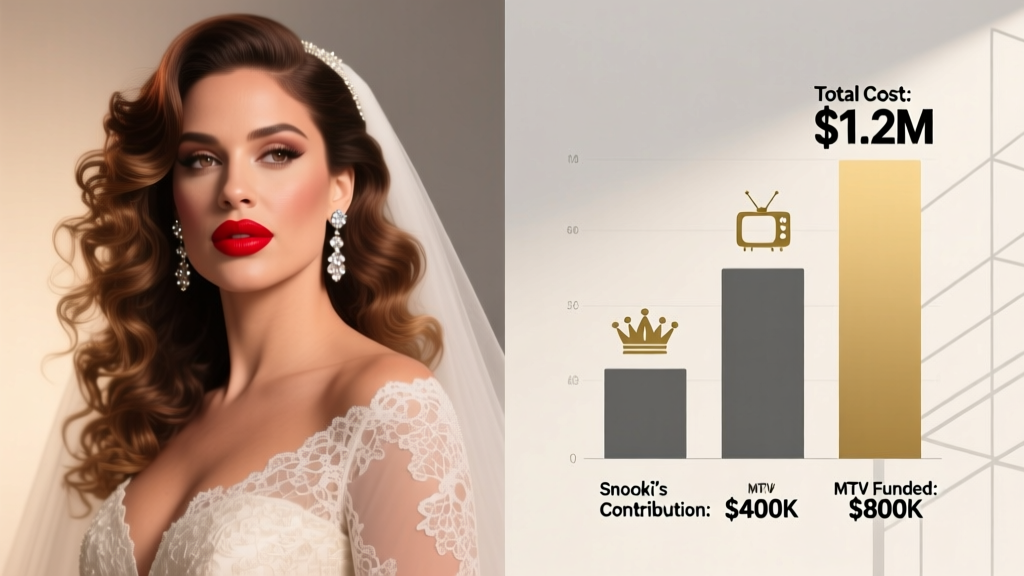 Snooki’s Wedding Cost: $1.2M Breakdown (2026)
 Wedding Band Required? Legal Rules & 2026 Trends
 When Should You Send Wedding Day Vendor Meals
 Stardew Valley Wedding Ring: 7-Step Craft (2026)