## Do Jews Wear Wedding Rings? The Truth Behind the Tradition
If you're attending a Jewish wedding—or planning one—you might wonder: do Jews wear wedding rings, and are there specific rules about them? The answer is more nuanced than a simple yes or no, and understanding it reveals centuries of rich tradition, legal reasoning, and evolving modern practice.
---
## The Role of the Ring in a Jewish Wedding Ceremony
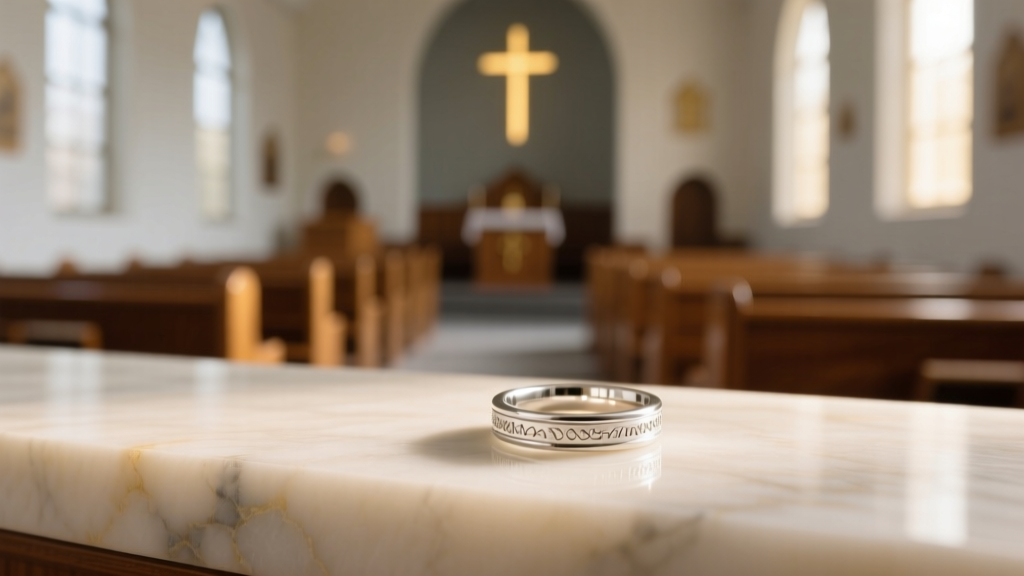
In a traditional Jewish wedding, the ring is not merely symbolic—it is a **legal instrument**. Under Jewish law (*halacha*), the act of the groom placing a ring on the bride's finger is the central moment of *kiddushin* (betrothal), the formal acquisition of the marriage bond.
For this reason, Jewish law sets specific requirements for the wedding ring:
- **It must belong to the groom** — he cannot borrow it.
- **It must be made of plain metal** — traditionally a simple gold band with no stones or engravings. This ensures both parties clearly understand its value, preventing any dispute that could invalidate the marriage.
- **It must be given willingly** in front of two valid witnesses.
- **The bride must accept it** onto her finger (traditionally the right index finger in Orthodox ceremonies, though many communities use the left ring finger today).
These rules apply to the *ceremonial* ring used during the *chuppah* (wedding canopy). What happens after the ceremony is a separate matter.
---
## Do Jewish Men Wear Wedding Rings?
This is where Jewish wedding ring customs diverge from Western norms. **In traditional halacha, there is no requirement for the groom to receive a ring.** The legal transaction flows one way: groom to bride.
However, modern practice varies widely:
- **Orthodox communities**: Many grooms do not wear a wedding ring at all, or wear one only as a personal choice with no ceremonial significance.
- **Conservative and Reform communities**: A **double-ring ceremony** is standard. The bride gives the groom a ring, often accompanied by a verse such as *"Ani l'dodi v'dodi li"* ("I am my beloved's and my beloved is mine" — Song of Songs 2:16).
- **Egalitarian ceremonies**: Both partners exchange rings with equal ritual weight.
If you're planning a Jewish wedding and want both partners to exchange rings, speak with your officiant (*rabbi* or *mesader kiddushin*) in advance to ensure the ceremony structure is handled correctly.
---
## What Metal and Style Are Appropriate?
For the **halachic ring** used during the ceremony, the traditional standard is:
| Requirement | Detail |
|---|---|
| Material | Plain gold (most common), silver, or other metal |
| Design | No gemstones, no engravings (for the ceremony ring) |
| Ownership | Must be owned outright by the giver |
| Value | Must be worth at least a *perutah* (a minimal coin value) |
After the ceremony, couples are free to exchange more elaborate rings—diamond bands, engraved rings, or heirloom pieces—as personal gifts. Many couples use a simple plain band for the ceremony and then exchange their "real" rings during the reception or privately afterward.
**Long-tail tip**: If you're searching for *Jewish wedding ring requirements* or *halachic wedding band rules*, the key takeaway is: keep the ceremony ring simple and unambiguous in value.
---
## Modern Jewish Wedding Ring Customs Around the World
Jewish communities span the globe, and customs around wedding rings reflect that diversity:
- **Ashkenazi tradition**: Plain gold band, placed on the bride's right index finger during the ceremony.
- **Sephardic tradition**: Similar requirements, though finger placement may vary by community.
- **Israeli secular weddings**: Often mirror Western customs with diamond engagement rings and matching wedding bands.
- **Reform and Liberal Judaism (US/UK)**: Double-ring ceremonies are the norm; personalized vows and engraved rings are common.
The rise of interfaith and multicultural Jewish weddings has also introduced new blended customs, such as incorporating family heirloom rings or rings made from ethically sourced materials—a growing concern among younger Jewish couples.
---
## Common Myths About Jewish Wedding Rings
**Myth 1: "Jews don't wear wedding rings because of religious prohibition."**
This is false. There is no prohibition against wearing a wedding ring in Judaism. The tradition of some Jewish men not wearing rings stems from the *absence of a requirement*, not a ban. Many observant Jewish men choose to wear a ring as a personal or cultural statement.
**Myth 2: "The wedding ring must be gold to be valid."**
Not exactly. While gold is the most traditional and widely used material, Jewish law requires the ring to be made of metal and have a known, undisputed value—it does not mandate gold specifically. Silver and other metals are acceptable. What *is* prohibited for the ceremony ring is anything that could obscure its value, like gemstones, which is why plain bands are preferred.
---
## Your Next Step
Whether you're a couple planning a Jewish wedding, a guest trying to understand the ceremony, or simply curious about Jewish traditions, the key points are:
- The wedding ring in Judaism is a **legal act**, not just a symbol.
- The ceremony ring should be **plain, owned by the giver, and of clear value**.
- **Men wearing rings** is a modern custom, not a halachic requirement—but widely practiced outside Orthodox communities.
- After the ceremony, **any ring style** is perfectly appropriate.
**Next action**: If you're planning a Jewish wedding, schedule a pre-ceremony meeting with your rabbi to confirm your ring choices meet halachic requirements—it's a 15-minute conversation that prevents day-of complications.
 Wedding Band Metals Compared
 Eternity Bands Symbolism and Styling Tips
 Wedding Band Matching: 7 Rules Jewelers Swear By (2026)
 How Much Does a Good Wedding Band Cost? (2026)
 7 Things Nobody Tells You Before Buying a Plain Wedding Band
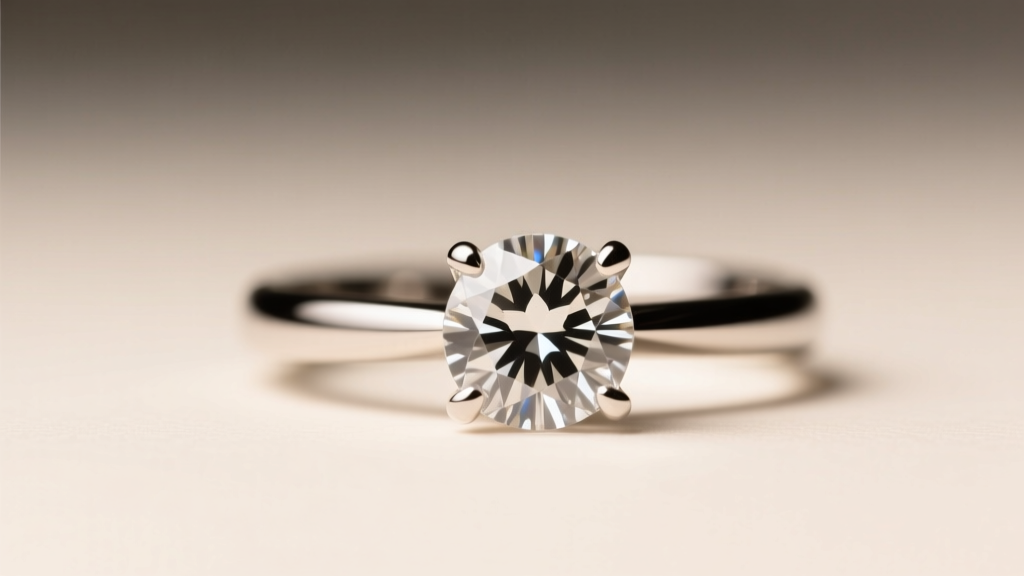 Diamond Inclusions and Blemishes What to Accept
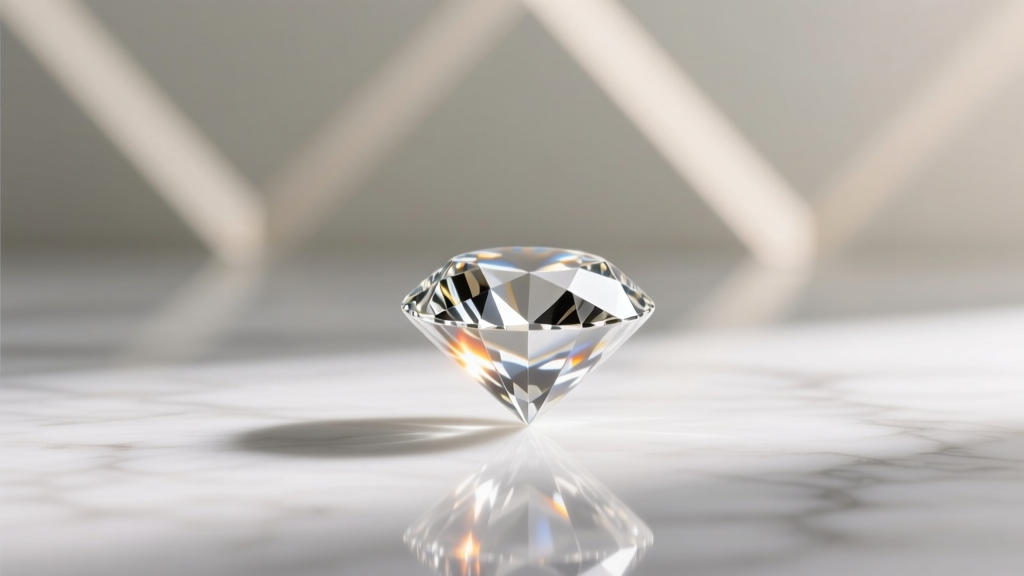 Diamond Cut Guide Understanding Brilliance and Fire
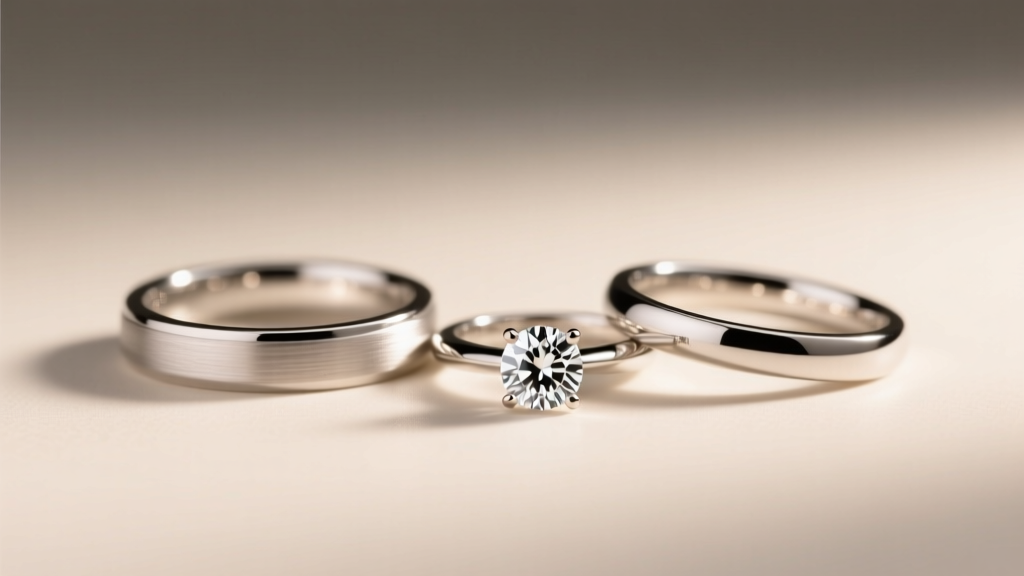 Wedding Band Matching Rules: What You Really Need to Know
 Essential Jewelry Making Tools Guide
 Jewelry FAQ: Answers From a Metalsmith