# Should Your Wedding Band Match Your Engagement Ring? The Truth Revealed
You've found the perfect engagement ring — now comes the question that stumps nearly every bride: does your wedding band have to match? The short answer is no, but the longer answer is far more interesting. Matching metals and styles can create a cohesive look, but mismatching is not only acceptable — it's often intentional and stunning. Here's what you actually need to know.
## What "Matching" Really Means in Bridal Jewelry
When jewelers talk about matching, they typically mean one of three things: metal color, metal type, or overall design aesthetic. You don't need all three to align — even one point of harmony can tie two rings together beautifully.
- **Metal color** is the most visible factor. Pairing a yellow gold band with a yellow gold engagement ring creates instant visual unity.
- **Metal type** matters for durability. Mixing platinum and white gold looks nearly identical but can cause wear over time since platinum is harder and may scratch softer gold.
- **Design aesthetic** means the overall vibe — vintage, modern, minimalist, or ornate. Two rings from different eras can clash even if they share the same metal.
A 2023 survey by The Knot found that 61% of brides chose a wedding band that complemented rather than perfectly matched their engagement ring, signaling a clear shift toward intentional contrast.
## When Matching Makes Sense
Matching your wedding band to your engagement ring is the right call in several situations:
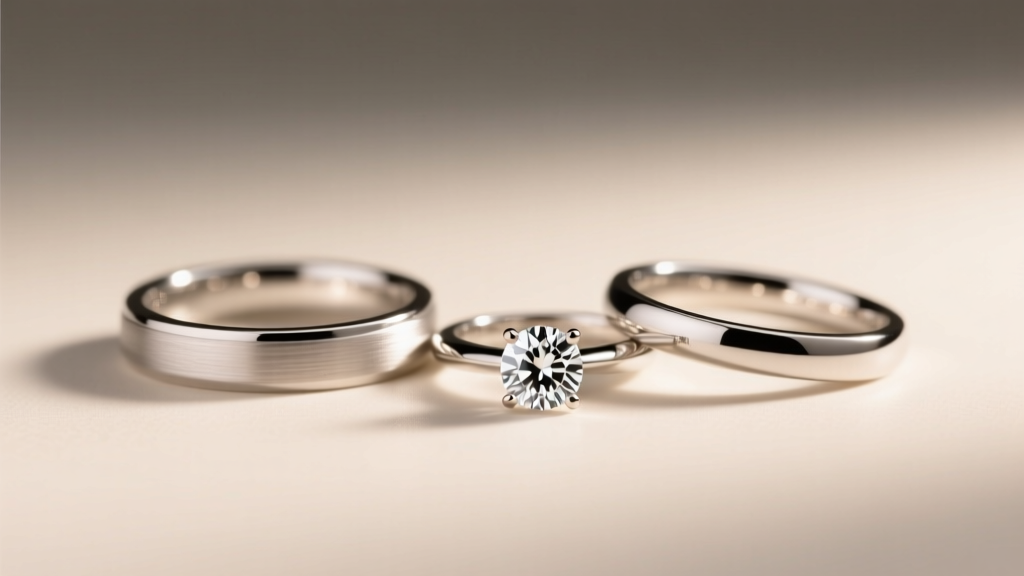
**Bridal sets** are designed to nest together perfectly. If your engagement ring came as part of a set, using the matching band eliminates guesswork and guarantees a flush fit — no gaps, no awkward spacing.
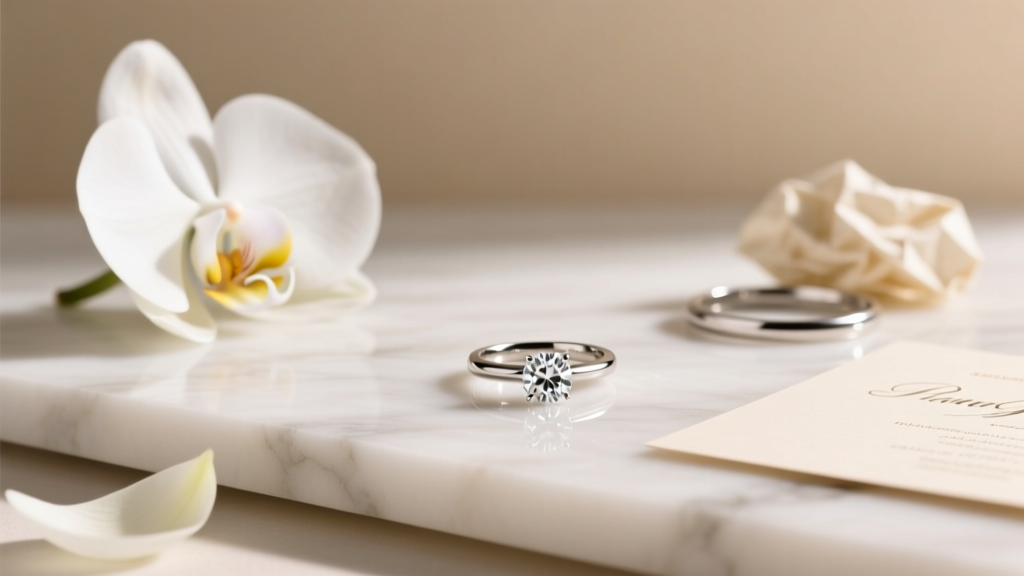
**Solitaire engagement rings** pair beautifully with a simple matching metal band. The simplicity of a solitaire means a matching plain band won't compete; it frames the center stone instead.
**Heirloom or custom rings** often have unique profiles that are difficult to pair with off-the-shelf bands. In these cases, having a custom band made from the same metal and by the same jeweler ensures a seamless stack.
If your engagement ring has a distinctive shape — think marquise, pear, or oval — a contoured matching band that follows the stone's silhouette will sit flush and protect the setting.
## When Mixing Metals and Styles Works Better
Mismatching has moved from trend to mainstream, and for good reason. Here's when it's the smarter choice:
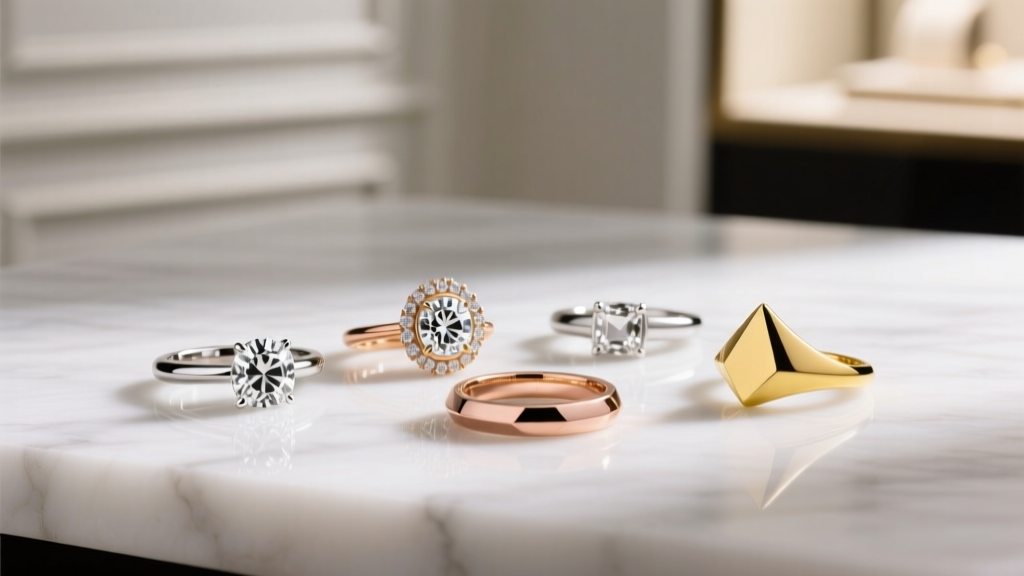
**Two-tone stacks** are incredibly popular. A rose gold engagement ring paired with a yellow gold band creates warmth and dimension. Many brides intentionally choose a contrasting metal to make each ring stand out individually.
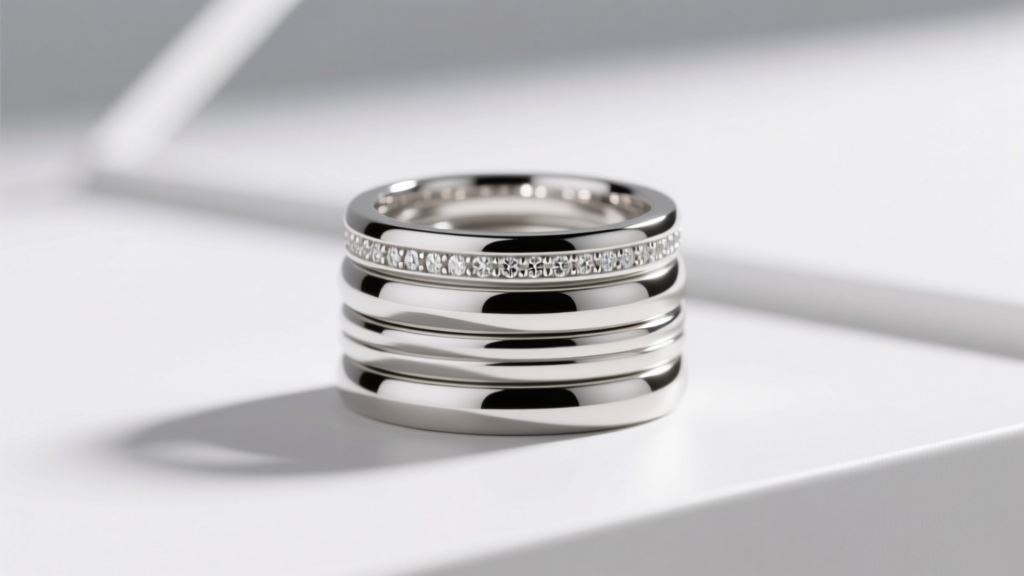
**Eternity bands** don't always match the engagement ring's metal or stone cut, yet they're among the most popular wedding band choices. The continuous sparkle draws the eye and complements virtually any center stone.
**Vintage engagement rings** often look better with a simple modern band than with a period-matched one that can feel costume-like. The contrast actually highlights the vintage ring's character.
One practical tip: if you're mixing metals, wear both rings together for at least a week before the wedding. Friction between different metals can cause micro-scratches over years of daily wear.
## How to Choose the Right Fit and Profile
Beyond aesthetics, fit is the most overlooked factor in the matching debate. Your wedding band needs to sit comfortably against your engagement ring without spinning, gapping, or pinching.
- **Measure the gap**: Place your engagement ring on a flat surface and measure the space between the base of the setting and your finger. This tells you the maximum band height that will sit flush.
- **Consider a curved or notched band**: If your engagement ring has a low-set stone, a straight band may tilt or sit unevenly. A curved band solves this without requiring a matching set.
- **Stack test before you buy**: Most jewelers will let you try bands alongside your engagement ring. Always do this in natural light — store lighting flatters everything.
## Two Common Mistakes to Avoid
**Mistake 1: Assuming you must buy from the same jeweler.** Many brides feel pressured to return to the original jeweler for a matching band. In reality, any skilled jeweler can create or source a complementary band. Bring your engagement ring and ask for a fitting — the right jeweler will work with what you have.
**Mistake 2: Prioritizing looks over wearability.** A band that photographs beautifully but digs into your finger after eight hours will become something you resent. Comfort fit bands — which have a slightly rounded interior — are worth the small price premium for everyday wear.
## The Bottom Line
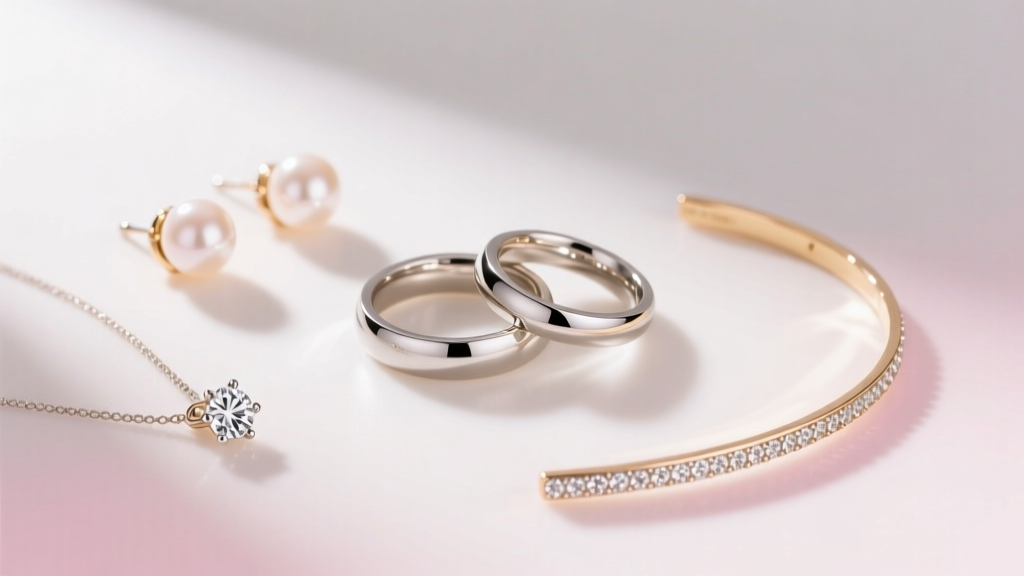
Your wedding band does not need to match your engagement ring. What it needs to do is feel right on your hand, complement your lifestyle, and reflect your personal style — whether that means a perfect bridal set or a deliberately mismatched stack.
Start by trying on both rings together, not separately. Your eye will tell you more in thirty seconds than any rule ever could.
**Ready to find your perfect pairing?** Visit a local jeweler with your engagement ring in hand, and don't leave without testing at least three different band styles. The right combination is out there — and it's probably not what you expected.
 Wedding & Engagement Ring Stacking: 7 Pro Rules (2026)
 How to Choose a Ring That Matches Her Style
 Wedding Ring Metals Compared: Platinum vs Gold in 2026
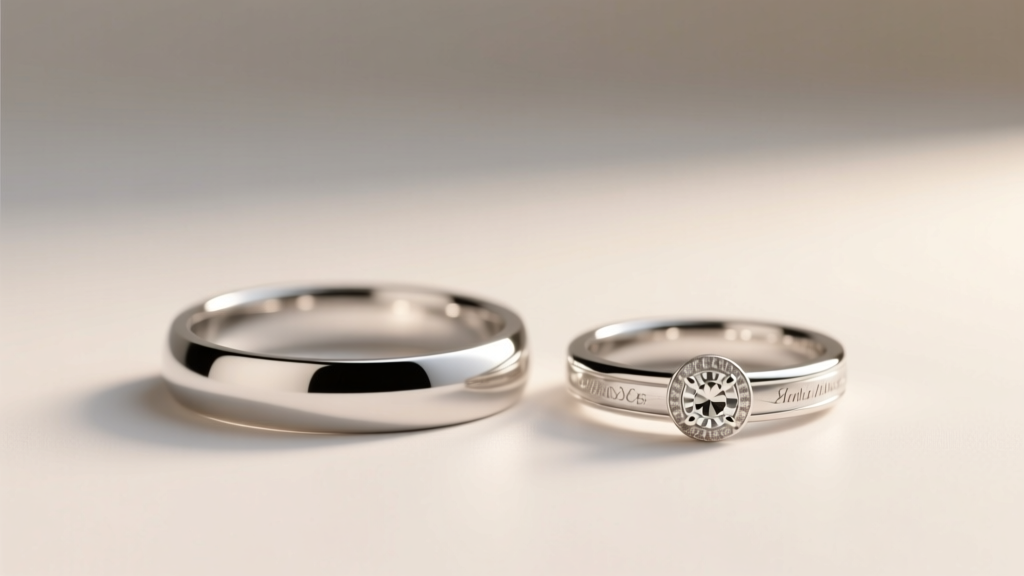 Wedding Band vs Ring: What's the Difference?
 DIY Timeline Ideas for Jewelry Making: A Practical, Step-by-Step Framework
 Wedding Ring Payout: 7 Real Factors (2026)
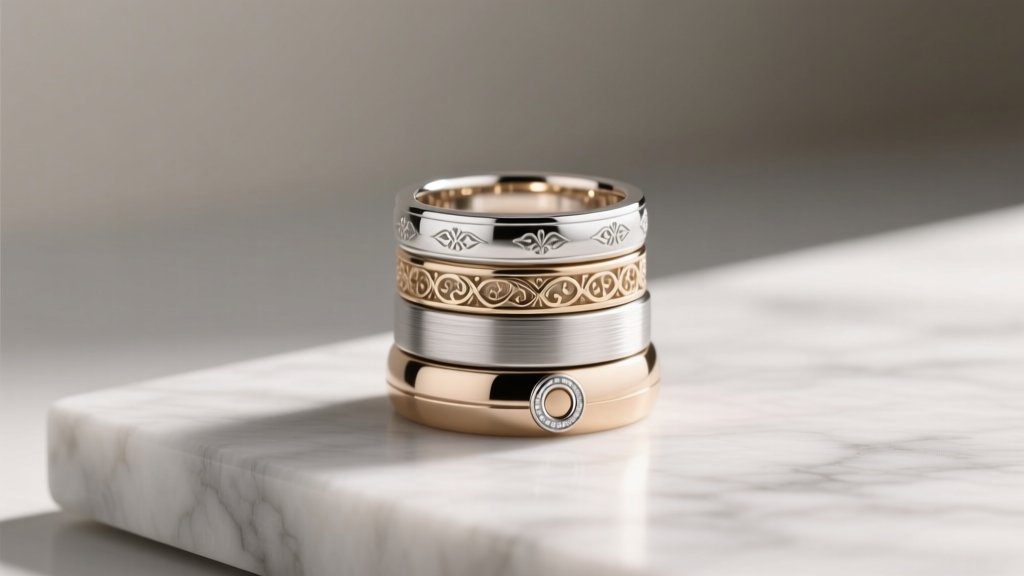 How to Choose a Wedding Band That Stacks Beautifully
 How to Choose the Perfect Engagement Ring for Her
 How to Choose a Wedding Band With a Two-Tone Design
 What Is a Wedding Ring and Why Does It Really Matter