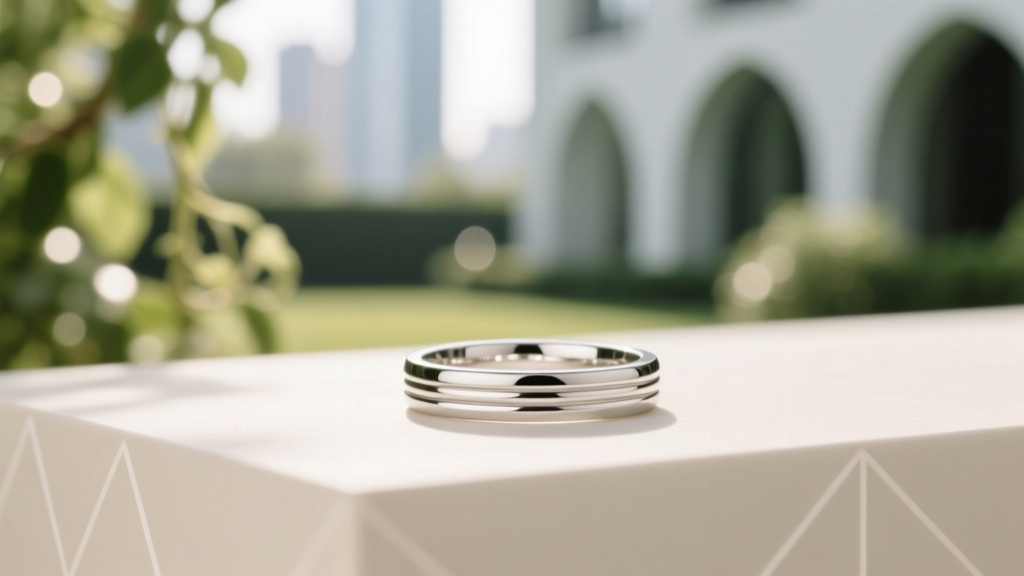
Eternity Bands Symbolism and Styling Tips
Eternity bands have a way of feeling both classic and intensely personal. Unlike a traditional wedding band that may be plain or lightly detailed, an eternity ring features a continuous line of gemstones—most often diamonds—circling the finger. The look is undeniably romantic, but it’s also practical in its own way: a well-made eternity band can stand on its own as a statement ring or layer beautifully with an engagement ring and wedding band set.
Couples shopping for engagement rings and wedding bands often ask when an eternity band makes the most sense and how to choose one that fits their lifestyle. The answer depends on symbolism, comfort, stone choice, and how you plan to wear it day to day. This guide breaks down what eternity bands mean, what styles are trending now, how to judge quality, and how to buy confidently without getting tripped up by common mistakes.
What an Eternity Band Symbolizes
The symbolism is straightforward and powerful: the uninterrupted circle of gemstones represents everlasting love, commitment, and continuity. Many couples choose eternity wedding bands for a milestone—an anniversary, the birth of a child, or a vow renewal—while others incorporate them into the wedding stack from the start.
Full Eternity vs. Half Eternity: Same meaning, different wear
- Full eternity band: gemstones go all the way around. Maximum sparkle and symmetry, but typically less resizable and slightly more delicate for daily wear.
- Half eternity band: gemstones cover the top half (or just over half). More comfortable for many people, easier to resize in some designs, and often more budget-friendly.
Popular Eternity Band Styles (Timeless Classics + Current Trends)
Prong-set eternity bands
A classic for diamond eternity rings. Individual stones are held by small prongs, allowing more light to enter and maximizing brilliance. A shared-prong setting (where adjacent stones share prongs) is especially popular for a clean, continuous look.
Channel-set eternity bands
Diamonds or gemstones sit between two metal rails. This is a practical option for active lifestyles because the stones are more protected and less likely to snag. Channel-set bands pair well with modern solitaire engagement rings and minimalist stacks.
Bezel-set eternity bands
Each stone is wrapped in a rim of metal. Bezel settings are trending for their sleek look and everyday durability. They’re also a strong choice for people who dislike prongs catching on sweaters or hair.
Pavé eternity bands
Pavé (pronounced “pah-vay”) features many small diamonds set closely together with tiny beads of metal holding them in place. This style offers a shimmering surface and is a favorite for creating a glamorous wedding ring stack. Micro-pavé can be stunning, but it requires careful craftsmanship and maintenance.
Mixed shapes and “east-west” styling
Current jewelry trends include mixing stone shapes (for example, alternating round and marquise) and setting marquise or oval stones horizontally (east-west). These designs feel fresh, but they still read as timeless when the metal and stone quality are strong.
Choosing Gemstones: Diamonds and Beyond
Diamond eternity bands
Diamonds remain the most popular choice for eternity wedding bands because they’re durable (10 on the Mohs scale) and match easily with engagement rings. For sparkle, round brilliant diamonds are the top performer. Princess and emerald cuts deliver a more structured, architectural look; emerald cuts are especially elegant but can show inclusions more easily due to their large, open facets.
Lab-grown diamonds vs. natural diamonds
Lab-grown diamonds are a major trend in bridal jewelry. They offer the same optical and physical properties as mined diamonds, often at a lower price, which can allow you to choose larger stones or higher color/clarity. Natural diamonds may appeal to buyers who prefer rarity and traditional sourcing, but both options can be excellent when graded and set well.
Colored gemstones (sapphires, emeralds, rubies, moissanite)
- Sapphires: durable (9 Mohs), available in classic blue and modern shades like peach, teal, and pink. Great for everyday wear.
- Rubies: also corundum (9 Mohs), rich color, romantic symbolism.
- Emeralds: beautiful but softer (7.5–8 Mohs) and often included; best for careful wear or protective settings like bezels.
- Moissanite: very hard (9.25 Mohs) and fiery sparkle; a budget-friendly, bright alternative.
If you love the look of an emerald eternity band, consider a half-eternity design or a bezel setting to reduce chipping risk.
Metal Choices: Matching Your Engagement Ring and Lifestyle
Platinum
Platinum is naturally white, dense, and highly durable—an excellent choice for prong settings because it holds stones securely. It develops a soft patina over time rather than wearing away quickly. Platinum eternity bands often cost more due to metal weight and labor.
14K and 18K gold (yellow, white, rose)
- 14K gold: more durable due to higher alloy content; a smart pick for daily wear.
- 18K gold: richer color and slightly more luxurious feel, but a bit softer.
- White gold: typically rhodium-plated for a bright finish; may need re-plating over the years depending on wear.
- Rose gold: romantic blush tone; alloys add strength, making it a practical choice.
For a cohesive bridal set, match the eternity band metal to your engagement ring. Mixed-metal stacks can look intentional and modern, but they’re best done with a clear plan (for example, a platinum engagement ring with a yellow gold eternity band as a contrast piece).
Quality Factors That Matter (What a Jeweler Checks)
Stone matching and consistency
In an eternity ring, you’ll see many stones side by side. Small differences become obvious. Ask about:
- Color matching: especially important for white diamonds. Many buyers choose a range around G–H for a bright look and strong value.
- Clarity: VS2–SI1 is common for small stones because inclusions are harder to see at that size, especially in round cuts.
- Cut quality: for round diamonds, prioritize excellent/very good cut for maximum sparkle.
Craftsmanship and setting security
Check for smooth edges, even prongs, and stones that sit level. A well-finished eternity band should feel comfortable between fingers and not have sharp “beads” that irritate skin. For pavé styles, craftsmanship is everything—tiny stones need precise setting to stay secure.
Comfort and profile
Consider how high the stones sit. A low-profile eternity band is less likely to snag and pairs more easily with engagement rings. If your engagement ring has a low-set center stone, you may need a contoured or spacer band to prevent rubbing.
Styling Tips: How to Wear an Eternity Band with Your Wedding Stack
Pairing with a solitaire engagement ring
A diamond solitaire is the easiest match. Try a shared-prong round eternity band for classic sparkle, or a channel-set band for a cleaner, modern look.
Pairing with a halo or pavé engagement ring
If your engagement ring already has a lot of sparkle, balance matters. Consider a half-eternity band or a band with slightly smaller stones so the set looks cohesive rather than crowded.
Mixing shapes for a curated look
Alternating round and marquise stones is a trend that photographs beautifully and feels bridal without being too traditional. Keep the rest of the stack simple so the eternity band can shine.
Stacking order
Many wear the wedding band closest to the heart (closest to the hand), with the engagement ring above it. Eternity bands can be worn as:
- a wedding band replacement,
- an anniversary band stacked above the engagement ring, or
- a right-hand ring for daily sparkle without disrupting the bridal set.
Buying Tips: Getting the Right Fit and the Best Value
- Get the finger size right: full eternity rings are often difficult or impossible to resize. If you’re between sizes, many jewelers recommend sizing slightly up for comfort, especially with wider bands.
- Ask about a matching band “gap”: some engagement rings sit flush with bands; others leave space. If you want a seamless look, confirm the eternity band will sit flush or consider a curved/chevron style.
- Prioritize durability if it’s a daily ring: channel or bezel settings and half-eternity designs typically handle daily wear better than high-profile micro-pavé.
- Compare total carat weight and stone size: a 1.00 ctw eternity band can look very different depending on the number of stones and the band width.
- Look for clear grading: for diamond eternity bands, ask for melee diamond color/clarity ranges and whether the diamonds are natural or lab-grown.
Care and Maintenance for Eternity Wedding Bands
Eternity bands have many edges and settings, which means they collect lotion, soap, and daily buildup more than a plain band.
- At-home cleaning: soak in warm water with mild dish soap for 15–20 minutes, gently brush with a soft toothbrush, rinse, and pat dry with a lint-free cloth.
- Avoid harsh chemicals: chlorine and strong cleaners can damage metals and some gemstones.
- Remove for high-impact activities: gym workouts with heavy weights, gardening, and moving furniture can knock stones loose.
- Professional inspections: have prongs and settings checked about once a year, especially for pavé and shared-prong styles.
Price Range and Value Tips
Eternity band pricing varies widely based on diamond type (natural vs. lab-grown), total carat weight, metal, and craftsmanship.
- Lab-grown diamond eternity bands: often start around the mid-hundreds to low thousands for simpler half-eternity styles, with higher prices as stone size and metal weight increase.
- Natural diamond eternity bands: commonly start in the low thousands and can rise quickly with larger stones, higher color/clarity, and full-eternity designs.
- Platinum vs. gold: platinum generally costs more than 14K/18K gold in comparable styles due to density and labor.
Best value strategy: choose a durable setting, prioritize excellent cut for sparkle (especially in rounds), and consider lab-grown diamonds if you want more presence for your budget. For natural diamonds, a near-colorless range (G–I) often looks bright in real life while offering better value than the top color grades.
Common Mistakes to Avoid
- Buying a full eternity band without confirming resize options: finger sizes can change with temperature, pregnancy, or time. If you’re unsure, a half-eternity band is safer.
- Ignoring comfort: sharp edges, tall settings, or wide bands can bother you daily. Comfort-fit interiors and smooth finishing make a big difference.
- Choosing delicate micro-pavé for rough wear: micro-pavé is gorgeous, but it’s best for careful wear and regular checkups.
- Not considering how it stacks: some eternity bands rub against an engagement ring’s prongs or basket, causing wear over time. A spacer band or contoured band can prevent damage.
- Assuming all “diamond bands” are equal: stone matching, setting quality, and metal finishing separate a lifetime ring from a short-term sparkle.
FAQ: Eternity Bands
When should you give an eternity band?
Many couples choose an eternity band as an anniversary gift (popularly the first or tenth), a push present, or a vow renewal ring. It’s also increasingly common as the wedding band itself, especially for those who love a more brilliant look.
Can an eternity band be resized?
Half-eternity bands are often resizable depending on construction. Full eternity bands are usually difficult to resize because there’s no plain metal section to adjust; some can be resized slightly, but it may require resetting stones or remaking the ring.
What is the best setting for an active lifestyle?
Channel and bezel settings tend to be the most protective, with fewer snag points. If you love prongs, consider a lower-profile shared-prong style and commit to annual inspections.
Do eternity bands snag on clothing?
They can—especially high-profile prong settings or certain pavé designs. A well-made ring with smooth finishing reduces snagging, and bezel or channel settings are typically the least problematic.
Should an eternity band match my engagement ring exactly?
Not necessarily. Matching metals creates a seamless bridal set, while mixing shapes (like a round solitaire with an emerald-cut eternity band) can look intentional and modern. The key is similar craftsmanship quality and a comfortable fit together.
Are colored gemstone eternity bands good for everyday wear?
Sapphires and rubies are excellent daily options. Emeralds can be worn daily with care, but they’re more prone to chipping, so protective settings and mindful wear are recommended.
Next Steps: Choose a Band That Feels Beautiful and Wears Beautifully
The best eternity bands combine meaning, comfort, and craftsmanship. Start by deciding whether you want a full or half eternity, then choose a setting style that matches your lifestyle—channel and bezel for durability, prong and pavé for maximum sparkle. From there, fine-tune your choice with the right metal (14K gold for everyday strength, platinum for premium durability) and well-matched stones for a cohesive, high-end look.
If you’re building a wedding ring stack, bring your engagement ring measurements and photos when you shop, and don’t hesitate to ask how the rings will sit together over time. For more expert bridal jewelry guidance, explore additional ring and wedding band guides on weddingsift.com.
More Articles
 Red Diamond Rarest Natural Diamond Color
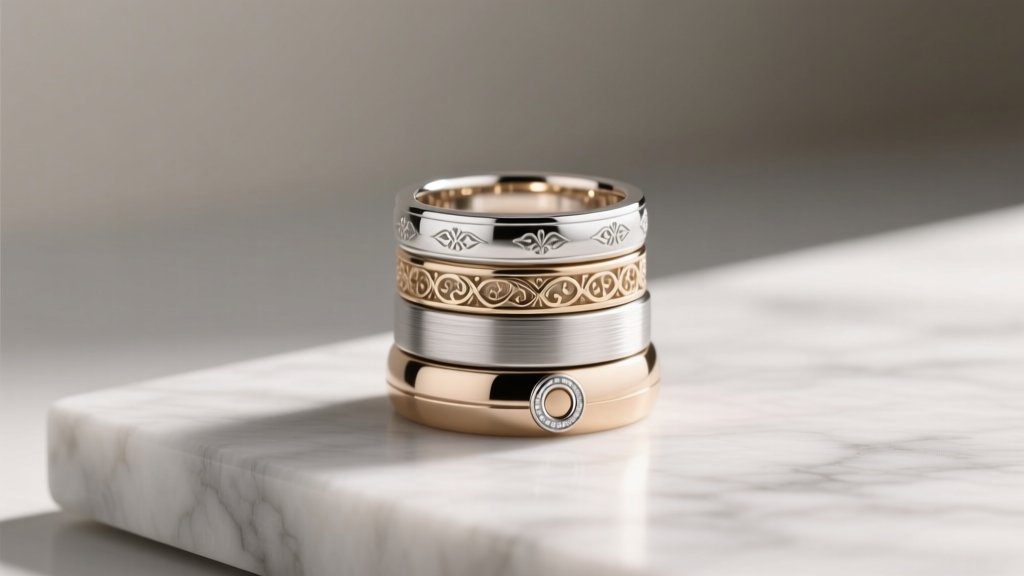 How to Choose a Wedding Band That Stacks Beautifully
 How to Choose a Ring With the Right Diamond Clarity
 Do People Wear Wedding Rings on the Right Hand? The Truth
 How to Choose a Wedding Band With a Nature-Inspired Design
 One Question to Ask Before Any Jewelry Purchase
 How to Tell If Your Ring Setting Needs Repair
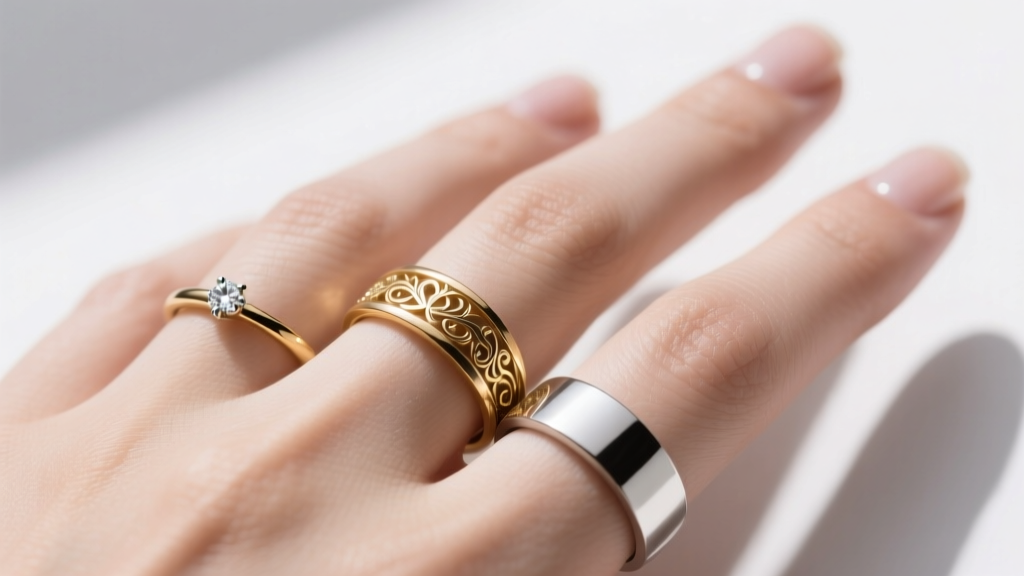 Wedding Ring and Band Stacking Rules (2026)
 Diamond Certification GIA vs IGI vs EGL Explained
 Artisan Wedding Bands With Personalized Designs