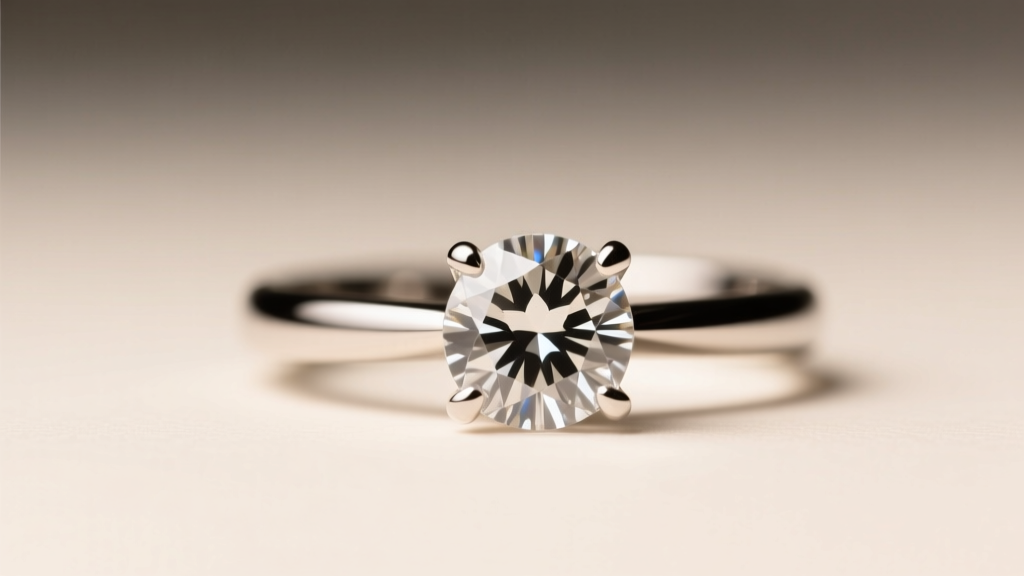
Diamond Inclusions and Blemishes What to Accept
When you’re shopping for an engagement ring or wedding band, a diamond’s sparkle can feel like the whole story—until you see the clarity grade on a lab report and wonder what you’re actually paying for. Terms like “inclusions,” “blemishes,” and “eye-clean” get thrown around quickly, and it’s easy to overcorrect: either you chase flawless perfection at any price, or you settle for a stone you’ll always second-guess.
The good news: most diamonds have some natural characteristics, and many are completely acceptable—especially once the stone is set and viewed at normal distance. Understanding which inclusions are harmless (and which can affect beauty or durability) is one of the smartest ways to balance appearance, longevity, and budget. For couples choosing a diamond ring meant to be worn every day, that balance matters.
This guide breaks down what diamond inclusions and blemishes really are, what you can confidently accept, what to avoid, and how clarity interacts with cut, shape, setting, and price—so you can choose a diamond engagement ring or wedding band you love now and still love decades from now.
What Are Diamond Inclusions vs. Blemishes?
Inclusions (Internal Characteristics)
Inclusions are features inside the diamond formed during its creation. They can look like tiny crystals, clouds, feathers, needles, or pinpoints when viewed under magnification. Most clarity grading (FL to I3) is based largely on the type, size, number, location, and visibility of these internal characteristics.
Blemishes (External Characteristics)
Blemishes are surface features—such as scratches, abrasions, naturals (remnants of the rough diamond surface), or extra facets added to remove an inclusion. Blemishes can sometimes be polished away, but not always without changing the diamond’s proportions.
Natural Doesn’t Mean “Bad”
Nearly all natural and lab-grown diamonds have some inclusions. The real question is whether those characteristics are visible to the naked eye, impact the diamond’s light performance, or create durability concerns—especially for everyday settings like solitaire engagement rings, pavé bands, and halo rings.
How Clarity Grading Works (And What It Means for Real Life)
Most shoppers use GIA or IGI grading reports. Clarity is typically evaluated at 10x magnification. That’s helpful for consistency, but it can make tiny characteristics feel more dramatic than they’ll ever look on your hand.
- FL/IF (Flawless/Internally Flawless): Extremely rare; beautiful but often not the best value.
- VVS1/VVS2: Minute inclusions; generally overkill for most engagement ring budgets.
- VS1/VS2: Minor inclusions; commonly “eye-clean” and a popular sweet spot.
- SI1/SI2: Noticeable inclusions under 10x; many SI1 stones are still eye-clean, especially in certain shapes or settings.
- I1–I3: Inclusions are often visible and may affect brilliance or durability; requires careful selection.
For most couples, aiming for an eye-clean diamond matters more than paying for the highest clarity grade. “Eye-clean” usually means you can’t see inclusions from the top (face-up) at normal viewing distance (about 6–12 inches) in typical lighting.
Which Inclusions Are Usually Safe to Accept?
Pinpoints and Small Crystals
Pinpoints are tiny dots; small crystals are small mineral inclusions. If they’re not clustered heavily in the center, they’re typically fine and rarely impact sparkle. Many VS and SI diamonds have these and still look flawless without magnification.
Needles
Needles are thin, hair-like inclusions. A single needle that doesn’t reach the surface is generally acceptable and often invisible to the naked eye.
Minor Feathers (When Positioned Well)
Feathers are small internal fractures. A small feather near the edge can be perfectly acceptable—especially if it will be protected by prongs or a bezel. Many well-cut diamonds in VS2 or SI1 ranges have tiny feathers that never create a durability issue.
Very Light Clouds
Clouds are groups of tiny pinpoints. A light cloud that doesn’t make the diamond look hazy can be fine. The key is the diamond’s overall transparency and brilliance—if the stone looks bright and crisp, a minor cloud noted on the report may be a non-issue.
Inclusions and Blemishes to Be Cautious About
Large or Surface-Reaching Feathers
Feathers that extend to the surface—especially near the girdle (the diamond’s outer edge)—can increase the risk of chipping, particularly in shapes with pointed corners. This matters for princess cut, marquise, pear, and heart-shaped diamonds, where points are naturally more vulnerable.
Dark Inclusions Under the Table
If a dark crystal sits right under the table (the large top facet), it can be easier to see face-up. Even if the diamond is graded SI1 or SI2, placement matters as much as grade. Many shoppers will accept a slightly lower clarity if inclusions are white, near the edge, or hidden by prongs.
Heavy Clouds That Cause “Milkiness”
A diamond can be technically well-cut but still look dull if clouds are dense enough to reduce transparency. If a report mentions “clarity grade based on clouds,” or you see a hazy/milky look in videos, move on.
Chips, Cavities, and Severe Naturals
Chips, cavities, and significant naturals can weaken the diamond and can collect dirt, making the stone look less lively. These are common deal-breakers for an engagement ring meant for daily wear.
Clarity vs. Cut, Shape, and Setting: Where Your Money Actually Shows
Cut Quality Often Beats Clarity for Sparkle
If you want maximum brilliance in a round brilliant or oval diamond engagement ring, prioritize an excellent cut (or ideal, depending on the lab). A beautifully cut diamond can mask small inclusions through light return and sparkle, while a poorly cut high-clarity diamond can look flat.
Shape Matters: Some Diamonds Show Inclusions More
- Round brilliant: Best at hiding inclusions due to its facet pattern.
- Oval, pear, marquise: Can show a “bow-tie” shadow; inclusions near the center may be more noticeable.
- Emerald and Asscher (step cuts): Large, open facets act like mirrors—clarity is more noticeable. Many shoppers choose VS2 or higher here for a crisp look.
- Radiant and cushion: Generally forgiving; great choices for balancing size and clarity.
Settings Can Hide or Highlight Clarity
Your ring setting is part of the clarity strategy:
- Prong settings: Can conceal edge inclusions, but pointed tips need protection on fancy shapes.
- Bezel settings: Excellent for protecting the girdle and disguising inclusions near the edge; popular for modern, minimalist engagement rings.
- Halo settings: Add visual size and sparkle; can draw attention away from minor inclusions while boosting brilliance.
- Pavé or micro-pavé bands: Trend-forward and glittery, but need careful craftsmanship and maintenance; keep the center diamond eye-clean since the surrounding sparkle amplifies scrutiny.
Practical Buying Tips: How to Choose the Right Clarity
Use “Eye-Clean” as Your Goal
For most diamond engagement rings in the 0.75–2.00 carat range, VS2 or SI1 often delivers the best value. For step cuts (emerald/Asscher), consider VS1–VS2 if you want that crisp, glassy look.
Check the Inclusion Map and Videos
Lab reports often include a diagram showing inclusion locations. Prioritize stones where inclusions are:
- Near the edge (easier to hide with prongs or bezel)
- White or transparent rather than black
- Not directly under the table
Ask the Right Questions
- Is it eye-clean from the top at 8–12 inches in normal lighting?
- Are any inclusions surface-reaching or near the girdle?
- Does the diamond show any haziness?
- How will the setting protect the stone (especially corners/points)?
Match Clarity to Metal Choice and Style
Metal choice can affect what you notice:
- Platinum and white gold: Cool-toned, classic for diamond solitaires and modern halos; they can emphasize a bright, crisp look.
- Yellow gold: Timeless and trending again; can visually warm the ring and may make slight color more noticeable than clarity.
- Rose gold: Romantic and still popular; pairs well with vintage-inspired settings and can soften the overall look.
Care and Maintenance: Keeping Your Diamond Looking Clean
Many “clarity issues” people notice are actually dirt, lotion, soap film, or oil trapped under the stone—especially in halos and pavé settings.
- At-home cleaning: Warm water, mild dish soap, and a soft toothbrush. Brush under the diamond and around prongs.
- Avoid harsh chemicals: Bleach and abrasive cleaners can damage metals and rhodium plating on white gold.
- Professional checks: Have prongs inspected every 6–12 months, especially for pavé and delicate settings.
- Safe storage: Store your diamond ring separately to prevent scratching other jewelry.
Price Range and Value Tips: Where Clarity Fits in Your Budget
Clarity has a real price impact, but it’s not always the best place to spend for visible beauty. As a general pattern, moving from SI1 to VS2 can be a modest increase, while jumping from VS to VVS/IF can be a steep premium with minimal visible change once set.
- Best value for most couples: VS2 or eye-clean SI1 paired with excellent cut.
- Step-cut strategy: Budget for higher clarity (VS1/VS2) and consider slightly lower carat weight to stay on target.
- Setting strategy: Put savings into craftsmanship—secure prongs, well-finished pavé, and a comfortable band profile.
- Lab-grown diamonds: Often allow higher clarity and larger carat sizes for the same budget; still apply the same “avoid hazy clouds and risky feathers” rule.
Common Mistakes Couples Make When Shopping for Clarity
- Overpaying for “perfect” clarity: IF/VVS can be beautiful, but many VS/SI diamonds look identical on the hand.
- Ignoring cut: A top clarity grade won’t rescue a dull cut. Cut quality drives brilliance.
- Assuming all SI diamonds are risky: Many SI1 diamonds are eye-clean; you need to evaluate the specific stone.
- Missing durability red flags: Surface-reaching feathers, chips, or cavities can be deal-breakers for daily wear rings.
- Choosing a delicate setting without maintenance plans: Micro-pavé and thin bands look trendy, but they need routine checks to stay secure.
FAQ: Diamond Inclusions and Blemishes
What clarity should I choose for an engagement ring?
For most engagement rings, VS2 is a reliable sweet spot, and eye-clean SI1 can be an excellent value. For emerald and Asscher cuts, many couples prefer VS1–VS2 because step cuts show inclusions more easily.
Are inclusions bad for a diamond’s strength?
Most small inclusions don’t affect durability. Be cautious with surface-reaching feathers, chips, and inclusions near corners or the girdle—especially in fancy shapes with pointed ends.
Can I see inclusions without a loupe?
Often, no—especially in VS and many SI diamonds. Visibility depends on inclusion type, color (dark vs. white), placement (center vs. edge), and diamond shape. Ask to view the diamond in normal lighting at a natural distance.
Do blemishes matter if the diamond is set?
Minor blemishes may be hidden by prongs or a bezel and are usually not noticeable. However, blemishes like chips or cavities can worsen over time or collect debris, so they deserve extra scrutiny.
Is a “clarity grade based on clouds” a problem?
It can be. If clouds are dense enough to affect transparency, the diamond may look hazy or less brilliant. If you notice any milkiness in videos or in person, it’s better to choose a different stone.
Does a halo or pavé band hide diamond inclusions?
A halo adds sparkle and can reduce attention on minor inclusions, but it doesn’t truly “fix” a visibly included center stone. For the best look, choose an eye-clean center diamond and make sure the halo or pavé work is well-crafted and secure.
Confident Next Steps for Choosing the Right Diamond
If you want the best blend of beauty and value, focus on an excellent cut, choose a clarity grade that looks eye-clean in your preferred shape, and avoid durability red flags like surface-reaching fractures or hazy clouds. Pair that diamond with a setting that suits your lifestyle—classic solitaires and timeless three-stone rings never go out of style, while bezel settings, oval cuts, and delicate halos reflect current engagement ring trends without sacrificing wearability when crafted well.
When you’re ready, explore more expert jewelry guides on weddingsift.com to compare diamond shapes, ring settings, metal types, and wedding band pairings with confidence.
More Articles
 Engagement vs Wedding Ring Order: What to Know
 Me Wedding Rings: Personalized, Gender-Neutral & Ethical
 Wedding Band Width: 7mm Myth vs. Comfort Fit (2026)
 How to Wear Your Wedding Ring and Band the Right Way
 Wedding Ring Too Small? 7 Signs & Fixes (2026)
 Wedding Ring Cleaning Schedule: Science-Backed (2026)
 Can You Claim a Lost Wedding Ring on Home Insurance?
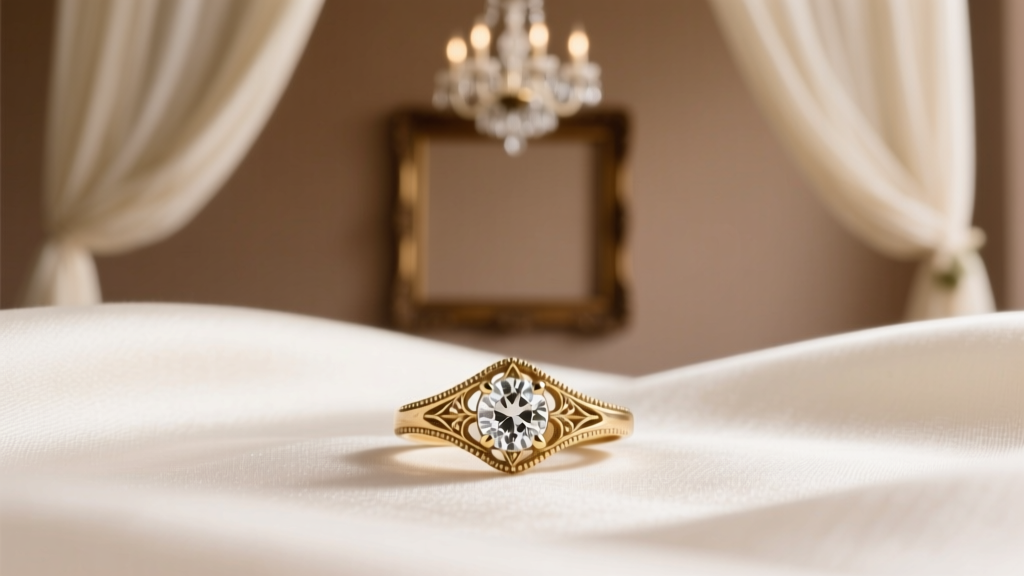 Vintage-Inspired Engagement Rings: How to Choose (2026)
 How Much Does a Men's Wedding Ring Weigh? (2026)
 How to Sell Your Wedding Ring for the Most Money (2026)