## The Polish Wedding Ring Tradition Most Westerners Get Wrong
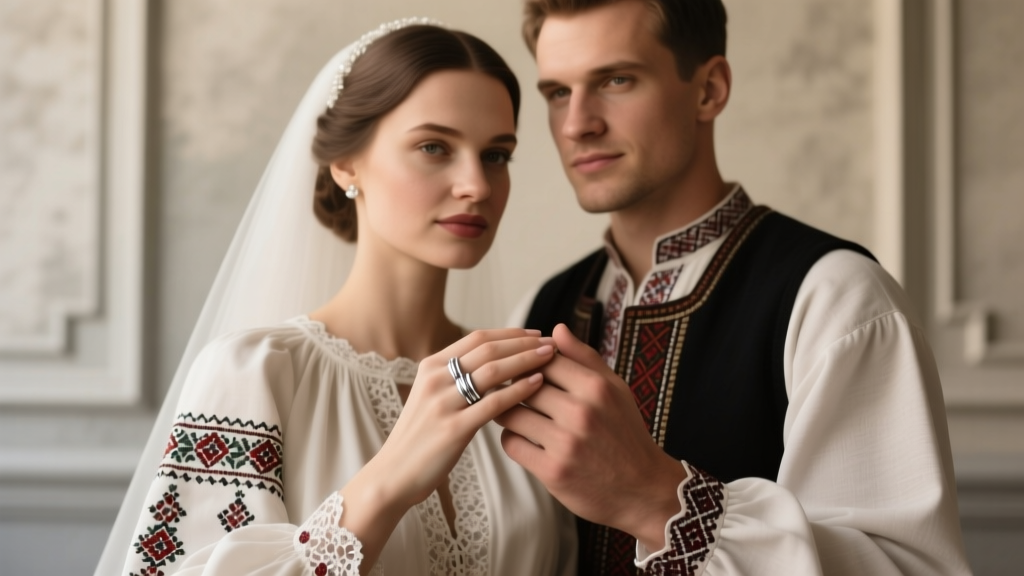
If you've ever attended a Polish wedding or met someone from Poland, you may have noticed their wedding ring sitting on the *right* hand — not the left. For many Western observers, this sparks confusion or even concern. Is the marriage unofficial? Did they mix up the hands? The answer reveals a rich cultural and religious tradition that spans centuries and continues to shape how millions of Poles celebrate love today.
---
## Why Do Polish People Wear Wedding Rings on the Right Hand?
Poland is a predominantly Catholic country, and the right-hand wedding ring tradition is deeply rooted in both **Catholic canon law** and **Slavic cultural heritage**. In many Eastern European and Orthodox Christian traditions, the right hand is considered the "hand of God" — symbolizing fidelity, honor, and sacred vows.
Key reasons behind the tradition:
- **Religious symbolism**: The right hand is associated with blessings and oaths in Catholic and Orthodox liturgy. Placing a wedding ring there reinforces the sacred nature of the marriage covenant.
- **Slavic heritage**: Poland shares this custom with other Slavic nations including Russia, Ukraine, Greece, and Serbia — all of whom traditionally wear wedding bands on the right hand.
- **Historical continuity**: The tradition predates modern Western norms and has remained largely unchanged in Poland despite globalization.
In contrast, the left-hand tradition common in the UK, US, and France stems from the Roman concept of the *vena amoris* ("vein of love") — a now-debunked anatomical myth claiming a vein ran directly from the left ring finger to the heart.
---
## How the Polish Wedding Ring Ceremony Works
Understanding *when* and *how* the ring moves onto the right hand adds important context:
1. **Engagement rings**: Polish couples may wear an engagement ring on the *left* hand during the betrothal period — similar to Western custom.
2. **The wedding ceremony**: During the Catholic church ceremony, the priest blesses the rings and the couple exchanges them onto the **right ring finger**.
3. **After the wedding**: The wedding band stays on the right hand permanently. Some Polish women choose to move their engagement ring to the right hand as well, stacking it with the wedding band.
4. **Widowhood**: In some Polish families, a widow or widower may move the ring to the left hand as a sign of mourning and remembrance.
This ritual sequence is consistent across most of Poland, though urban couples — particularly in Warsaw and Kraków — are increasingly influenced by Western media and may adapt the tradition.
---
## Modern Polish Couples: Tradition vs. Global Influence
Globalization, international marriages, and social media have introduced new dynamics. Here's how contemporary Polish couples are navigating the right-hand wedding ring custom:
- **Intercultural marriages**: A Polish person marrying someone from the US or UK may compromise — sometimes wearing the ring on the left to match their partner's cultural norm, or wearing two rings.
- **Secular couples**: Non-religious Polish couples occasionally adopt the left-hand tradition, especially if they've lived abroad.
- **Diaspora communities**: Polish immigrants in the UK, US, or Australia often maintain the right-hand tradition as a point of cultural identity, even when surrounded by left-hand wearers.
- **Same-sex couples**: As Poland's LGBTQ+ community gains visibility, some couples choose whichever hand feels most meaningful to them personally.
The bottom line: while the right hand remains the dominant and traditional choice, modern Polish couples have more flexibility than ever before.
---
## Common Myths About Polish Wedding Ring Traditions
**Myth 1: Wearing a ring on the right hand means you're not married.**
This is a common misconception among people unfamiliar with Eastern European customs. In Poland — and in countries like Greece, Russia, Norway, and India — the right hand is the *correct* hand for a married person's ring. Assuming someone is unmarried because their ring is on the right hand reflects a Western-centric bias, not reality.
**Myth 2: The left-hand tradition is universal and historically correct.**
The left-hand custom is actually a relatively recent Western norm, popularized in part by British and American culture. The "vein of love" theory it was based on has been thoroughly debunked by anatomists. Neither hand has a universal claim to being the "right" choice — it's entirely cultural. Poland's right-hand tradition is just as historically valid, if not more so in terms of religious documentation.
---
## What This Means for You
Whether you're planning a Polish wedding, marrying into a Polish family, or simply curious about world wedding customs, understanding the right-hand ring tradition helps you:
- **Avoid cultural misunderstandings** when meeting Polish couples
- **Honor your heritage** if you have Polish roots and want to incorporate the tradition
- **Make an informed choice** if you're in an intercultural relationship
If you're planning a wedding with Polish elements, talk openly with your partner and families about which hand feels right — literally and symbolically. There's no wrong answer, only the one that carries the most meaning for you both.
*Explore more wedding traditions from around the world to find the customs that resonate most with your love story.*
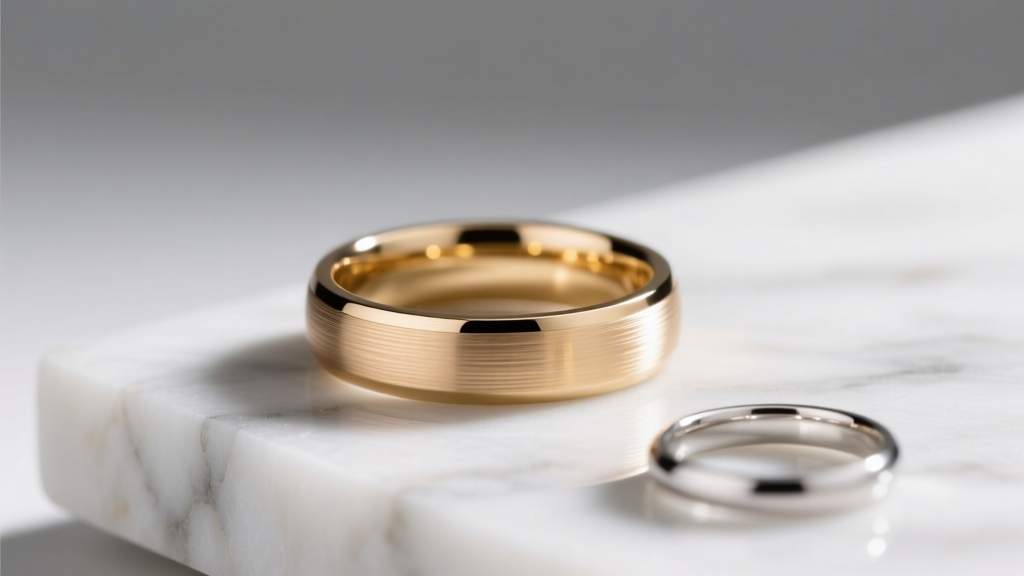 How to Choose a Wedding Band With a Brushed Finish
 How to Protect and Store Wedding Jewelry
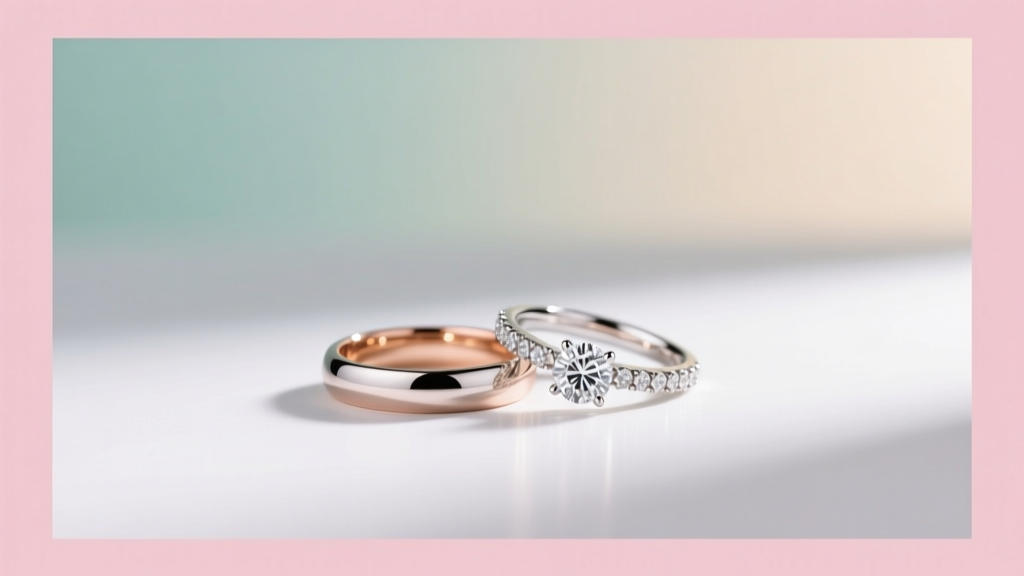 Lab-Grown vs Natural Diamonds: Honest 2026 Comparison
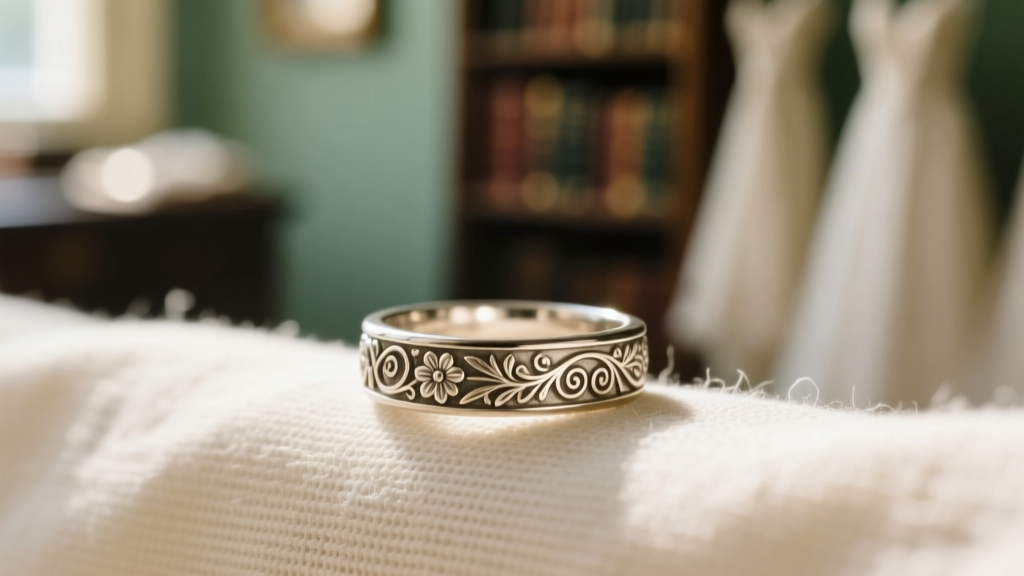 How to Choose an Engagement Ring With a Vintage Engraving
 Jewelry Making Safety Tips for Beginners
 Wedding Ring Cleaning Frequency: Science-Backed Guide
 Claddagh Wedding Ring: Left vs. Right Hand Rules (2026)
 Princess Cut Diamonds Modern Square Brilliance
 How to Sell Wedding Band Safely & Profitably (2026)
 Shower With Wedding Ring? 3 Steps to Prevent Damage