How to Choose an Engagement Ring With a Vintage Engraving
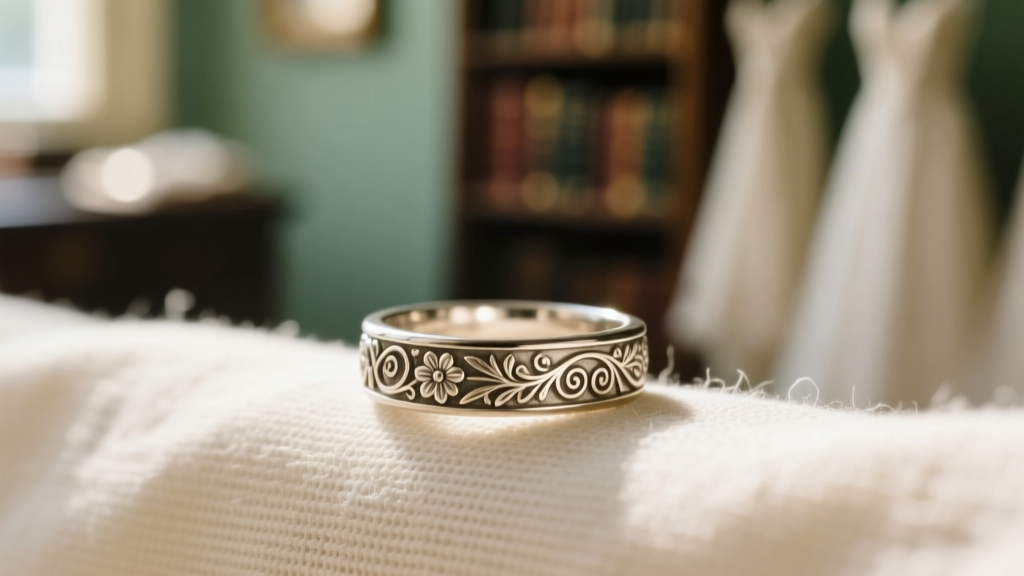
Vintage engraving has a way of making an engagement ring feel personal from the very first glance. The fine lines, scrolling vines, delicate milgrain borders, or Art Deco geometry add a sense of history—even when the ring is newly made. For many couples, an engraved engagement ring also bridges two styles at once: it delivers the romance of an heirloom with the reliability of modern craftsmanship.
Choosing the right engraving is more than picking a pretty pattern. Engraving interacts with your metal choice, your setting, your diamond or gemstone, and even your lifestyle. Done well, it elevates the entire ring; done poorly, it can wear down quickly or compete with the center stone. This guide walks you through the materials, styles, and quality factors that matter when shopping for a vintage-inspired engraved engagement ring (and how to match it with wedding bands).
What “Vintage Engraving” Means in Engagement Rings
In jewelry, “vintage engraving” usually refers to decorative hand-engraved or machine-engraved patterns on the shank (band), shoulders, gallery (the area under the center stone), or around the setting. Common motifs include scrollwork, wheat patterns, flowers, and geometric lines—often paired with milgrain (tiny beaded edges) for a true antique look.
Hand engraving vs. machine engraving
- Hand engraving: Cut by a master engraver using traditional tools (like gravers). It typically has more depth, subtle variation, and crisp line work. Hand engraving is prized for artistry and durability when executed well.
- Machine engraving (or cast engraving): Patterns are etched or engraved by machine, or the design is cast into the ring. It’s usually more affordable and consistent, though cast details can soften faster with wear.
If you love the authentic heirloom feel and want the engraving to last, prioritize true hand engraving or high-quality machine engraving cut after casting (not merely cast-in texture).
Choose a Vintage Era Style That Matches Your Taste
Vintage-inspired engagement rings often take cues from specific eras. Knowing the difference helps you pick an engraving style that feels “you” rather than simply “old-fashioned.”
Victorian (1837–1901): romantic and nature-inspired
Look for floral engraving, vines, leaves, and curved scrolls. Settings often feature halos or cluster looks, and the overall vibe is ornate. This style pairs beautifully with round brilliant, oval, and cushion-cut diamonds, as well as colored gemstones like sapphire, ruby, or morganite.
Edwardian (1901–1915): delicate, lace-like detail
Edwardian-inspired rings tend to look airy and refined with filigree, milgrain, and graceful engraving. Platinum is the classic metal for this style. Pair it with an old European cut diamond look (or a modern round with a vintage setting) for timeless elegance.
Art Deco (1920s–1930s): bold geometry and symmetry
Art Deco engraving leans toward crisp lines, chevrons, and repeating geometric patterns. Popular center stones include emerald cut, Asscher cut, and cushion cut diamonds, often with baguette side stones. This is a strong match for couples who want “vintage” with a clean, structured feel.
Mid-century (1940s–1960s): subtle engraving with strong silhouettes
Many mid-century rings use engraving as an accent rather than the main event. Think tapered shoulders with fine etched lines, paired with classic solitaire or three-stone settings.
Metal Choices: How They Affect Engraving and Wear
The best metal for an engraved engagement ring depends on how crisp you want the detail, how often you’ll wear it, and how comfortable you are with patina and maintenance.
Platinum: the heirloom favorite
Platinum is dense, durable, and ideal for fine jewelry. It develops a soft patina over time rather than thinning quickly, which can help preserve structural integrity around engraved areas. Crisp hand engraving in platinum can look spectacular, especially for Edwardian and Art Deco styles.
- Pros: Excellent durability, secure for prongs, classic vintage look.
- Considerations: Higher cost; patina may soften high-polish contrast (engraving is still there, but the shine changes).
18K gold: rich color, great for detail
18K yellow or rose gold is a popular choice in current jewelry trends, especially for vintage-inspired engagement rings. It has a warm glow that makes engraved patterns stand out. It’s softer than 14K, which can mean slightly faster wear on very fine edges.
14K gold: practical for everyday wear
14K gold is a smart balance for an engraved ring: it’s durable, more budget-friendly, and holds up well to daily use. It’s a strong pick if you want an engagement ring you rarely take off.
White gold: bright and modern, with upkeep
White gold can look sleek with engraving, but it’s often rhodium-plated for a bright finish. Over time, rhodium wears and needs re-plating to keep the color consistent—especially if engraving creates contrast areas.
Center Stones and Cuts That Complement Vintage Engraving
Engraving is visual texture, so it pairs best with stones and shapes that either echo that detail or provide a clean focal point.
Diamond cuts with vintage character
- Old European cut / Old mine cut: Antique-style diamonds with chunkier facets and softer sparkle. These look incredible in engraved vintage settings.
- Cushion cut: A timeless classic for vintage vibes; works in halos, solitaires, and three-stone rings.
- Oval and round brilliant: Popular modern choices that still suit vintage engraving when set with milgrain or hand-engraved shoulders.
- Emerald and Asscher cuts: Perfect for Art Deco engraving; their clean lines balance ornate bands.
Colored gemstones for heirloom personality
Sapphires (especially deep blue, teal, or peach) are a top trend in engagement rings and pair naturally with vintage engraving. Rubies and emeralds also look stunning, but require more attention to durability and care. For everyday wear, prioritize stones with strong hardness and toughness; sapphire and ruby (corundum) are excellent options.
Settings That Showcase Engraving (Without Overcrowding)
Solitaire with engraved shoulders
A solitaire engagement ring with engraving on the shoulders is a classic, balanced choice. The center diamond stays the star, while the detailing adds vintage charm. This style is also easier to pair with wedding bands.
Halo settings with milgrain and engraving
Halos naturally lend themselves to vintage design. Look for milgrain edges and a hand-finished gallery. If the halo already has lots of detail, keep shank engraving more refined so the ring doesn’t feel too busy.
Three-stone rings with engraved shanks
Three-stone rings are meaningful (past, present, future) and look especially elegant with subtle engraving. Consider tapered baguettes for Art Deco style or round side stones for a softer, romantic feel.
Bezel or semi-bezel for active lifestyles
If you love the idea of engraving but worry about snagging prongs, consider a bezel-set diamond or gemstone with an engraved band. It’s a modern-meets-vintage approach that’s trending with couples who want practicality without sacrificing style.
Quality Factors: What Separates a Beautiful Engraved Ring From a Disappointing One
- Engraving depth and crispness: Fine lines should be sharp and intentional, not fuzzy or shallow. Soft, “melted” details can indicate cast-only patterns.
- Symmetry and alignment: Patterns should mirror cleanly on both sides and line up at the bottom of the shank (unless it’s intentionally plain for resizing).
- Milgrain quality: Beading should be even and consistent, not flattened or irregular.
- Prong and setting craftsmanship: Vintage detailing shouldn’t compromise security. Check prong thickness, stone stability, and overall balance.
- Comfort fit: Ornate rings can feel sharp if the edges aren’t finished well. A slightly rounded interior can make daily wear easier.
Practical Buying Tips (and How to Match a Wedding Band)
Decide where you want the detail
If you plan to wear your engagement ring with a wedding band every day, focus engraving on areas that won’t be hidden. Many couples choose engraved shoulders and a detailed gallery, while keeping the lower shank simpler for comfort and resizing.
Check wedding band compatibility early
Vintage settings—especially halos—can sit low or have shapes that prevent a band from sitting flush. Consider:
- Contoured or curved wedding bands that hug the engagement ring.
- Notched bands (custom fit for a seamless look).
- Spacer bands to protect engraving from rubbing if the rings sit tightly together.
Ask for close-up photos or a loupe view
Engraving is all about detail. Whether you shop online or in-store, request macro images of the shank, shoulders, and gallery. Look for clean cuts and consistent patterning.
Plan for resizing
Resizing can disrupt engraving at the bottom of the band. If your size is likely to change (or you’re unsure), choose a design with a small plain section at the base, or ask whether the jeweler can re-engrave after resizing.
Care and Maintenance: Keeping Engraving Sharp
- Clean gently: Use warm water, mild dish soap, and a soft toothbrush. Rinse well and pat dry with a lint-free cloth.
- Avoid harsh chemicals: Chlorine and strong cleaners can damage metal finishes and some gemstones.
- Remove for heavy work: Gardening, weightlifting, and home improvement can wear down fine milgrain and engraving over time.
- Schedule professional checks: Every 6–12 months is ideal for prong inspection and a professional cleaning, especially for rings with delicate detail.
- Polish thoughtfully: Over-polishing can soften engraving. Ask your jeweler to preserve detail and avoid aggressive buffing on engraved areas.
Price Range and Value Tips
Engraved engagement rings span a wide range depending on metal, center stone, and whether the engraving is hand-done.
- Budget-friendly vintage look: $800–$2,000 for a 14K gold setting with machine engraving, plus the cost of a center stone (lab-grown diamonds can stretch value significantly here).
- Mid-range with stronger craftsmanship: $2,000–$6,000 for more substantial metal weight, higher-quality engraving, milgrain, and a well-made setting. Add $1,500–$8,000+ depending on diamond size and quality.
- Heirloom-level hand engraving: $5,000–$12,000+ for hand-engraved platinum or 18K settings, intricate galleries, and custom work, plus the center diamond or gemstone.
Value tips: Consider a lab-grown diamond for a larger carat size while investing in better craftsmanship (hand engraving, secure setting). If you prefer natural diamonds, prioritize cut quality for brilliance and choose a setting where engraving elevates the design without requiring extreme complexity.
Common Mistakes to Avoid
- Choosing ultra-fine engraving for a rough lifestyle: If you rarely take your ring off, go for deeper engraving, sturdier milgrain, and protective settings.
- Ignoring band pairing: Many couples fall in love with a vintage halo ring, then discover their wedding band won’t sit flush. Check fit before committing.
- Overloading detail everywhere: Engraving, filigree, milgrain, pavé, and an ornate halo can compete. Pick one or two hero details for a balanced look.
- Assuming all “vintage-inspired” rings are equal: Some designs rely on shallow cast texture that wears quickly. Ask how the engraving is made.
- Polishing too aggressively: Routine polishing can blur engraving over time. Request detail-preserving maintenance.
FAQ: Vintage Engraved Engagement Rings
Does engraving wear off over time?
Engraving can soften with years of wear, especially if it’s shallow or cast-in. Deep hand engraving and sturdier patterns hold up best. Gentle cleaning and avoiding heavy abrasion help preserve detail.
Is platinum or gold better for an engraved engagement ring?
Platinum is excellent for durability and a true heirloom feel, especially with delicate Edwardian or Art Deco designs. 14K and 18K gold also work beautifully; 14K is more scratch-resistant for daily wear, while 18K offers a richer color and classic vintage warmth.
Can I resize an engraved ring?
Yes, but resizing may disrupt the engraving at the bottom of the band. Many designs leave a small plain area for sizing. If the pattern runs all the way around, ask whether re-engraving is available after resizing.
What wedding band looks best with a vintage engraved engagement ring?
A matching engraved wedding band is the most seamless choice, but simple polished bands can also look elegant and keep the focus on the engagement ring. For non-flush fits, consider a curved/contoured band or a custom notched band.
Are vintage engraved rings secure for everyday wear?
They can be, as long as the setting is well-made. Look for sturdy prongs, a solid shank thickness, and a design that protects the center stone. If you’re very active, consider a bezel or lower-profile setting.
Do vintage engravings work with modern diamond shapes like oval or pear?
Absolutely. Ovals are especially popular right now and look stunning with engraved shoulders and milgrain. Pear shapes can also work beautifully—just aim for balanced detailing so the ring doesn’t feel visually top-heavy.
Your Next Step: Choose Detail That Fits Your Life and Your Love Story
The best vintage engraved engagement ring blends beauty with practicality: an engraving style you’ll still adore years from now, a metal that fits your routine, and craftsmanship that keeps every line crisp and secure. If you’re torn between options, start with the fundamentals—center stone shape, setting style, and metal—then select an engraving pattern that complements rather than competes.
Keep exploring more engagement ring and wedding band guides on weddingsift.com to compare settings, gemstones, and timeless design details before you make your final choice.
More Articles
 Diamond Bezel Settings Protection and Modern Appeal
 How to Choose a Wedding Band That Complements Her Ring
 How to Wear Your Wedding Ring and Band the Right Way
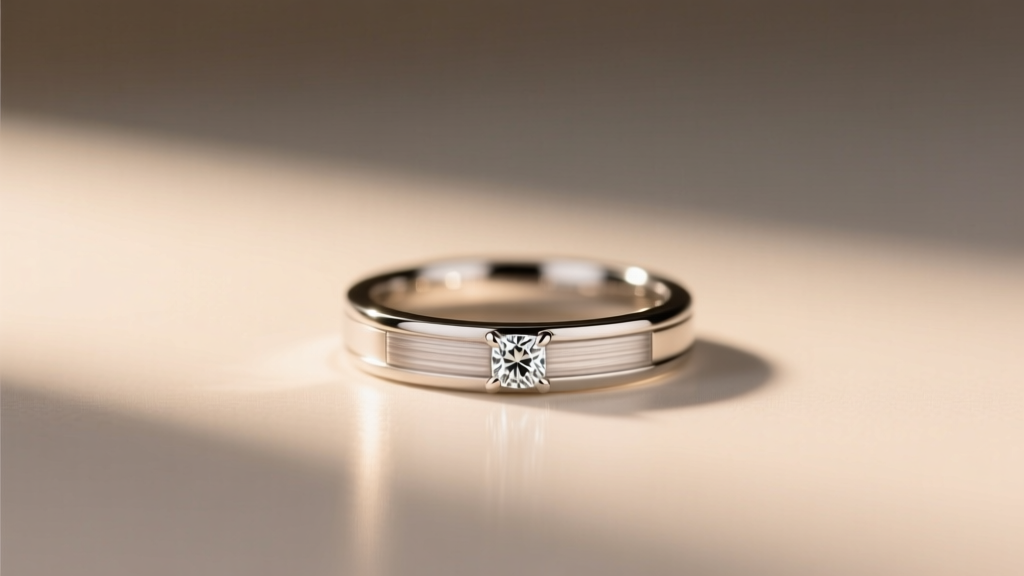 How to Choose an Engagement Ring With an East-West Setting
 Jewelry Making for Beginners: First Projects
 Necklace Tips for Strapless Wedding Dresses
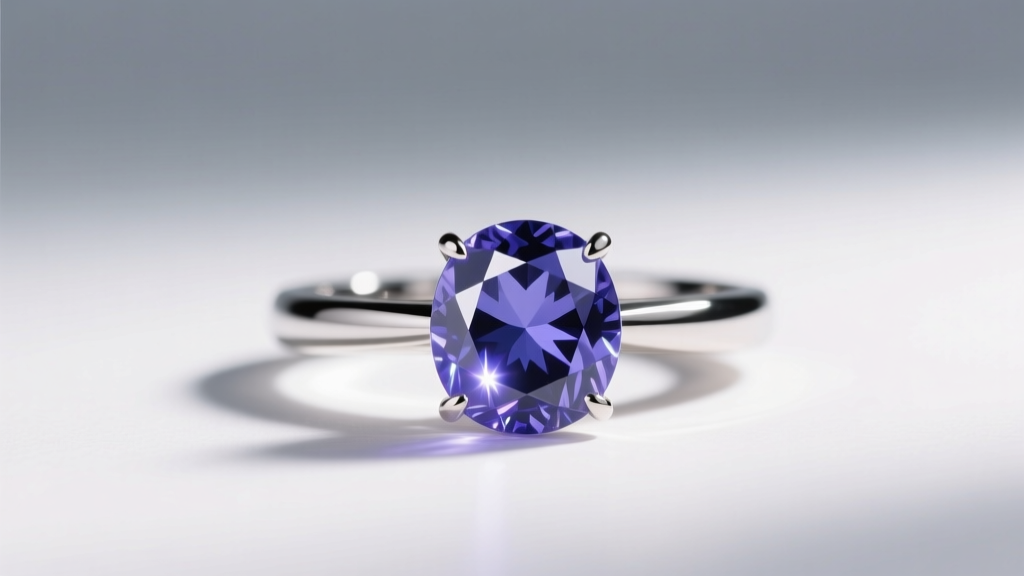 Tanzanite Engagement Rings Rare Blue-Violet Gemstone
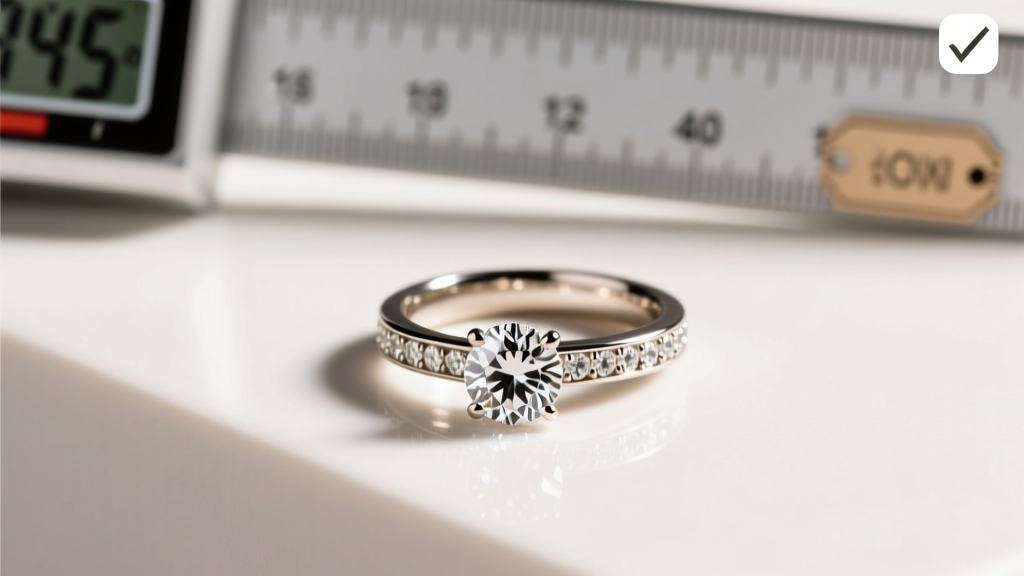 Brittany Mahomes’ Wedding Ring: Carat Weight & Cost (2026)
 Plan Themes Essentials: A Metalsmith’s Practical Framework for Jewelry Design Consistency
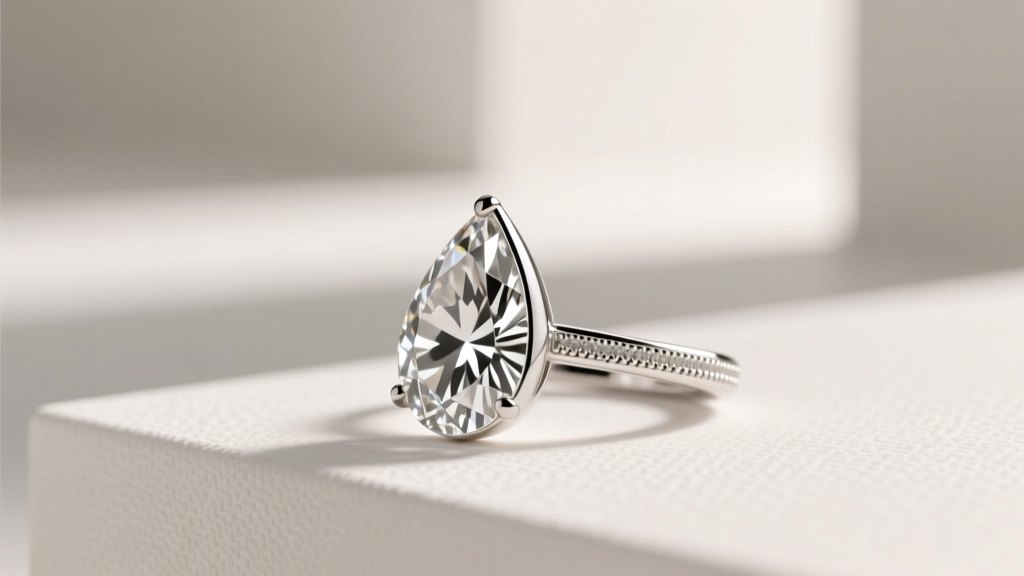 Pear-Shaped Diamonds Teardrop Elegance