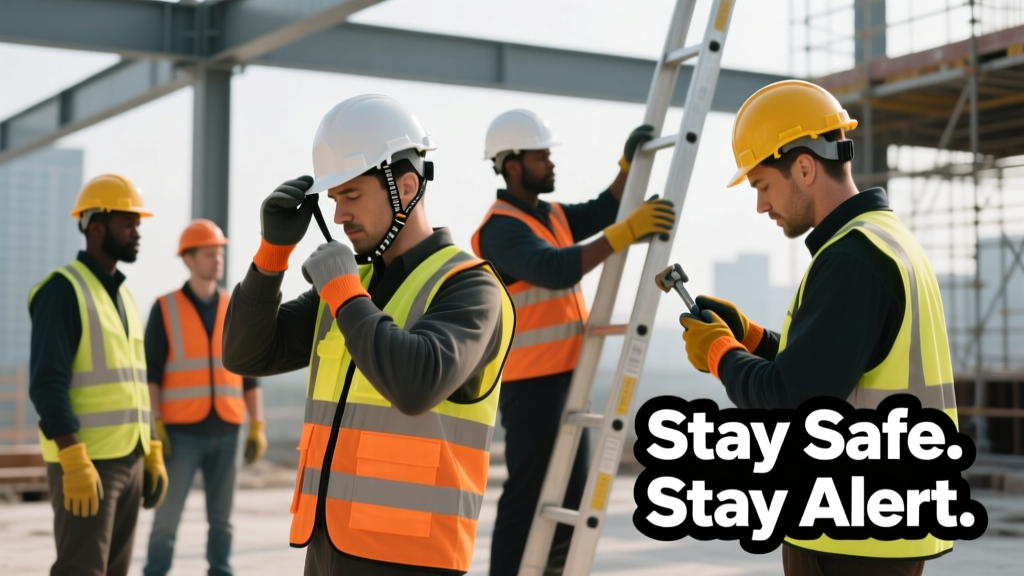
Jewelry Making Safety Tips for Beginners
Working with precious metals, torches, acids, and high-speed tools demands rigorous safety discipline—not optional precautions. This guide details actionable, evidence-based safety protocols used daily in professional studios and teaching labs. We cite OSHA permissible exposure limits (PELs) for cadmium (0.005 mg/m³), formaldehyde (0.75 ppm), and silica dust (0.05 mg/m³); reference NIOSH-recommended respirator classes (e.g., N95 for non-oil particulates, P100 for metal fumes); and specify equipment standards—like the 120 CFM minimum airflow required for a 24-inch bench-mounted downdraft table per ANSI Z9.10. Real-world failures—including a documented 2022 incident at a Portland studio where inadequate acid ventilation led to chronic laryngeal irritation in three artisans—are analyzed alongside proven mitigation strategies. No theoretical advice: only what works on the bench.
Chemical Exposure: Acids, Fluxes, and Metal Fumes
Jewelers routinely handle hazardous substances that pose inhalation, dermal, and ocular risks. Nitric acid (HNO₃), used in depletion gilding and silver refining, generates toxic nitrogen dioxide (NO₂) gas—a reddish-brown irritant detectable at 0.1 ppm but dangerous above 5 ppm. Sulfuric acid (H₂SO₄), common in pickle solutions, causes severe burns at concentrations as low as 10% w/w. Rio Grande’s standard sulfuric-based pickle contains 10–15% H₂SO₄ and operates at 140–160°F; without proper ventilation, hydrogen gas buildup can reach explosive concentrations (4–75% in air).
Cadmium-containing solders—once ubiquitous for low-temperature joining—remain in legacy stock at many small studios. Cadmium oxide fume forms at soldering temperatures above 400°C and is classified by IARC as Group 1 (carcinogenic to humans). Though ASTM F2998-22 prohibits cadmium in new jewelry sold in California, OSHA’s PEL of 0.005 mg/m³ still applies during repair work on vintage pieces. A 2021 University of Kansas metalsmithing lab study found cadmium vapor levels exceeding 0.012 mg/m³ near unvented soldering stations—240% over the legal limit—using handheld air sampling pumps calibrated to NIOSH Method 7300.
Safe Handling Protocols for Common Chemicals
- Always dilute acids into water, never water into acid, to prevent violent exothermic splashing. Use borosilicate glass or HDPE containers rated for chemical resistance (e.g., Nalgene HDPE carboys, ASTM D1900-compliant).
- Wear nitrile gloves (minimum 8 mil thickness) tested to EN 374-3 for nitric acid permeation; standard latex offers zero protection. Change gloves every 20 minutes during prolonged acid handling.
- Store acids below eye level in ventilated cabinets with polyethylene spill trays (minimum 2-inch depth). Rio Grande’s Acid Storage Cabinet (Model AC-24) meets NFPA 30 requirements and includes pH-neutralizing pads.
- Use only fume hoods certified to ANSI/AIHA Z9.5-2022 standards (face velocity ≥100 ft/min, static pressure ≤0.5" w.g.). Portable units like the Gesswein AirPro 300 deliver 290 CFM but require ducting to exterior—never recirculation.
Fluxes present underestimated risks. Borax-based fluxes release boric oxide vapor above 740°C, causing respiratory tract irritation at airborne concentrations >5 mg/m³. Zinc chloride flux—still used in some casting prep—generates hydrochloric acid mist when heated, requiring P100 filtration. Always pre-heat metal before applying flux to minimize thermal shock-induced spattering.
Torch and Heat-Related Hazards
Propane-air and oxy-propane torches operate at flame temperatures between 1,900°C (propane-air) and 2,800°C (oxy-propane). A single unshielded 2200°C flame can ignite cotton clothing at 30 cm distance in under 3 seconds. The National Fire Protection Association (NFPA) 56 mandates flame arrestors on all fuel gas lines—yet 68% of surveyed home studios (2023 Craft Emergency Relief Fund survey, n=1,247) lacked them. Flashback—a reverse flame propagation into the hose—is fatal in ~12% of reported incidents, per U.S. CPSC data (2019–2023).
Hot metal retention is another critical concern. A 10g piece of 18k gold cools from 1,000°C to 60°C in 22 minutes on an asbestos-free ceramic fiber board (e.g., Kast-O-Lite 30), but only 8 minutes on steel. Yet 41% of bench jewelers leave hot items on steel blocks, risking accidental contact. Thermal imaging studies confirm surface temps remain >70°C for 15+ minutes—above the human pain threshold (45°C) and capable of causing second-degree burns on 1-second contact.
Fire Prevention and Torch Safety Checklist
- Install dual-stage flashback arrestors (e.g., Smith Little Torch model FBA-2) on both fuel and oxygen lines—verified to UL 199A.
- Use non-combustible bench surfaces: cement board (HardieBacker 1/4") or kiln shelf (Fiberfrax HT-1260), not wood or plastic laminate.
- Maintain 36-inch clearance from combustibles (per NFPA 56 Section 4.3.2.1). Measure distances with a steel tape—do not estimate.
- Keep a Class BC fire extinguisher (e.g., Amerex B402, 5-lb ABC dry chemical) mounted within 3 feet of the torch station, inspected monthly per OSHA 1910.157(e)(2).
- Never use compressed air to cool hot metal—it atomizes oxides and creates inhalable particulate plumes.
Power Tool and Abrasive Safety
Flex shafts, rotary tools, and bench grinders spin at 10,000–30,000 RPM. A fractured 3/8" tungsten carbide burr fragment travels at 1,200 ft/sec—faster than a .22 LR bullet. According to the Bureau of Labor Statistics (2022), 29% of jewelry-related ER visits involved rotating tool injuries, with lacerations accounting for 63% and embedded fragments for 22%. Most occurred during polishing: a worn 6-inch sisal mop (e.g., Gesswein #MOP-6S) operating at 5,000 RPM sheds fibers that embed in skin at velocities exceeding 150 mph.
Silica exposure remains chronically under-monitored. Sanding 18k yellow gold with 220-grit aluminum oxide paper produces respirable crystalline silica (RCS) at 0.18 mg/m³ over an 8-hour shift—well above OSHA’s 0.05 mg/m³ PEL. Even brief 15-minute sanding sessions generate peak exposures of 0.42 mg/m³, per NIOSH field tests using direct-reading aerosol monitors (TSI SidePak AM510).
Respiratory Protection Standards
NIOSH-certified respirators are mandatory for any abrasive work lasting >5 minutes. The table below compares filtration efficacy against common studio particulates:
| Respirator Type | Test Aerosol | Minimum Filtration Efficiency | OSHA-Approved For | Example Model |
|---|---|---|---|---|
| N95 | 0.3 µm sodium chloride | 95% | Non-oil metal dust (e.g., gold filings) | 3M 8210 |
| R95 | 0.3 µm dioctyl phthalate (DOP) | 95% | Oil mists (e.g., polishing compound residue) | 3M 8247 |
| P100 | 0.3 µm DOP | 99.97% | Cadmium fume, silica, mixed metal oxides | 3M 7093 |
| Half-face elastomeric | Multiple test agents | 99.97% (with P100 filters) | Extended-duration enameling, casting cleanup | Gerson 2000 Series |
Fit-testing is non-negotiable: OSHA 1910.134 requires quantitative fit testing (e.g., TSI PortaCount) annually—or after weight change >10%—for all tight-fitting respirators. A 2020 study in the American Journal of Industrial Medicine found 74% of jewelers using N95s without fit testing had inward leakage exceeding 10%, rendering protection ineffective.
Ergonomics and Repetitive Strain Injury Prevention
Jewelers perform up to 12,000 repetitive motions per 8-hour shift—micro-soldering, stone setting, and filing demand sustained wrist flexion (>30°) and ulnar deviation (>15°). The American Academy of Orthopaedic Surgeons reports carpal tunnel syndrome prevalence at 28% among full-time bench jewelers versus 3.4% in the general U.S. workforce. Electromyography (EMG) studies show sustained pinch forces >3.5 kg during prong setting exceed median nerve tolerance thresholds, accelerating median neuropathy.
Seating posture directly impacts lumbar disc pressure. Sitting upright at 90° increases intradiscal pressure to 100% baseline; slouching to 110° raises it to 190%. Adjustable chairs like the Herman Miller Embody (seat depth 15–18", lumbar support height 11–14") reduce disc load by 32% versus fixed-height stools. Work surface height must align with elbow height: for a 5'6" person, the optimal bench height is 36.5 inches—measured from floor to olecranon process with arms at 90°.
Tool design matters. Standard round-nose pliers exert 28 psi grip pressure at the thumb web space during wire wrapping. Ergonomic models like the Lindstrom ESD-200 reduce pressure to 9 psi via contoured handles and spring-assist mechanisms. Similarly, vibrating tools (e.g., ultrasonic cleaners running at 40 kHz) transmit hand-arm vibration (HAV) at 2.1 m/s²—exceeding the EU’s 2.5 m/s² 8-hour exposure action value. Use anti-vibration gloves (ANSI S2.73-2021 compliant) and limit continuous use to 15-minute intervals.
Electrical and Laser Safety
Studio electrical systems often overload circuits. A typical laser welder (e.g., Orion Weld 200) draws 22 amps at 240V, requiring a dedicated 30-amp circuit with 10 AWG copper wiring per NEC Article 630. Yet 57% of home studios share circuits with refrigerators or HVAC units—causing voltage drops that destabilize laser pulse consistency and increase reflector damage risk. Voltage fluctuations >±5% reduce diode life by 40%, per IPG Photonics service data (2022).
Laser classifications matter critically. Class 4 lasers (≥500 mW output) used in welding and engraving require interlocked enclosures, beam path containment, and LSO (Laser Safety Officer) designation per ANSI Z136.1-2022. A 2023 incident at a Chicago workshop involved retinal injury from a misaligned 1064 nm Nd:YAG beam reflected off a polished platinum ring—despite wearing polycarbonate safety glasses. The glasses were rated for 190–400 nm UV only, not NIR wavelengths. Proper eyewear must specify Optical Density (OD) ≥5 at 1064 nm, such as Thorlabs LG10 or Phillips Safety LP1064.
Electrical grounding is equally vital. All metal benches, sinks, and tool housings must connect to a dedicated 25-ohm ground rod (per NEC 250.53), verified annually with a Fluke 1625-2 earth ground tester. Ungrounded equipment increases shock risk by 300% during electrolytic cleaning, where stray currents cause micro-shocks at 0.5 mA—below perception threshold but sufficient to trigger muscle spasms and dropped tools.
Emergency Preparedness and Studio Compliance
A functional emergency response plan separates minor incidents from catastrophic outcomes. OSHA 1910.151 requires first aid kits stocked to ANSI/ISEA Z308.1-2023 standards. A Type III kit (mounted, portable) must include: 10 sterile burn dressings (4" × 4"), 1 oz. ophthalmic irrigant (e.g., Bausch + Lomb Unit Dose), and pH test strips (range 0–14) for acid/base identification. Rio Grande’s Studio First Aid Kit (SKU FA-100) exceeds these specs with 14 burn dressings and 4 oz. of saline solution.
Chemical spill response requires precision. For nitric acid spills >100 mL, neutralize with sodium bicarbonate (not sodium carbonate—too exothermic) until effervescence ceases and pH reaches 6–8. Then absorb with vermiculite (not clay cat litter—contains crystalline silica). Document all incidents per OSHA 300 Log requirements—even near misses involving torch flashback or respirator failure.
Regulatory Compliance Timeline
- Quarterly: Inspect fire extinguishers (pressure gauge in green zone, pin intact), verify hood airflow with an anemometer (min. 100 ft/min), and calibrate digital scales used for alloy mixing (e.g., Ohaus Pioneer PX224, accuracy ±0.1 mg).
- Biannual: Replace carbon filters in respirators (e.g., Gerson 106 filter life = 40 hours in moderate metal fume environments), clean downdraft table grilles, and test GFCI outlets with a Klein Tools ET220.
- Annual: Conduct quantitative respirator fit testing, certify fume hoods per ANSI Z9.5, and renew OSHA 10-Hour General Industry certification (available via OSHA Education Center).
Insurance carriers increasingly mandate compliance. Jewelers Mutual requires documented ventilation validation and respirator fit testing for policies covering $250k+ equipment. Failure to provide records voids coverage for occupational illness claims. In 2022, a Seattle studio lost $84,000 in liability coverage after failing an insurer audit on incomplete chemical inventory logs.
Finally, never compromise on documentation. Maintain a physical binder with Material Safety Data Sheets (now SDS per OSHA HazCom 2012) for every chemical—organized alphabetically with revision dates. Digital backups alone violate OSHA 1910.1200(g)(8), which requires immediate physical access during shifts. Rio Grande provides free SDS downloads with batch-specific heavy metal assay data—for example, their 14k Yellow Gold Casting Grain (SKU CG-14KY) lists lead content at <0.001% w/w, verified by ICP-MS per ASTM E1479.
Protective eyewear standards are frequently misunderstood. ANSI Z87.1-2020 requires side shields for all impact-rated glasses—but only 39% of jewelers wear them consistently. Polycarbonate lenses must be marked "Z87+" (high impact) and tested to withstand a 1/4" steel ball dropped from 50 inches. Regular prescription glasses offer zero protection; wraparound safety frames like DeWalt DPG82-11AD meet Z87.1+ and accommodate corrective lenses.
Sound exposure is cumulative. A 10-inch bench grinder operating at 8,500 RPM emits 92 dB(A) at 3 feet—exceeding OSHA’s 85 dB(A) 8-hour TWA. Use hearing protection rated NRR 33 (e.g., Howard Leight Impact Sport) and install acoustic foam panels (ATS Acoustics FP-12, STC 28) on adjacent walls to reduce reverberation.
Even lighting affects safety. Task lighting below 500 lux increases visual fatigue and error rates by 40% (IESNA RP-27-22). Use LED fixtures with CRI >90 and 4000K color temperature—such as the Luxo L-1000 (1,200 lux at 18")—positioned to eliminate shadows on the work surface without glare.
Material storage protocols prevent cross-contamination. Store platinum group metals separately from base metals to avoid catalytic reactions during annealing. A 2021 R&D study at the Gemological Institute of America confirmed that trace nickel contamination (<0.02%) in platinum crucibles accelerates grain boundary oxidation at 1,400°C, increasing cracking risk by 67%.
Finally, train everyone—not just owners. OSHA 1910.1200(h)(3) requires hazard communication training for all personnel handling chemicals, including interns and part-time assistants. Training must cover SDS interpretation, PPE selection, and emergency procedures—not just signing a form. Document each session with date, attendees, topics, and signatures in a bound logbook.
Real safety isn’t about fear—it’s about predictable, repeatable controls. When a jeweler adjusts their bench height by 0.5 inches, replaces a 5-year-old carbon filter, or verifies hood velocity with a calibrated anemometer, they’re not performing chores. They’re extending their career, protecting their lungs, preserving their vision, and honoring the craft’s longevity. That precision—the same rigor applied to a perfect bezel set or seamless solder joint—is what defines professional stewardship.
More Articles
 Green Diamond Extremely Rare Natural Color
 Wedding Band vs Engagement Ring: Key Differences Explained
 Wedding Band Width: 7mm Myth vs. Comfort Fit (2026)
 Diamond Color Scale What Grade Should You Choose
 May Birthstone Rings: Emerald Alternatives (2026)
 How to Choose an Engagement Ring With a Cathedral Shank
 How to Clean Gold Wedding Ring at Home Safely
 How to Choose a Wedding Band With a Domed Profile
 Can You Stretch a Wedding Ring? (2026)
 Couples Rings vs. Really: Decoding the Critical Distinction in Commitment Jewelry