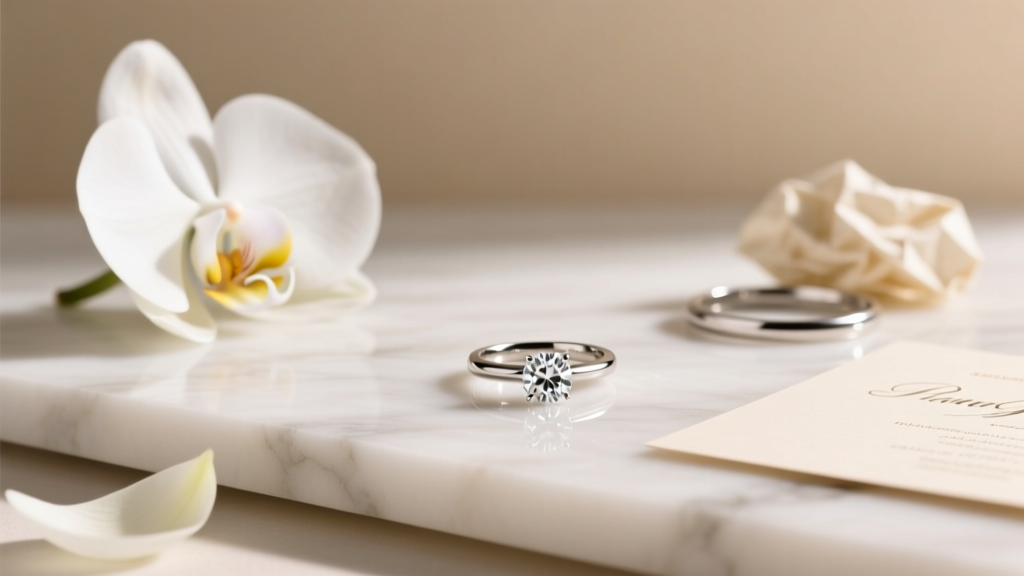
How to Choose the Perfect Engagement Ring for Her
Choosing an engagement ring is one of the most personal purchases you’ll ever make. It’s not just a piece of jewelry—it’s a daily-wear symbol of your relationship, her style, and the life you’re building together. The “perfect” ring isn’t defined by a single carat size or a trending design; it’s the ring that fits her taste, your budget, and the practical realities of how she lives.
If you’re shopping as a couple, you have an advantage: you can align on priorities early and avoid guesswork. If you’re planning a surprise, a little smart research goes a long way. This guide breaks down engagement ring styles, diamond and gemstone choices, metal options, craftsmanship details, and price strategies—so you can shop with confidence and focus on what matters most.
Start With Her Style: Classic, Modern, or Somewhere in Between
Before you compare diamonds or settings, get clear on what she’ll actually love wearing every day. Think of her current jewelry and wardrobe:
- Classic and timeless: Solitaires, round or oval diamonds, simple prongs, yellow or platinum metals.
- Modern and clean: Minimalist settings, bezel-set stones, emerald cuts, white gold or platinum.
- Romantic and vintage-inspired: Halo rings, milgrain edges, floral motifs, pavé bands, antique-style cuts.
- Bold and fashion-forward: East-west settings, chunky bands, toi et moi (two-stone) rings, mixed metals.
Current engagement ring trends lean toward ovals, elongated cushions, and emerald cuts, plus hidden halos and delicate pavé. Timeless classics like round brilliant solitaires and three-stone rings remain top choices because they pair easily with wedding bands and rarely feel dated.
How to find clues without ruining the surprise
- Check her everyday jewelry: does she wear yellow gold, white gold, or mixed metals?
- Look at her ring habits: does she prefer minimal pieces or sparkle-heavy styles?
- Ask a trusted friend or sibling to casually bring up ring styles.
- Browse a few engagement ring photos together “for fun” and watch what she saves or reacts to.
Choose the Center Stone: Diamond vs. Gemstone
Diamonds: the benchmark for durability
Diamonds remain the most popular center stone for engagement rings for a reason: they’re exceptionally durable (Mohs hardness 10), hold up well to daily wear, and offer unmatched brilliance when well cut. You’ll typically choose between:
- Natural diamonds: Formed in the earth; valued for rarity and tradition.
- Lab-grown diamonds: Chemically and optically the same as natural diamonds, typically offering more size for the budget.
Gemstones: color, personality, and meaning
Gemstone engagement rings are a beautiful way to reflect personal style. Popular options include:
- Sapphire: Excellent durability (Mohs 9), available in blue, pink, yellow, and more; a top choice for everyday wear.
- Ruby: Also Mohs 9; rich red color and strong symbolism.
- Emerald: Stunning green, but softer (around Mohs 7.5–8) and often included; needs extra care and protective settings.
- Morganite: Blush pink and romantic; more prone to scratching, best for careful wearers.
- Moissanite: Brilliant sparkle and very durable (Mohs 9.25); a popular diamond alternative.
Pro tip: If you love a softer gemstone, consider a protective setting (bezel or halo) and plan for occasional professional maintenance. For daily wear without worry, diamonds, sapphires, rubies, and moissanite are the most resilient choices.
Understand Diamond Quality: The 4Cs That Actually Matter
The 4Cs—cut, color, clarity, and carat—affect beauty and price, but they don’t all matter equally to the naked eye.
Cut: the sparkle maker
Cut quality has the biggest impact on brilliance. A smaller diamond with an excellent cut can outshine a larger stone with a poor cut. For round brilliants, prioritize Excellent or Ideal cut grades. For fancy shapes (oval, pear, emerald), look for strong light performance and pleasing proportions.
Color: balance white appearance with budget
Diamond color is graded from D (colorless) to Z (noticeable tint). In white metals (platinum/white gold), many shoppers land in the G–I range for a bright look without the top-tier price. In yellow gold, you can often go slightly warmer (such as H–J) while still looking beautiful.
Clarity: don’t overpay for what you can’t see
Clarity grades reflect internal inclusions and surface features. Many diamonds in the VS2–SI1 range look “eye-clean,” meaning inclusions aren’t visible without magnification. Always check photos or videos when possible—especially for SI grades.
Carat: size is only one part of presence
Carat measures weight, not face-up size. Some shapes (oval, marquise, pear) look larger per carat and are popular for maximizing visual impact.
Pick a Shape and Setting That Flatter Her Hand
Popular diamond cuts and what they convey
- Round brilliant: Maximum sparkle; timeless.
- Oval: Elongating effect on the finger; trendy but also classic.
- Emerald cut: Sleek “hall of mirrors” flashes; refined and modern.
- Princess cut: Sharp, contemporary sparkle; pairs well with angular settings.
- Pear: Elegant and unique; can be worn point-up or point-down depending on preference.
- Cushion: Soft, romantic shape; great for vintage-inspired designs.
Settings: style plus security
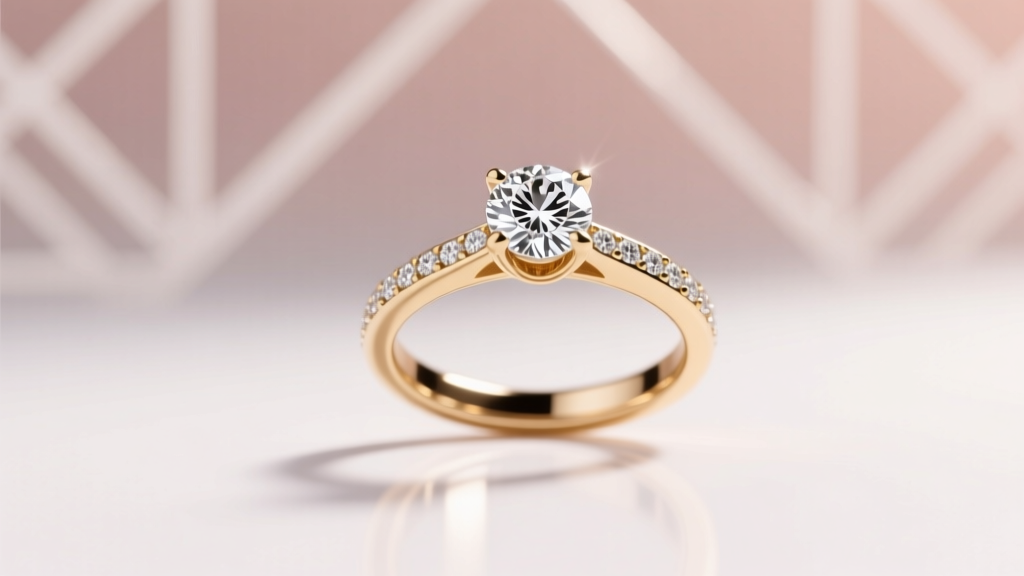
- Solitaire (prong): Classic, showcases the center stone; choose sturdy prongs for daily wear.
- Bezel: A metal rim protects the stone; excellent for active lifestyles and modern style.
- Halo: Adds sparkle and visual size; can be classic or glamorous depending on design.
- Three-stone: Symbolic and balanced; great for adding side stones or colored gems.
- Pavé band: Extra sparkle on the band; requires a bit more care to keep tiny stones secure.
Trend spotlight: Hidden halos (a ring of small diamonds beneath the center stone) are popular because they add sparkle from the side without changing the top view. Another modern favorite: east-west settings for oval or emerald cuts, turning the stone horizontally for a fresh look.
Choose the Right Metal: Durability, Color, and Comfort
The metal affects the ring’s look, longevity, and maintenance needs. For engagement rings and wedding bands, the most common options are:
Platinum
Pros: Naturally white, very durable, hypoallergenic, excellent for holding stones securely.
Considerations: Costs more; develops a soft patina over time (many people love this antique finish, but it can be polished).
14K and 18K Gold (Yellow, White, Rose)
14K gold: Durable and budget-friendly; great for everyday wear.
18K gold: Higher gold content and richer color, slightly softer.
White gold: Typically rhodium-plated for a bright white finish; may need re-plating over time.
Match the metal to her lifestyle
If she’s hands-on at work or active with sports, a slightly thicker band and protective setting (like bezel or low-profile prongs) can prevent snags and reduce impact risk. Comfort-fit bands and well-finished edges also make a big difference in daily wear.
Craftsmanship Details That Separate “Pretty” From “Perfect”
Two rings can look similar online but wear very differently in real life. Look for:
- Secure prongs: Even, sturdy, and well-finished; no sharp edges that catch on clothing.
- Balanced proportions: A thin band is elegant, but ultra-thin bands can bend over time—especially with larger center stones.
- Stone alignment: The center stone should sit straight; side stones should be symmetrical.
- Clean setting work: Pavé stones should sit evenly with minimal gaps and smooth metal beads.
- Quality certification: For diamonds, look for reputable grading reports (commonly GIA or IGI, depending on stone type).
Budget and Value: What Different Price Ranges Usually Offer
Engagement ring budgets vary widely, and the smartest approach is value-focused: choose the features she’ll notice most.
Under $1,500–$3,000
- Smaller natural diamonds, or larger lab-grown diamonds.
- Minimalist solitaire settings in 14K gold.
- Moissanite or sapphire center stones with excellent presence.
$3,000–$7,000
- Stronger center stone size/quality balance.
- More flexibility for halo, pavé, and three-stone designs.
- Potential upgrade to platinum or more intricate craftsmanship.
$7,000+
- Larger natural diamonds with higher color/clarity, or significant carat lab-grown diamonds.
- Premium designer-style detailing, custom work, or matching engagement ring and wedding band sets.
Value tips that work in any budget
- Prioritize cut for maximum sparkle.
- Choose “eye-clean” clarity instead of chasing flawless grades.
- Consider shape strategy: oval, pear, and marquise often look larger per carat than round.
- Spend on the setting where it counts: secure prongs and solid band thickness matter.
Practical Buying Tips for Engagement Rings and Wedding Bands
- Confirm ring size thoughtfully: Borrow a ring she wears on her ring finger (if possible) or ask a jeweler to size discreetly. Remember that wider bands can feel tighter.
- Think ahead to the wedding band: Some settings (large halos, low baskets, or ornate side details) can prevent a band from sitting flush. Ask about a matching wedding band or contoured band options.
- Check return and resizing policies: Especially for pavé bands or eternity styles that can be harder to resize.
- Ask about warranties and maintenance: Prong checks, cleanings, and rhodium re-plating (for white gold) can keep the ring looking new.
Care and Maintenance: Keep the Ring Sparkling for Years
Even the best engagement ring needs routine care. Everyday lotions, soap, and oils can dull sparkle—especially in settings with lots of small diamonds.
- Clean at home: Use warm water, mild dish soap, and a soft toothbrush. Rinse well and pat dry with a lint-free cloth.
- Avoid harsh chemicals: Remove rings before cleaning with bleach or abrasive products.
- Store safely: Keep the ring in a fabric-lined box or separate compartment to prevent scratching other jewelry.
- Schedule checkups: Have prongs and pavé inspected every 6–12 months, especially if she wears the ring daily.
Common Mistakes to Avoid When Shopping for an Engagement Ring
- Choosing size over cut: A poorly cut diamond can look dull even at a higher carat weight.
- Picking a delicate band that won’t last: Ultra-thin shanks can warp over time, particularly with larger center stones.
- Ignoring lifestyle: High-set stones and sharp prongs can snag and take more impact.
- Overpaying for high clarity: Flawless grades are rarely noticeable without magnification.
- Forgetting the wedding band fit: Some engagement ring styles require a curved or custom band to sit comfortably.
- Not verifying documentation: For diamonds and many gemstones, reliable grading and clear specs protect your purchase.
FAQ: Choosing the Perfect Engagement Ring for Her
What’s the best diamond shape for an engagement ring?
Round brilliant is the most classic and typically the sparkliest. Oval is a top current trend and flatters the finger with an elongated look. Emerald cut is ideal for a sleek, modern style with elegant flashes rather than intense sparkle.
Is platinum better than white gold for engagement rings?
Platinum is naturally white and very durable, making it excellent for prong security and daily wear. White gold is more budget-friendly but may need occasional rhodium re-plating to maintain its bright white finish.
Are lab-grown diamonds “real” diamonds?
Yes—lab-grown diamonds are chemically and optically the same as natural diamonds. The main difference is origin and, typically, price. Many couples choose lab-grown diamonds to maximize size or quality within budget.
How do I choose the right ring setting for her lifestyle?
If she’s active or works with her hands, consider a low-profile setting and protective options like a bezel or sturdy prongs. If she loves sparkle and doesn’t mind a bit more maintenance, pavé and halo styles can be a great match.
How often should an engagement ring be cleaned or checked?
A quick at-home cleaning every couple of weeks keeps it bright, especially for diamond engagement rings. A professional inspection every 6–12 months helps ensure prongs and small stones stay secure.
Should we buy the engagement ring and wedding band as a set?
Buying a set can simplify matching metals, style, and fit. If you buy separately, confirm the wedding band will sit flush (or plan for a contoured band) and match the engagement ring’s metal color and finish.
Your Next Step: Choose With Confidence
The perfect engagement ring is the one that fits her style, stands up to her everyday life, and feels like a natural extension of your story. Focus on the choices that create visible beauty—cut quality, a flattering shape, a secure setting, and a metal that matches her jewelry preferences. From there, fine-tune with thoughtful details like hidden halos, pavé accents, or a meaningful gemstone.
If you’re ready to keep going, explore more engagement ring and wedding band guides on weddingsift.com for practical comparisons, trend updates, and care tips that make shopping easier.
More Articles
 How to Choose an Engagement Ring on a Budget
 How to Plan a Ring Shopping Experience as a Surprise
 Clean Your Engagement Ring at Home Safely
 How to Choose a Wedding Band With a Ceramic Material
 How to Keep Wedding Rings Together Without Soldering
 Realistic Wedding Bands Drawing: Step-by-Step (2026)
 DIY Wedding Centerpiece Flowers on Any Budget
 Necklace Tips for Strapless Wedding Dresses
 How to Choose a Wedding Band With Diamond Accents
 Engagement and Wedding Ring Order: The Right Way