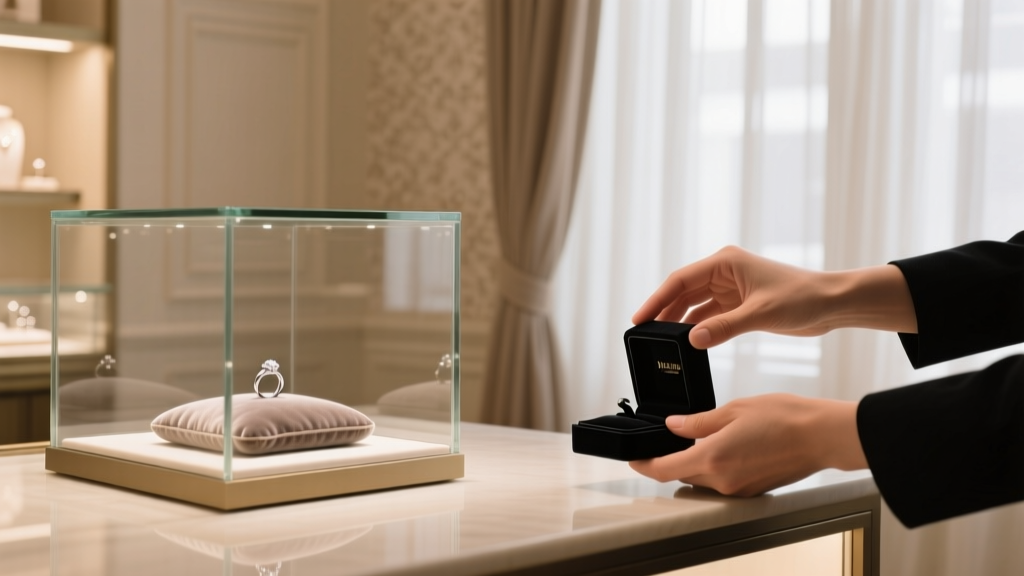
How to Plan a Ring Shopping Experience as a Surprise
Surprising your partner with an engagement ring—or even a “surprise” ring-shopping experience—can be one of the most memorable parts of your engagement story. Done well, it feels thoughtful and romantic, not rushed or risky. Done poorly, it can lead to stress, sizing issues, or a ring that doesn’t fit your partner’s lifestyle.
The good news: you can keep the magic of a surprise while still making a smart, informed purchase. Today’s couples also have more options than ever, from lab-grown diamonds and alternative gemstones to personalized settings and wedding band stacks designed to grow with your relationship.
This guide breaks down how to plan a surprise ring shopping experience with confidence—covering styles, metals, gemstone quality, budget planning, and the common mistakes that trip people up.
Decide What Kind of “Surprise” You’re Planning
Option A: You buy the engagement ring as a complete surprise
This is the traditional route: you pick the ring, propose, and the first time your partner sees it is in the moment. It’s romantic, but it requires extra homework—especially on ring size and style preferences.
Option B: You surprise them with the ring-shopping appointment
This is a modern favorite. You still create a surprise (“We’re going somewhere special”), but your partner gets to try on settings, compare diamond shapes, and be part of the decision. This can reduce returns and resizing while keeping the experience meaningful.
Option C: You propose with a temporary ring, then shop together
A simple solitaire, a family heirloom, or a minimalist band can stand in for the proposal. Afterward, you design or choose the final engagement ring together. This works especially well if your partner is particular about jewelry or you’re considering a custom ring.
Gather Style Clues Without Giving It Away
Check what they already wear
- Metal color: Do they lean toward yellow gold, white gold, rose gold, or platinum?
- Style vibe: Minimal and clean (solitaire), romantic (halo or vintage-inspired), bold (wide bands, elongated stones), or nature-inspired (leaf motifs)?
- Practicality: If they’re active, work with their hands, or wear gloves often, low-profile settings and durable metals matter.
Use “casual browsing” strategically
Bring up a friend’s engagement announcement, a celebrity ring trend, or a weddingsift.com guide you “just saw,” then listen. People often reveal preferences quickly: “I love oval diamonds” or “I don’t like halos.” If your partner uses Pinterest or Instagram, you can also note repeated patterns like emerald-cut solitaires or dainty pavé bands.
Recruit one trusted ally
A best friend, sibling, or close cousin can help confirm preferences and ring size—without creating a rumor mill. Keep the circle small to protect the surprise.
Plan the Shopping Experience: Timing, Store Choice, and Comfort
Choose the right moment
For a surprise appointment, schedule it when your partner can enjoy the experience—no rushing between errands. Weekdays are often quieter than weekends, which can mean more attentive service and a calmer environment.
Select a jeweler based on selection and service
Look for a store (or online jeweler with virtual appointments) that offers:
- Certified diamonds (GIA/IGI) and clear gemstone documentation
- Options for lab-grown diamonds, natural diamonds, and alternative gemstones
- Transparent return policies, warranties, and resizing terms
- Custom design or setting tweaks (band width, prong style, basket height)
Keep the surprise believable
If you’re surprising them with the appointment, tie it to a real plan: a brunch reservation, a city day, or a “wedding planning” errand for someone else. Build in time for trying on rings—most people need at least 45–90 minutes to compare shapes and settings thoughtfully.
Gemstones and Diamond Details: What Actually Affects Beauty
Natural diamonds vs. lab-grown diamonds
Natural diamonds are mined and typically hold higher resale value (though resale is rarely strong for any diamond). Lab-grown diamonds are chemically and optically real diamonds, usually costing 30–60% less for comparable size and quality. Trend-wise, lab-grown diamonds remain one of the strongest engagement ring shifts, especially for couples prioritizing size, clarity, or ethical sourcing.
The diamond shapes trending now (and the classics)
- Oval: Very popular for its flattering, elongating look and strong sparkle.
- Emerald cut: Timeless, elegant “hall-of-mirrors” flashes; shows inclusions more easily, so clarity matters.
- Pear and marquise: Bold, elongated shapes trending in east-west settings or with minimalist bands.
- Round brilliant: The classic; typically the most sparkly and often the priciest per carat.
- Princess and cushion: Classics with personality—cushion feels softer and vintage-leaning.
Cut, color, clarity, carat: practical guidance
- Cut: The biggest driver of sparkle. For round diamonds, prioritize Excellent/Ideal cut. For fancy shapes (oval, pear, emerald), ask for videos and performance details because grading is less standardized.
- Color: Many shoppers are happy in the G–I range (near-colorless), especially in yellow or rose gold. White metals (platinum, white gold) can make warmth more visible.
- Clarity: Look for “eye-clean” rather than a grade number. VS2–SI1 is often a smart value zone for rounds; emerald cuts may need higher clarity for a clean look.
- Carat: Carat is weight, not size. A well-cut 1.00 ct can look bigger than a poorly cut 1.10 ct. Elongated shapes (oval, marquise, pear) also face up larger.
Alternative gemstones for engagement rings
Sapphires (including peach, teal, and classic blue) are a timeless alternative with excellent durability (Mohs 9). Rubies are also durable (Mohs 9). Emeralds are beautiful but softer and more included, requiring protective settings and gentler wear. Moissanite is a brilliant, durable diamond alternative with strong fire and a different sparkle pattern than diamond.
Metal Choices and Why They Matter for Daily Wear
Platinum
Platinum is naturally white, dense, and durable—excellent for prongs and daily wear. It develops a patina over time rather than wearing away quickly. Typically higher priced than gold.
White gold
White gold is gold alloyed for strength and color, usually finished with rhodium plating for brightness. It’s a popular engagement ring and wedding band metal, but it may need re-plating every 1–3 years depending on wear.
Yellow gold and rose gold
Yellow gold is a classic that pairs beautifully with vintage and modern designs. Rose gold feels romantic and flattering on many skin tones. Both can hide slight diamond warmth better than white metals. For durability, 14k gold is a common sweet spot; 18k is richer in color but slightly softer.
Settings and Craftsmanship: The Details You Feel Every Day
Solitaire, halo, and three-stone comparisons
- Solitaire: Timeless, clean, and easy to pair with wedding bands. Great for maximizing the center stone.
- Halo: Adds extra sparkle and can make the center look larger, but may snag more and can date faster than a solitaire.
- Three-stone: Classic with symbolism; offers more finger coverage and can balance a smaller center stone with side stones.
Prongs, bezels, and low-profile baskets
Prong settings show more of the diamond and maximize sparkle. Bezel settings wrap metal around the stone for a sleek, protective edge—excellent for active lifestyles and modern tastes. Low-profile settings sit closer to the finger and reduce snagging; ask about how the ring will sit next to a wedding band (flush fit vs. gap).
Pavé and micro-pavé cautions
Pavé bands deliver high sparkle, but the tiny stones can loosen over time, especially with thin bands. If your partner is hard on jewelry, consider a slightly wider band, sturdier pavé style, or a solitaire with a comfort-fit shank.
Budget and Price Range: How to Get the Most Ring for Your Money
Realistic price ranges
- $1,000–$2,500: Smaller natural diamonds, strong lab-grown options, moissanite, or sapphire solitaires in 14k gold.
- $2,500–$6,000: A wide range of lab-grown diamonds (often 1.0–2.0 ct depending on specs), quality natural diamonds around 0.5–1.0 ct, and more setting choices.
- $6,000–$15,000+: Larger natural diamonds, premium cuts, platinum settings, designer craftsmanship, or fully custom builds.
Value tips that don’t compromise beauty
- Choose a slightly under “milestone” carat weight (0.90 instead of 1.00, 1.80 instead of 2.00).
- Prioritize cut quality; it impacts sparkle more than an incremental clarity upgrade.
- Consider lab-grown diamonds to increase size or quality within the same budget.
- Pick 14k gold for strength and value; reserve platinum for prongs or full settings if desired.
Practical Buying Tips for a Smooth Surprise
Get the ring size (or plan for resizing)
If you can borrow a ring they wear on the ring finger (left hand in many regions), a jeweler can size it. If not, ask a friend to take them “shopping” and casually stop at a jewelry counter for sizing. If you’re unsure, size slightly up—it’s usually easier to size down than up, especially for pavé or eternity bands.
Confirm policies in writing
Before purchasing, confirm return windows, resizing rules, warranty coverage, and whether the ring comes with an appraisal and diamond certificate. For online engagement ring shopping, read the fine print on shipping insurance and restocking fees.
Plan the wedding band pairing early
Even if you’re only buying the engagement ring now, ask how wedding bands will sit with the setting. Trending looks include mixed-metal stacks, contour bands that hug a center stone, and simple classic bands that let the engagement ring shine.
Care and Maintenance: Keep the Ring Looking New
- At-home cleaning: Warm water, mild dish soap, and a soft toothbrush. Rinse well and dry with a lint-free cloth.
- Avoid harsh chemicals: Remove rings for bleach, chlorine, and strong cleaners. These can damage metals and dull gemstones.
- Professional checkups: Have prongs and stone security checked every 6–12 months, especially for pavé settings.
- Storage: Store separately or in a soft-lined box to prevent scratching—diamonds can scratch other jewelry and even other diamonds.
Common Mistakes to Avoid When Planning a Surprise Ring Experience
- Guessing style based on what you like: Your partner’s day-to-day taste matters more than trends.
- Ignoring lifestyle: A high-set stone and delicate micro-pavé may not suit someone who works with their hands.
- Overpaying for carat instead of cut: A brighter, well-cut diamond often looks better than a larger dull one.
- Not checking band width and comfort: Ultra-thin bands can bend over time; comfort-fit interiors can feel better daily.
- Forgetting the wedding band fit: Some settings require a curved band or custom solution to sit flush.
- Skipping documentation: Always ask for grading reports (GIA/IGI), receipts, and appraisals for insurance.
FAQ: Surprise Engagement Ring and Wedding Band Shopping
How can I keep the ring a surprise but still get it right?
Use a “surprise appointment” approach: book a ring shopping consultation and keep the outing secret, but let them choose the final details. It preserves the romance while avoiding sizing and style mistakes.
What’s the best metal for an engagement ring worn every day?
Platinum and 14k gold are top choices for daily wear. Platinum is especially strong for prongs; 14k gold offers a durable, budget-friendly balance.
Are lab-grown diamonds acceptable for engagement rings?
Yes. Lab-grown diamonds are real diamonds with the same crystal structure and sparkle. They’re popular for couples who want a larger or higher-quality stone within budget.
What setting is the safest for an active lifestyle?
Bezel settings and low-profile designs are excellent for active wear because they protect the stone and reduce snagging. If you prefer prongs, consider sturdier claw prongs and a lower basket.
How do I estimate ring size without them knowing?
Borrow a ring they already wear and have a jeweler size it, or ask a close friend to take them for a casual sizing “for fun.” If you must guess, go slightly larger and resize after the proposal.
When should we shop for wedding bands?
Many couples shop 2–4 months before the wedding to allow time for ordering, engraving, and any custom adjustments. If the engagement ring has an unusual setting, start earlier to ensure a perfect fit.
Next Steps: Make the Surprise Feel Effortless
A surprise ring shopping experience works best when it’s planned like a jeweler would plan it: learn your partner’s style, pick the right gemstone and metal for their life, prioritize cut and craftsmanship, and protect your purchase with clear policies and routine maintenance. Whether you choose a timeless round solitaire in platinum, a trending oval lab-grown diamond on a slim gold band, or a sapphire engagement ring with vintage details, the goal is the same—something beautiful they’ll love wearing every day.
When you’re ready, explore more engagement ring and wedding band guides on weddingsift.com to compare styles, learn diamond and gemstone basics, and plan your next jewelry step with confidence.
More Articles
 Rubber Wedding Bands: 7 Trusted Retailers (2026)
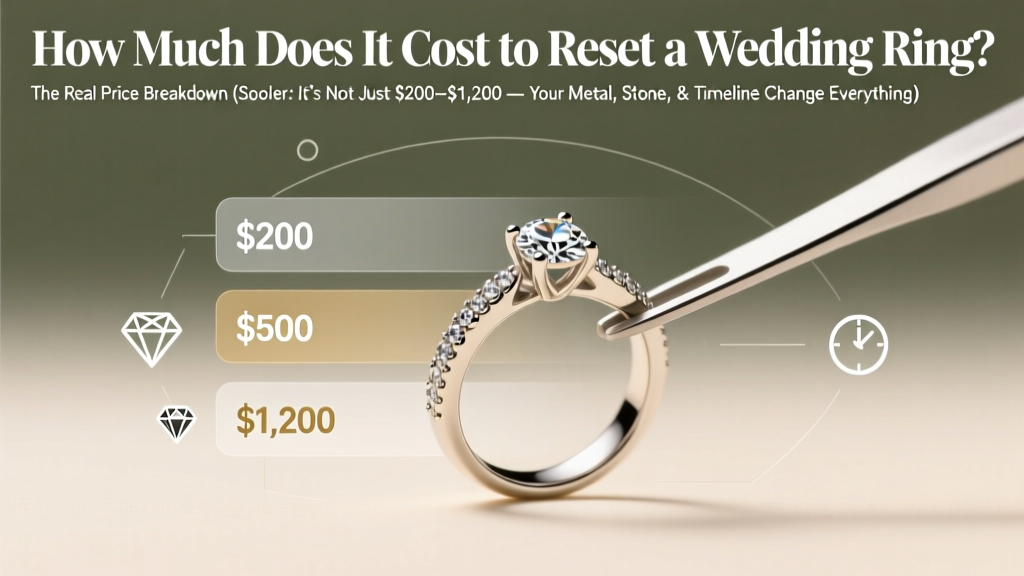 Wedding Ring Reset Cost: Real Prices & Savings (2026)
 DIY Timeline Ideas for Jewelry Making: A Practical, Step-by-Step Framework
 Wedding Ring Engraving Ideas That Are Meaningful
 Jewelry Care FAQ: Wear and Sizing Guide
 Celtic Wedding Bands Heritage and Meaning Explained
 How to Wear Your Wedding Band Set (2026)
 Damascus Steel Wedding Bands Unique Patterns
 How to Choose a Wedding Band With Hidden Details
 26th Wedding Anniversary: Traditional and Modern Gift Guide