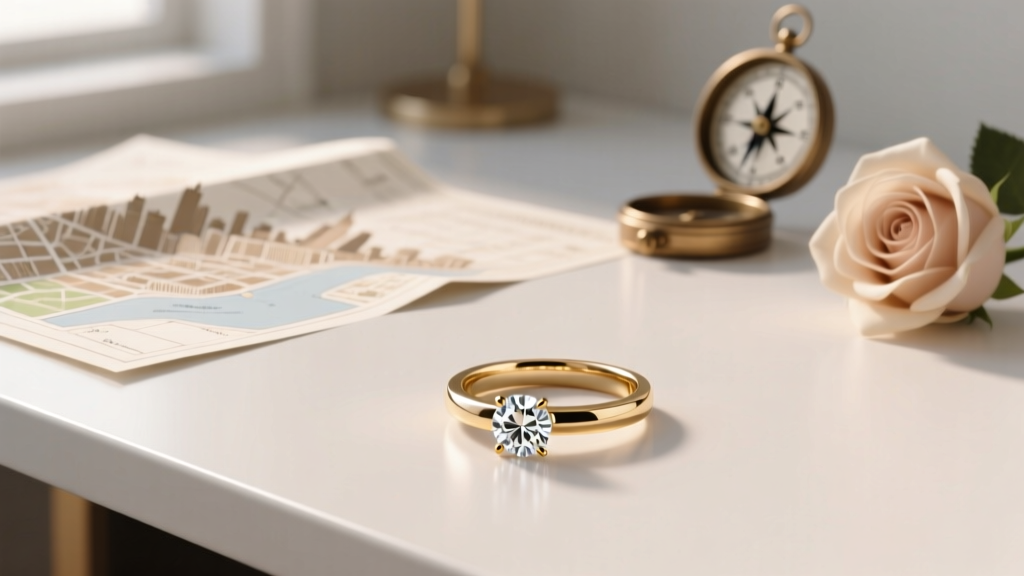
How to Choose an Engagement Ring on a Budget
Shopping for an engagement ring is one of the most exciting purchases you’ll make as a couple—and one of the easiest to overspend on. Between social media inspiration, dazzling showroom lighting, and the pressure to “get it perfect,” it’s common to feel like your budget can’t possibly match your expectations.
The good news: a beautiful, meaningful engagement ring doesn’t have to be expensive. When you understand which details truly affect durability, sparkle, and long-term wear, you can put your money where it matters. A smart plan also helps you choose a ring that pairs well with future wedding bands, fits your lifestyle, and still feels like a forever piece.
This guide breaks down the best ways to buy an engagement ring on a budget—without sacrificing quality, style, or confidence.
Start With a Realistic Budget (and a Clear Priority List)
Forget the old “two months’ salary” rule. A better approach is to decide what you’re comfortable spending while still meeting your other goals (wedding costs, savings, a home, travel). Budget-friendly engagement rings come in many price points, and the right number is the one you won’t regret later.
Choose your top priorities
- Maximum sparkle: prioritize cut quality and a bright, well-proportioned stone.
- Largest look for the money: consider stone shape, setting style, and alternatives to mined diamonds.
- Everyday durability: choose strong metals and protective settings.
- Timeless design: invest in a classic solitaire, cathedral, or simple halo that won’t date quickly.
Once you know what matters most to you, it becomes much easier to make budget-friendly trade-offs without feeling like you’re “settling.”
Understand What Drives Engagement Ring Cost
An engagement ring’s price usually comes from two places: the center stone and the setting. Center stones vary widely in price depending on gemstone type and quality factors. Settings vary depending on metal, craftsmanship, and design details (like halos, pavé, and hidden accents).
Center stone cost factors: the “4Cs” (and beyond)
- Cut: the biggest factor for sparkle. A well-cut stone reflects more light and can look larger and brighter than a heavier stone with a mediocre cut.
- Carat: weight, not size. Two stones of the same carat can look different depending on shape and cut depth.
- Color: in diamonds, lower color grades can still look white once set—especially in yellow or rose gold.
- Clarity: many inclusions are invisible without magnification. “Eye-clean” is often the best value target.
Beyond the 4Cs, also consider certification (for diamonds), polish/symmetry, and the stone’s measurements (millimeters matter for visual size).
Best Budget-Friendly Center Stone Options
Mined diamonds: buy smart, not big
If you want a natural diamond, focus on the qualities that show in real life. A smaller, well-cut diamond typically outshines a larger dull one. Smart value choices include:
- Near-colorless ranges: diamonds in the G–J range can look beautifully white in many settings.
- Eye-clean clarity: VS2–SI1 often provides excellent value; SI2 can work if truly eye-clean and well-placed inclusions.
- Just-under “magic weights”: 0.90 ct can cost noticeably less than 1.00 ct while looking very similar.
Lab-grown diamonds: a major value trend
Lab-grown diamonds are chemically and optically real diamonds, typically priced significantly lower than mined diamonds of similar specs. They’ve become a leading engagement ring trend because they allow you to prioritize cut and size while staying within budget. If you want more carat for the same spend, this is often the clearest path.
Moissanite: bright, durable, and budget-friendly
Moissanite is a popular diamond alternative known for strong brilliance and excellent durability for everyday wear. It can look larger for the price and pairs beautifully with modern minimalist settings and vintage-inspired designs. It’s especially popular in elongated shapes like oval and pear, as well as classic round brilliant.
Sapphires (and other gemstones): timeless with personality
Sapphire engagement rings—especially blue sapphire—are a classic that never really goes out of style. Sapphires also come in peach, pink, yellow, and green, which matches the current trend toward unique, personal center stones. For longevity, favor stones with good hardness (sapphire is excellent) and choose protective settings for more delicate gems.
Tip: If you choose a gemstone, ask about treatments (heat is common; other treatments can affect value and care) and confirm hardness and durability for daily wear.
Metal Choices: Where Budget Meets Durability
The metal affects price, color, maintenance, and how secure your setting feels over time.
14K gold: the sweet spot for budget and strength
For most couples, 14K yellow, white, or rose gold offers the best balance of durability and cost. It’s a top choice for everyday engagement rings and wedding bands because it stands up well to wear.
18K gold: richer color, higher price
18K gold contains more pure gold, which gives a richer hue but can be slightly softer. It’s beautiful, but if budget is tight, 14K often makes more sense.
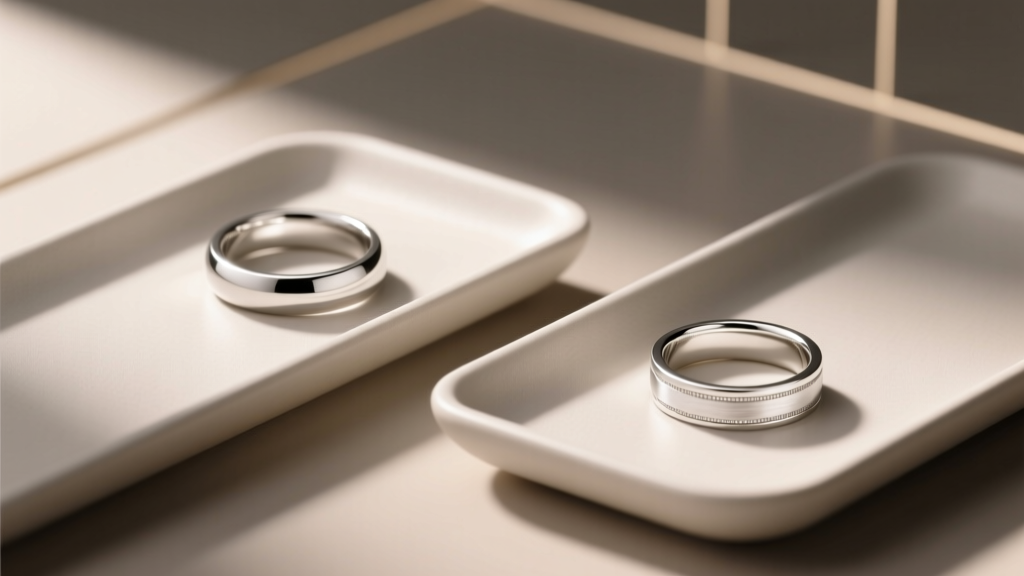
Platinum: premium, naturally white, very durable
Platinum is usually more expensive. It’s dense and secure for prongs, making it a favorite for heirloom-style rings. If you’re on a strict budget, consider platinum only if it’s a high priority for you.
Sterling silver: usually not ideal for daily engagement rings
Silver is affordable, but it’s softer and more prone to scratching and bending. For an engagement ring meant for everyday wear, gold or platinum is typically the better long-term value.
Settings and Styles That Maximize Value
The right setting can make a modest center stone look impressive, protect it from damage, and complement future wedding bands.
Classic solitaire (timeless and budget-friendly)
A solitaire is the definition of timeless engagement ring style. It focuses attention on the center stone and is usually less expensive than designs with lots of side stones.
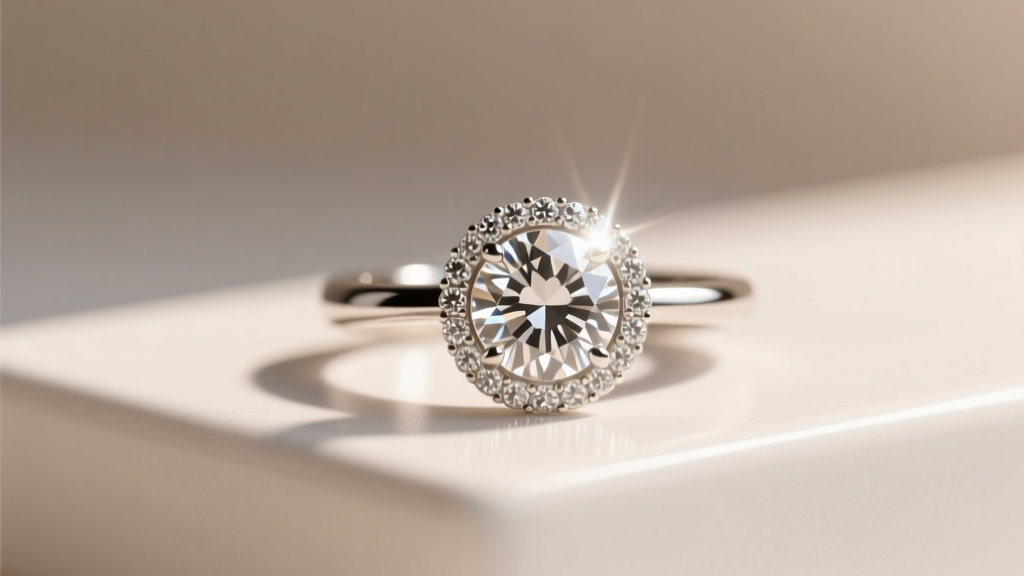
Halo settings (bigger look, added sparkle)
Halos are a popular way to increase visual size without paying for a larger center stone. Choose well-made halos with secure pavé work—tiny stones need good craftsmanship.
Bezel and half-bezel (modern and protective)
Bezel settings wrap metal around the stone’s edge, offering excellent protection—great for active lifestyles. They’re also a strong modern trend, especially in yellow gold with oval or emerald-cut centers.
Three-stone rings (symbolic and balanced)
Three-stone engagement rings can look substantial. To keep costs down, choose smaller side stones or use tapered baguettes for a sleek, timeless look.
Hidden halo and subtle details (on-trend without extra cost)
Hidden halos, delicate pavé accents, and thin knife-edge bands are trending right now. If you love these details, prioritize comfort and durability: extremely thin bands can bend over time, so aim for a practical band width for daily wear.
Cut, Shape, and “Looks Bigger” Tricks
If you want a larger look on a budget, shape choice matters.
- Oval, pear, and marquise: elongated shapes tend to face up larger than round stones of the same carat weight.
- Emerald and radiant cuts: elegant and trendy; focus on quality because these cuts can show inclusions more easily (especially emerald cut).
- Round brilliant: classic and typically the most expensive per carat, but it delivers unmatched sparkle when well cut.
Also consider a slightly thinner setting profile and a halo or tapered band to emphasize the center stone visually.
Price Range Planning: What You Can Expect
Prices vary widely by stone type, size, and metal, but these ranges can help you plan:
- Under $1,000: moissanite or smaller lab-grown stones in 10K/14K gold; simpler solitaire or bezel settings.
- $1,000–$3,000: larger moissanite, many lab-grown diamond options, or smaller mined diamonds; halos and some pavé details become more available.
- $3,000–$7,000: strong selection of lab-grown diamonds with excellent cut and noticeable size; natural diamond options in smaller carat weights or lower color/clarity.
- $7,000+: more flexibility for larger mined diamonds, platinum settings, and higher-end craftsmanship.
Value tip: Put budget into a secure setting and a well-cut center stone. A ring that holds up beautifully over time is the best “deal” you’ll ever get.
Practical Buying Tips for Budget Engagement Rings
- Ask for documentation: For diamonds, request grading paperwork (commonly from respected labs). For gemstones, ask about treatments and origin if it matters to you.
- Inspect the prongs and finishing: Prongs should be even, smooth, and properly aligned. Poor finishing can snag and wear faster.
- Think about wedding band fit: Some settings (large halos, low baskets) can prevent a wedding band from sitting flush. Ask about a matching wedding band or spacer band if needed.
- Choose a comfortable band width: Ultra-thin bands look delicate but can bend. For daily wear, a sturdier band is often a better long-term budget choice.
- Consider future upgrades: If you plan to upgrade the center stone later, choose a setting that can accommodate changes.
Care and Maintenance: Protect Your Investment
Even budget-friendly engagement rings deserve professional care. Keeping your ring clean and secure helps it sparkle and prevents stone loss.
- Weekly cleaning: Warm water, mild dish soap, and a soft toothbrush are usually safe for diamonds, moissanite, and sapphires. Rinse well and pat dry.
- Remove for rough activities: Take your ring off for weightlifting, gardening, cleaning with harsh chemicals, and swimming.
- Check prongs regularly: If your stone feels loose or you hear a faint rattle, stop wearing it and have it inspected.
- Schedule inspections: A professional check every 6–12 months can catch loose stones and worn prongs early.
Common Mistakes to Avoid When Ring Shopping
- Overpaying for carat instead of cut: A bigger stone with weak cut can look dull. Cut quality is the sparkle engine.
- Buying the thinnest band possible: Very thin bands may warp, especially with pavé or large centers.
- Ignoring lifestyle: If you’re active or hands-on, a higher setting with delicate prongs can be a maintenance headache. Bezel or low-profile settings can be smarter.
- Not considering the wedding band: A gorgeous engagement ring that won’t pair with a wedding band can lead to extra costs later.
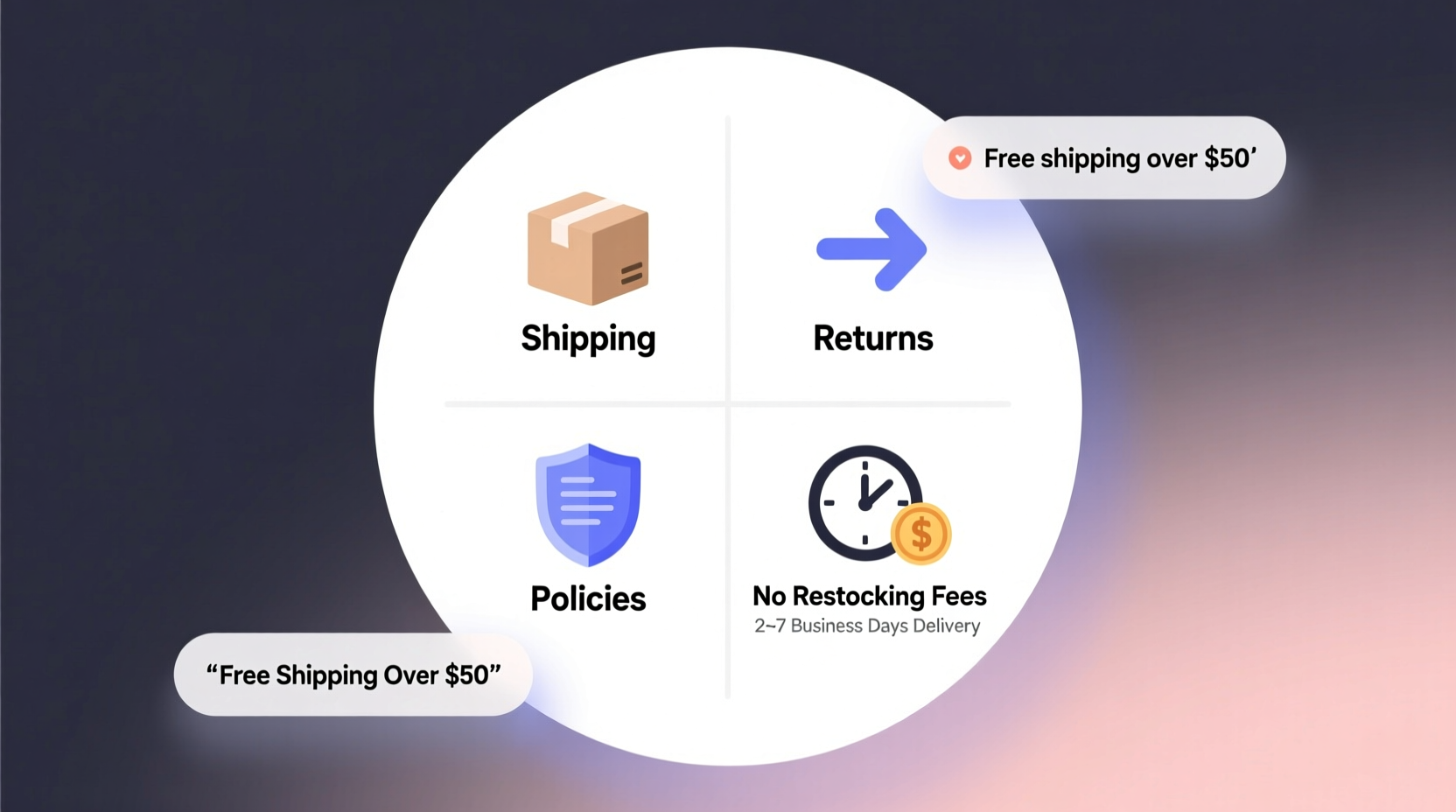
- Skipping return and warranty details: Always confirm resizing options, return windows, and coverage for manufacturing issues.
FAQ: Budget Engagement Rings
What’s the best budget-friendly metal for an engagement ring?
14K gold is often the best overall value because it balances durability, color options, and price. If you love a bright white look, 14K white gold is a popular choice for engagement rings and wedding bands.
Is a lab-grown diamond a good choice for an engagement ring?
Yes. Lab-grown diamonds are real diamonds with the same visual and physical properties as mined diamonds. They’re a strong option if you want more size or higher specs while keeping the budget under control.
How can I make an engagement ring look bigger without paying for more carat?
Choose an elongated shape (oval, pear, marquise), consider a halo setting, and prioritize a well-cut stone that faces up bright and lively. Also, selecting a carat weight just under a major milestone (like 0.90 instead of 1.00) can save money.
What’s the most timeless engagement ring style?
A solitaire in yellow or white gold with a round, oval, or cushion-cut center stone is a lasting classic. Simple three-stone designs and clean bezel settings are also timeless and easy to pair with wedding bands.
Are gemstone engagement rings durable enough for everyday wear?
Some are. Sapphire is one of the best choices for daily wear thanks to its excellent hardness. Softer gemstones may require extra care and protective settings. Always ask about durability and treatments before buying.
Should I choose a halo or a solitaire if I’m on a tight budget?
If your goal is maximum visual size and sparkle for the price, a halo can be a great value. If you want lower maintenance and a timeless look with fewer small stones to check, a solitaire is usually the simpler, budget-friendly long-term option.
Confident Next Steps
A budget engagement ring can still be a standout piece—focus on a secure setting, a durable metal like 14K gold, and a center stone chosen for real-world beauty (especially cut quality). Whether you prefer a timeless solitaire, a trending hidden halo, a modern bezel, or a distinctive sapphire engagement ring, the best ring is the one that fits your life and feels right every time you look at your hand.
For more practical advice on engagement rings, wedding bands, metals, gemstones, ring sizing, and care, explore the latest jewelry guides on weddingsift.com.
More Articles
 Wedding Band Set Rules: Avoid Gaps & Bling Mistakes (2026)
 Wedding Ring Set Styling: 7 Steps to Stack & Protect (2026)
 Historic Jewelry: Craft From Antiquity to Now
 Gold Wedding Ring Buying Guide: Real-World Durability (2026)
 The Practical, Ethical, and Timeless Proposal Ring Buying Guide
 Custom Contour Wedding Bands Online (2026)
 How Wide Should a Woman's Wedding Band Be? (2026)
 Ring Returns Made Simple: No Fees, No Hassle
 Platinum vs White Gold Which Lasts Longer
 Diamond Halo Settings How They Enhance the Center Stone