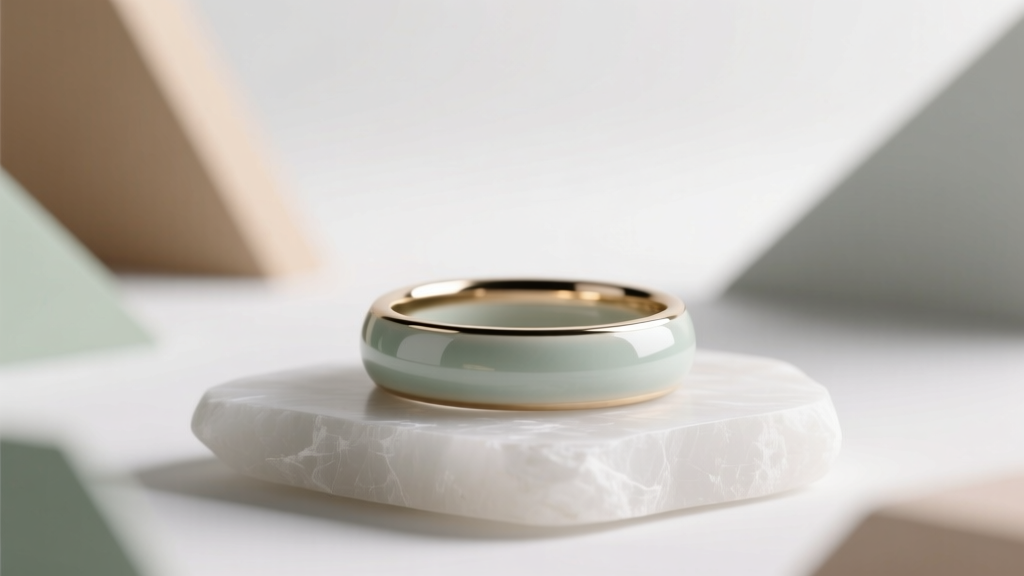
How to Choose a Wedding Band With a Ceramic Material
Ceramic wedding bands have become a go-to choice for couples who want something sleek, modern, and genuinely wearable for everyday life. They’re lightweight, highly scratch-resistant, and available in clean neutrals like white, black, and gray—plus fashion-forward tones that pair beautifully with today’s engagement ring trends.
At the same time, ceramic is very different from traditional wedding band materials like gold, platinum, or even tungsten. It doesn’t resize easily (often not at all), it behaves differently if it’s hit hard, and the best-looking ceramic rings rely on smart design choices—like comfort-fit interiors, quality finishing, and thoughtful combinations with metals or gemstones.
This guide breaks down what ceramic really is, how it compares to other popular wedding ring materials, and how to choose a ceramic wedding band that fits your lifestyle, your engagement ring, and your long-term expectations.
What Is a Ceramic Wedding Band, Exactly?
Most ceramic wedding bands are made from advanced “technical ceramics” such as zirconium oxide (often called zirconia ceramic). This is not the same as ceramic pottery—jewelry-grade ceramic is engineered for strength, smoothness, and color stability.
Why couples love ceramic rings
- Scratch resistance: Ceramic resists everyday scratches better than most precious metals, making it ideal for a band that needs to look polished for years.
- Lightweight comfort: A ceramic band often feels noticeably lighter than tungsten or thick gold bands.
- Hypoallergenic potential: Ceramic itself is generally skin-friendly, a plus for people sensitive to nickel or mixed alloys.
- Modern style: Matte finishes, high-gloss shine, two-tone inlays, and clean edges suit minimalist and contemporary tastes.
What ceramic is not
- Not easily resizable: Many ceramic wedding bands cannot be resized. Correct sizing matters.
- Not indestructible: Ceramic is hard and scratch-resistant, but it can crack if it experiences a sharp impact on a hard surface.
Ceramic vs. Other Wedding Band Materials
If you’re comparing wedding band materials, focus on how each handles daily wear, maintenance, and long-term flexibility.
Ceramic vs. gold (14k/18k)
Gold wedding bands (yellow gold, white gold, rose gold) are classic, resizable, and easy to repair. They’re also softer, so they develop scratches and a patina over time—something many couples consider part of gold’s charm. Ceramic stays looking newer longer, but lacks gold’s traditional heirloom feel and easy servicing.
Ceramic vs. platinum
Platinum wedding bands are premium, naturally white, and very durable, though they can show surface wear as a patina. Platinum is typically heavier and more expensive than ceramic. If you want a “forever metal” that jewelers can service for decades, platinum wins; if you want sleek, lightweight, and modern, ceramic is compelling.
Ceramic vs. tungsten carbide
Tungsten rings are also very scratch-resistant and often affordable, but they tend to be heavier. Both tungsten and ceramic can be difficult or impossible to resize. Tungsten can fracture under extreme pressure; ceramic can crack from impact. Comfort and style preferences often decide this matchup.
Ceramic vs. titanium
Titanium bands are lightweight like ceramic and very wearable. Titanium is tougher in impact scenarios, while ceramic wins on scratch resistance and color options. Titanium can sometimes be resized slightly depending on design; ceramic typically cannot.
Styles and Designs: From Minimalist Classics to Trend-Forward Looks
Ceramic wedding bands are often chosen for contemporary style, but you can still find timeless silhouettes. The key is matching width, finish, and details to your engagement ring and personal style.
Popular ceramic wedding band styles
- Polished domed bands: A classic profile with a modern material—clean and versatile.
- Flat-profile matte bands: A current trend that feels minimalist and architectural.
- Two-tone ceramic + metal inlays: Ceramic bands with 14k gold or platinum inlays blend modern and traditional. Look for seamless transitions and crisp edges.
- Textured finishes: Brushed, sandblasted, or satin ceramic hides fingerprints and feels understated.
Gemstones and accents: what works best with ceramic
Gemstones can look striking against ceramic, especially on black or white bands. The most common choices include:
- Diamonds: Timeless and durable. Small pavé diamonds or a single flush-set diamond can add sparkle without overwhelming the band.
- Black diamonds: A popular modern trend, especially on black ceramic for a tonal, sleek look.
- Sapphires: White sapphires for subtle shimmer or blue sapphires for classic color contrast.
Best settings for ceramic rings: Favor flush (gypsy) settings, bezel settings, or protected channel designs. Raised prongs can snag and may be more vulnerable to impact in a non-metal band design. If you love a prong-set look, consider a ceramic band that uses a metal head or metal setting structure for the stones.
Matching ceramic wedding bands with engagement rings
- With a solitaire engagement ring: A slim matte ceramic band creates a modern contrast against a brilliant-cut diamond solitaire (round brilliant, oval, cushion, or emerald cut).
- With a halo or pavé engagement ring: Keep the ceramic band simple—polished or matte—so the engagement ring remains the focal point.
- With a yellow/rose gold engagement ring: Choose a ceramic band with a matching gold inlay, or go with black ceramic for a bold mixed-material look (a growing trend in 2025 wedding ring stacks).
Quality Factors to Look for in a Ceramic Wedding Band
Because ceramic is often sold online, details matter. Two ceramic rings can look similar in photos but feel very different in hand.
Finish and craftsmanship
- Even polish: High-gloss ceramic should look mirror-like without hazy patches.
- Clean edges: Check that edges are smoothly finished—no sharp transitions that can irritate skin.
- Consistent color: Quality ceramic has uniform tone with no cloudy discoloration.
Comfort-fit interior
A comfort-fit band has a slightly rounded interior, making it easier to slide over knuckles and more comfortable for all-day wear. This is especially valuable if you choose a wider band (6mm, 8mm, or more).
Inlay and metal integration
If you choose ceramic with a gold inlay, platinum inlay, or a mixed-material design, look for tight, seamless joins. Poorly fitted inlays can catch on clothing or create weak points over time. Ask whether the metal is a true inlay (set into the ceramic) versus a surface strip.
Stone security and setting quality
For diamond or sapphire accents, prioritize protected settings. Ask about:
- Stone type and specs: Diamond carat weight, color/clarity range, or sapphire grade.
- Cut style: Round brilliant diamonds maximize sparkle; princess cuts look crisp and modern; baguettes pair beautifully with minimalist bands.
- Setting method: Flush-set stones are sleek and secure for daily wear.
Getting the Right Size (Because Resizing Isn’t a Safety Net)
Sizing is one of the biggest decision points with ceramic wedding bands. Many can’t be resized, and those that can are limited.
- Get sized professionally: Visit a jeweler and get sized at a similar band width. Wider bands often need a slightly larger size for comfort.
- Measure at the right time: Fingers swell with heat, exercise, and salt. Aim for a normal-temperature afternoon fitting.
- Confirm the fit style: Comfort-fit ceramic bands feel different than standard-fit bands in the same numeric size.
Care and Maintenance for Ceramic Wedding Rings
Ceramic is low-maintenance, but not “no-maintenance.” Treat it like a precision piece of jewelry.
Cleaning ceramic safely
- Use warm water, mild soap, and a soft cloth.
- For crevices around stones or inlays, use a soft toothbrush gently.
- Rinse well and dry with a lint-free cloth to keep the finish crisp.
What to avoid
- Hard impacts: Remove your ring for activities where it could strike tile, granite, gym weights, or metal tools.
- Harsh chemicals: Household cleaners can dull metal inlays or affect adhesives used in some mixed-material designs.
- Ultrasonic cleaners: If your ceramic ring has gemstones or inlays, confirm it’s safe before using ultrasonic or steam cleaning.
Price Range and Value Tips
Ceramic wedding bands generally sit in an accessible price tier, especially compared with platinum or high-carat gold. Typical pricing varies based on brand, craftsmanship, and added elements.
- Simple ceramic bands: Often in the $50–$200 range depending on finish quality and brand.
- Ceramic with metal inlay (14k gold, rose gold, or platinum accents): Commonly $150–$600+, depending on metal weight and construction.
- Ceramic with diamonds or sapphires: Often $200–$1,000+, influenced by total carat weight, stone quality, and setting style.
How to get the best value
- Prioritize fit and finish: A comfort-fit interior and clean finishing are worth paying for.
- Choose secure settings over more stones: A single flush-set diamond can outwear a fragile multi-stone layout.
- Consider timeless widths: 4mm–6mm tends to age well and pairs easily with engagement rings and future anniversary bands.
Common Mistakes to Avoid When Shopping for a Ceramic Wedding Band
- Buying without a solid sizing plan: If resizing isn’t possible, guessing your size is a costly mistake. Get measured properly.
- Choosing style over practicality: High-polish black ceramic looks stunning, but it can show fingerprints; matte finishes can be more forgiving day-to-day.
- Ignoring the engagement ring pairing: If your engagement ring has a low-set basket or a large halo, test whether the ceramic band sits flush or leaves a gap.
- Assuming “scratch-resistant” means “damage-proof”: Ceramic resists scratches, not sudden impacts. If you work with your hands, consider a simpler band or a backup silicone band for certain activities.
- Overlooking return and warranty terms: Because sizing and long-term wear are key, choose a seller with clear exchange options and a realistic warranty.
FAQ: Ceramic Wedding Bands
Are ceramic wedding bands durable enough for everyday wear?
Yes—ceramic is highly scratch-resistant and holds its finish well with normal daily wear. The main durability concern is impact: a sharp hit on a hard surface can crack ceramic, so it’s smart to remove it for high-impact tasks.
Can a ceramic wedding band be resized?
Most ceramic rings cannot be resized, and those that can are limited. Plan to get accurately sized before ordering, especially for wider comfort-fit styles.
Do ceramic rings work well with diamond engagement rings?
They can pair beautifully. A minimalist ceramic band complements a diamond solitaire, while a clean polished ceramic band balances a pavé or halo engagement ring. If you want stones in the ceramic band itself, look for flush or bezel settings for security.
Will a ceramic band break if I drop it?
Not always, but it can. Ceramic is hard and scratch-resistant, yet more brittle than gold or platinum. Dropping it onto tile or stone can increase the risk of chipping or cracking.
Is ceramic good for sensitive skin?
Ceramic is generally a good option for sensitive skin because it’s non-metallic. If the ring includes a metal inlay, confirm it’s made with hypoallergenic metals (platinum, palladium, or nickel-free alloys) if you have known sensitivities.
What’s trending right now in ceramic wedding bands?
Current wedding band trends favor matte finishes, mixed materials (black ceramic with yellow or rose gold inlays), and minimalist stone accents like a single flush-set diamond or sapphire. Timeless choices include polished domed ceramic bands in classic widths.
Your Next Step: Choose a Ceramic Band That Fits Your Lifestyle
A ceramic wedding band is a smart choice for couples who want a modern look, excellent scratch resistance, and comfortable everyday wear—especially in clean minimalist styles or mixed-material designs with gold or platinum inlays. Focus on accurate sizing, comfort-fit construction, and secure gemstone settings if you want diamond or sapphire accents.
When you’re ready, explore more wedding ring and engagement ring guides on weddingsift.com to compare materials, styles, and pairing ideas and feel confident about the band you’ll wear for years.
More Articles
 Heart-Shaped Diamonds Romantic and Unique
 Aquamarine Engagement Rings March Birthstone Elegance
 How to Start Engagement: A Practical, Step-by-Step Guide for Jewelry Makers and Couples
 Wedding Band Matching: 7-Step Visual Guide (2026)
 Stefana Wedding Crowns: Easy DIY with Authentic Symbolism
 Topaz Engagement Rings November Birthstone Options
 Value Venues Essentials: Where to Sell Fine Jewelry for Maximum Return and Trust
 Clean Wedding Rings at Home: 5 Safe Methods (2026)
 Black Diamond Engagement Rings Bold and Unique Choice
 Wedding Band Set Rules: Avoid Gaps & Bling Mistakes (2026)