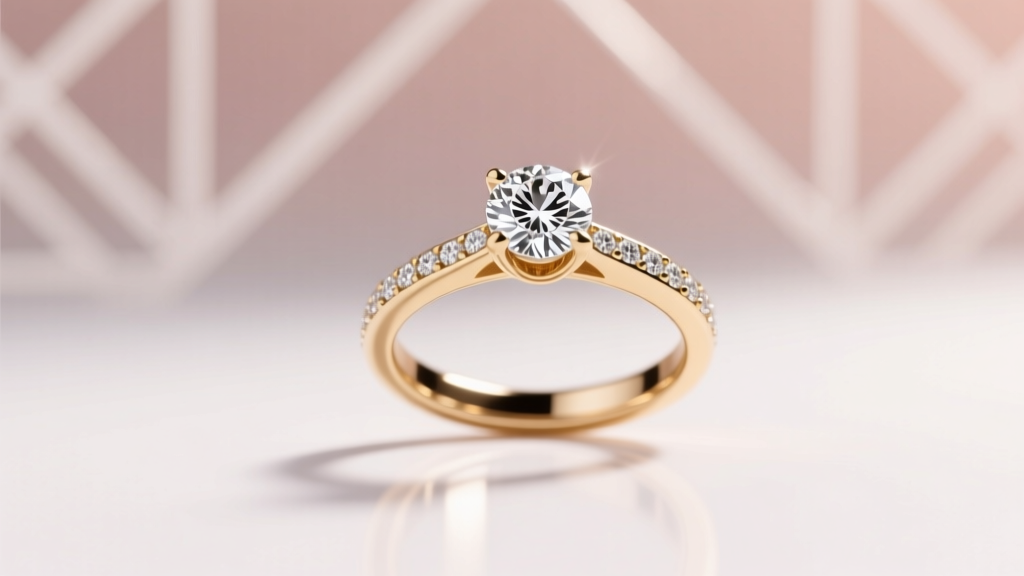
How to Choose a Wedding Band With Diamond Accents
A wedding band with diamond accents is one of the easiest ways to add sparkle and personality to a ring you’ll wear every day. The right accent diamonds can echo your engagement ring, elevate a simple metal band, or create a refined statement all on their own—without crossing into “too much.”
But diamond-accent bands come with real choices: metal type, setting style, diamond quality, and how the band will sit next to (or stack with) an engagement ring. Small details—like the height of a setting, the shape of a band, or whether diamonds are shared-prong—can make the difference between a comfortable forever ring and one that constantly catches, scratches, or needs repairs.
This guide breaks down the key decisions couples face when shopping for diamond wedding bands, with practical advice on quality, comfort, price, and long-term wear.
Start With Your Lifestyle (and Your Engagement Ring)
Daily wear habits matter more than most people think
If you work with your hands, wear gloves often, go to the gym daily, or have a job that involves frequent sanitizing, you’ll want a wedding band with diamond accents that’s secure, low-profile, and easy to keep clean. For active lifestyles, channel settings, bezel settings, and flush (gypsy) settings are usually safer than tall prongs.
Match or intentionally contrast your engagement ring
Bring your engagement ring (or at least its measurements and photos) when shopping. The most common pairing goals:
- Seamless match: Similar metal color, band width, and diamond size so the set looks designed together.
- Complementary contrast: A different texture (matte vs. polished), different diamond shape accents, or mixed metals (a current trend) while keeping profiles compatible.
- Stacking plan: If you want an anniversary band later, choose a wedding band style that stacks cleanly—often straight bands with a moderate profile.
If your engagement ring has a large center stone or a low-set head, ask about a contoured or notched wedding band so the rings sit flush without gaps.
Metal Choices: Platinum vs. Gold vs. Alternative Metals
Platinum: durable, naturally white, and ideal for prongs
Platinum (usually 950 platinum) is prized for diamond bands because it’s dense and strong, which helps protect delicate settings. It develops a soft patina over time rather than wearing away quickly. Platinum typically costs more up front, but it’s a top pick for people who want longevity and security for accent diamonds.
14K vs. 18K gold: balancing durability and richness
14K gold is a go-to for wedding bands with diamond accents because it’s harder than 18K (more alloy content), making it slightly more resistant to scratches and bending. 18K gold has a richer color and higher gold content, but it’s a bit softer—still a beautiful choice, especially for bezel or channel set diamonds.
- White gold: Often rhodium-plated for brightness; may need re-plating every 1–3 years depending on wear.
- Yellow gold: Timeless and currently trending again, especially with vintage-inspired designs.
- Rose gold: Romantic tone; can be very flattering and pairs well with warm skin tones. Its copper content can make it durable, but it may not suit those with certain metal sensitivities.
Alternative metals (tungsten, titanium): proceed carefully with diamonds
Alternative metals can be budget-friendly and scratch-resistant, but they’re less common for diamond-accent wedding bands because resizing is difficult or impossible, and setting repairs can be more complicated. If you choose one, prioritize a reputable jeweler and a secure setting style.
Diamond Accents: Shapes, Cuts, and What Looks Best on a Band
Popular accent diamond shapes for wedding bands
- Round brilliant: The classic choice; maximizes sparkle and hides minor inclusions well.
- Princess cut: Clean, modern geometry; often used in channel settings for a sleek look.
- Baguette: Elegant and understated; common in Art Deco or vintage-inspired bands.
- Marquise: A trending shape for “leaf” or east-west patterns; elongates the finger.
For most diamond-accent bands, the “cut” you’ll notice most is how lively the stones look in normal lighting. Well-cut small diamonds can outshine larger but poorly cut stones.
Natural diamonds vs. lab-grown diamonds
Both options are real diamonds with the same hardness and brilliance. Lab-grown diamond accent bands are popular for value and availability in higher color/clarity at a lower price. Natural diamond bands appeal to couples who prefer traditional sourcing and long-established resale norms. Either way, prioritize craftsmanship and setting security—those matter most for daily wear.
Setting Styles: Where Beauty Meets Practicality
Pavé: maximum sparkle, needs careful craftsmanship
Pavé wedding bands use many small diamonds set closely together with tiny beads or micro-prongs. The look is bright and delicate—one of the most requested styles for stacking and bridal sets. Choose pavé only when the band is made well: even spacing, clean beadwork, and sturdy metal between stones.
Channel set: secure and smooth for active hands
Channel-set diamond bands hold diamonds between two metal walls, protecting stone edges and reducing snagging. This is one of the most practical styles for everyday wear and a smart choice if you’re hard on jewelry.
Bezel set: sleek, modern, and very protective
A bezel-set diamond band wraps metal around each stone. It’s low-profile, secure, and contemporary—excellent for people who dislike prongs or worry about catching on clothing.
Shared prong and U-prong: airy sparkle, but check durability
Shared-prong bands show off more diamond surface area, creating a “floating” look. They can be comfortable and beautiful, but they rely heavily on strong prongs and precise workmanship. If you choose this style, confirm the band isn’t overly thin and that prongs are substantial enough for long-term wear.
Quality Factors That Actually Matter for Accent Diamonds
Color and clarity: aim for what looks bright, not what looks perfect on paper
With small accent diamonds, you can often choose slightly lower clarity without visible issues. A common sweet spot for many couples:
- Color: G–H (bright in white metals), or H–I (often beautiful in yellow/rose gold)
- Clarity: VS2–SI1 (typically eye-clean in accent sizes)
Cut consistency and matching
In a diamond band, mismatched stones are noticeable. Ask if the diamonds are matched for color and size, and whether they’re full-cut melee (57–58 facets) versus single-cut (fewer facets, less sparkle). Full-cut melee is a common hallmark of higher-end bands.
Band width, thickness, and comfort fit
A very thin band can look delicate but may bend over time—especially with diamonds set across the top. Many shoppers land between 1.8mm to 2.5mm for a balanced look. Consider a comfort-fit interior (slightly rounded inside) if you want easier on-and-off wear.
Current Trends and Timeless Classics
Trends couples are loving right now
- Stackable diamond bands: Mixing a slim pavé band with a plain metal band for contrast.
- Mixed metals: Yellow gold band with white metal prongs for a subtle two-tone look.
- East-west accents: Marquise or baguette diamonds set horizontally for a modern edge.
- Half-eternity bands: Diamonds across the top half only—more practical and easier to resize.
Classics that never go out of style
- Round pavé half-eternity in platinum or white gold
- Channel-set princess cuts for a clean, tailored look
- Baguette accents for understated elegance
Price Range and Value Tips
Pricing for a wedding band with diamond accents varies widely based on metal, total carat weight (TCW), diamond quality, and workmanship. Typical ranges:
- $500–$1,200: Slim 10K/14K gold bands with small pavé or a few accent stones; often lighter-weight settings.
- $1,200–$3,000: Well-made 14K/18K gold or platinum half-eternity bands; better matching and more refined finishing.
- $3,000–$7,000+: Platinum or heavier gold, larger accent diamonds, full-eternity styles, designer craftsmanship, or specialty settings.
Where to spend for the best long-term value
- Prioritize the setting and metal weight: A sturdier band protects your diamonds and reduces repair risk.
- Choose half-eternity for practicality: Often more comfortable and usually resizable.
- Consider lab-grown accents: Great sparkle-per-dollar, especially if you’d rather invest in platinum or thicker construction.
Practical Buying Tips (So the Ring Fits Your Life)
- Check how it sits with your engagement ring: Look for flush fit, comfortable spacing, and no rubbing against prongs.
- Ask about resizing policies: Full-eternity bands are difficult to resize; half-eternity and three-quarter styles are often more flexible.
- Inspect the finish: Smooth edges, secure prongs, and consistent stone alignment signal good craftsmanship.
- Ask for a matching band width: If your engagement ring band is 2.0mm, a 1.2mm wedding band may look mismatched.
- Confirm maintenance support: Many jewelers offer prong checks and cleanings—very helpful for pavé bands.
Care and Maintenance for Diamond-Accent Wedding Bands
Cleaning at home
Diamond bands collect lotion, soap, and everyday grime—especially under stones. Clean at home weekly or biweekly:
- Soak in warm water with a small amount of gentle dish soap for 15–20 minutes.
- Use a soft toothbrush to clean around settings.
- Rinse thoroughly and pat dry with a lint-free cloth.
Professional maintenance
Have a jeweler check your band every 6–12 months for loose stones, worn prongs, and thinning metal—especially for pavé and shared-prong styles. If you wear your ring daily, consider jewelry insurance for extra peace of mind.
Common Mistakes to Avoid
- Buying a band that’s too thin for its setting style: Ultra-slim pavé can look gorgeous but may be more vulnerable to bending and stone loss.
- Choosing full-eternity without understanding resizing limits: Finger sizes change with time, temperature, and life stages.
- Ignoring profile height: A tall band can rub against an engagement ring and wear down prongs or create gaps.
- Overpaying for clarity grades you can’t see: For small melee, eye-clean SI/VS often looks identical on the hand.
- Not checking comfort: Sharp edges, tall prongs, and rough finishing can irritate adjacent fingers.
FAQ: Wedding Bands With Diamond Accents
Is a half-eternity or full-eternity diamond band better?
Half-eternity is usually better for daily wear and easier resizing. Full-eternity offers sparkle all around but can feel bulkier between fingers and is typically difficult to resize.
What’s the most durable setting for accent diamonds?
Channel and bezel settings are among the most secure and snag-resistant. Pavé can be durable too, but it depends heavily on prong strength and metal thickness.
Can I wear a diamond-accent wedding band without an engagement ring?
Yes. Many couples choose a diamond-accent band as a standalone wedding ring. Look for a balanced design—slightly wider or with a defined pattern—so it feels complete on its own.
Do diamond accent bands scratch other rings?
They can. Diamonds can abrade metal and wear down prongs over time if rings rub constantly. A flush fit and correct band height help, and some couples add a small spacer band to reduce contact.
Are lab-grown diamond wedding bands lower quality?
No—lab-grown diamonds are chemically and optically the same as natural diamonds. Quality depends on cut, matching, and the craftsmanship of the setting, not whether the diamonds are lab-grown or mined.
How do I choose the right band width?
Try on a few widths in person if possible. Many people prefer 1.8–2.5mm for an accent band that feels substantial without overpowering the engagement ring. Your finger size and engagement ring proportions should guide the final choice.
Next Steps: Choose Sparkle That Lasts
The best wedding band with diamond accents is the one that fits your daily life, sits beautifully with your engagement ring, and has the craftsmanship to stay secure for years. Start with the metal and setting that match your routine, then choose diamonds that look bright and consistent—without getting stuck chasing specs that won’t matter on the hand.
For more help comparing wedding ring styles, metals, diamond settings, and stacking combinations, explore more jewelry guides on weddingsift.com.
More Articles
 Red Diamond Rarest Natural Diamond Color
 How to Choose an Engagement Ring With a Heart-Shaped Diamond
 DIY Wedding Centerpiece Flowers on Any Budget
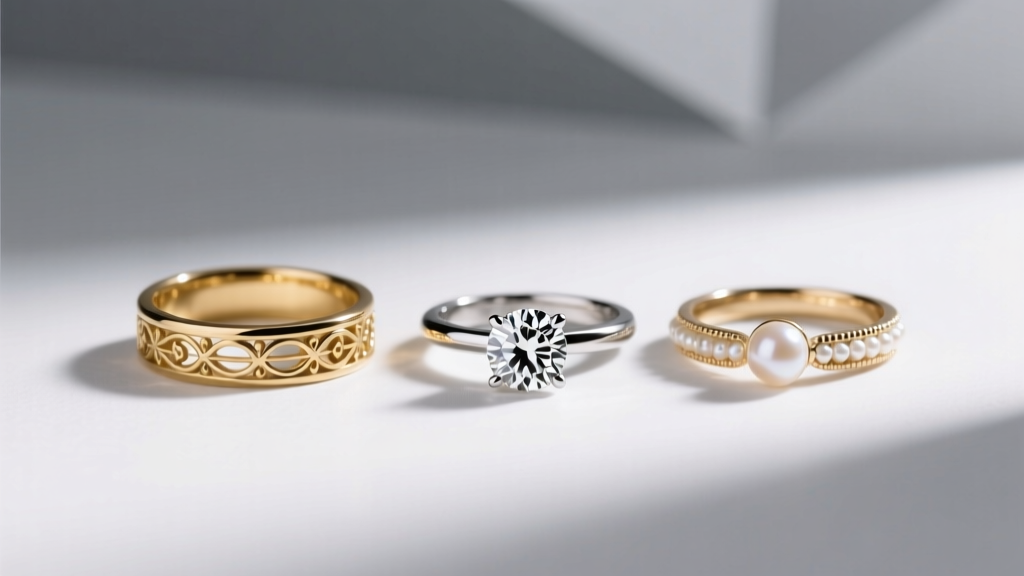 How to Clean Wedding Rings at Home Safely (2026)
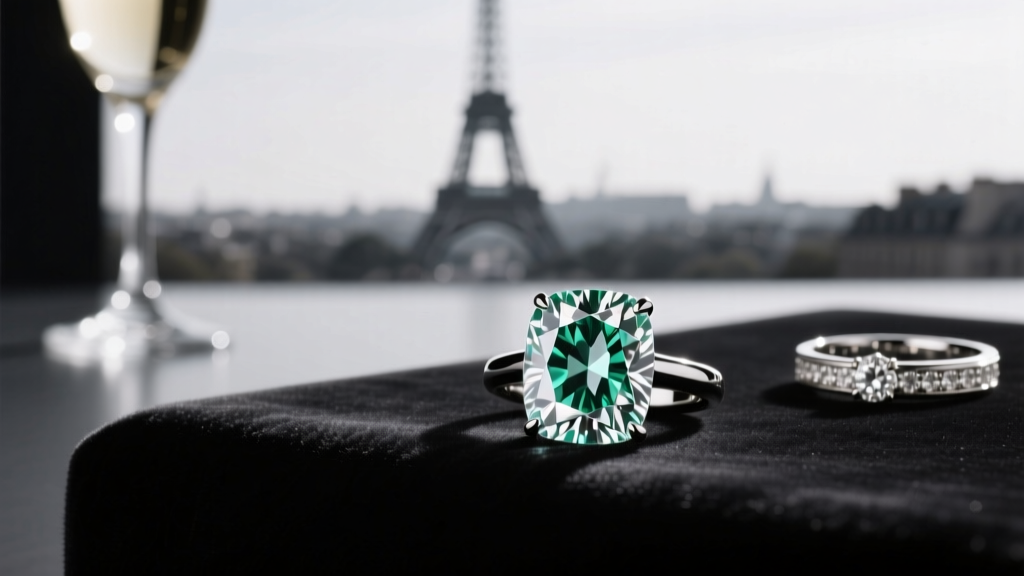 Paris Hilton's Ring: The 20-Carat Truth
 What Carat Size Should Your Engagement Ring Be
 How to Buy a Wedding Ring Online Without Getting Burned
 Men's Wedding Band Weight: Real-World Sizing Guide (2026)
 How to Wear Anniversary Band with Wedding Set
 Pearl and Diamond Engagement Rings Classic Combination