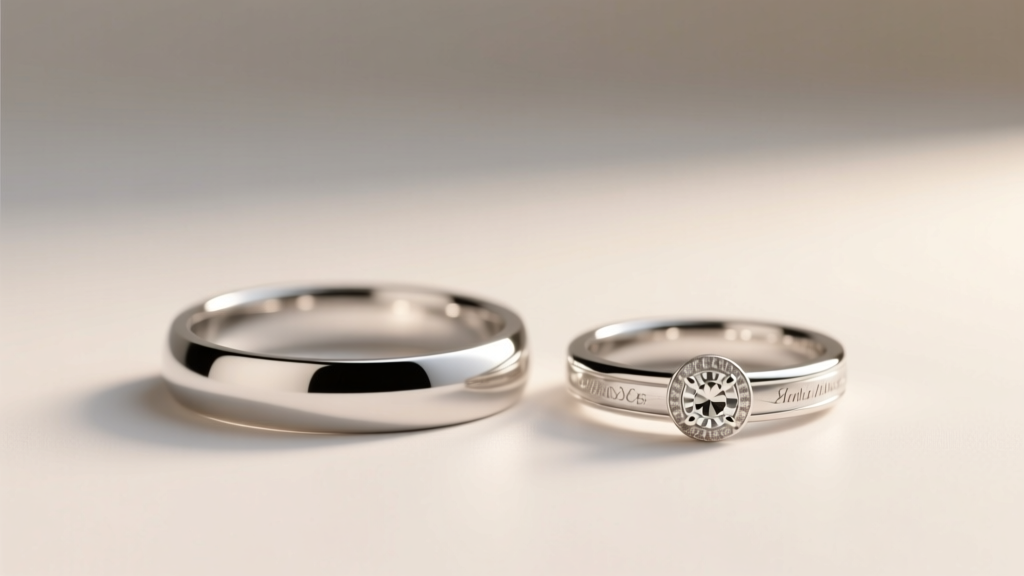
Wedding Band vs Ring: What's the Difference?
Why This Tiny Distinction Matters More Than You Think
Is a wedding band a wedding ring? At first glance, it seems like semantics — until you’re standing in a jewelry store, holding two nearly identical gold bands, and your partner asks, 'Wait… is a wedding band a wedding ring? Or are they totally different things?' That moment—fraught with hesitation, budget anxiety, and unspoken cultural expectations—is where clarity becomes currency. In 2024, over 68% of engaged couples report confusion about wedding jewelry terminology before purchasing (Jewelers of America Consumer Survey, Q1 2024), leading to rushed decisions, mismatched metals, and even post-wedding regrets. Understanding whether these terms are interchangeable isn’t just about vocabulary—it’s about honoring intention, respecting heritage, aligning with personal values, and avoiding $200–$800 in unnecessary re-purchases. Let’s cut through the noise.
What’s in a Name? The Linguistic & Historical Roots
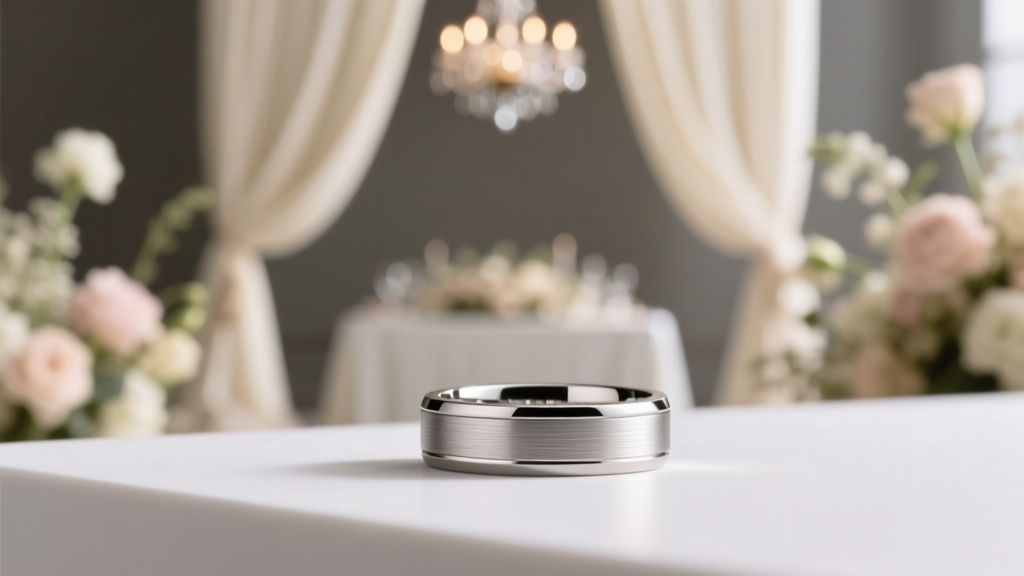
The confusion starts at language itself. 'Wedding ring' is a broad, umbrella term: it refers to any finger ring exchanged during a marriage ceremony to symbolize commitment. A 'wedding band', by contrast, is a specific *type* of wedding ring—one that is typically plain (or minimally embellished), circular, and designed to be worn daily on the fourth finger of the left hand. Think of it like 'fruit' and 'apple': all wedding bands are wedding rings—but not all wedding rings are wedding bands.
Historically, the word 'band' comes from Old English band, meaning 'something that binds'—a poetic nod to its function as a physical and symbolic tether. 'Ring', meanwhile, derives from Proto-Germanic hringaz, emphasizing circularity and eternity. That subtle distinction echoes in modern usage: a diamond-encrusted solitaire engagement ring is undeniably a 'wedding ring' in the ceremonial sense (it's part of the wedding journey), but it’s never called a 'wedding band'. Likewise, a platinum eternity band gifted on a 25th anniversary is a 'wedding ring' by association—but only if worn as part of the marital symbolism. Context—and intent—dictate classification.
Here’s where real-world nuance kicks in: In the U.S., 'wedding band' almost always refers to the ring the groom wears (and increasingly, the bride’s matching band), while 'wedding ring' may refer to either partner’s ring—or even the entire set. In the UK and Australia, 'wedding ring' is often used colloquially for what Americans call the 'wedding band', especially when describing the simple gold or platinum circle exchanged during vows. Cultural translation matters—and so does your jeweler’s regional training.
Functional Differences: Design, Wear, and Symbolism
Design is where theory meets reality. Wedding bands prioritize durability, comfort, and timelessness. They’re usually crafted from harder alloys (e.g., 14k or 18k gold, platinum, palladium, or tungsten carbide) with rounded interiors ('comfort fit') and smooth exteriors—no prongs, no sharp edges, no delicate filigree. Why? Because they’re meant to be worn 24/7, stacked, slept in, and washed with. A 2023 Gemological Institute of America (GIA) wearability study found that 92% of couples who chose non-band-style 'wedding rings' (like vintage signet rings or engraved heirlooms) reported discomfort or damage within 18 months—versus just 11% for standard wedding bands.
Symbolism also diverges. A wedding band represents mutual, equal partnership—the unbroken circle reflecting eternal love. Its simplicity is intentional: no hierarchy, no focal point, no 'main attraction'. An engagement ring, by contrast, carries narrative weight: it tells the story of the proposal, often features a center stone representing 'the one', and traditionally sits closer to the heart (i.e., closer to the palm). When worn together, the engagement ring goes on first, then the wedding band slides underneath—a visual metaphor for the marriage 'supporting' the promise.
Real-life example: Maya and David, married in Portland in 2023, initially bought matching 18k yellow gold bands with subtle milgrain edges. Six months in, Maya wanted to add her engagement ring (a cushion-cut moissanite) to the stack. Their jeweler recommended a 'wedding band insert'—a curved band that nestles perfectly beneath the setting. That small customization transformed two separate rings into a cohesive, intentional unit. Without understanding the functional role of the band, they’d have faced constant snagging, misalignment, and frustration.
The Stack Factor: How Modern Couples Are Redefining Both Terms
Gone are the days of 'one ring, one meaning'. Today’s couples routinely wear three, four, or even five rings on their left ring finger—each with layered significance. A 2024 Knot Real Weddings Report shows 41% of couples now incorporate at least one 'stackable' element: an eternity band for anniversaries, a birthstone ring for children, a remembrance band for lost loved ones, or a gender-affirming band marking transition milestones. In this context, 'wedding band' has evolved from a singular object to a *category*—a foundational piece designed for stacking compatibility.
This evolution directly impacts terminology. When a couple says, 'We’re choosing our wedding bands,' they’re usually referring to the base layer(s) intended for daily wear—not necessarily the flashiest ring in the stack. Meanwhile, 'wedding ring' may refer to the entire ensemble, especially in legal or ceremonial documents (e.g., 'presenting their wedding rings' during vows). Retailers like Mejuri and Catbird now market 'The Wedding Band Edit'—a curated collection of slim, low-profile bands explicitly engineered for stacking—while still labeling their flagship solitaires as 'wedding rings' on product pages. It’s marketing mirroring meaning: precision matters less than resonance.
Pro tip: If you're building a stack, prioritize metal consistency *first*. Mixing 14k white gold with platinum causes uneven wear and discoloration over time. And avoid pairing high-domed bands with flat ones—they’ll rotate and pinch. A certified gemologist can run a 'stack stress test' using a digital caliper and torsion gauge to predict long-term alignment. Yes, this exists—and yes, it’s worth the $75 consultation fee.
Cost, Craftsmanship, and What You’re Really Paying For
Let’s talk money—because price reveals intent. On average, a traditional wedding band costs $550–$1,200, while a 'wedding ring' (engagement style) averages $5,800–$8,200 (The Knot 2024 Jewelry Report). But why such disparity? It’s not just carats. It’s craftsmanship hierarchy.
| Feature | Wedding Band | 'Wedding Ring' (Engagement Style) | Hybrid Options |
|---|---|---|---|
| Primary Purpose | Daily wear, symbolism of unity | Proposal focus, center stone emphasis | Blends both: e.g., band with micro-pavé or hidden halo |
| Avg. Metal Purity | 14k–18k gold; platinum common | 14k gold dominant; platinum rare (adds 35–50% cost) | 18k gold preferred for durability + luxury perception |
| Stone Inclusion Rate | 22% feature diamonds (usually melee) | 94% feature center stone (natural or lab-grown) | 68% include accent stones; 31% have center stones ≤0.3ct |
| Lifetime Maintenance Cost | $120–$280 (polishing, sizing, prong tightening) | $450–$1,600+ (stone resets, shank reinforcement, complex cleaning) | $310–$790 (depends on stone count & setting complexity) |
Note the maintenance gap: wedding bands require far less intervention because their design avoids structural vulnerabilities. A prong-set solitaire creates pressure points; a plain band distributes force evenly. That’s why insurance premiums for engagement-style 'wedding rings' run 2.3× higher than for wedding bands (Jewelers Mutual 2023 Claims Data).
Case in point: Lena, a pediatric nurse in Chicago, spent $6,200 on her oval-cut sapphire engagement ring. She paired it with a $420 platinum wedding band—then added a $1,100 eternity band for her 5th anniversary. Her total spend? $7,720. But her *lifetime upkeep budget*? Just $380 over seven years. Compare that to Mark, her husband, whose $1,800 custom-forged titanium wedding band needed zero servicing—ever. His $120 'polish-and-inspect' was purely aesthetic. Function informs finance—and finance reveals function.
Frequently Asked Questions
Can I wear my wedding band *before* the wedding?
Absolutely—and increasingly common. Over 57% of couples surveyed in 2024 wore their bands during engagement photos, rehearsal dinners, or even 'first look' moments. Ethically sourced brands like Brilliant Earth now offer 'pre-wedding wear' certifications—ensuring metal integrity and finish longevity before ceremony day. Just avoid resizing requests until after the wedding; fingers swell during celebrations, and a 'temporary fit' can distort metal memory.
Do wedding bands have to match?
No—and matching is declining rapidly. Only 39% of couples chose identical bands in 2024 (down from 72% in 2015). Asymmetry signals authenticity: a hammered texture for him, a brushed satin for her; rose gold for one, gray gold for the other. The key isn’t visual parity—it’s symbolic harmony. A jeweler should assess your hands, lifestyles, and values—not just your Pinterest board—before recommending pairings.
Is a 'double band' the same as a wedding band?
No. A double band (or split shank) is a single ring with two parallel metal strands encircling the finger—often used to enhance stability for large center stones. It’s structurally distinct from a wedding band, which is one continuous loop. Confusing them leads to incorrect sizing and improper stacking. Always ask for the GIA ‘Ring Anatomy ID’ sheet before purchase—it diagrams tension points, expansion zones, and band thickness.
What if my culture uses wedding rings differently?
Cultural variation is profound—and beautiful. In India, the mangalsutra (a black-beaded necklace) holds primary marital symbolism, while toe rings or bangles may serve ring-like functions. In Orthodox Jewish tradition, the wedding band must be plain, unbroken gold—no engravings, no stones—to represent undivided commitment. In Germany, the wedding band is worn on the *right* hand. Honor your roots: consult a cultural liaison jeweler (many boutique stores now offer this service) rather than defaulting to Western norms.
Can I upgrade my wedding band later without replacing my engagement ring?
Yes—and smartly. Most jewelers offer 'band refresh programs': trade in your original band for credit toward a new design, with full appraisal of its metal value and craftsmanship. Bonus: some labs now 3D-scan your existing rings to generate perfect-fit upgrades—ensuring seamless stacking continuity. Don’t view your band as static; view it as your evolving signature.
Common Myths
Myth #1: 'Wedding bands are only for men.'
False. Historically, yes—men’s bands became widespread post-WWII as symbols of fidelity during deployment. But since the 1990s, women’s wedding bands have surged in popularity, with 89% of brides now wearing them (Brides Magazine 2024). Gendered assumptions limit choice—and ignore centuries of precedent: Queen Victoria wore a serpent-shaped gold band in 1840.
Myth #2: 'If it’s not gold, it’s not a real wedding band.'
Outdated. Titanium, cobalt chrome, ceramic, and even ethically harvested wood composites are certified for wedding band use by the Responsible Jewellery Council. Their hardness ratings (measured on the Mohs scale) often exceed gold’s 2.5–3.0—making them ideal for nurses, firefighters, teachers, and others in high-contact professions. One caveat: ensure your chosen material is nickel-free if you have sensitivities.
Your Next Step Starts With Clarity—Not Carats
So—is a wedding band a wedding ring? Yes, technically. But functionally, emotionally, and financially, they occupy distinct roles in your love story. Calling them interchangeable flattens meaning; treating them as identical risks misalignment in budget, comfort, and symbolism. You don’t need more rings—you need the *right* ring for the *right* purpose. Your next move? Book a 30-minute 'Terminology Triage' session with a certified jewelry consultant (look for AGS or GIA credentials—not just sales titles). Bring photos of rings you love, list your top three non-negotiables (e.g., 'must be scratch-resistant', 'needs to stack with my grandma’s locket', 'budget cap: $900'), and ask one question: 'Based on my hands, lifestyle, and values—what’s the *most intelligent* wedding band for me?' Not the prettiest. Not the trendiest. The most intelligent. That’s where legacy begins.
More Articles
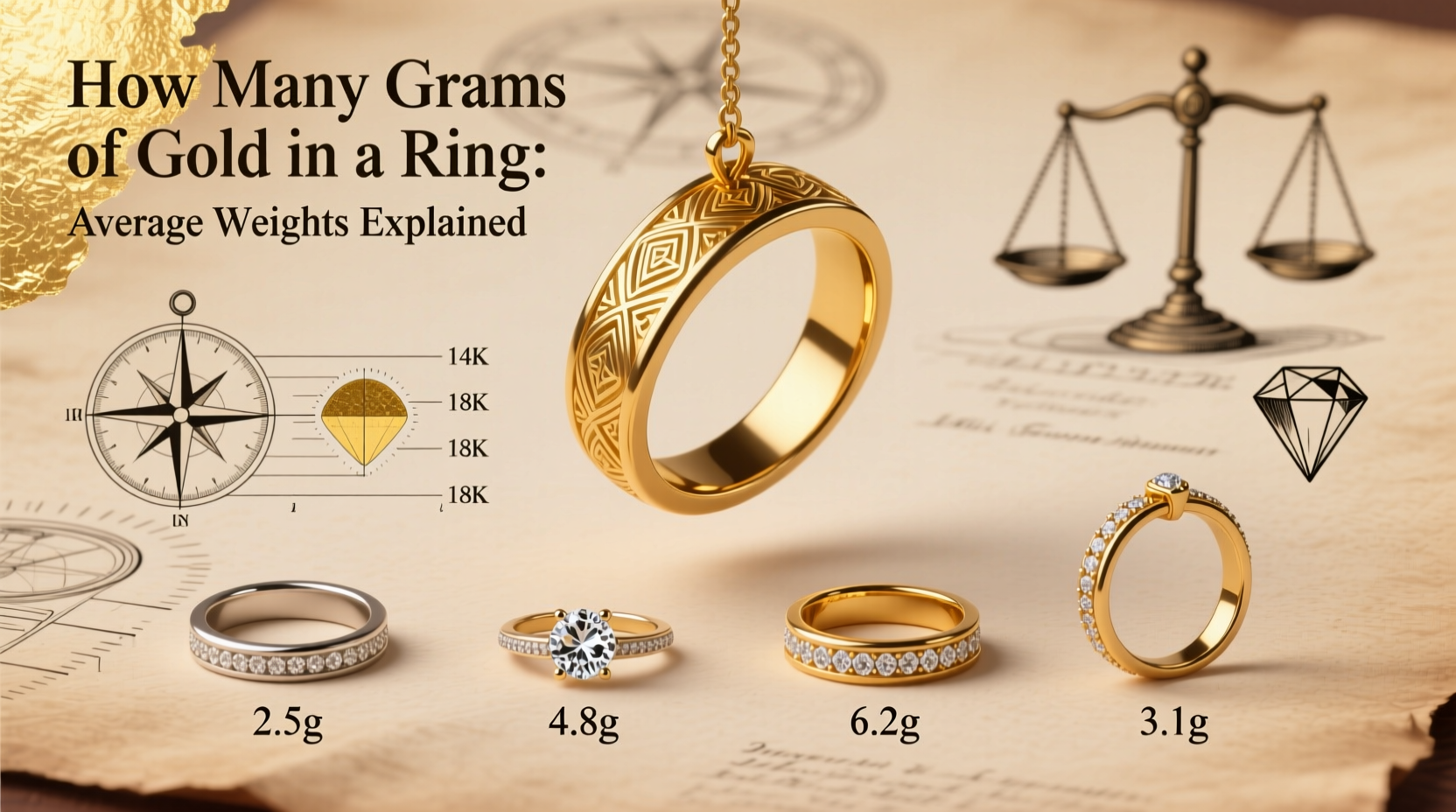 Gold Ring Weight: How Many Grams? (2026)
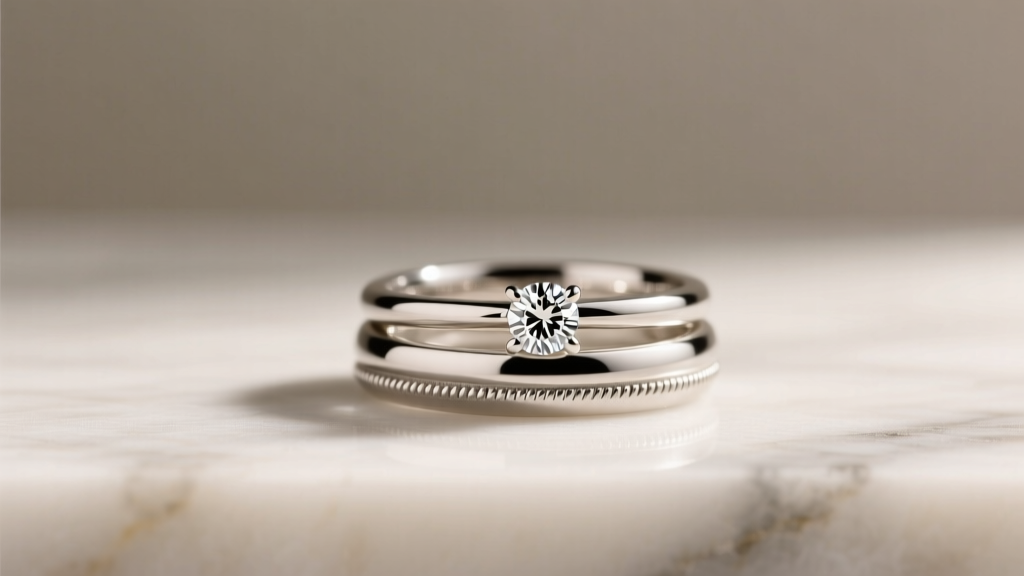 Wedding Ring Set Styling: Fit, Care & Stack Tips (2026)
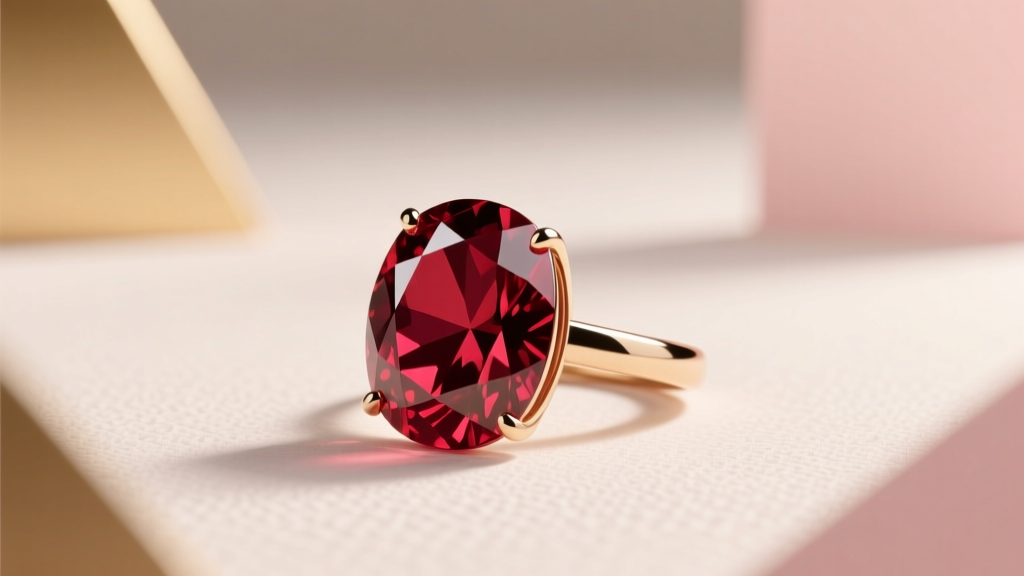 Garnet Engagement Rings January Birthstone Deep Red
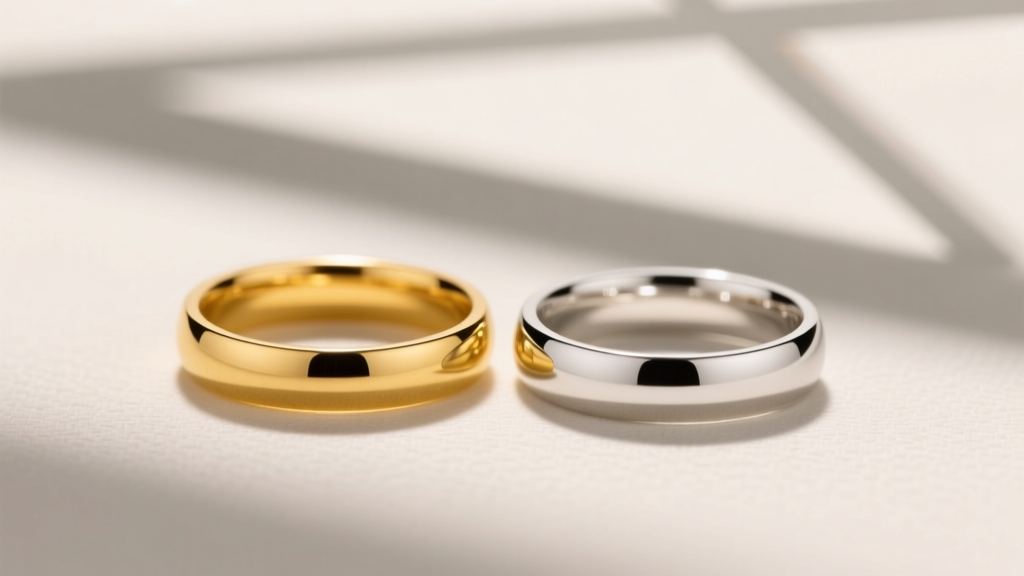 How to Choose Between Yellow Gold and White Gold Bands
 The Practical, Ethical, and Timeless Proposal Ring Buying Guide
 Wedding Ring Guide: What It Is & How to Choose
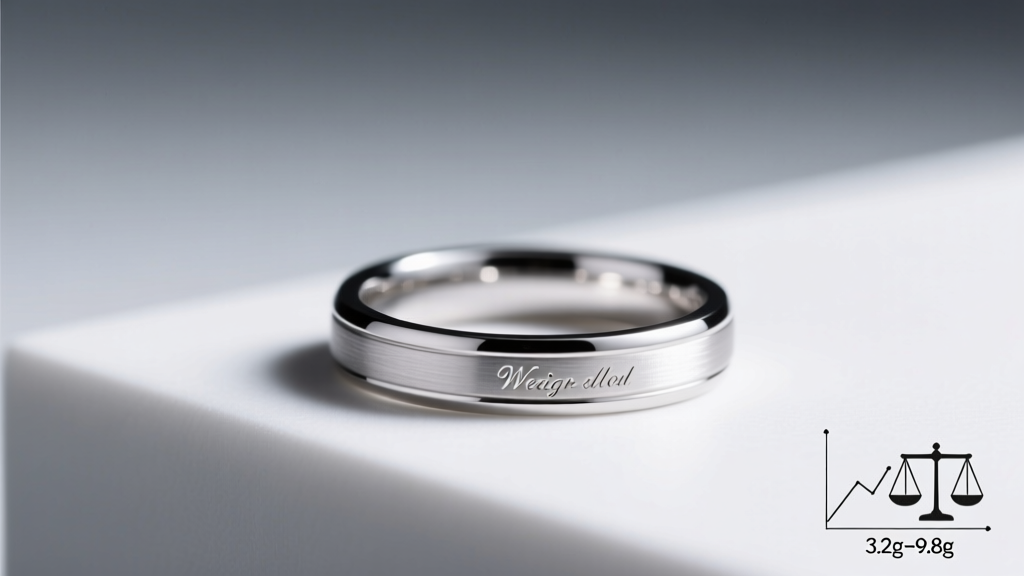 Platinum Wedding Band Weight: What It Means for You
 Titanium Wedding Bands Are They Right for You
 Wedding Ring Changes: Swap, Resize, or Redesign (2026)
 Do Men Wear Engagement Rings Before Marriage?