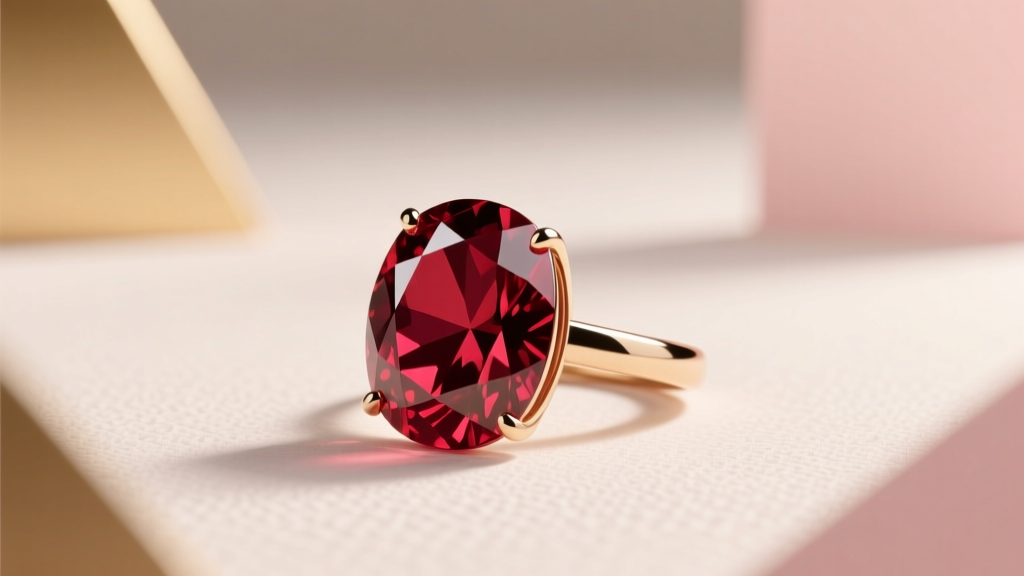
Garnet Engagement Rings January Birthstone Deep Red
Few gemstones carry the same immediate emotional impact as garnet. That deep red glow feels romantic, historic, and unapologetically bold—exactly the energy many couples want when choosing an engagement ring that doesn’t look like everyone else’s. As the January birthstone, garnet also adds a personal layer of meaning, making it especially appealing for couples who love symbolism in their wedding jewelry.
Garnet engagement rings have quietly moved from “alternative gemstone” to a confident style choice. You’ll see them in modern minimal settings, vintage-inspired halos, and even mixed-stone designs paired with diamonds. If you’re shopping for engagement rings and wedding bands as a set, garnet can be an elegant way to introduce color while keeping the overall look refined and timeless.
This guide breaks down garnet types, quality factors, best settings, metal choices, price expectations, and the practical details that matter when you’re investing in a ring you’ll wear every day.
Why Choose a Garnet Engagement Ring?
Meaning and symbolism
Garnet has long been associated with love, devotion, and protection—fitting themes for engagement jewelry. Many couples also choose garnet engagement rings to reflect a January birthday, an anniversary month, or simply a shared love of rich, warm color.
A distinctive look without sacrificing sophistication
The signature “deep red” garnet look can read classic or edgy depending on the setting. It pairs beautifully with white metals for contrast, yellow gold for a warm antique vibe, and rose gold for a soft, romantic tone. For couples who like the idea of a colored gemstone engagement ring but want something less common than sapphire or emerald, garnet is a smart, style-forward choice.
Understanding Garnet: Types, Color, and What “Deep Red” Really Means
“Garnet” is a gemstone family, not a single stone. In engagement rings, you’ll most often see:
Rhodolite garnet
Typically a raspberry-red to purplish-red. Rhodolite is popular for engagement rings because it can look vivid even in lower light, and it often has a brighter, cleaner appearance than very dark reds.
Almandine garnet
The classic deep red many people picture—sometimes with a brownish or wine undertone. It’s widely available and often budget-friendly, but very dark stones can look almost black indoors. Choosing the right cut and avoiding overly deep stones helps keep it lively.
Pyrope garnet
Often a rich, true red with good saturation. Some pyrope material is exceptionally vibrant and can be a great choice if you want “red-red” without the stone going too dark.
Tsavorite (green garnet)
Not deep red, but worth mentioning: tsavorite is a garnet variety prized for vivid green color. If you love the garnet family but want a non-traditional color engagement ring, this is the standout.
For the “January birthstone deep red” aesthetic, almandine and pyrope are the most common, with rhodolite being a favorite for couples who want a slightly brighter, more glowing red.
Garnet Quality Factors: Color, Cut, Clarity, and Durability
Color: the most important factor
Look for a rich red that still shows life in indoor lighting. Many garnets are so saturated they can appear inky under warm lights. Ask to see the stone in multiple lighting conditions if possible (daylight, indoor, and low light). A fine garnet should look red—not black—from arm’s length.
Cut: sparkle and brightness depend on it
Garnet has a relatively high refractive index, so it can be lively when well cut. A cut that’s too deep can “window” (you see through the stone) or look dark in the center. Popular cuts for garnet engagement rings include:
- Oval: flattering on the finger, vintage-friendly, and great at showing color.
- Cushion: romantic and timeless; works beautifully in halo settings.
- Round: maximum symmetry and sparkle; easy to match with wedding bands.
- Pear: elegant and modern; looks stunning with a delicate halo or bezel.
- Emerald cut: a sleek, architectural look, but requires good clarity and careful setting protection.
Clarity: typically eye-clean, but check the center
Many garnets are eye-clean, but inclusions can appear as faint lines or internal “silk.” For engagement rings, prioritize a clean-looking center and even color distribution.
Durability: suitable for daily wear with smart design choices
Garnet ranks around 6.5–7.5 on the Mohs scale depending on the variety. That’s workable for everyday engagement ring wear, but it’s not as hard as sapphire or diamond. The practical takeaway: choose protective settings, avoid harsh wear, and keep up with maintenance.
Best Settings for Garnet Engagement Rings
Prong settings (classic, bright, and easy to clean)
Four- or six-prong settings let light into the stone and show off color. For garnet, consider slightly sturdier prongs (and check them regularly) since the stone isn’t as hard as diamond.
Halo settings (trend-forward and flattering)
A diamond halo around a garnet center is one of today’s most popular looks for colored gemstone engagement rings. It boosts sparkle, makes the center appear larger, and adds bridal brilliance while keeping the rich red focal point.
Bezel settings (best protection for daily wear)
A full or partial bezel wraps metal around the stone’s edge, reducing the risk of chips. This is an excellent option for active lifestyles or anyone who prefers a smooth, modern silhouette that won’t snag on clothing.
Three-stone settings (symbolic and timeless)
Pair garnet with diamonds or moissanite side stones for a balanced, classic engagement ring style. It also makes it easier to coordinate wedding bands, especially if you choose a straight band with a low-profile center.
Metal Choices: How to Match Deep Red Garnet
14K and 18K yellow gold
Yellow gold brings out the warmth in deep red garnet and suits vintage-inspired engagement rings. 14K offers slightly more durability; 18K offers richer color and a more luxurious feel.
14K and 18K rose gold
Rose gold creates a romantic, tonal effect with garnet. If you love soft, warm palettes and antique styling, this pairing is a favorite—especially with milgrain details or engraved shanks.
Platinum and white gold
White metals create crisp contrast, making the garnet look even deeper and more dramatic. Platinum is the premium choice for durability and security; white gold is a more budget-friendly option but may require occasional rhodium re-plating to keep its bright white finish.
Garnet Engagement Ring Styles: Trends and Timeless Classics
Current trends
- Vintage-inspired halos with milgrain and filigree for heirloom energy.
- East-west settings (horizontal oval or marquise) for a modern twist.
- Mixed-stone rings combining garnet with diamonds, salt-and-pepper diamonds, or champagne diamonds.
- Low-profile, stackable designs that sit close to the finger and pair easily with wedding bands.
Timeless classics
- Solitaire garnet engagement rings in prong or bezel settings.
- Three-stone rings with diamond side stones.
- Cathedral settings that elevate the center stone elegantly (best for those who like a more traditional engagement ring presence).
Pairing a Wedding Band with a Garnet Engagement Ring
If you’re shopping as a couple, think about how the engagement ring and wedding band will sit together. A few practical pairing tips:
- Low-profile rings often pair well with straight wedding bands for a clean, modern look.
- Halo or cathedral settings may require a contoured or notched band to sit flush.
- Diamond wedding bands complement garnet beautifully, but match diamond size and setting style (pavé with pavé, prong-set with prong-set) for a cohesive set.
- Metal matching looks most classic; mixed metals can look intentional and modern if repeated (for example, a two-tone band that echoes the ring).
Price Range and Value Tips
Garnet is generally more affordable than many mainstream engagement gemstones, which means you can often invest more in craftsmanship: a stronger setting, better metal, or accent diamonds.
- Entry-level (simple settings, smaller stones, 10K/14K gold or sterling silver): often approachable, but prioritize secure settings and avoid overly thin bands.
- Mid-range (14K/18K gold, well-cut garnet, halo or pavé accents): a sweet spot for most couples seeking fine-jewelry quality and everyday wear comfort.
- Premium (platinum, custom design, higher-carat garnet, designer craftsmanship, quality diamonds): ideal if you want a forever piece with maximum durability and refined details.
Value tip: If a deep red garnet looks too dark, don’t just size up. Instead, look for a better cut, a slightly brighter variety (like rhodolite), or a setting style that increases light return.
Care and Maintenance for Garnet Rings
Safe cleaning at home
Use warm water, mild dish soap, and a soft toothbrush. Rinse well and pat dry with a lint-free cloth. This keeps oils and lotions from dulling the stone.
What to avoid
- Ultrasonic cleaners: riskier for stones with inclusions and for certain settings.
- Harsh chemicals: bleach and abrasive cleaners can damage metals and dull finishes.
- Impact and abrasion: remove your ring for heavy lifting, gardening, or gym equipment.
Professional checkups
Have prongs, bezels, and accent stones checked about once a year. This is especially wise for prong-set garnet engagement rings and pavé bands.
Common Mistakes to Avoid When Shopping
- Choosing a stone that looks black indoors: test lighting or request photos/videos in different conditions.
- Going too delicate on band thickness: thin bands can warp over time, especially with larger center stones.
- Skipping protective settings: if you’re hard on jewelry, prioritize bezel or sturdy prongs.
- Assuming all “garnet” is the same: ask what variety it is (rhodolite, almandine, pyrope) and why it was chosen.
- Not planning for the wedding band: confirm whether a straight band will sit flush or if you’ll need a contour band.
FAQ: Garnet Engagement Rings
Are garnet engagement rings durable enough for everyday wear?
Yes, with smart choices. Garnet is reasonably durable, but it’s not as hard as sapphire or diamond. Choose a protective setting (bezel or sturdy prongs), avoid rough activities while wearing it, and schedule regular inspections.
What metal looks best with a deep red garnet?
Yellow gold and rose gold enhance warmth and vintage appeal. White gold and platinum create bold contrast and a more contemporary look. The best choice depends on your style and whether you want the red to feel warmer or more dramatic.
Will garnet look too dark in real life?
Some deep red garnets can appear very dark indoors. Look for a stone with strong brightness and even color, and consider cuts like oval or cushion that can help show more life. Rhodolite is often a brighter alternative while staying in the red family.
Can I pair a garnet engagement ring with a diamond wedding band?
Absolutely. A diamond band is one of the most classic pairings with a garnet center stone. Just make sure the engagement ring’s setting height allows the band to sit comfortably, and match the overall style (dainty pavé vs. bolder prong-set diamonds).
How should I clean my garnet ring safely?
Warm water, mild soap, and a soft brush are ideal. Avoid harsh chemicals and be cautious with ultrasonic cleaners. If your ring has pavé diamonds or delicate details, professional cleaning is a good periodic option.
Is garnet a good choice for a vintage-style engagement ring?
Yes. Garnet is a natural fit for vintage-inspired engagement rings—especially with halos, milgrain, engraved bands, and antique-style cuts. The deep red color reads romantic and heirloom-like without needing an actual antique ring.
Next Steps: Finding the Right Garnet Ring for Your Love Story
If you love the idea of a January birthstone engagement ring with deep red character, garnet is a confident, meaningful choice—especially when you focus on a lively stone, a protective setting, and a metal that complements your personal style. Start by narrowing your preferred shade of red, then choose a cut and setting that fits your lifestyle and the wedding band you plan to wear alongside it.
For more engagement ring and wedding band education—metal guides, gemstone comparisons, setting styles, and care tips—explore more jewelry guides on weddingsift.com.
More Articles
 Can You Sell Your Wedding Ring During Divorce?
 How to Restore an Old Family Engagement Ring
 Stackable Wedding Rings How to Create the Perfect Look
 Beauty Question Essentials: What Every Jewelry Buyer and Wearer Needs to Know
 How to Choose a Wedding Band With a Knife Edge Profile
 Jewelry FAQ: Answers From a Metalsmith
 Wedding Set Styling: 7-Step Guide (2026)
 Wedding Band Metal Choice: Avoid Regret (2026)
 Claddagh Wedding Ring: Left vs. Right Hand Rules (2026)
 Tungsten Wedding Bands: Emergency Removal & Resizing (2026)