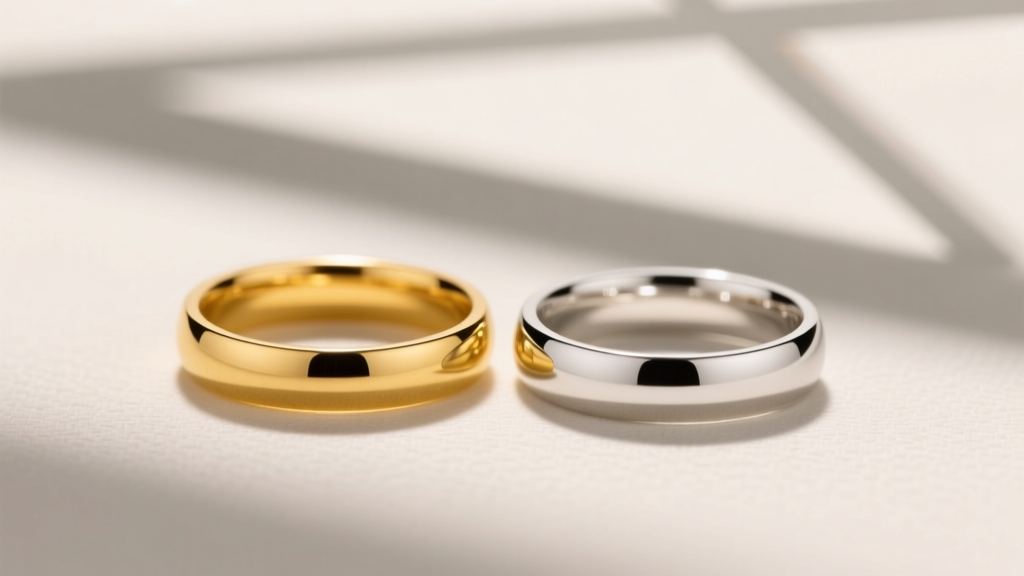
How to Choose Between Yellow Gold and White Gold Bands
Choosing a wedding band sounds simple until you’re staring at two near-identical rings under showroom lights and realizing they don’t feel identical at all. Yellow gold and white gold bands each bring a distinct look, wear experience, and long-term maintenance commitment—details that matter because you’ll likely wear this piece of jewelry every day.
For couples shopping for engagement rings and wedding bands, the right gold color can also affect how your diamond or gemstone appears, how your band pairs with an engagement ring, and even how often you’ll need servicing. The goal isn’t to pick the “best” metal universally—it’s to choose the gold that fits your style, lifestyle, and budget while still feeling timeless ten years from now.
This guide breaks down yellow gold vs. white gold the way a jeweler would: what the metals really are, how they age, what they cost, and how to avoid the common missteps that lead to regret later.
Yellow Gold vs. White Gold: The Core Difference
What Yellow Gold Is
Yellow gold is the classic warm-toned gold most people picture when they think of traditional wedding rings. Pure gold (24K) is naturally yellow, but it’s too soft for daily-wear jewelry. So jewelers alloy it—mix it with other metals—to improve strength and durability. Common alloys include copper and silver, which maintain the rich yellow hue while making the ring more practical.
What White Gold Is (and Why It’s Rhodium-Plated)
White gold is also gold, but alloyed with whiter metals such as nickel, palladium, silver, or zinc to create a lighter tone. Most white gold rings are then finished with a thin rhodium plating (rhodium is part of the platinum family). Rhodium brightens the surface to a crisp, reflective white and helps resist scratches temporarily.
That rhodium layer is a big deal: it affects color, shine, and maintenance. Over time, rhodium wears off—especially on the underside of the band—revealing the slightly warmer or faintly yellowish base metal beneath.
Understanding Karats, Durability, and Everyday Wear
14K vs. 18K: Which Karat Is Right for a Wedding Band?
- 14K gold (58.5% pure gold) is the go-to for many couples because it’s harder and more scratch-resistant than higher karats. It’s a smart choice for active lifestyles, hands-on jobs, or anyone who prefers lower maintenance.
- 18K gold (75% pure gold) has a richer color (especially in yellow gold) and a more luxurious feel. It can scratch a bit more easily than 14K because it contains more pure gold.
Both are appropriate for wedding bands and engagement rings; the better pick is usually the one that matches your wear habits and aesthetic priorities.
Which Holds Up Better: Yellow or White Gold?
In day-to-day wear, durability is influenced more by karat and craftsmanship than color. That said, white gold often looks like it shows wear sooner because when rhodium plating thins, it can appear patchy or slightly warmer in spots. Yellow gold tends to develop a softer patina that many people find attractive and “lived-in,” especially in classic wedding bands.
How Each Metal Affects Diamonds and Gemstones
Diamond Color and Sparkle
If you’re shopping for an engagement ring with a diamond, metal color can influence how the stone reads:
- White gold creates a bright, high-contrast frame that can make a diamond appear icier. It pairs beautifully with colorless to near-colorless diamonds (roughly D–H) and with modern settings like pavé halos or sleek solitaires.
- Yellow gold adds warmth. Many couples love yellow gold with antique-inspired cuts and settings. It can also be forgiving with slightly warmer diamonds (often I–K), especially if the setting has yellow prongs that blend with the stone’s warmth.
Gemstones: Sapphires, Emeralds, and More
For couples choosing gemstone engagement rings or bands with accent stones:
- Blue sapphire looks striking in both metals—white gold feels crisp and contemporary, while yellow gold leans regal and vintage.
- Emerald often looks richer against yellow gold, though white gold can create a clean, gallery-like contrast.
- Morganite and other blush stones are commonly paired with yellow gold for a romantic, warm palette, though white gold can keep the look airy and soft.
If your band includes diamonds or gemstones in a channel setting, pavé, or shared-prong design, ask how the stones are secured and whether the setting style suits your lifestyle. Pavé looks glamorous but may require more careful wear and periodic prong checks.
Style and Aesthetic: Modern Trends vs. Timeless Classics
Yellow Gold: A Classic That’s Trending Again
Yellow gold wedding bands have surged in popularity, especially among couples drawn to vintage-inspired engagement rings, heirloom styling, and warm-toned stacks. Current trends include:
- Low-profile solitaires paired with a simple yellow gold band
- Knife-edge bands and softly domed “comfort fit” classics
- Mixed-metal stacks (yellow gold band with a white gold engagement ring or vice versa)
White Gold: Clean, Bright, and Versatile
White gold remains a favorite for minimalist and modern ring styles. It’s especially popular for:
- Pavé diamond bands and micro-pavé halos
- Cathedral settings where the bright metal emphasizes sparkle
- Geometric and east-west stone orientations for a contemporary feel
White gold also coordinates easily with platinum and sterling silver jewelry many people already wear.
Quality Factors to Compare Before You Buy
Alloy Choice and Skin Sensitivity
Not all white gold is the same. Some white gold alloys contain nickel, which can cause irritation for sensitive skin. If you have allergies, ask for nickel-free white gold (often palladium-based) or consider yellow gold. Even with rhodium plating, nickel-sensitive wearers may eventually react if plating wears thin.
Craftsmanship: What to Look For
- Band thickness and width: Thinner bands (around 1.5–1.8mm) look delicate but can deform more easily; 2.0–2.5mm is a balanced everyday range for many wearers.
- Comfort fit: A comfort-fit interior has a slightly rounded inside edge, making the band easier to wear daily.
- Prong and setting quality: For diamond wedding bands or engagement rings, well-finished prongs and smooth beadwork protect stones and reduce snagging.
- Finish: High polish is classic; brushed, matte, and hammered finishes are popular for modern wedding bands and can disguise minor scratches.
Maintenance and Care: What You’re Signing Up For
White Gold Maintenance (Rhodium Replating)
Expect to replate white gold periodically to keep that bright-white look. Many people do it every 12–24 months, depending on wear and skin chemistry. If you don’t mind a slightly warmer “antique white” tone as plating wears, you can stretch the interval.
Care tips: Clean with warm water, mild dish soap, and a soft brush. Avoid chlorine and harsh chemicals, which can weaken alloys and dull finishes.
Yellow Gold Maintenance
Yellow gold doesn’t require replating, making it a lower-maintenance option long term. It will still scratch—especially in high-polish finishes—but it’s easy for a jeweler to polish and refinish.
Care tips: Store separately to avoid scratches. Remove rings for heavy lifting, gym equipment, gardening, and abrasive cleaning.
Price Range and Value Tips
For most couples, yellow gold vs. white gold pricing is similar when karat, band weight, and brand are comparable. Price changes are more often driven by:
- Karat: 18K typically costs more than 14K.
- Weight: A wider/thicker band uses more metal and increases cost.
- Design details: Pavé diamonds, milgrain edges, engraving, and custom work raise pricing.
- Maintenance: White gold may cost more over time due to rhodium replating.
Value tips for engagement rings and wedding bands:
- If you want a bright white look but prefer fewer upkeep appointments, compare white gold to platinum—platinum costs more upfront but avoids rhodium plating.
- If you’re choosing a diamond band, prioritize secure craftsmanship (prong quality and stone setting) over extra carat weight in tiny accent stones.
- Match metal color to your daily jewelry. Consistency often feels “right” in real life, not just in a ring box.
Common Mistakes Couples Make (and How to Avoid Them)
- Assuming white gold is naturally white forever: Ask whether the ring is rhodium-plated and what replating costs.
- Choosing a finish without thinking about wear: High polish shows scratches quickly; brushed or hammered finishes can hide them better.
- Not matching undertones: Try both metals in natural light. Yellow gold can make warm undertones glow; white gold can flatter cool undertones.
- Ignoring band-to-engagement-ring fit: Some engagement ring settings (low baskets, large halos) prevent a straight band from sitting flush. Consider a contour band, notch, or custom fit.
- Over-prioritizing trends: Trends are fun—just be sure you still love the ring when the trend cycle moves on. A classic comfort-fit band in either metal stays relevant.
FAQ: Yellow Gold vs. White Gold Bands
Does white gold turn yellow over time?
White gold can appear warmer as rhodium plating wears down, revealing the natural color of the white gold alloy beneath. It doesn’t “change,” but the surface finish fades with wear. Replating restores the bright white look.
Is yellow gold better for everyday wedding bands?
Yellow gold is often lower maintenance because it doesn’t need rhodium replating. For everyday wear, both yellow and white gold perform well when you choose the right karat (often 14K) and a durable band thickness.
Which looks better with a diamond: yellow or white gold?
White gold emphasizes an icy, bright diamond look, especially with near-colorless diamonds. Yellow gold creates a warmer, classic contrast and pairs beautifully with vintage styles and slightly warmer diamond grades.
Can we mix metals between an engagement ring and wedding band?
Yes—mixed-metal ring stacks are a current trend and can look very intentional. If you wear both rings together daily, ask a jeweler about long-term wear where the rings touch; different metals can rub and cause faster wear depending on hardness and fit.
What’s the best gold karat for a wedding band?
14K is a popular sweet spot for durability and value. 18K offers a richer gold color and a more luxe feel, especially in yellow gold, but may show scratches a bit more readily.
How do I know if I’m allergic to white gold?
If you’ve reacted to costume jewelry or nickel in the past, ask for nickel-free white gold or consider yellow gold. A jeweler can confirm the alloy used and suggest alternatives if sensitivity is a concern.
Your Next Step: Choosing with Confidence
If you want a timeless band with minimal upkeep and a warm, classic presence, yellow gold is hard to beat—especially in 14K for daily durability. If you love a crisp, bright metal that pairs seamlessly with modern diamond settings and a cool-toned look, white gold is a beautiful choice as long as you’re comfortable with occasional rhodium replating.
Try both metals on in the lighting you live in (daylight if possible), consider how your engagement ring and wedding band will sit together, and choose the color that feels like “you” even when the sparkle fades into everyday life. For more practical ring guidance, metal comparisons, and engagement ring style advice, explore more jewelry guides on weddingsift.com.
More Articles
 Wedding Band Etiquette Rules (2026)
 How to Choose an Engagement Ring With a Twisted Band
 Wedding Website RSVP Management: Cut Chaos, Save Time
 Wedding Band Matching: 7 Rules Jewelers Swear By (2026)
 A. Jaffe Men’s Wedding Bands: Fit, Finish & Value Guide
 Stackable Wedding Rings How to Create the Perfect Look
 Gold in Men’s Wedding Rings: Karat, Weight & Price (2026)
 Asscher Cut Diamonds Art Deco Geometric Beauty
 How Do You Stack Wedding Rings Without Ruining Either One
 Wedding Band Wearing Rules & Exceptions (2026)