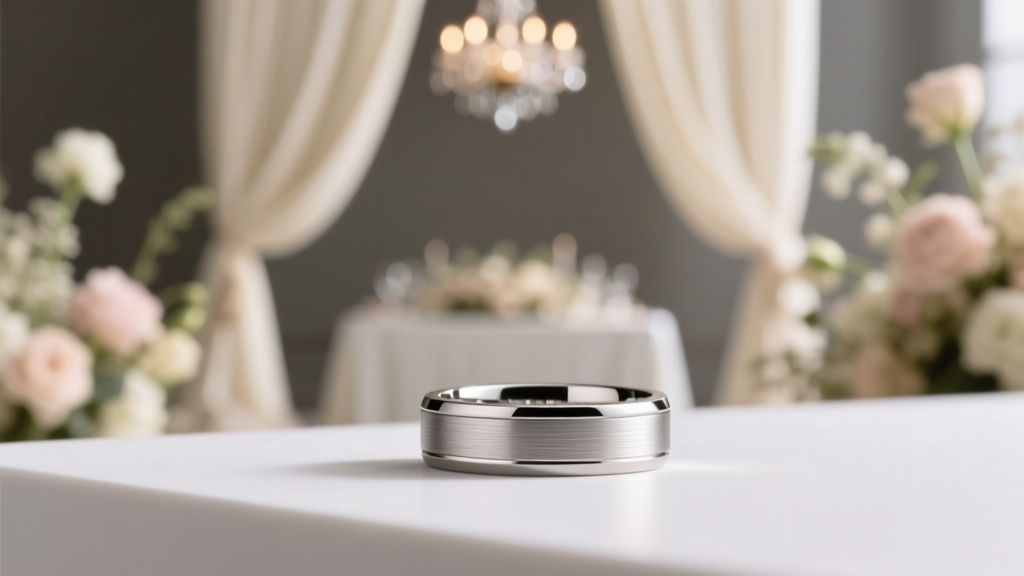
Titanium Wedding Bands Are They Right for You
Choosing a wedding band sounds simple—until you start comparing metals, finishes, widths, and comfort details that you’ll feel every day. For many couples, titanium wedding bands land at the top of the list because they’re lightweight, modern, and budget-friendly, yet still strong enough for daily wear.
That said, “strong” doesn’t automatically mean “right for you.” Titanium rings behave differently than gold, platinum, or even tungsten. They can be an excellent match for active lifestyles and minimalist style, but they’re not ideal for everyone—especially if you want future resizing, intricate gemstone settings, or a traditional heirloom feel.
This guide breaks down what titanium wedding bands are, how they compare to other popular wedding ring metals, which styles look best, what to pay for, and what to avoid—so you can choose confidently.
What Is Titanium (and Why It’s Used in Wedding Bands)
Titanium is a naturally occurring metal known for a high strength-to-weight ratio and excellent corrosion resistance. In jewelry, it’s valued because it feels feather-light on the hand while holding up well to daily wear. Most titanium wedding bands are crafted from commercially pure titanium or titanium alloys; both are durable, but alloys can vary by manufacturer.
Key Benefits of Titanium Wedding Rings
- Lightweight comfort: Titanium typically feels noticeably lighter than platinum, white gold, or stainless steel—great if you’re not used to wearing rings.
- Durability for everyday life: It stands up well to dents and general wear, especially in simpler, thicker profiles.
- Hypoallergenic appeal: Titanium is often recommended for sensitive skin and metal allergies (especially for those who react to nickel).
- Modern look: Matte, brushed, bead-blasted, and gunmetal-style finishes fit today’s clean, minimalist trends.
- Budget-friendly value: Compared to gold and platinum, titanium wedding bands are typically much more affordable.
Potential Drawbacks to Know Up Front
- Limited resizing: Many titanium rings cannot be resized easily (or at all) due to hardness and the way they’re manufactured.
- Repairs can be challenging: Complex modifications, soldering, or rebuilding are more difficult than with traditional precious metals.
- Not ideal for intricate gemstone settings: Titanium’s workability can limit fine prongs or detailed pavé craftsmanship compared to platinum or 14k gold.
- Finish can show wear: While titanium is durable, surface scratches can still happen—especially on polished styles.
Titanium vs. Other Popular Wedding Band Metals
When couples compare wedding ring metals, they’re usually weighing durability, maintenance, price, and long-term flexibility. Here’s how titanium stacks up against the classics and current favorites.
Titanium vs. Gold (14k/18k Yellow, White, and Rose)
Gold is timeless, traditional, and highly customizable. It’s easier to resize and repair, and it pairs beautifully with classic engagement ring settings like solitaire, halo, and pavé. White gold often requires periodic rhodium plating to maintain a bright white look.
Titanium is more modern and typically lower cost. If you want an heirloom-style piece or anticipate resizing, gold often wins. If you want a lightweight, no-fuss band for everyday wear, titanium is compelling.
Titanium vs. Platinum
Platinum is a premium, naturally white metal prized for its weighty feel and long-term wear. It develops a soft patina rather than “losing metal” quickly, and it’s a top choice for secure gemstone settings (especially diamonds) due to its strength and malleability.
Titanium is far less expensive and much lighter. If you love substantial weight and want a forever-resizable, gemstone-friendly metal, platinum is hard to beat. If weight bothers you or budget is a priority, titanium delivers value.
Titanium vs. Tungsten Carbide
Tungsten is extremely scratch-resistant and keeps a polished look longer. It’s also heavy on the finger. Tungsten rings are generally not resizable, and they can crack under sharp impact.
Titanium is lighter and more impact-resistant (less likely to shatter). Both are popular in men’s wedding bands, especially for brushed finishes and bold profiles.
Titanium vs. Stainless Steel or Cobalt Chrome
Stainless steel is very affordable and durable, but quality varies and some alloys contain nickel. Cobalt chrome has a bright, white look similar to white gold and can be scratch-resistant, but resizing can still be limited depending on design.
Titanium tends to offer a cleaner hypoallergenic profile and a more premium feel than basic steel, while staying budget-friendly.
Styles, Finishes, and Design Trends in Titanium Wedding Bands
Titanium shines in contemporary designs, but it can also look understated and classic when done right. Today’s trends lean toward comfort-forward profiles and texture-rich finishes.
Popular Titanium Band Styles
- Classic dome: A timeless silhouette that looks great in brushed or satin finishes.
- Flat profile: Crisp, modern lines—especially popular in wider men’s wedding bands.
- Comfort-fit interior: A slightly rounded inner surface for easier on/off and all-day wear.
- Two-tone and inlays: Titanium with inlays like carbon fiber, wood, meteorite, or gold accents for contrast.
- Milgrain-inspired edges: Some titanium designs mimic vintage detailing, though the look is usually cleaner than true antique-style bands.
Finish Options (and How They Wear)
- Brushed/Satin: Hides small scratches well and feels modern—one of the best everyday choices.
- Matte/Bead-blasted: A soft, non-reflective look; may show “polishing” in high-contact areas over time.
- High polish: Bright and sleek, but will show micro-scratches sooner—especially if you work with your hands.
- Black titanium (PVD coating): Very on-trend for bold, modern bands; coatings can wear at edges with heavy use.
Gemstones in Titanium Bands: What to Expect
Titanium wedding bands can include gemstones, but design matters. Diamonds remain the most popular choice for their hardness (Mohs 10) and enduring bridal appeal. If you want sparkle, look for:
- Channel-set diamonds: A secure, streamlined look with fewer exposed prongs—great for active lifestyles.
- Flush (gypsy) set stones: The diamond sits level with the band, reducing snagging.
- Small round brilliant cuts: The most common for band accents because they maximize sparkle in small sizes.
Avoid very delicate pavé styles in titanium if you want ultra-fine prongs and easy future repairs. For intricate diamond bands, platinum or 14k gold is usually a safer long-term choice.
Quality Factors: What Separates a Great Titanium Ring from an Average One
- Craftsmanship and symmetry: Look for clean edges, consistent finish, and a smooth interior (especially for comfort-fit rings).
- Band width and thickness: Wider bands (6–8mm) feel more substantial, while 4–5mm reads more classic and subtle. Thickness affects durability and comfort.
- Edge design: Rounded edges are comfortable; sharp edges look modern but can feel less forgiving.
- Inlay work: Inlays should be seamless, flush, and well-bonded with no gaps.
- Stone setting security: If diamonds are included, inspect for even spacing, smooth channels, and secure seats.
Practical Buying Tips for Titanium Wedding Bands
Get Sizing Right (Because Resizing May Not Be an Option)
Since many titanium bands can’t be resized, accurate sizing is everything. Get sized at a jeweler, and consider:
- Finger size changes with temperature (hands swell in heat).
- Band width affects fit—wider rings often need a slightly larger size.
- Comfort-fit interiors can feel looser than standard-fit bands.
Match the Band to the Engagement Ring (If You’re Wearing Both)
If you’re pairing with an engagement ring, check how the rings sit together. Titanium bands are often thicker; a straight band may leave a gap with a raised setting. Consider a contoured band or choose a slimmer profile if a flush fit matters.
Choose Finish Based on Lifestyle
Hands-on jobs, gym routines, and outdoor hobbies tend to favor brushed or satin titanium. High-polish looks striking, but it’s a “show every mark” finish.
Care and Maintenance: Keeping Titanium Rings Looking Their Best
- Routine cleaning: Warm water, mild dish soap, and a soft cloth. A soft toothbrush works for grooves or inlays.
- Avoid harsh chemicals: Chlorine and strong cleaners can damage coatings and inlays, and may dull finishes.
- Storage: Store separately from diamond jewelry to reduce surface scratching.
- Professional refinishing: Many brushed finishes can be refreshed by a jeweler; coated black finishes may be harder to restore perfectly.
Price Range and Value Tips
Titanium wedding bands generally offer one of the best values in the wedding ring market. Most couples will see:
- Simple titanium bands: Often budget-friendly, especially in classic brushed or matte styles.
- Designer finishes, two-tone looks, or inlays: Mid-range pricing depending on complexity and materials (carbon fiber, wood, meteorite, gold accents).
- Diamond-accent titanium bands: Higher pricing based on total carat weight, diamond quality (cut, color, clarity), and setting style.
Value tip: If you want gemstones, prioritize cut quality and secure setting over bigger carat weight. A well-cut round brilliant diamond accent will out-sparkle a larger, poorly cut stone—and a sturdy channel or flush setting will wear better for decades.
Common Mistakes to Avoid When Shopping for Titanium Wedding Bands
- Assuming resizing is easy: Confirm the seller’s resizing or exchange policy before you buy.
- Picking a finish that doesn’t match your routine: Polished titanium can be high-maintenance for very active wearers.
- Overlooking comfort-fit: If you’re not used to jewelry, comfort-fit can be a game-changer.
- Choosing overly intricate gemstone details: If you love micro-pavé or delicate prongs, consider platinum or gold for better long-term serviceability.
- Ignoring how it pairs with an engagement ring: Test the stack for gaps, height differences, and overall balance.
FAQ: Titanium Wedding Bands
Are titanium wedding bands good for everyday wear?
Yes. Titanium is lightweight, corrosion-resistant, and durable, making it a strong everyday choice—especially in brushed or matte finishes that hide minor wear.
Can titanium rings be resized?
Many titanium wedding bands cannot be resized, and those that can may only allow limited adjustments. Plan for accurate sizing and choose a retailer with a solid exchange policy.
Is titanium hypoallergenic?
Titanium is widely considered hypoallergenic and is often recommended for sensitive skin. If you have severe allergies, confirm the exact alloy and whether any inlays or components contain nickel.
Do titanium rings scratch?
They can. Titanium is durable, but no ring is scratch-proof. Brushed finishes disguise scratches better than high polish, and refinishing may be possible depending on the ring style.
Can titanium wedding bands have diamonds or gemstones?
They can, especially with channel-set or flush-set diamonds. For highly intricate pavé or delicate prongs, platinum or gold usually provides more flexibility for secure setting and future repairs.
Are titanium bands a timeless choice or a trend?
Titanium has a modern, minimalist identity that aligns with current trends (matte finishes, flat profiles, black coatings), but simple brushed titanium bands also read classic and understated—similar to traditional plain metal bands, just lighter and cooler-toned.
A Confident Recommendation: Who Titanium Is Best For
Titanium wedding bands are a great match if you want a modern look, lightweight comfort, dependable durability, and excellent value. They’re especially popular for men’s wedding bands and for couples who prefer clean design over ornate detailing.
If you want frequent resizing options, intricate diamond craftsmanship, or a traditional heirloom metal with easy long-term repairs, consider 14k/18k gold or platinum instead—or choose titanium as a second “travel ring” that keeps your daily routine worry-free.
For more help comparing wedding ring metals, finishes, and band styles, explore our latest jewelry guides on weddingsift.com.
More Articles
 How to Choose a Wedding Band With Comfort Fit Design
 Wedding Band Thickness: The Science-Backed Sweet Spot
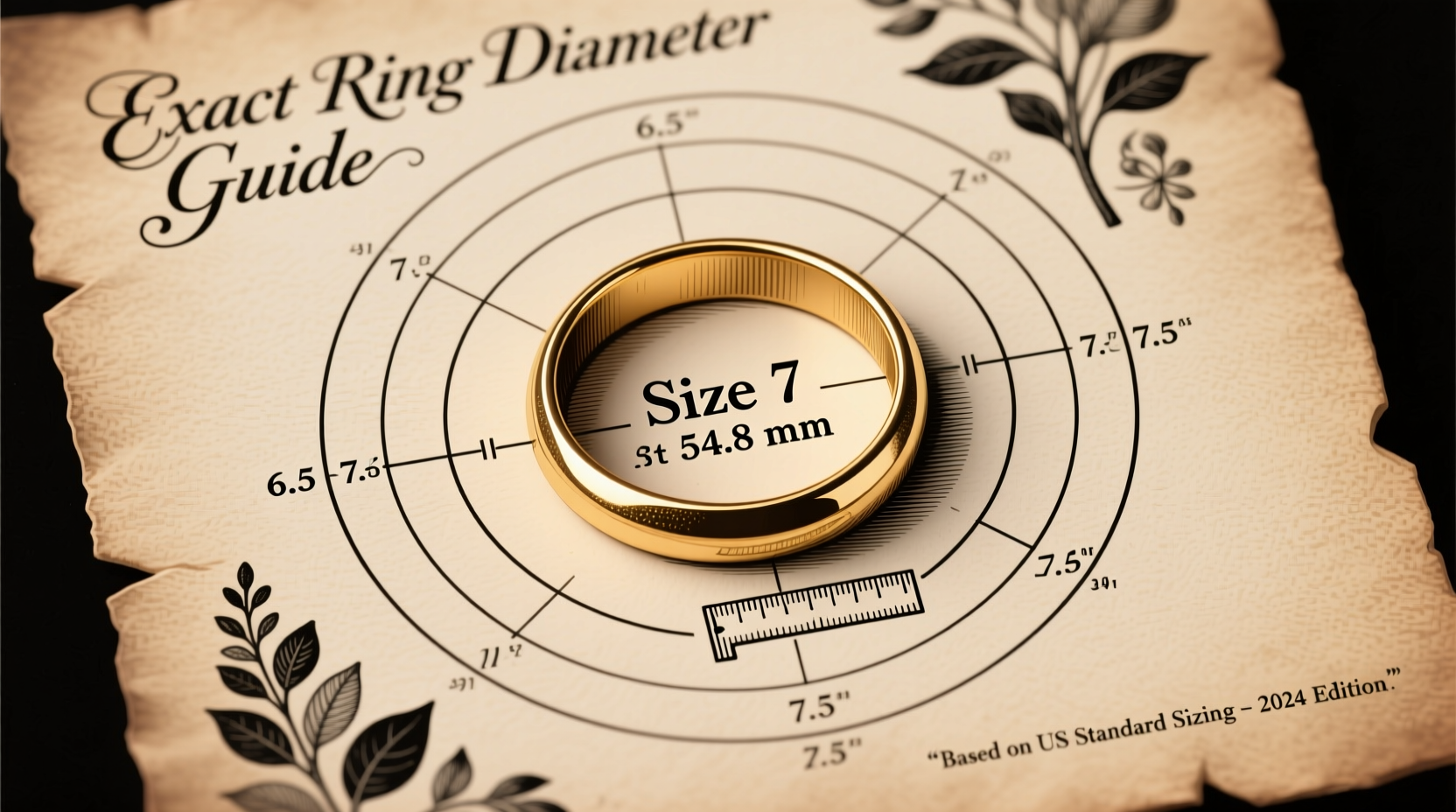 What Is a Size 7 Ring in Millimeters? (2026)
 How to Choose an Engagement Ring With an East-West Setting
 Wedding Ring Photos: What They Hide (2026)
 Wedding Band Matching Rules: What You Really Need to Know
 Engagement and Wedding Ring Order: The Right Way
 Deep Clean Wedding Ring at Home: 5 Safe Methods (2026)
 A. Jaffe Wedding Bands in Fayetteville, AR (2026)
 How Tight Should Wedding Band Be? Fit Guide (2026)