Lab-Grown vs Natural Diamonds in 2026
The Diamond Market Has Changed
Lab-grown diamonds now represent over 40% of engagement ring purchases in 2026. As quality has reached parity with natural stones, couples face a genuine choice between the two — each with distinct advantages.
What Are Lab-Grown Diamonds?
Lab-grown diamonds are chemically, physically, and optically identical to natural diamonds. Created through High Pressure High Temperature (HPHT) or Chemical Vapor Deposition (CVD) processes, they have the same crystal structure, hardness (10 on Mohs scale), and brilliance as mined stones.
Price Comparison
The most significant difference is cost. Lab-grown diamonds are 60-80% less expensive than comparable natural stones:
- 1-carat natural: $4,000-$8,000
- 1-carat lab-grown: $800-$2,500
- 2-carat natural: $12,000-$30,000
- 2-carat lab-grown: $2,500-$6,000
Value and Resale Considerations
Natural Diamond Resale
Natural diamonds retain 25-50% of their purchase price at resale. While not an investment, they hold some tangible value. Rarity supports long-term price stability.
Lab-Grown Resale
Lab-grown diamonds currently have minimal resale value (5-15% of purchase). As production scales and prices continue declining, early purchases may depreciate more than natural equivalents.
Ethical and Environmental Factors
Lab-grown diamonds eliminate concerns about conflict diamonds and reduce environmental impact from mining. However, the energy-intensive creation process has its own carbon footprint — look for producers using renewable energy.
Making Your Decision
Choose natural if: tradition, rarity, and resale value matter most. Choose lab-grown if: budget maximization, ethical sourcing, and environmental concerns are priorities. Both are real diamonds — the choice is personal, not technical.
More Articles
 How to Choose a Wedding Band With a Nature-Inspired Design
 Artisan Wedding Bands: 7 Handcrafted Sources (2026)
 Do People Wear Wedding Rings on the Right Hand? The Truth
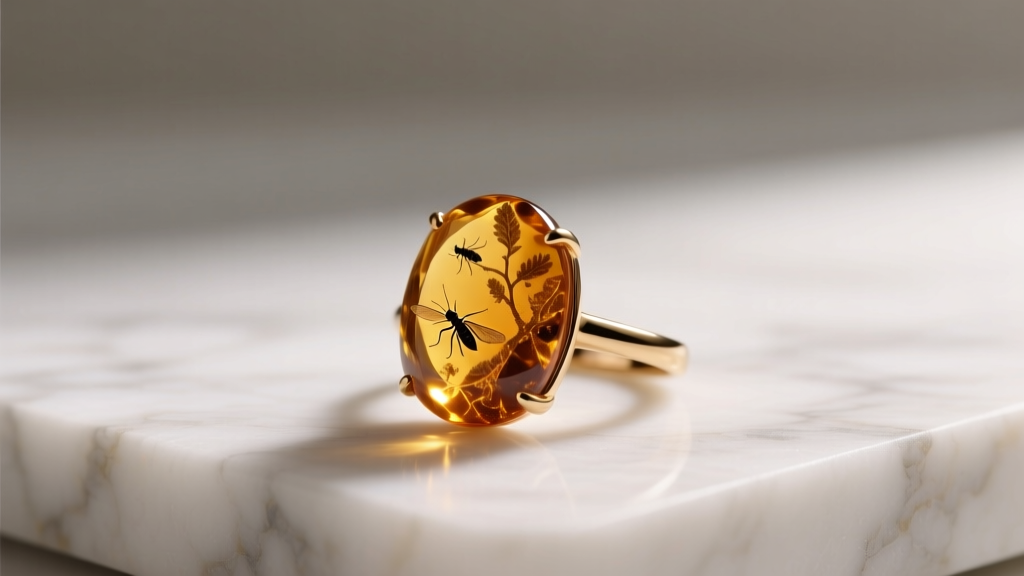 Amber Engagement Rings Warm Organic Fossilized Beauty
 How to Choose an Engagement Ring With a Flush Setting
 How Heavy Is a Wedding Ring? (2026)
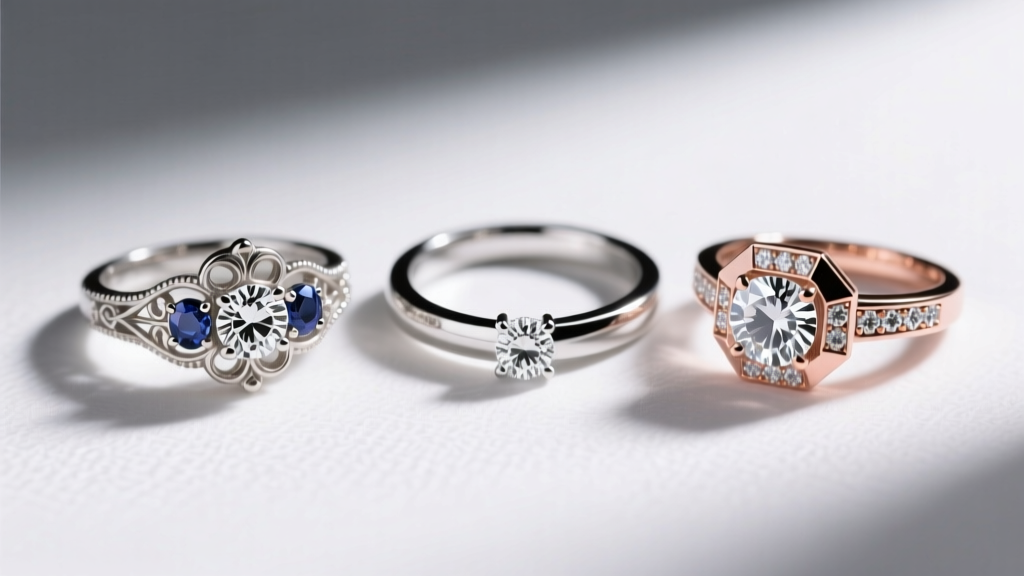 Three-Stone Engagement Rings Past Present Future Meaning
 Best Engagement Rings for Custom Jewelry Projects: A Metalsmith’s Practical Guide
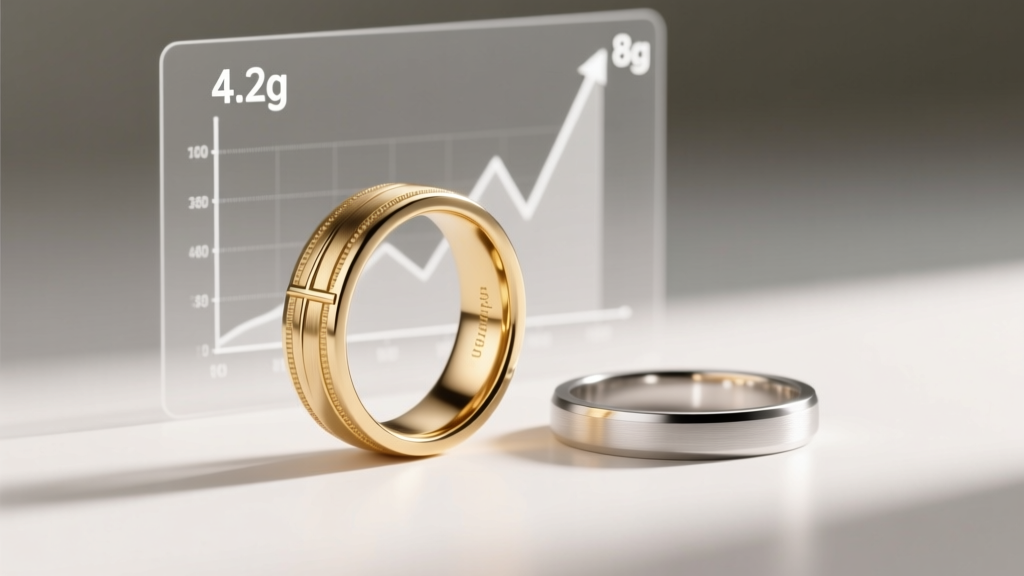 Wedding Band Weight: The Comfort Fit Truth (2026)
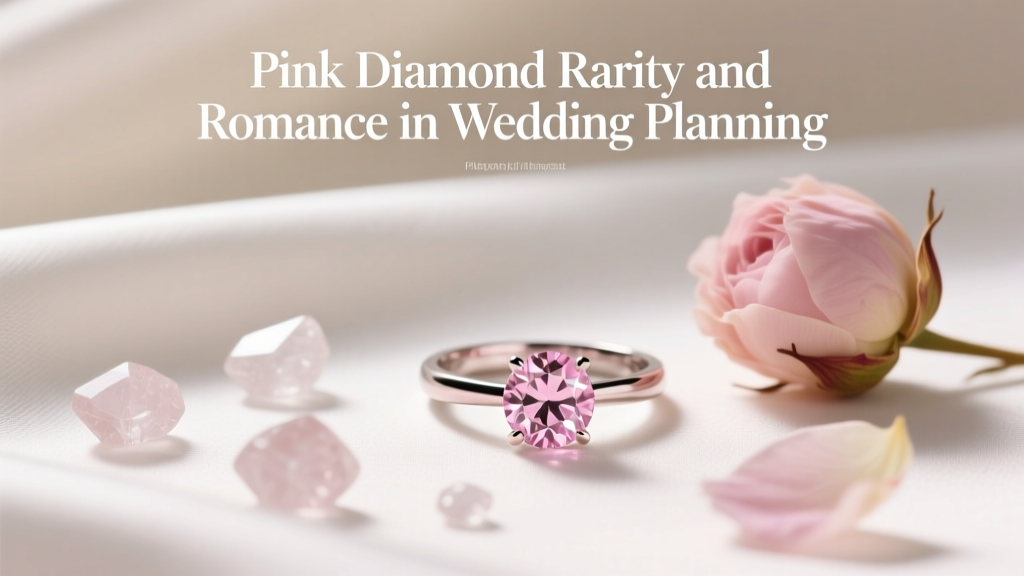 Pink Diamond Rarity and Romance