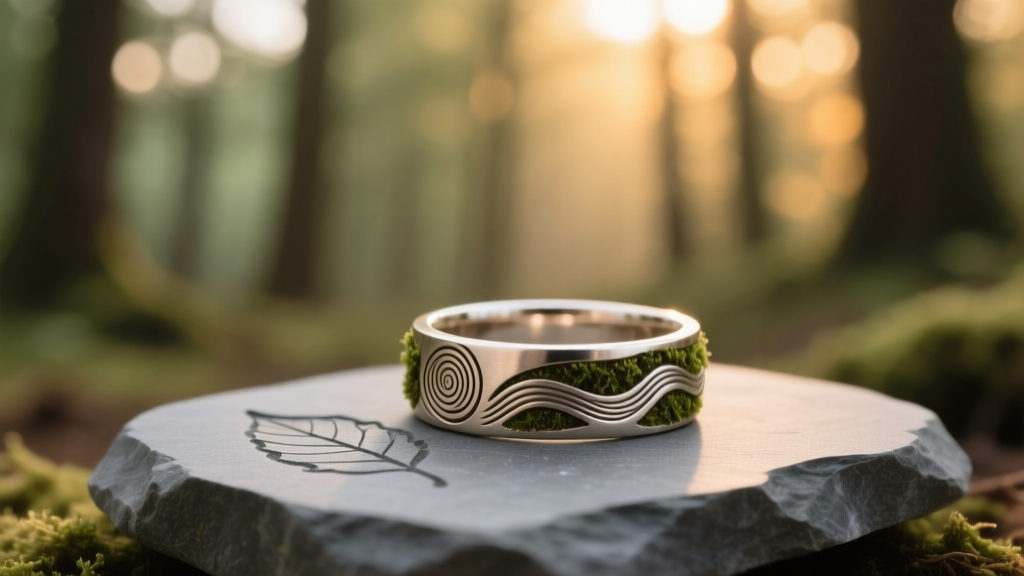
How to Choose a Wedding Band With a Nature-Inspired Design
Nature-inspired wedding bands have a special kind of romance: they feel personal, symbolic, and a little more “yours” than a standard plain band. Whether you’re drawn to delicate vine engravings, leaf motifs, mountain silhouettes, or organic textures that mimic bark and stone, these designs can reflect your story—where you met, the place you got engaged, or the landscapes you love exploring together.
At the same time, a nature-inspired wedding ring isn’t just about aesthetics. The details that make these bands beautiful—tiny leaves, milgrain “dew drops,” sculpted branches, and gemstone clusters—also affect comfort, durability, maintenance, and price. Choosing well means balancing artistry with everyday wearability, especially if you plan to stack your wedding band with an engagement ring.
This guide breaks down the key design styles, best metals and gemstones, craftsmanship details to look for, and practical tips so you can choose a nature-inspired wedding band you’ll love for decades.
What Counts as a Nature-Inspired Wedding Band?
Nature-inspired wedding bands are designs that borrow shapes, textures, and symbolism from the natural world. Some are subtle—like a matte finish that resembles river stone—while others are sculptural, featuring raised leaves or intertwined branches.
Popular nature motifs (and what they signal)
- Vines and ivy: Growth, connection, and a relationship that keeps strengthening.
- Leaves and laurel: Renewal, peace, achievement, and timeless elegance.
- Florals: Romance and celebration; often a softer, vintage-leaning look.
- Mountains and wave lines: Adventure, travel, and shared “places.”
- Woodgrain or bark textures: Organic, earthy, minimalist—great for those who want something subtle.
- Celestial nature crossovers: Starry textures, moon phases, and constellations paired with organic finishes—very current in wedding ring trends.
Start With Lifestyle and Comfort: Beauty Has to Wear Well
The most common reason couples regret a detailed wedding band is that it doesn’t fit their daily life. Before you fall in love with a design, consider how you’ll wear it.
Ask yourself these everyday-wear questions
- Hands-on job or active hobbies? Raised details can snag on fabric or gloves and can wear down faster.
- Do you want to wear it 24/7? If yes, prioritize comfort-fit interiors and lower-profile settings.
- Do you wash hands frequently or use skincare products? Intricate engraving can collect residue and need more cleaning.
Comfort-fit vs. standard-fit bands
A comfort-fit wedding band has a slightly rounded interior, making it easier to slide on/off and more comfortable for daily wear—especially in wider widths (6mm+). For nature-inspired wedding bands with heavier textures or wider profiles, comfort-fit is worth considering.
Choosing a Style: From Subtle to Statement
1) Engraved nature bands (timeless and stack-friendly)
Engraved leaf, vine, or floral patterns are a classic option that pairs well with many engagement ring styles. Look for crisp, clean engraving lines and consistent depth. Shallow engraving can fade over time, especially on softer metals.
2) Sculpted and dimensional designs (high impact, higher maintenance)
These bands feature raised leaves, twisting branches, or bark-like ridges. They’re beautiful as standalone wedding rings and popular for couples who want the band to be the star. Because edges and high points take more wear, ask about expected maintenance and whether refinishing is available.
3) Nature-inspired stackable bands (a modern trend)
Current trends lean toward stacking: mixing a nature-inspired band with a plain band, a pavé band, or a curved “contour” band that hugs the engagement ring. This approach lets you add texture without committing to a heavy, high-relief design.
4) Mixed-metal and two-tone nature bands (modern but not fleeting)
Two-tone rings are everywhere right now, and they work beautifully with botanical designs. A common look is a yellow gold vine wrapped over a white gold or platinum base, giving contrast and making the pattern more visible.
Best Metals for Nature-Inspired Wedding Bands
Metal choice affects color, durability, maintenance, and how well fine details hold up. For nature-inspired designs, detail retention matters more than usual.
Platinum (premium, durable, excellent for fine detail)
- Pros: Naturally white, dense, long-lasting; great for micro details and secure stone settings.
- Cons: Higher cost; develops a patina over time (many people love the soft glow).
- Best for: Bands with small gemstones, intricate engraving, and long-term daily wear.
14K gold (best balance for most couples)
- Pros: Stronger than 18K due to higher alloy content; holds engraving well; more budget-friendly than platinum.
- Cons: May need rhodium plating if you choose white gold.
- Best for: Detailed leaf/vine engraving and textured nature bands worn daily.
18K gold (richer color, slightly softer)
- Pros: Luxurious warmth in yellow/rose gold; classic high-end feel.
- Cons: Softer than 14K, so sharp edges and high points can wear a bit faster.
- Best for: Engraved patterns with moderate depth; couples prioritizing richer color.
Alternative metals (titanium, tungsten, cobalt)
These can work for minimalist nature textures (hammered “stone” finishes or laser-etched mountain lines), but they’re less ideal for intricate, handcrafted botanical details. Many alternative metals can’t be easily resized, which matters long-term.
Gemstones in Nature-Inspired Bands: What Works Best
Adding gemstones can turn a nature-inspired wedding band into something luminous—like dew on leaves. The key is choosing stones and settings that handle daily wear.
Best gemstones for durability
- Diamonds: The top choice for hardness and sparkle; ideal for pavé “dew drop” accents.
- Sapphires: Excellent durability and available in green, blue, peach, and parti colors—great for earthy palettes.
- Rubies: Durable and bold; beautiful with yellow gold leaf motifs.
Stones to approach with care
- Emeralds: Gorgeous green, but more prone to chipping due to inclusions; better in protected settings.
- Opals and pearls: Not ideal for everyday wedding bands due to sensitivity and wear.
Cuts and placements that suit nature designs
- Round brilliant: Classic “dew drop” sparkle; easiest to match for future repairs.
- Marquise: Looks like a leaf—perfect for botanical bands; ensure tips are protected.
- Pear: Reads as a petal or droplet; best in bezel or protective prongs.
Settings and Craftsmanship: The Details That Separate “Pretty” From “Built to Last”
Prong vs. bezel vs. flush settings
- Prong settings: Maximum sparkle, but prongs can catch on fabric—especially in high-relief bands.
- Bezel settings: Metal rim protects the stone; sleek and secure for active lifestyles.
- Flush (gypsy) settings: Stones sit level with the band; excellent for daily wear and minimalist nature textures.
Hand-engraved vs. cast patterns
Hand engraving typically gives sharper, more refined lines and a one-of-a-kind feel—especially in vine scrollwork and leaf veins. Cast designs can be beautiful and consistent, but look closely at edges and crispness; soft, “melted” details may wear down faster. If you love bold texture, consider a slightly deeper relief so the design still reads after years of wear.
Milgrain and matte finishes
Milgrain (tiny beaded edges) can mimic seeds or dew and pairs well with vintage-inspired botanical rings. Matte, brushed, and sandblasted finishes are popular wedding ring trends for an earthy look, but they will show polishing patterns over time. Ask whether the jeweler offers refinishing.
Matching a Nature-Inspired Wedding Band to an Engagement Ring
Check the ring profile and “flush fit”
If your engagement ring has a low-set center stone or an ornate basket, a straight band may leave a gap. A contour wedding band or notched band can nest against the engagement ring while keeping the nature motif intact.
Mixing motifs without looking busy
If your engagement ring is already detailed (halo, pavé, filigree), choose a nature-inspired band with one main design element—like a single vine engraving or a subtle leaf texture—so the set feels cohesive.
Price Range and Value Tips
Nature-inspired wedding bands range widely because labor and detail drive the price as much as metal weight.
Typical price brackets (general guidance)
- $300–$900: Simpler engraved patterns, alternative metals, thinner gold bands, minimal stone accents.
- $900–$2,500: 14K/18K gold or platinum with deeper engraving, better finishing, small diamond or sapphire accents.
- $2,500–$6,000+: Platinum, hand-engraving, complex sculpted motifs, pavé diamond detailing, custom work.
Where to spend for long-term value
- Prioritize metal quality (14K/18K gold or platinum) if you want crisp details that last.
- Pay for comfort and durability: comfort-fit, secure settings, and a practical profile.
- Keep stones small but well-set if you want sparkle without constant maintenance.
Care and Maintenance for Nature-Inspired Wedding Bands
At-home cleaning
- Soak in warm water with mild dish soap for 15–20 minutes.
- Use a soft toothbrush to gently clean engraving grooves and around stones.
- Rinse thoroughly and pat dry with a lint-free cloth.
Professional checkups
If your band has gemstones or delicate raised details, schedule a professional inspection every 6–12 months. Prongs, bead settings, and fine leaf tips can loosen over time—catching issues early prevents stone loss.
When to remove your ring
Take it off for weightlifting, gardening, rock climbing, heavy cleaning chemicals, and swimming (chlorine can be hard on some alloys and finishes). Nature-inspired bands with high-relief details benefit from fewer impacts.
Common Mistakes to Avoid
- Choosing maximum detail with no plan for maintenance: Highly sculpted rings may need more frequent refinishing and inspections.
- Ignoring snag risk: Leaf tips, prongs, and milgrain edges can catch—try it on with your usual clothing.
- Picking a metal that doesn’t suit your wear habits: 18K gold is beautiful, but very active lifestyles often do better with 14K or platinum.
- Forgetting stack height: A thick, textured wedding band can overwhelm a delicate engagement ring or make the set feel bulky.
- Not confirming resizing options: Some intricate patterns are difficult to resize cleanly, and alternative metals may not be resizable at all.
FAQ: Nature-Inspired Wedding Bands
Are nature-inspired wedding bands durable enough for everyday wear?
Yes—if you choose a practical profile, durable metal (14K gold or platinum), and secure settings. Engraved designs tend to be easier for daily wear than very high-relief sculpted bands.
What’s the best metal for a leaf or vine wedding band?
For most couples, 14K gold is the sweet spot for durability and detail retention. Platinum is excellent for longevity and stone security, especially if your band includes diamonds or sapphires.
Do engraved patterns wear off over time?
They can soften with years of wear, particularly if the engraving is shallow or the ring is polished frequently. Deeper engraving, harder alloys, and mindful wear help the pattern stay crisp.
What gemstones look most “natural” while still being tough enough for a wedding band?
Diamonds are the most durable. For color, sapphires (including green sapphires) are a great nature-inspired choice with excellent everyday wearability.
Can I pair a nature-inspired band with a halo or vintage engagement ring?
Absolutely. Keep the wedding band’s motif focused—like a single vine engraving or a subtle leaf texture—so the combined look doesn’t get overly busy. A contour band can help the set sit neatly together.
Are nature-inspired wedding rings trendy or timeless?
Both. Stackable botanical bands and mixed-metal looks are current trends, while engraved leaf/vine patterns and milgrain details have a long history and stay classic when the design is clean and well-crafted.
Your Next Step: Choose a Band That Feels Like Your Story
The best nature-inspired wedding band balances meaning with craftsmanship: a design you genuinely connect with, made in a metal that fits your lifestyle, finished with details that will still look beautiful years from now. If you’re unsure, start with an engraved leaf or vine band in 14K gold or platinum, then decide whether you want gemstone accents, mixed metals, or a contoured shape for a perfect engagement ring match.
For more help comparing wedding band styles, metals, gemstones, and matching tips for engagement ring sets, explore more jewelry guides on weddingsift.com.
More Articles
 Platinum vs White Gold Which Lasts Longer
 How to Tell If Your Ring Setting Needs Repair
 25th Wedding Anniversary Gifts for Husband (2026)
 Why Wedding Rings Slip Off (and 5 Fixes)
 Complete Budget Essentials: A Practical Metalsmith’s Guide to Starting Jewelry Making Under $500
 Diamond Cut Guide Understanding Brilliance and Fire
 Platinum Wedding Ring Value: Real 2026 Worth
 Diamond Color Scale: What G vs I Really Means
 Shower With Wedding Ring? 3 Steps to Prevent Damage
 Two-Piece Wedding Ring Rules (2026)