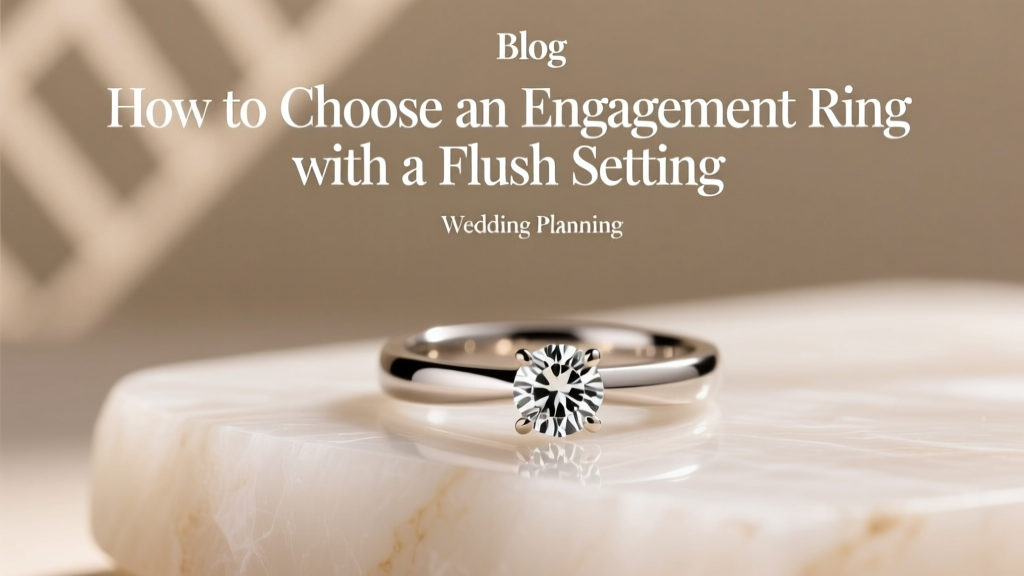
How to Choose an Engagement Ring With a Flush Setting
A flush setting (often called a “flush set” or “gypsy set”) is one of the most practical—and underrated—ways to wear a diamond engagement ring every day. Instead of sitting high above the band, the gemstone is set into the metal so the top of the stone sits level (or nearly level) with the ring’s surface. The result is a clean profile that feels smooth against clothing, gloves, and pockets.
For couples who want a ring that looks refined but fits an active lifestyle, flush-set engagement rings solve a common frustration: snagging. They also pair beautifully with wedding bands because the silhouette is streamlined and modern. At the same time, a flush setting can be tailored to feel timeless, especially when paired with classic diamond cuts, durable metals, and thoughtful craftsmanship.
This guide breaks down what a flush setting is, how it compares to other engagement ring settings, what to look for in diamonds and gemstones, and how to make sure your ring stacks well with a wedding band—without sacrificing sparkle or long-term durability.
What Is a Flush Setting (and Why Couples Love It)?
A flush setting is created by drilling a seat into the ring’s metal and setting the stone into that cavity. The jeweler then burnishes (presses) the surrounding metal over the stone’s edges to secure it. Unlike a prong setting, there are no “claws” holding the gemstone above the band.
Benefits of a Flush-Set Engagement Ring
- Low profile: Comfortable for daily wear and less likely to catch on fabric.
- Great for active lifestyles: Popular with nurses, athletes, people who work with hands, and anyone who dislikes high settings.
- Modern, minimal look: A current trend in engagement rings, especially for couples who prefer clean lines.
- Durability: The stone is protected by surrounding metal, reducing the risk of chipped girdles compared with more exposed styles.
- Easy stacking: Often pairs neatly with a wedding band—though the details still matter (more on that below).
Flush Setting vs. Bezel vs. Prong
Flush settings are sometimes confused with bezel settings. A bezel wraps a visible rim of metal around the stone’s perimeter; a flush setting sits the stone into the band with minimal visible metal above the surface. Prong settings lift the stone higher, maximizing light return and giving a classic “engagement ring” look.
- Choose flush if you prioritize sleekness, comfort, and security.
- Choose bezel if you want similar protection with more design definition around the stone.
- Choose prongs if maximum sparkle and a traditional silhouette are the top goals.
Picking the Right Center Stone for a Flush Setting
Flush settings work with diamonds and many gemstones, but the best choice depends on hardness, cut style, and how much sparkle you want from a lower-profile design.
Diamonds: Best Cuts for Flush Settings
Diamonds are the most common choice for flush-set engagement rings because they’re extremely durable (Mohs hardness 10) and can be secured confidently without sacrificing longevity.
- Round brilliant: The easiest to flush set and the most timeless. Strong sparkle even in a low profile.
- Princess: Crisp, modern look. Requires careful setting to protect corners; many couples prefer slightly rounded corners or a protective seat.
- Oval: Trend-forward and flattering on the finger. Works best when set with precision to keep the outline symmetrical in the metal.
- Cushion: Soft edges and vintage-meets-modern appeal; pairs well with flush settings for a smooth silhouette.
- Emerald/Asscher: Elegant step cuts with “hall of mirrors” reflections. They can look sleek flush-set, but they won’t sparkle as intensely as round brilliants.
Gemstones: What Works (and What Needs Caution)
Flush settings can be excellent for colored gemstones because the design offers extra protection. Still, not all gems are ideal for daily wear.
- Sapphire (Mohs 9): A top choice for flush settings—durable, timeless, and available in blue, pink, white, and more.
- Ruby (Mohs 9): Also excellent for everyday wear; striking color in a minimal setting.
- Moissanite (Mohs ~9.25): Very durable with bright sparkle. Great value for a larger look.
- Emerald (Mohs 7.5–8): More fragile due to common inclusions; can work, but expect more careful wear and maintenance.
- Opal/pearl/turquoise: Not recommended for engagement rings, flush set or otherwise, due to softness and sensitivity.
Stone Size and Proportions
Flush settings typically look best with stones that suit the band width. A very large stone can still be flush-set, but it requires a wider, thicker band for structural integrity. Many couples find a sweet spot in the 0.20–1.00 carat range for a single flush-set center stone, or choose a sleek band with multiple flush-set accent diamonds.
Metal Choices: Durability, Color, and Lifestyle Fit
Because a flush setting relies on metal pushed over the stone, metal choice affects both appearance and long-term security.
Platinum
Platinum is a premium, naturally white metal with excellent toughness. It develops a soft patina over time rather than wearing away quickly. It’s a strong pick for flush settings because it holds stones securely and stands up well to daily wear.
14K and 18K Gold
- 14K gold: The most popular for everyday engagement rings—durable, cost-effective, and available in yellow, white, and rose.
- 18K gold: Richer color and higher gold content, but slightly softer. Still a classic choice, especially for yellow gold flush-set designs.
For white gold, ask about rhodium plating and how often it may need to be refreshed depending on wear.
Palladium and Alternative Metals
Palladium can be a good white metal option, though availability varies. Alternative metals like tungsten or titanium are not ideal for flush-set engagement rings if you want future resizing or repairs—many are difficult or impossible to resize.
Design Details That Make a Flush Setting Look Intentional
A flush setting can be minimalist, but the best designs still feel special through proportion and finishing.
Band Width and Thickness
Thin bands are trending, but a super-thin band can be risky for any engagement ring. For flush settings, consider:
- 1.8–2.2 mm for a balanced everyday band with a single small-to-medium stone
- 2.3–3.0 mm+ for larger stones, multiple flush-set stones, or a bolder, modern look
Finish: High Polish, Satin, or Brushed
A high-polish finish looks classic and bright but shows scratches more quickly. Satin or brushed finishes are popular in modern jewelry trends and can hide minor wear—especially appealing for flush-set rings with a sleek, contemporary vibe.
Single Stone vs. Multiple Flush-Set Diamonds
- Single flush-set center: Clean, architectural look.
- Scattered flush-set diamonds: A modern, “starry” style that’s trending right now.
- Flush-set eternity or half-eternity: Beautiful, but consider comfort and future resizing needs.
How to Choose a Wedding Band That Sits Well
One big reason couples search for a flush setting engagement ring is to get an easy, comfortable stack with a wedding band. Most flush-set rings sit low and don’t require a curved band, but you still want to check for two things: height and stone placement.
- Check for a true flush stack: Put a straight wedding band next to the engagement ring. If there’s a gap, it may be due to a thicker stone seat or design detail.
- Match band widths thoughtfully: A very thin wedding band next to a wide engagement ring can look unbalanced (unless that contrast is intentional).
- Consider a flush-set wedding band: This creates a cohesive look and keeps the entire set snag-free.
Quality Factors: What to Look For in Craftsmanship
Flush settings are secure when done well, but they are precision work. Ask to see the setting up close.
Signs of a Well-Made Flush Setting
- Even, smooth burnishing: The metal around the stone should look clean and symmetrical.
- No sharp edges: Run a fingertip lightly over the setting; it should feel smooth.
- Stone sits level: The top of the stone should not tilt.
- Appropriate metal thickness: The band should not look “scooped out” too deeply for the stone size.
Diamond Quality Tips (The Practical Version of the 4Cs)
- Cut: Prioritize cut quality for sparkle. For round diamonds, look for Excellent/Ideal cut when possible.
- Color: In yellow or rose gold, you can often go slightly lower in color (like G–J) without noticing warmth.
- Clarity: Many couples choose “eye-clean” clarity rather than paying for flawless. VS2–SI1 can be great depending on the stone.
- Carat: In a flush setting, a slightly smaller carat can still look upscale because the design is intentional and sleek.
Price Range and Value Tips
Flush-set engagement rings can be surprisingly budget-friendly or quite premium depending on metal, stone type, and whether the ring is custom made.
- Under $1,000: Simple 14K gold bands with small flush-set diamonds, lab-grown diamonds, or moissanite accents.
- $1,000–$3,500: 14K/18K gold or platinum with a larger flush-set center (often lab-grown) or multiple accent stones.
- $3,500–$8,000+: Platinum, natural diamonds, higher carat weights, specialty cuts, designer craftsmanship, and custom work.
Best Value Moves
- Consider lab-grown diamonds: A major trend in engagement rings, offering larger size or higher specs for the same budget.
- Choose 14K gold for durability and cost: It wears well and keeps the price manageable.
- Spend on cut quality: Especially for round, oval, and cushion diamonds, cut drives beauty more than minor clarity upgrades.
Care and Maintenance for Flush-Set Rings
Flush settings are low maintenance, not no maintenance. Soap, lotion, and daily grime can dull sparkle even when the stone is protected.
- At-home cleaning: Warm water, mild dish soap, and a soft toothbrush. Gently clean around the stone and rinse well.
- Avoid harsh chemicals: Chlorine and strong cleaners can damage metals and some gemstones.
- Professional checkups: Have a jeweler inspect the setting once a year to ensure the stone is tight and the metal hasn’t worn thin.
- Polishing and refinishing: Expect surface scratches over time, especially on high-polish rings. Brushed finishes may need refreshing to keep the texture consistent.
Common Mistakes to Avoid
- Choosing a stone that’s too soft for daily wear: Opals and pearls are beautiful, but they’re better for occasional jewelry than an engagement ring.
- Going too thin on the band: Ultra-thin designs can bend over time, even with a flush setting.
- Assuming “flush” means “indestructible”: The stone is protected, but hard knocks can still chip gems or deform metal.
- Not testing the wedding band fit: Always try stacking (or request measurements) to avoid an unexpected gap.
- Skipping craftsmanship questions: Flush settings require skill—ask who sets the stones and whether the ring is cast, hand-finished, or fully hand-fabricated.
FAQ: Flush-Set Engagement Rings
Are flush settings secure enough for everyday wear?
Yes—when made correctly. Because the stone sits inside the band and is held by burnished metal, flush settings are among the more secure options for daily wear, especially compared with high prongs.
Do flush-set diamonds sparkle less?
They can appear slightly less “flashy” than a high prong setting because less light enters from the sides. Choosing a well-cut diamond (especially a round brilliant) helps maximize sparkle in a low-profile design.
Can a flush-set engagement ring be resized?
Often yes, especially in gold or platinum. If the ring has many flush-set stones around the band (like an eternity style), resizing may be limited. Ask before purchasing if resizing is a priority.
What wedding band works best with a flush-set engagement ring?
A straight band frequently sits well next to a flush setting. For a seamless look, many couples choose a matching flush-set wedding band or a simple polished band in the same metal and similar width.
Is a flush setting good for a larger center stone?
It can be, but the ring needs enough metal thickness and width to support the setting. For larger stones, consider a wider band, a bezel-style variation, or a custom build to maintain strength.
What’s the difference between a flush setting and a bezel setting?
A bezel surrounds the stone with a visible metal rim. A flush setting places the stone into the band so it sits level with the surface, typically with less visible metal framing the stone.
Next Steps: Choose a Flush Setting That Fits Your Real Life
If you want an engagement ring that feels smooth, modern, and genuinely wearable, a flush setting is hard to beat. Start by deciding your ideal stone (diamond, sapphire, or moissanite), then pick a durable metal like 14K gold or platinum, and make sure the band proportions match the stone size. Finally, test how it stacks with the wedding band you envision—because the best engagement ring set is the one that looks great and feels effortless every day.
For more guidance on engagement ring settings, diamond shapes, wedding band pairing, and metal choices, explore the latest jewelry guides on weddingsift.com.
More Articles
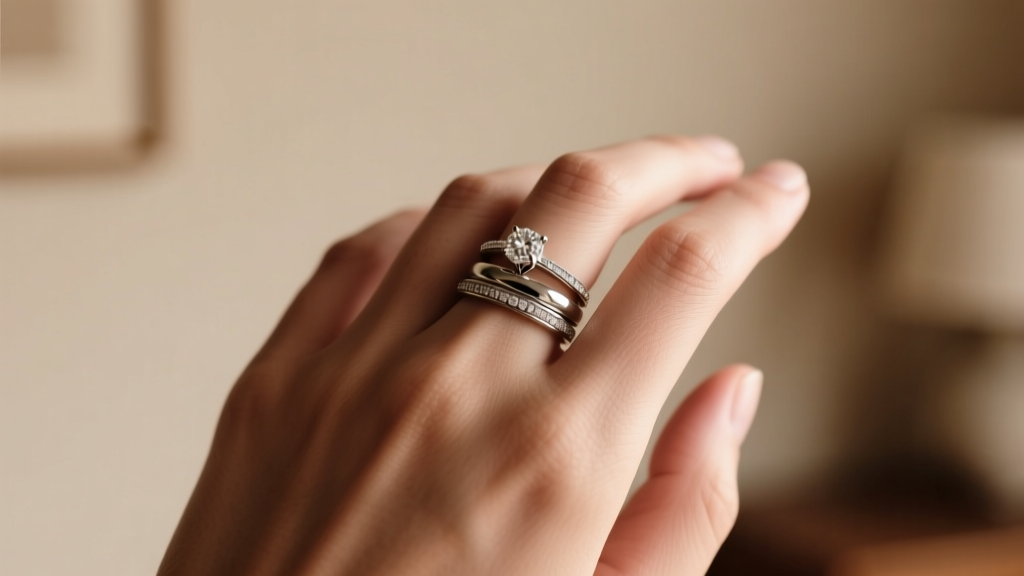 Wedding Set Order: How to Stack Rings Correctly (2026)
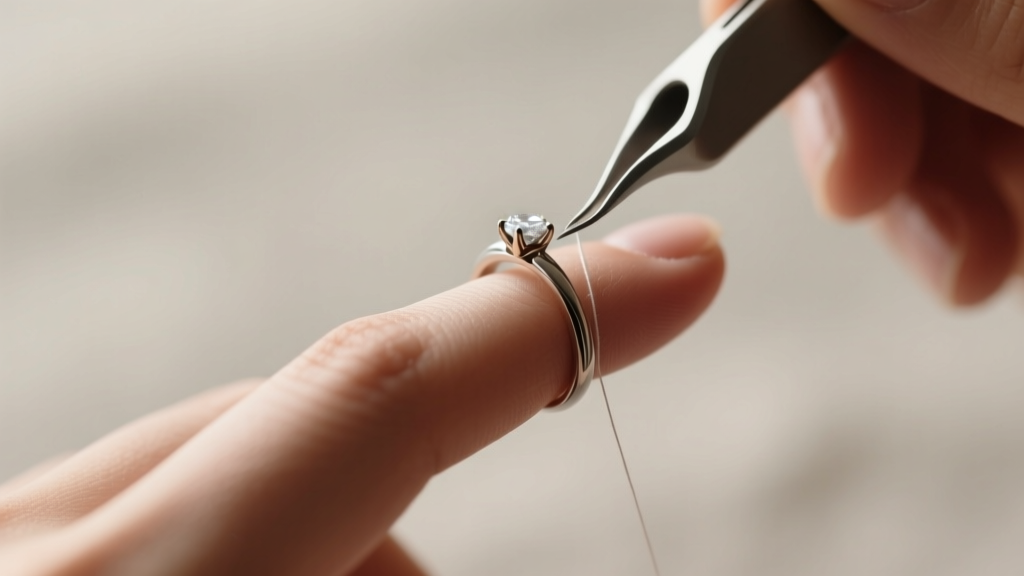 How To Get Off A Wedding Ring That Is Stuck
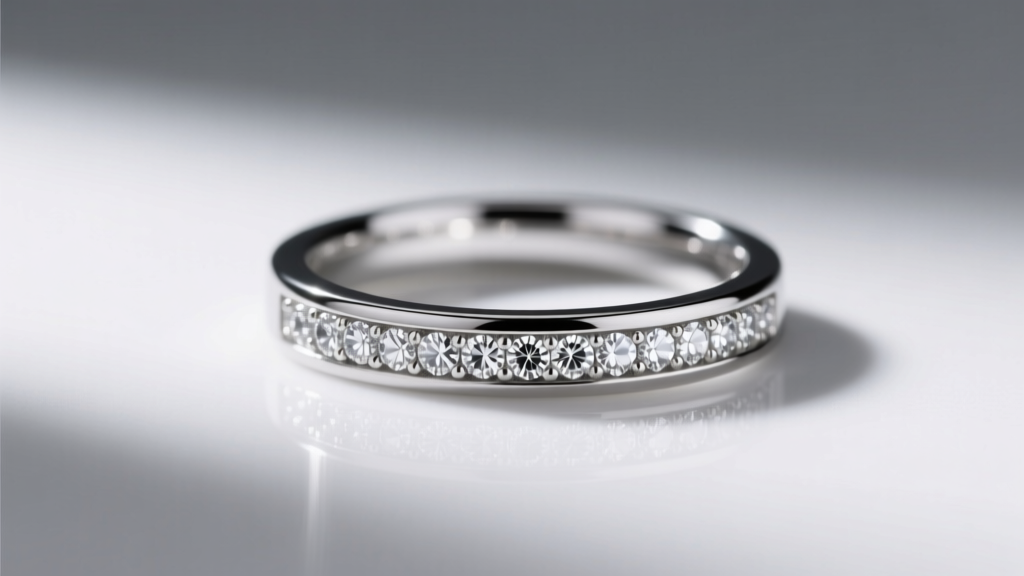 Diamond Channel Settings Security and Seamless Look
 Tungsten Wedding Ring Resizing: Truth & Safe Alternatives
 How to Clean Diamond Rings Without Harsh Chemicals
 Rubellite and Pink Tourmaline Engagement Ring Options
 Wedding Band Placement: Top or Bottom in 2026
 Rose Gold Wedding Bands Are They Worth the Hype
 How to Choose an Engagement Ring With a Cathedral Shank
 How to Identify Quality Craftsmanship in Wedding Bands