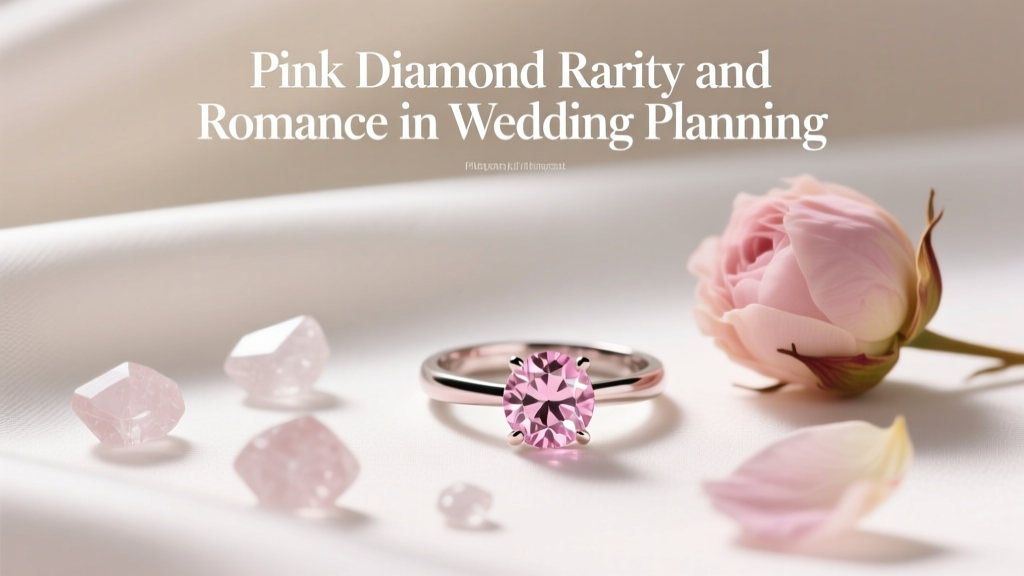
Pink Diamond Rarity and Romance
Few gemstones feel as instantly romantic as a pink diamond. The color suggests warmth, devotion, and individuality—yet it’s not a “trendy” choice in the way some colored stones can be. Pink diamonds have a long history in fine jewelry, and their scarcity gives them a sense of significance that resonates with couples choosing an engagement ring or wedding band meant to last a lifetime.
What makes pink diamonds especially compelling is that their beauty isn’t created by dyeing or coating. In most natural pink diamonds, the color comes from a rare distortion in the crystal structure formed deep within the earth. That natural origin, combined with limited supply, is the reason pink diamond engagement rings sit at the intersection of rarity and romance—and why buying one deserves a little expert guidance.
This guide breaks down what makes pink diamonds rare, how to evaluate quality and value, which settings and metals flatter pink hues, and how to shop confidently for a pink diamond ring you’ll love decades from now.
What Makes Pink Diamonds So Rare?
Natural pink diamonds are among the rarest colored diamonds on the market. Unlike yellow diamonds (often influenced by nitrogen) or blue diamonds (often influenced by boron), pink coloration is widely attributed to plastic deformation—an internal “twist” in the diamond’s lattice that alters how light interacts with the stone. The result is a soft blush, vivid hot pink, or even purplish-pink tone.
Supply and the Argyle Effect
For decades, Australia’s Argyle mine was the world’s most significant source of pink diamonds. With Argyle’s closure, fine natural pink diamonds became even harder to source consistently. Pink diamonds still come from regions like Russia, Canada, South Africa, and Brazil, but in far smaller volumes—especially in the sizes and color intensities couples often want for engagement rings.
Natural vs. Lab-Grown Pink Diamonds
Today’s market includes both natural and lab-grown pink diamonds. Lab-grown stones can offer the same diamond hardness (10 on the Mohs scale) and similar optical properties, often with stronger color for the budget. Natural pink diamonds, on the other hand, carry rarity-based value and collector appeal—particularly when color and documentation are exceptional.
Understanding Pink Diamond Color: The Biggest Value Driver
When shopping for a pink diamond engagement ring, color is the primary factor in beauty and price. Color is evaluated by a combination of hue (pink, purplish-pink, orangy-pink), tone (light to dark), and saturation (soft to vivid).
Common Color Descriptions You’ll See
- Faint/Very Light/Light Pink: delicate blush; often more affordable in natural stones
- Fancy Light Pink: noticeable pink presence without being intense
- Fancy Pink: stronger saturation; a popular balance for engagement rings
- Fancy Intense/Vivid Pink: highly saturated and rare; pricing increases sharply
- Purplish-Pink or Orangy-Pink: modifiers can raise or lower desirability depending on preference and rarity
For most couples, the sweet spot is a stone that looks clearly pink in everyday lighting. If you’re choosing a softer pink, settings and metal choices can help enhance the hue.
Cut, Shape, and Sparkle: How Pink Diamonds Perform
Cut quality affects sparkle, face-up size, and how color appears. Colored diamonds are often cut to emphasize color rather than maximum brilliance, which can slightly change the “flash” compared to a high-cut-grade white diamond.
Best Shapes for Pink Diamond Engagement Rings
- Radiant: a favorite for colored diamonds; brilliant faceting boosts sparkle and color presence
- Cushion: timeless and romantic; can showcase a soft, glowing pink beautifully
- Oval: elongates the finger and can appear larger per carat; popular in current engagement ring trends
- Pear: elegant and distinctive; great for halo settings
- Round: classic, but fine pink rounds can be especially rare and pricey
- Emerald/Asscher: step cuts look sophisticated; they highlight clarity and can show color more subtly
Clarity and the “Eye-Clean” Rule
Because color is the star, many buyers prioritize a strong pink hue over ultra-high clarity. Aim for eye-clean—no inclusions visible without magnification from a normal viewing distance. In step cuts (emerald, Asscher), clarity matters more because the faceting is more transparent.
Natural, Treated, and Lab-Grown: What to Ask Before You Buy
Not all pink diamonds on the market are natural-color. Some diamonds are treated to create or intensify pink coloration. Treatments can be stable and legitimate when fully disclosed, but they affect value and long-term resale considerations.
Key Categories
- Natural pink diamond (natural color): rarest and typically highest priced
- Treated-color pink diamond: may involve irradiation and annealing or other processes; can offer a lower entry price
- Lab-grown pink diamond: created with HPHT or CVD methods; often the best route to larger size or vivid color on a realistic budget
Buying tip: Request a grading report from a respected lab (commonly GIA for natural colored diamonds; IGI is also seen frequently for lab-grown). The report should clearly state whether color is natural or treated, and whether the stone is lab-grown.
Metal Choices That Flatter Pink Diamonds
The metal you choose influences how pink looks on the hand. For engagement rings and wedding bands meant to pair together, metal choice also affects durability and long-term maintenance.
Platinum
Platinum is a timeless classic for bridal jewelry: dense, durable, and naturally white. It offers a crisp contrast that can make pink diamonds look cleaner and slightly brighter.
18K or 14K White Gold
White gold gives a similar look to platinum at a lower price point. Keep in mind most white gold is rhodium plated; it may need re-plating over time, especially with frequent wear.
Rose Gold
Rose gold is a strong trend that has staying power in romantic engagement rings. It can amplify blush tones and create a seamless pink-on-pink look. If your diamond is a light pink, rose gold can make the color feel richer—though it may reduce contrast.
Yellow Gold
Yellow gold can create a vintage-inspired feel and is striking in mixed-metal designs. It can warm the overall look; for purplish-pink diamonds, yellow gold can create beautiful color tension.
Settings and Styles: From Modern Trends to Forever Classics
Halo Settings
A halo of white diamonds around a pink center stone is one of the most popular pink diamond engagement ring styles. It visually enlarges the center and adds bright contrast—especially effective for lighter pinks.
Three-Stone Rings
Three-stone settings (pink center with white diamond sides, or the reverse) symbolize past, present, and future. This style balances romance and presence, and it pairs well with classic wedding bands.
Solitaire Settings
A solitaire is the ultimate timeless classic. With a pink diamond, it feels modern and distinctive without being overly ornate. Choose a well-made prong or bezel to protect the stone and keep the look clean.
Bezel and Half-Bezel
Bezel settings are a practical choice for active lifestyles. They protect the edges of fancy shapes (oval, pear, cushion) and give a sleek, contemporary finish—very on-trend for couples who want minimalism with meaning.
Pavé and Micro-Pavé
Pavé bands add sparkle, but craftsmanship matters. Look for secure bead or shared-prong work and a comfortable fit. Micro-pavé is beautiful, but it requires careful wear and occasional inspection.
Price Range and Value Tips
Pink diamond pricing varies dramatically based on origin (natural vs lab-grown), color intensity, and size. As a general guide for engagement rings:
- Lab-grown pink diamond rings: often start around the low thousands and scale with size, cut, and setting complexity.
- Treated-color pink diamond rings: can sit between lab-grown and natural pricing depending on the base stone and disclosure.
- Natural pink diamond rings: typically command premium pricing even at smaller carat weights; vivid or intense colors rise quickly into luxury territory.
Best Ways to Maximize Beauty Per Dollar
- Prioritize visible color: a smaller stone with stronger pink can look more “pink” than a larger, pale stone.
- Consider shapes that face up larger: oval, pear, and radiant can appear bigger than rounds at the same carat weight.
- Use contrast strategically: a white diamond halo or platinum prongs can help a light pink center stand out.
- Don’t overpay for invisible specs: eye-clean clarity and strong cut performance often matter more than a pristine grade on paper.
Practical Buying Tips for Couples
- Ask for grading documentation: confirm natural vs lab-grown and natural vs treated color.
- View the diamond in multiple lighting environments: daylight, indoor warm light, and shaded light can shift how pink reads.
- Check the setting craftsmanship: prong alignment, symmetry, smooth finishing, and secure pavé work are non-negotiable for daily wear.
- Plan the wedding band fit: halos and low-set baskets may require a contoured band; ask about flush-fit options.
- Match lifestyle to setting: active hands do best with bezels, sturdier prongs, and less exposed edges.
Care and Maintenance: Keeping a Pink Diamond Ring Brilliant
Pink diamonds are as durable as any diamond, but the setting and metal still need routine care.
- At-home cleaning: warm water, mild dish soap, and a soft toothbrush. Rinse thoroughly and pat dry with a lint-free cloth.
- Avoid harsh chemicals: chlorine and aggressive cleaners can damage metals and loosen settings over time.
- Remove your ring for high-impact activities: weightlifting, gardening, and heavy cleaning can bend prongs or scratch metal.
- Annual checkups: have a jeweler inspect prongs, pavé stones, and the security of the center diamond at least once a year.
- Storage: keep it in a fabric-lined box or separate compartment to prevent metal scuffs and diamond-on-diamond scratches.
Common Mistakes to Avoid
- Buying without a reliable report: especially for colored diamonds, documentation is key for value and transparency.
- Confusing “pink” with metal reflection: a near-colorless diamond in rose gold can pick up a pinkish cast; confirm the diamond itself is graded as pink if that’s what you want.
- Ignoring cut performance: a deep or poorly proportioned stone can look smaller and darker than its carat weight suggests.
- Overlooking setting security: delicate micro-pavé looks glamorous but needs excellent craftsmanship and realistic wear habits.
- Not planning for stacking: engagement ring and wedding band compatibility affects comfort and long-term satisfaction.
FAQ: Pink Diamond Engagement Rings and Wedding Bands
Are pink diamonds real diamonds?
Yes. Natural and lab-grown pink diamonds are both true diamonds (carbon crystal with the same hardness and durability). The difference is origin: mined from the earth versus grown in a laboratory.
Do pink diamonds hold value?
Natural pink diamonds are valued for rarity and can hold value well, especially with strong color and reputable grading. Lab-grown pink diamonds offer excellent beauty and size for the price, but typically do not retain value the same way because supply can increase.
Is a halo setting better for a pink diamond?
A halo is a smart choice for many pink diamonds because it increases sparkle and contrast, making the center look larger and often “pinker,” especially in lighter color grades. Solitaires and bezels are equally valid if you prefer a cleaner, modern look.
What metal looks best with a pink diamond ring?
Platinum and white gold provide crisp contrast and emphasize brightness. Rose gold enhances blush tones for a romantic, cohesive look. The “best” metal depends on whether you want contrast (white metal) or warmth (rose/yellow gold).
Can I wear a pink diamond engagement ring every day?
Yes. Diamonds are excellent for daily wear, but choose a secure setting and have it inspected regularly. Bezel, sturdy prongs, and well-made pavé are your friends for long-term durability.
How do I pair a wedding band with a pink diamond engagement ring?
For halos and low baskets, consider a curved or notched band for a flush fit. For solitaires, most straight bands work. Many couples like a classic diamond pavé wedding band with a pink center stone, or a simple polished band for a timeless stack.
Where Pink Diamond Romance Meets Smart Buying
A pink diamond engagement ring is a rare way to say “forever” with softness and strength in the same breath. Focus first on the quality of pink you see with your own eyes, choose a shape and setting that suit your lifestyle, and insist on clear documentation—especially when comparing natural, treated, and lab-grown options. If you want a look that feels current, oval or radiant pink diamonds with a delicate halo or bezel are leading the trend; if you want a forever classic, a well-proportioned cushion or round in a refined solitaire will never date.
When you’re ready, explore more jewelry guides on weddingsift.com to compare engagement ring styles, wedding bands, diamond shapes, and metal choices with confidence.
More Articles
 Blue Diamond Natural and Treated Options
 Wedding Ring Set Styling: Fit, Care & Stack Tips (2026)
 Moissanite vs Diamond: Honest 2026 Guide
 How to Make a Ring Smaller Without Resizing (2026)
 Best Places to Find Artisan Wedding Bands
 Black Wedding Band Meaning: 7 Truths (2026)
 How to Choose a Wedding Band With a D-Shaped Profile
 Engagement and Wedding Ring Order: The Right Way
 Lab-Grown vs Natural Diamonds: 2026 Comparison
 How to Keep Wedding Ring and Engagement Ring Together