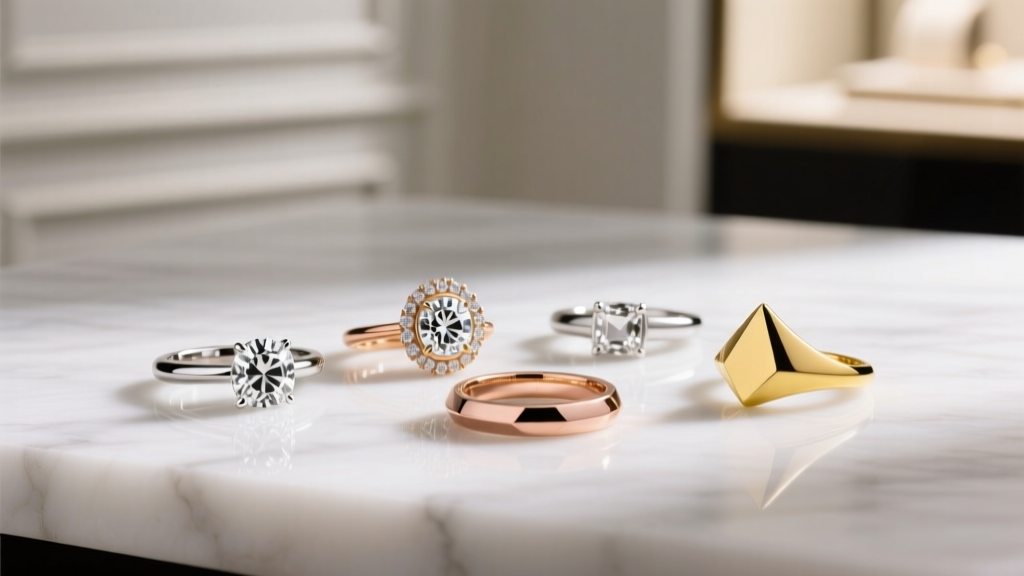
How to Choose a Ring That Matches Her Style
Choosing an engagement ring or wedding band is one of the few purchases that blends emotion, aesthetics, and everyday practicality. She’ll wear it in real life: at work, while traveling, during celebrations, and on ordinary Tuesdays. A ring that truly matches her style feels effortless on her hand—like it has always belonged there.
The best way to shop is to look beyond “what’s popular” and focus on what suits her lifestyle, wardrobe, and taste. Trends like oval diamonds and hidden halos are everywhere right now, but timeless classics—solitaires, three-stone rings, and simple gold bands—never stop looking right. This guide breaks down how to identify her style, choose flattering shapes and settings, select the right metal, and make smart quality and budget decisions.
Whether you’re shopping for an engagement ring, wedding ring set, or coordinating bands, the goal is the same: a piece that looks like her, lasts for decades, and still makes your heart race when you open the box.
Start With Her Style: A Quick “Style Profile”
Look at what she wears daily
Her jewelry habits are your best clue. Check for:
- Metal color: Does she wear yellow gold, white gold, rose gold, or mixed metals?
- Scale: Dainty chains and small studs usually pair well with delicate ring designs; bold hoops and statement pieces often match thicker bands or more presence on the finger.
- Design vibe: Clean and minimal, vintage-inspired, glamorous, edgy, nature-inspired, or artsy?
Match the ring to her lifestyle
A ring can be gorgeous and still be the wrong choice if it snags on sweaters or feels too tall for daily wear. Consider:
- Hands-on jobs or hobbies: Healthcare, fitness, cooking, climbing, crafting—lower-profile settings and sturdier bands tend to work best.
- Travel and active schedules: Durable metals and protective settings reduce maintenance stress.
- Sensitivity to maintenance: Some people love sparkle upkeep; others want “set it and forget it.”
Choose a Center Stone That Fits Her Aesthetic
Diamond classics vs. alternative gemstones
Diamonds remain the most popular engagement ring stone because of their durability (10 on the Mohs scale) and timeless look. That said, many couples now choose lab-grown diamonds for value and traceability, or colored gemstones for personality.
- Natural diamond: Traditional, strong resale perception, wide variety.
- Lab-grown diamond: Same optical and physical properties as natural; typically a better size/quality value.
- Sapphire (including blue, pink, yellow): Very durable (9 Mohs), excellent for everyday wear; a favorite for vintage and royal-inspired styles.
- Ruby: Durable (9 Mohs), vivid color; ideal for bold, romantic tastes.
- Emerald: Beautiful but softer and more included; best for someone gentle with jewelry and open to periodic care.
- Moissanite: Extremely sparkly with a distinct “fire,” durable and budget-friendly; a strong choice for larger looks.
Stone shapes that align with style (and current trends)
Stone shape sets the tone. Today’s trends highlight oval, elongated cushion, and pear cuts, while round brilliant remains the forever classic.
- Round brilliant: Maximum sparkle, timeless, suits almost every style.
- Oval: Trend-forward and flattering; elongates the finger and looks larger per carat.
- Emerald cut: Sleek “hall of mirrors” shine; best for minimalists and lovers of clean lines.
- Radiant: A bright, modern mix of emerald outline with brilliant sparkle.
- Cushion: Soft and romantic; great for vintage-inspired settings.
- Pear or marquise: Elegant and dramatic; very flattering when oriented north-south.
- Princess: Crisp and modern; strong geometric vibe.
Pick a Setting That Complements Her Personality
Solitaire: the timeless standard
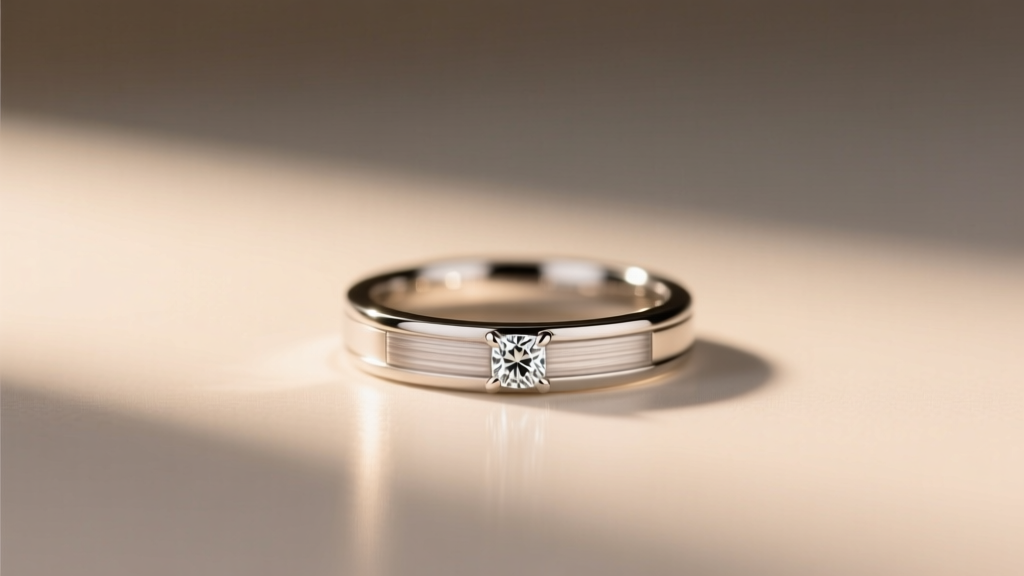
A solitaire engagement ring keeps the focus on the center stone. It’s versatile, easy to pair with wedding bands, and ideal for minimal or classic style. If she loves understated luxury, a solitaire in platinum or yellow gold is hard to beat.
Halo and hidden halo: glam without overdoing it
Halos add sparkle and visual size. A hidden halo (small diamonds beneath the center stone) is a current favorite because it looks classic from the top but adds a modern surprise from the side.
Three-stone rings: sentimental and balanced
A three-stone engagement ring can symbolize past, present, and future. It suits someone who likes meaning, symmetry, and a slightly more substantial look than a solitaire.
Vintage-inspired details: for the romantic
Look for milgrain edges, filigree, hand-engraving, bezel accents, and old-world motifs. Pair these with cushion or round stones and you’ll get a ring that feels heirloom-level special.
Bezel and half-bezel: modern, secure, and practical
A bezel setting wraps metal around the stone, offering excellent protection and a smooth profile—great for active lifestyles. It reads modern and architectural, especially in yellow gold or platinum.
Pavé bands: sparkle lovers, meet your match
Pavé adds rows of tiny diamonds along the band. It’s brilliant and fashionable, but it does require attention to craftsmanship and occasional maintenance to keep small stones secure.
Metal Matters: Color, Durability, and Feel
Platinum
- Look: Naturally white, prestigious, and timeless.
- Durability: Very durable and dense; develops a soft patina over time.
- Best for: Sensitive skin, daily wear, and secure prongs.
White gold (usually 14K or 18K)
- Look: Bright white finish (often rhodium-plated).
- Maintenance: May need re-plating over the years to keep it bright.
- Best for: A platinum look at a lower price.
Yellow gold
- Look: Warm, classic, and very on-trend again (especially with oval and emerald cuts).
- Best for: Vintage lovers, warm skin tones, and timeless style.
Rose gold
- Look: Romantic blush tone; flattering and distinctive.
- Best for: Soft, feminine, or boho style; pairs beautifully with morganite and diamonds.
14K vs. 18K gold
14K gold is often the sweet spot for engagement rings: durable enough for daily wear and typically more budget-friendly. 18K gold has a richer color and slightly higher gold content, but it can be a bit softer—still very wearable with the right setting.
Quality Factors That Actually Affect Beauty and Longevity
Diamonds: the 4Cs with practical priorities
- Cut: The biggest driver of sparkle. Prioritize Excellent/Ideal cut for round stones when possible.
- Color: Near-colorless (G–I) often looks white in most settings, especially yellow gold.
- Clarity: Aim for “eye-clean” (often VS2–SI1 depending on the stone and shape).
- Carat: Choose based on finger size, setting, and budget. Elongated shapes (oval, marquise, pear) can look larger per carat.
Craftsmanship checkpoints
- Prongs: Even, secure, and well-finished (no sharp edges).
- Symmetry: Center stone should sit straight; side stones aligned.
- Band thickness: Ultra-thin bands can bend over time. Many jewelers recommend avoiding extremely thin bands for everyday rings.
- Setting height: Higher profiles show more sparkle but snag more; lower profiles are practical and sleek.
Wedding Band Pairing: Make Sure the Set Works Together
If you’re shopping for an engagement ring now and a wedding band later, think ahead. Some settings (especially large halos or low-set stones) may require a contoured wedding band to sit flush. If she prefers a clean stack, ask for a ring that’s designed to pair with a straight band.
- Classic pairing: Solitaire + plain gold band (timeless and comfortable).
- Sparkle stack: Pavé engagement ring + pavé wedding band (glam, cohesive).
- Modern mix: Bezel engagement ring + knife-edge or flat band.
- Trend look: Oval center stone + thin yellow gold band + subtle hidden halo.
Price Range and Value Tips (Without Sacrificing Style)
How to stretch the budget smartly
- Choose lab-grown diamonds: Often allows a larger carat or higher cut quality for the same spend.
- Consider near-colorless and eye-clean grades: You’ll pay less than top grades with little visible difference.
- Pick a flattering shape: Oval, pear, and marquise can appear larger than round at the same carat weight.
- Invest in setting quality: A well-made setting protects your stone and prevents costly repairs.
Typical budget buckets (very general)
- Value-focused: 14K gold setting + lab-grown diamond or moissanite; classic solitaire or bezel.
- Mid-range: Higher-quality lab-grown diamond or smaller natural diamond; pavé or three-stone options.
- Premium: Natural diamond with higher specs, platinum setting, custom details, or designer craftsmanship.
Rather than chasing a single “ideal” number, decide what matters most to her: size, sparkle, minimalism, uniqueness, or heirloom-level craftsmanship—then allocate the budget accordingly.
Care and Maintenance: Keep It Beautiful for Life
- At-home cleaning: Warm water, mild dish soap, and a soft toothbrush. Rinse well and dry with a lint-free cloth.
- Avoid harsh chemicals: Chlorine and some cleaners can damage metals and loosen settings over time.
- Take it off for impact: Gym lifting, gardening, and heavy chores can bend prongs or scratch metal.
- Annual checkups: Have a jeweler inspect prongs, pavé stones, and wear on the band—especially for pavé and halo rings.
- Store safely: Keep it in a fabric-lined box or separate pouch so diamonds don’t scratch other jewelry.
Common Mistakes to Avoid
- Choosing trends over her taste: A trending ring that doesn’t match her style won’t feel “right,” even if it photographs well.
- Going too delicate: Very thin bands and high, exposed settings can lead to bending, snagging, and repairs.
- Ignoring how it pairs with a wedding band: A ring that can’t sit comfortably with a band can create frustration later.
- Prioritizing carat over cut: A larger diamond with a mediocre cut can look dull next to a smaller, well-cut stone.
- Guessing the ring size with no plan: If you must guess, choose a setting that’s resize-friendly (some eternity bands and intricate designs are harder to resize).
- Not asking about warranties and maintenance: Know what’s covered and what regular servicing costs.
FAQ: Choosing a Ring That Matches Her Style
How can I figure out her ring style without asking directly?
Check her current jewelry: metal color, whether she prefers delicate or bold pieces, and if she wears vintage details or clean modern lines. You can also ask a close friend or sibling to help casually gather preferences.
What’s the most timeless engagement ring style?
A classic solitaire (round or oval) in yellow gold, white gold, or platinum is the most enduring look. Three-stone rings and simple pavé styles are also long-term classics when crafted well.
Is platinum better than white gold for engagement rings?
Platinum is naturally white and very durable, making it a favorite for prongs and daily wear. White gold is typically more affordable and looks similar, but it may need rhodium re-plating over time.
Are lab-grown diamonds considered “real” diamonds?
Yes. Lab-grown diamonds have the same chemical and physical properties as mined diamonds. The difference is origin, not composition or sparkle.
What setting is best for an active lifestyle?
Bezel, low-profile solitaire, and protective prong designs are excellent. Avoid very high settings and ultra-delicate pavé if she’s hard on jewelry or wears gloves often.
How do I make sure the wedding band will sit flush with the engagement ring?
Ask the jeweler how the ring stacks with a straight band. If the center setting sits low, consider a contoured band or choose an engagement ring designed with band clearance.
Your Next Step: Choose With Confidence
When the ring matches her style, you don’t have to “sell” the look—it simply fits. Start with her everyday jewelry cues, choose a stone shape that reflects her aesthetic, and pair it with a setting and metal that suit her lifestyle. Prioritize cut quality and craftsmanship, keep future wedding band pairing in mind, and spend where it makes the biggest visible and practical difference.
For more guidance on engagement rings, wedding bands, diamond shapes, metal types, and ring care, explore more jewelry guides on weddingsift.com.
More Articles
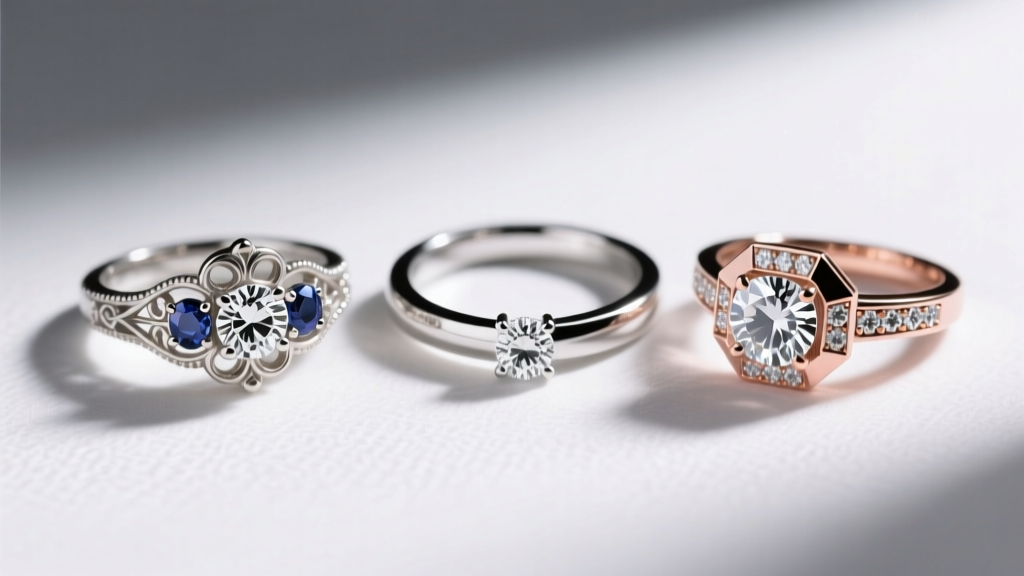 Three-Stone Engagement Rings Past Present Future Meaning
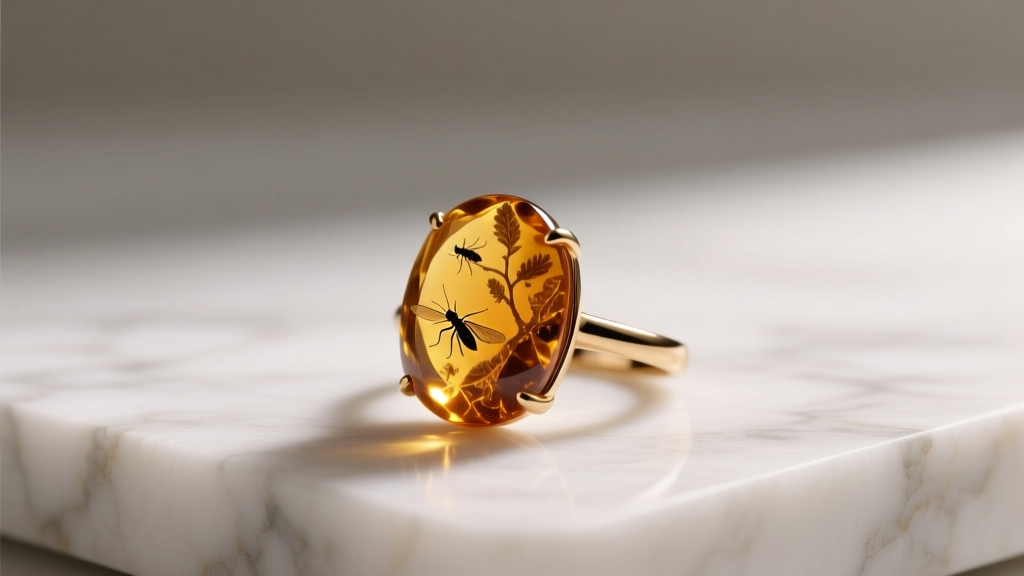 Amber Engagement Rings Warm Organic Fossilized Beauty
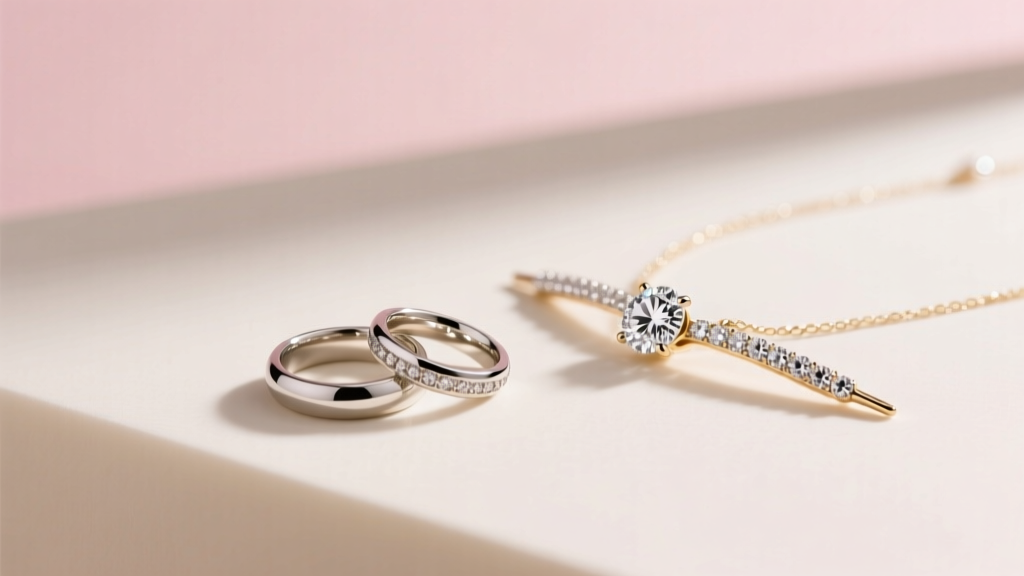 Wedding Ring vs Engagement Ring: Key Differences
 How To Match Base Metals With Value
 Can You Wash Hands With Wedding Ring On? (2026)
 Antique Wedding Rings What to Look for When Buying
 How to Resize a Wedding Ring Without Damaging It
 How to Choose an Engagement Ring With an East-West Setting
 How to Choose a Wedding Band With a Twisted Design
 How to Spot a Fake Diamond Before You Buy