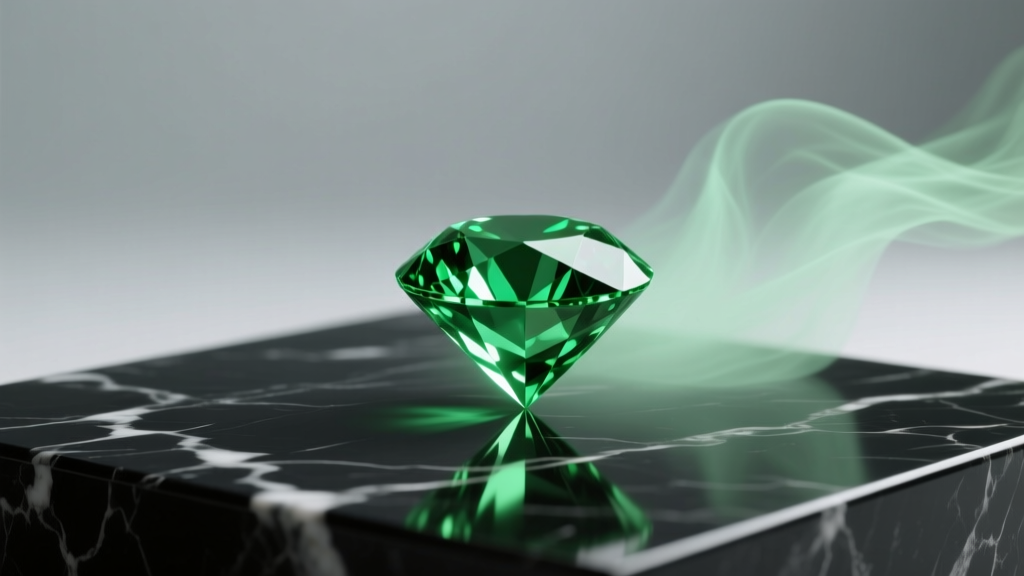
Green Diamond Extremely Rare Natural Color
Green diamonds sit in a special corner of the fine jewelry world: they’re real diamonds, but their color is so uncommon that many couples only encounter them in museums or high jewelry showcases. If you’re shopping for an engagement ring that feels personal—still timeless, but not the same as everyone else’s—natural green diamonds offer a quietly distinctive look that reads elegant rather than flashy.
For couples planning a wedding set, green diamonds also solve a common style challenge: how to add color without drifting into “trend-only” territory. A well-chosen green diamond can feel modern in a minimalist solitaire, romantic in a vintage halo, or sleek in a contemporary bezel—while still pairing beautifully with classic wedding bands in platinum or 18k gold.
This guide breaks down what makes natural green diamonds extremely rare, how to judge quality, the best ring settings and metal pairings, realistic price ranges, and the mistakes to avoid so you can shop with confidence.
What Makes a Green Diamond “Natural Color” (and Why It’s Rare)
Most diamonds are valued for being colorless, but “fancy color diamonds” form when something changes the way a diamond interacts with light. In the case of natural green diamonds, the color is typically caused by exposure to natural radiation in the earth over a very long time. That radiation can create color centers in the crystal lattice, producing a green hue. True natural green is uncommon, and strong, evenly distributed green is even rarer.
Natural green vs. treated green diamonds
You’ll see green diamonds described as:
- Natural Fancy Green: Color occurs in nature. These are the rarest and most valuable.
- Treated green: Color is induced or intensified through processes like irradiation and annealing. These can be beautiful and far more budget-friendly, but they are not “natural color” stones and must be disclosed.
For engagement rings, many couples consider treated green diamonds because they can offer the look for a fraction of the price. If your heart is set on “extremely rare natural color,” insist on reputable lab certification and full transparency.
Understanding Green Diamond Color: Hue, Tone, Saturation
Color is the main value driver for fancy color diamonds. Green diamonds aren’t one-size-fits-all; they range from soft mint to deep forest tones, sometimes with secondary hues like gray, yellow, or blue.
Key color factors
- Hue: The dominant color (green) plus any modifiers (e.g., grayish green, yellowish green, bluish green). Pure green is rare.
- Tone: How light or dark the stone appears. Very dark tone can reduce sparkle and look “in-close-up only.”
- Saturation: Intensity of color. Stronger saturation generally commands higher prices.
When comparing stones, ask to view them in different lighting: daylight, indoor warm light, and spot lighting. Green can shift noticeably. A great green diamond keeps its character without looking muddy in normal room light.
Cut Choices That Make Green Diamonds Shine
Cut matters in every diamond, but it’s especially important in fancy colors because the right cut can make color appear richer and more even. While round brilliant is still the most popular engagement ring shape, fancy color diamonds often look best in shapes that help concentrate color.
Best cuts for green diamonds
- Radiant cut: Excellent for color intensity and sparkle; a modern favorite for colored diamond engagement rings.
- Cushion cut: Romantic, softly rounded, and great at showing depth of color—perfect for vintage-inspired settings.
- Oval and pear: Elegant and elongating on the finger; choose well-proportioned stones to avoid uneven color zones.
- Emerald cut: Stunning, but more revealing. It highlights clarity and can show color zoning; best for high-quality stones with even color.
- Round brilliant: Classic and timeless, but may display slightly less color intensity than some fancy-cut shapes.
For a balanced engagement ring look—color plus brilliance—radiant and cushion are the most consistently flattering options for green.
Clarity, Carat, and Certification: How to Judge Quality
Because green diamonds are rare, you’ll often make trade-offs. The smartest approach is to prioritize the factors that matter most visually: color first, then cut performance, then clarity and size.
Clarity expectations
Many fancy color diamonds fall in the VS to SI clarity range. That can be perfectly fine for an engagement ring if the stone is eye-clean. Step cuts (like emerald) typically need higher clarity because inclusions are easier to see. Brilliant styles (radiant, cushion) hide inclusions better.
Carat weight and “face-up” size
Carat doesn’t always translate to visible size, especially across different shapes. Ask for millimeter measurements. If you want the presence of a 1.00 ct without the budget jump, consider slightly under key thresholds (e.g., 0.90–0.99 ct).
Certification: your non-negotiable
For a natural green diamond, lab grading is essential. A report from a top-tier lab such as GIA (Gemological Institute of America) is widely trusted for identifying natural color origin and describing the fancy color grade. Confirm the report states the color origin as natural and matches the stone’s laser inscription (if present).
Metal Choices and Settings for Green Diamond Engagement Rings
Green diamonds pair beautifully with both warm and cool metals. Your choice will influence how the color reads on the hand and how your wedding band stacks.
Best metals for green diamonds
- Platinum: A timeless classic for engagement rings and wedding bands; durable, naturally white, and it keeps green looking crisp.
- 18k white gold: Similar look to platinum with a lighter price; may need rhodium replating over time.
- 18k yellow gold: Adds warmth and can make yellowish-green stones look richer; a favorite in vintage and trending mixed-metal sets.
- 18k rose gold: Romantic and modern, but it can slightly mute cooler greens; best for softer mint or gray-green hues.
Setting styles that suit green diamonds
- Solitaire: Clean, modern, and timeless. A four- or six-prong solitaire keeps attention on the center stone.
- Halo: Makes the center stone look larger and boosts sparkle. A white diamond halo around green is a popular, high-impact choice.
- Three-stone: Symbolic for past-present-future; pair a green center with tapered baguettes or round side stones for a classic engagement ring look.
- Bezel: A current trend for sleek, practical wear. It protects the diamond’s edges and looks especially modern in platinum.
- Pavé band: Adds shimmer, but ensure the craftsmanship is strong so stones stay secure for daily wear.
If you’re planning a wedding band stack, consider how flush the band will sit. A low-set halo can prevent a straight wedding band from sitting close; a contoured band or a higher setting solves that.
Trends vs. Timeless Classics: Building a Wedding Set That Lasts
Green diamonds naturally feel “of the moment” because couples are exploring colored gemstones and alternative engagement rings. The most wearable trend right now is the clean, architectural setting: bezel solitaires, refined cathedral shoulders, and minimal halos.
For a timeless classic, choose a simple solitaire (round, cushion, or radiant) in platinum or 18k gold, then add personality with a wedding band—like a subtle pavé band, a knife-edge band, or a mixed-metal stacking band.
Price Range and Value Tips for Green Diamonds
Pricing for green diamonds varies dramatically based on whether the color is natural or treated, plus intensity, size, and certification.
Realistic price expectations
- Treated green diamonds: Often the most accessible option for engagement rings, commonly ranging from a few thousand dollars to the mid five figures depending on carat weight and overall quality.
- Natural Fancy Green diamonds: Typically far more expensive; even smaller stones can command high prices, and vivid, well-saturated greens can reach premium, collector-level pricing.
Value tips that actually help
- Prioritize beauty over numbers: A slightly lower clarity that’s eye-clean can free budget for better color.
- Consider setting choices strategically: A halo can give more finger coverage than a larger center stone.
- Buy the best color you can afford: In fancy color diamonds, color drives desirability and long-term value.
- Stick to reputable grading: Certification protects you from overpaying for a stone that isn’t natural color.
Practical Buying Tips for Couples
- View videos and photos in multiple lighting and ask for a hand shot when possible. Green can look different in warm indoor lighting.
- Ask about origin of color and request the full lab report number for verification.
- Plan your wedding band early: If you want a flush fit, choose a setting designed for stacking.
- Match lifestyle to setting: If you’re active or work with your hands, consider bezel or low-profile prongs and skip delicate micro-pavé.
- Confirm craftsmanship details: Prong thickness, secure pavé work, and smooth finishing matter for daily wear engagement rings.
Care and Maintenance: Keeping a Green Diamond Ring Beautiful
Diamonds are durable (10 on the Mohs scale), but rings can still get scratched, loosened, or dulled by everyday residue.
At-home cleaning
- Soak in warm water with a few drops of mild dish soap for 15–20 minutes.
- Use a soft toothbrush to clean under the setting and around prongs.
- Rinse well and pat dry with a lint-free cloth.
Professional care
- Have prongs and settings checked every 6–12 months, especially for pavé or halo designs.
- Consider professional cleaning to restore brilliance, particularly for engagement rings worn daily.
If you choose a treated green diamond, follow any care guidance from the jeweler, and avoid exposing the ring to high heat during repairs unless the jeweler confirms it’s safe for that specific stone.
Common Mistakes to Avoid When Shopping
- Assuming all green diamonds are natural: Many are treated. This isn’t bad—just don’t pay natural prices for treated color.
- Skipping certification: A lab report is essential for verifying color description and origin.
- Buying based on carat alone: Face-up size, cut, and color presence matter more than a single number.
- Choosing an impractical setting: Ultra-thin bands and delicate prongs can struggle with daily wear.
- Ignoring how it pairs with the wedding band: A beautiful engagement ring can become frustrating if the band won’t sit comfortably.
FAQ: Green Diamond Engagement Rings and Wedding Sets
Are natural green diamonds real diamonds?
Yes. A natural green diamond is a genuine diamond with a naturally occurring body color. The key is verifying natural color origin through a reputable lab report.
Do green diamonds sparkle like white diamonds?
They can, but sparkle depends heavily on cut quality and the diamond’s tone. A well-cut green diamond (especially radiant or cushion) can be very lively.
Is a green diamond engagement ring durable for everyday wear?
Yes—diamonds are extremely durable. Durability in daily wear comes down to the setting (secure prongs, protective bezel, sturdy band thickness) and routine maintenance.
What metal looks best with a green diamond?
Platinum and white gold keep the look crisp and modern, while yellow gold can add warmth and richness. The “best” metal depends on the diamond’s specific hue and your preferred wedding band style.
How can I tell if a green diamond is treated?
Ask for a lab report from a top-tier lab. The report should disclose treatment and identify whether the color is natural or the result of a process such as irradiation and annealing.
Can I pair a green diamond engagement ring with a classic wedding band?
Absolutely. A plain platinum or 18k gold wedding band is a timeless pairing. If the engagement ring sits low, consider a contoured band for a comfortable, flush fit.
Confident Next Steps for Couples
If you want an engagement ring that feels rare and meaningful, a natural green diamond is one of the most distinctive choices in fine jewelry—especially when it’s certified, well-cut, and set with craftsmanship built for everyday wear. Start by choosing your preferred color personality (minty, forest, gray-green), then narrow down the best cut and a setting that matches your lifestyle and wedding band plans.
For more expert guidance on engagement rings, wedding bands, diamond cuts, and metal choices, explore our latest jewelry guides on weddingsift.com.
More Articles
 Wedding Ringer: Why 72% of Couples Regret Skipping It
 Wedding Bands with Diamonds: Durability & Lasting Settings
 Eternity Ring vs Wedding Band: What Jewelers Won’t Tell You
 Wedding Ring Resizing: A Jeweler-Vetted Guide
 Engagement Ring Trends Predictions for Next Year
 Men's Wedding Band Weight: Real-World Sizing Guide (2026)
 Plain Wedding Band Cost Flaws: Save $1,200+ (2026)
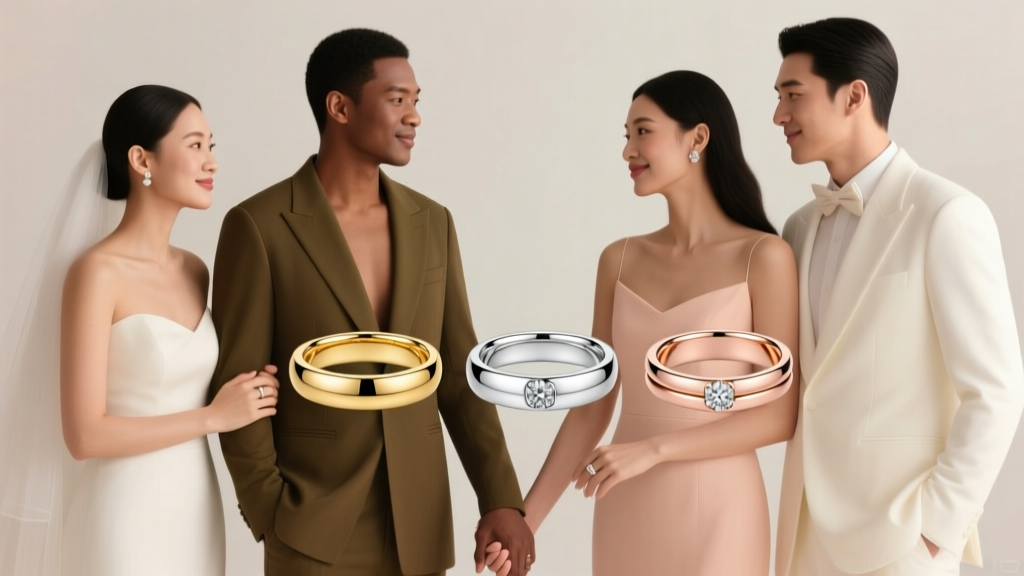 How to Match Wedding Bands to Different Skin Tones
 Oura Ring as Wedding Band: 7 Truths (2026)
 Wedding Ring Loss Prevention: 7 Proven Tactics (2026)