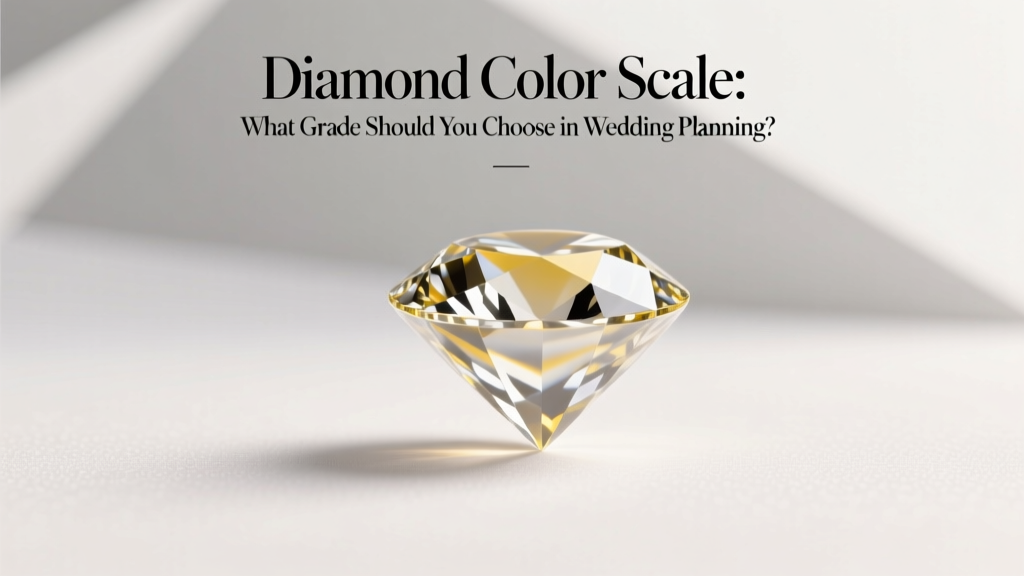
Diamond Color Scale What Grade Should You Choose
When you’re shopping for engagement rings or wedding bands, diamond color can feel like one of the most confusing parts of the “4Cs.” On a jeweler’s counter, diamonds often look bright and sparkly no matter what letter is on the report—so why does color matter, and how much should you pay for “better” color?
The truth is diamond color affects both the look and the value of your ring, but not always in the way people assume. The best choice depends on your diamond shape, the metal you love (platinum, white gold, yellow gold, or rose gold), your setting style, and your budget priorities. A smart color choice can free up money for a larger carat, a higher cut grade, or a setting you’ll love forever.
This guide breaks down the diamond color scale in clear, practical terms, with recommendations for popular engagement ring styles—from timeless solitaire settings to trending hidden halos and bezel-set rings—so you can choose the right grade with confidence.
What Is the Diamond Color Scale?
The most widely used diamond color grading system for white diamonds is the GIA (Gemological Institute of America) scale, which runs from D (colorless) to Z (light yellow or brown). Diamonds are graded face-down under controlled lighting because that’s the easiest way to detect body color without sparkle masking it.
Colorless: D–F
D, E, F diamonds look icy white and crisp, especially in platinum or white gold. These grades command the highest prices because they are rarer. If you love a clean, bright look and you’re choosing a classic round brilliant or an emerald cut solitaire, D–F can be stunning—especially at larger carat weights where color is easier to see.
Near Colorless: G–J
G, H, I, J diamonds appear white in most engagement ring settings. This is the “sweet spot” range for value, particularly for round brilliant cuts. G and H are common choices for platinum engagement rings; I and J can look beautifully warm (not “yellow”) depending on cut quality and the design of the ring.
Faint Color: K–M
K, L, M diamonds show noticeable warmth in many settings, especially in step cuts and larger stones. That warmth can be a feature if you love a soft, romantic tone, and it can pair nicely with yellow gold or vintage-inspired engagement rings. These grades are often more budget-friendly, allowing you to increase carat size or choose a more intricate setting.
Very Light to Light Color: N–Z
N–Z diamonds have obvious yellow or brown tint. They can still be beautiful, but most couples shopping for traditional “white diamond” engagement rings prefer to stay above this range unless they intentionally want a warmer look or are prioritizing size above all else.
How Diamond Shape and Cut Affect Color
Two diamonds with the same color grade can look different once set in a ring. The diamond’s cut style (how it’s faceted) and shape (round, oval, cushion, etc.) influence how much body color you’ll notice.
Brilliant Cuts Hide Color Best
Brilliant faceting creates lots of sparkle and contrast, which helps mask warmth. If you’re choosing a round brilliant, oval, pear, marquise, cushion, or princess cut, you can often go slightly lower in color without sacrificing a bright appearance—especially if the diamond has an excellent cut.
Step Cuts Show Color More
Emerald cut and Asscher cut diamonds have broad, open facets that act like windows. They don’t hide color as well, so a lower color grade can appear warmer face-up. If you’re set on a step cut (a major timeless classic), many jewelers recommend aiming for F–H for a crisp look in white metals, or G–I if you don’t mind gentle warmth.
Large Carat Sizes Reveal More Color
The bigger the diamond, the easier it is to see subtle tint. A 1.50–2.00 carat diamond in I color may show more warmth than a 0.75 carat I color of the same shape and cut quality.
Metal Choice: Platinum, White Gold, Yellow Gold, Rose Gold
Your ring’s metal acts like a “frame” around the diamond, influencing how white (or warm) it appears.
Platinum and White Gold
These metals emphasize a diamond’s whiteness. If you’re choosing a platinum solitaire engagement ring or a white gold pavé band, consider D–H for a bright, clean look. Many couples land on G–H here for the best balance of appearance and price.
Yellow Gold
Yellow gold is one of today’s strongest engagement ring trends—and a timeless choice. Its warm tone can make near-colorless diamonds look very white by comparison. Many people happily choose H–J in yellow gold, and some go to K for a deliberate antique warmth.
Rose Gold
Rose gold adds a romantic blush tone (popular in vintage-inspired and minimalist rings). It pairs well with H–J for many shapes. If you choose a lower color grade, rose gold can make the warmth look intentional rather than “off.”
Setting Style: Why It Changes What You See
Solitaire Settings
A classic solitaire leaves the diamond highly visible. If you’re choosing a simple four- or six-prong setting, aim slightly higher in color for step cuts and larger stones. For a round brilliant solitaire, G–I is often a strong choice.
Halo and Hidden Halo Settings
Halos (including the trending hidden halo) add sparkle around the center stone, which can help the center diamond appear whiter. If the halo uses bright white melee diamonds, staying around G–I for the center usually keeps the look cohesive.
Bezel Settings
Bezel-set engagement rings are having a moment for good reason: they’re sleek, secure, and great for active lifestyles. A bezel adds metal around the diamond’s edge, which can slightly influence perceived color. Yellow or rose gold bezels can make warmer diamonds look flattering; white metal bezels may highlight tint in lower color grades.
Pavé and Channel-Set Bands
With pavé engagement rings and diamond wedding bands, the small diamonds are typically in the G–H range (sometimes F–G). If your center stone is much warmer, you may notice a difference. Matching the “overall look” matters more than matching letters exactly.
What Color Grade Should You Choose? Practical Recommendations
- Best overall value for most engagement rings: G–H (bright in white metals, excellent value)
- Best value for round brilliant in any metal: H–I (especially if cut is excellent)
- For emerald/Asscher in platinum or white gold: F–H (cleaner look in step cuts)
- For yellow gold and rose gold settings: H–J (often looks white face-up; strong savings)
- If you love warmth or vintage vibes: J–K can be beautiful, especially in yellow gold
Color vs. Clarity vs. Cut: Where to Put Your Budget
If you want the most beautiful diamond for your budget, prioritize cut first. Cut quality controls sparkle, brilliance, and fire—what most people notice across a room. A well-cut diamond in H color can look more impressive than a poorly cut diamond in F color.
Next, balance color and clarity based on your preferences. Many couples choose “eye-clean” clarity (often VS2 or SI1, depending on the diamond) and put savings into color or carat. If you’re choosing a larger stone or a step cut, consider nudging color slightly higher while staying eye-clean on clarity.
Price Range Considerations and Value Tips
Diamond prices jump at certain thresholds—especially around the “colorless” line. Moving from G to F or F to E often increases cost noticeably with a subtle visual change once the diamond is set.
- Value tip: Consider G–H instead of D–F for a similar look in most settings.
- Value tip: If you want a bigger diamond, dropping one or two color grades (while keeping excellent cut) can fund a meaningful carat increase.
- Value tip: In yellow gold, many shoppers can choose I–J confidently and put the savings into a higher-quality setting or a matching diamond wedding band.
- Value tip: Compare diamonds by how they look face-up, not just by the certificate letter. Two H-color diamonds can look different depending on cut precision and fluorescence.
Care and Maintenance: Keeping Your Diamond Looking Bright
Even a D-color diamond can look dull if it’s coated with lotion, soap, or everyday oils. Regular cleaning helps your ring look whiter and more brilliant.
- At-home cleaning: Soak in warm water with a few drops of gentle dish soap for 15–20 minutes, then use a soft toothbrush to clean under the setting (especially under halos and baskets). Rinse well and dry with a lint-free cloth.
- Avoid harsh chemicals: Chlorine and abrasive cleaners can damage metals and dull finishes.
- Routine checks: Have prongs inspected every 6–12 months, especially for pavé, shared prongs, and delicate hidden halos.
- Safe storage: Store diamond jewelry separately to avoid scratches on other pieces and to protect prongs from snagging.
Common Mistakes Couples Make When Choosing Diamond Color
- Chasing the “best” letter instead of the best look: D color is not automatically the best choice if it forces compromises in cut, size, or setting quality.
- Ignoring shape: Step cuts and larger stones typically need higher color to maintain a crisp appearance.
- Not considering metal color: A diamond that looks perfect in yellow gold may look warmer in a platinum head.
- Overpaying for invisible upgrades: Going from G to F can cost more than it’s worth for many settings and lifestyles.
- Comparing diamonds under jewelry store spotlights only: Ask to view the diamond in neutral lighting; sparkle can hide warmth under intense lights.
FAQ: Diamond Color Scale for Engagement Rings and Wedding Bands
Is an H color diamond good enough for an engagement ring?
Yes. H color is a popular choice for engagement rings because it looks bright in most settings—especially with an excellent cut—and typically costs less than colorless grades.
Will an I or J diamond look yellow?
In many round brilliant engagement rings, I and even J can face up quite white, particularly in yellow or rose gold. In step cuts or larger sizes, warmth is more noticeable.
What color grade is best for platinum rings?
Many couples choose G–H in platinum for a crisp look with strong value. If you’re choosing an emerald cut or a very large center stone, F–G can look especially icy.
Do diamond wedding bands need high color too?
Not necessarily, but consistency matters. Many diamond wedding bands use small stones in the G–H range. If your engagement ring center diamond is much warmer (like K), you may notice a contrast next to a bright band.
Does fluorescence affect diamond color?
It can. Medium to strong blue fluorescence may make some diamonds appear slightly whiter in daylight, especially in near-colorless grades. In rare cases it can create a hazy look, so it’s best evaluated in person or with detailed vendor photos/videos.
Can a setting make a diamond look whiter?
Yes. Halos, bright white melee accents, and well-designed baskets can boost the overall “bright” impression. Yellow gold can also make near-colorless diamonds appear whiter by contrast.
Your Next Step: Choose the Color Grade That Fits Your Ring and Your Life
For most couples shopping for engagement rings and wedding bands, G–H is the dependable sweet spot: bright, classic, and cost-effective. If you’re choosing yellow or rose gold, H–J can be a smart, stylish move that preserves budget for a larger carat, an excellent cut, or a more distinctive setting like a bezel or hidden halo. If you’re set on an emerald cut or Asscher cut in a white metal, consider F–H to keep that clean, glassy look step cuts are famous for.
Match your color choice to your diamond shape, your metal, and your priorities—and you’ll end up with a ring that looks incredible every day, not just under showroom lights. Explore more engagement ring and wedding jewelry guides on weddingsift.com to keep narrowing down the details that matter most.
More Articles
 How to Match Ring with Wedding Attire
 How to Protect and Store Wedding Jewelry
 Big Wedding Ring: Comfort, Confidence & Elegance (2026)
 How to Start Engagement: A Practical, Step-by-Step Guide for Jewelry Makers and Couples
 How to Forge a Wedding Ring (2026)
 Is Zirconium Good for Wedding Rings? (2026)
 Green Diamond Extremely Rare Natural Color
 Wedding Band Weight: The Comfort Fit Truth (2026)
 How to Clean a Gold Wedding Ring Safely (2026)
 Pink Diamond Rarity and Romance