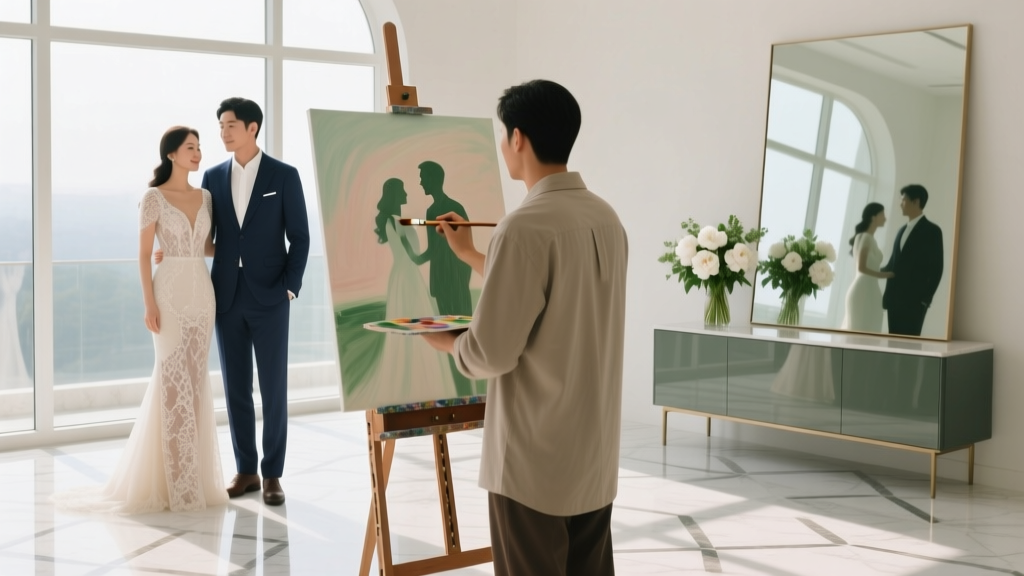
How to Plan a Wedding With a Live Painter
There’s a reason live wedding painting has become one of the most emotional “wow” moments at modern weddings. Photos freeze a second; a painting tells the story. It captures the movement of your dress, the warmth of candlelight, the way your guests lean in during the vows—those soft details you felt but might not notice in the moment.
If you’re considering a live painter, you’re probably also juggling a hundred other decisions: venue, timeline, guest list, budget, and how to make the day feel like you. Adding an artist can sound like one more complicated vendor to manage. The good news: with a little planning and the right questions, a live painter can be one of the easiest, most meaningful upgrades you’ll make.
This guide walks you through exactly how to plan a wedding with a live painter—when to book, where they should set up, what moment to paint, how to avoid timeline hiccups, and how to make sure the finished artwork feels like a true heirloom.
What a Live Wedding Painter Does (and Why Couples Love It)
A live wedding painter creates an original artwork during your wedding—usually on canvas—based on a chosen scene (first kiss, first dance, ceremony exit, etc.). They’ll typically arrive early, set up an easel, sketch the composition, and paint throughout the event. Some painters finish on-site; others complete final details in their studio afterward and deliver the finished piece later.
What you’re really booking
- Entertainment + experience: Guests love watching the painting come to life during cocktail hour or the reception.
- A custom keepsake: A one-of-a-kind piece of art you can hang in your home for decades.
- A fresh perspective: A painter captures ambiance—light, mood, and romance—differently than photography.
Popular live painting styles
- Impressionistic: Loose brushwork, dreamy lighting, romantic feel.
- Realistic: More detail in faces and attire; can take longer to complete.
- Fashion illustration-inspired: Emphasis on dress movement and elegance.
- Watercolor or mixed media: Lighter, airy look; sometimes done on paper.
When to Book a Live Wedding Painter
Live painters are often booked 6–18 months in advance, especially for peak wedding season and Saturdays.
Best time to secure your painter
- As soon as you have your date and venue: The artist needs the location, timeline, and space details.
- Before you lock your full vendor budget: This helps you prioritize (and avoid squeezing them in later).
Real-world scenario: booking late
If you’re 10 weeks out and still want a live painter, you may find availability limited. In that case, ask about:
- Weekday or Sunday pricing
- Artists newer to the scene (often more budget-friendly)
- Hybrid options (painting started live, finished later)
Budget: What Live Wedding Painting Typically Costs
Pricing varies based on experience, canvas size, travel, hours on-site, and how detailed the final piece will be. As a general guide, many couples spend $1,500–$5,000+ for a professional live wedding painter.
What affects the price
- Hours of coverage: 4 hours vs. 8 hours can change pricing significantly.
- Canvas size: Larger canvases require more time and materials.
- Number of subjects: Painting just the couple is different from adding the full wedding party or a crowd of guests.
- Travel and lodging: Mileage, flights, hotel nights, and per diem may apply.
- Rush delivery: Faster turnaround can cost more.
Budget-friendly ways to include a painter
- Choose a smaller canvas (example: 16x20 instead of 24x36)
- Ask for the couple only (and let the background carry the story)
- Book fewer on-site hours (ceremony + cocktail hour is often enough)
- Consider a “studio finish” option after the wedding
Step-by-Step: How to Plan Your Wedding Day Around a Live Painter
Step 1: Decide what moment you want painted
Picking the scene early helps your timeline, your photographer, and your painter.
Most-loved moments to paint:
- First kiss at the ceremony
- Ceremony recessional (walking back up the aisle)
- First dance under special lighting
- Couple’s grand entrance
- A signature view (sunset on the terrace, garden arch, ballroom chandelier)
Planner tip: If you want the painting to reflect your florals or ceremony design, choose a scene where those elements are front and center (ceremony altar, sweetheart table, or dance floor reveal).
Step 2: Build painter-friendly timing into your wedding timeline
A live painter needs a “reference moment” (when they see the scene live) plus uninterrupted time to paint. Here’s a timeline approach that works smoothly for most weddings:
- Painter arrival: 1–2 hours before guests arrive (setup + sketching)
- Reference moment: Ceremony or first dance (10–15 minutes of focused viewing)
- Live painting: Cocktail hour + reception (3–6 hours typical)
- Final touches: Either completed on-site later in the night or finished in studio after
Specific scenario: If your ceremony is at 4:30 PM and reception ends at 10:30 PM, a painter might arrive at 2:30 PM, capture the ceremony moment, paint through cocktail hour and dinner, then do final detailing during dancing.
Step 3: Choose the right setup location
Placement matters for guest experience and for the quality of the artwork.
Ideal setup spots:
- Near cocktail hour flow (where guests naturally gather)
- Along a wall in the reception space (good lighting, not blocking traffic)
- Close enough for guests to watch, but not in a high-traffic bottleneck
Setup checklist to confirm with your venue:
- Space needed (often 6–8 feet wide)
- Access to an outlet (some artists use lighting or tools)
- Protection for floors (drop cloth if required)
- Approved arrival time for vendors
- Whether open flames/aerosols are prohibited (some materials may be restricted)
Step 4: Coordinate with your photographer and videographer
Your photo/video team and painter can complement each other beautifully—when they’re aligned.
How to coordinate smoothly:
- Share the chosen painting moment with your photographer and planner.
- Ask for a clear sightline during the reference moment (for example, first dance should not be blocked by guests with phones).
- Offer a few pro photos of the finished painting to the artist (many painters love this, and it builds goodwill).
Pro tip: Ask your photographer to capture a quick shot of you with the painting in progress. It’s a sweet memory and makes a great thank-you post later.
Step 5: Confirm what’s included in the artist contract
A live painter contract should be just as clear as your photographer’s or caterer’s agreement.
Key details to review:
- Hours on-site and arrival time
- Canvas size and orientation (portrait vs. landscape)
- Number of people included (couple only, bridal party, guests)
- Background details included (venue features, florals, signage)
- Completion plan (finished on-site vs. studio finish)
- Delivery timeline and shipping costs
- Travel fees and lodging requirements
- Cancellation/rescheduling terms
- Copyright/usage (whether you can print it on thank-you cards, etc.)
Step 6: Choose reference photos (if needed)
Many artists combine the live scene with photo references—especially for facial detail, lighting, and dress specifics.
Reference photo tips:
- Pick images with clear lighting and sharp focus
- Choose a shot that shows your full outfits (especially if you want dress detail)
- Confirm if the painter prefers photos from your photographer or accepts phone images
Guest Experience: How to Make Live Painting Feel Like Part of the Celebration
A live painter is entertainment, but you don’t want it to feel like a distraction from the wedding itself. A few simple touches make it feel intentional:
- Add a small sign near the easel: “Live Wedding Painting in Progress”
- Ask your DJ or bandleader to make one quick announcement during cocktail hour
- Plan a “painting moment” when you visit the easel together (great for photos)
Real-world scenario: At a winter ballroom wedding, the painter set up near the bar where guests naturally lingered. During cocktail hour, guests watched the sketch take shape; during the reception, they kept returning to see the progress—without interrupting dancing or dinner.
Common Mistakes Couples Make (and How to Avoid Them)
Mistake 1: Not choosing the scene early
Fix: Decide the moment before finalizing your ceremony and reception timeline. Share it with your planner and photographer.
Mistake 2: Putting the painter in a dark corner
Fix: Prioritize decent lighting and visibility. If the room is dim, ask the painter if they bring their own light.
Mistake 3: Expecting a fully finished, highly detailed piece by the end of the night
Fix: Ask what “finished” means in their process. Many professional pieces are refined in the studio after the wedding.
Mistake 4: Overcrowding the composition
Fix: Focus on the couple and the atmosphere. If you want guests included, consider a looser, impressionistic crowd rather than detailed faces.
Mistake 5: Forgetting meal/vendor care
Fix: Confirm if your painter needs a vendor meal and where they can take breaks. Happy vendors do their best work.
Wedding Planner Pro Tips for a Stress-Free Live Painting Experience
- Pick a scene that won’t be delayed. First dance timing can shift; ceremony first kiss is usually right on schedule.
- Consider wind and weather for outdoor events. For garden ceremonies, ask if the painter has clamps/weights for breezy conditions.
- Protect the surprise. If you’re gifting the painting to a parent, have the painter keep it turned away until your reveal.
- Think about your home. Choose a canvas size and color palette that will look beautiful where you’ll actually hang it.
- Plan transportation. Ask how the wet painting is handled at the end of the night (especially if you’re doing a sparkler exit and everyone’s rushing).
Quick Checklist: Planning a Wedding With a Live Painter
- Book your painter (ideally 6–18 months out)
- Choose the scene to be painted
- Confirm canvas size, style, and number of people included
- Share your wedding timeline and vendor contact list
- Confirm setup space, lighting, and outlet needs with the venue
- Coordinate the reference moment with your photographer/planner
- Decide whether the painting will be finished on-site or in studio
- Confirm delivery timeline and shipping/insurance
- Plan a photo moment with the painting during the reception
FAQ: Planning a Wedding With a Live Painter
How long does a live wedding painting take?
Many painters work 4–8 hours on-site, then finish details in their studio over the next few weeks. If you want a near-finished look by the end of the reception, ask about their typical completion level and whether they offer extended hours.
Where should the painter set up during the wedding?
A spot with good lighting, a stable floor, and light foot traffic is ideal—often near cocktail hour or along the perimeter of the reception room. Avoid tight hallways, near the dance floor’s busiest edge, or anywhere guests will bump into the easel.
Can the painter include our guests in the painting?
Yes, but it affects complexity and cost. Many couples choose detailed couple portraits with loosely suggested guests in the background. If you want specific guests included (like parents or children), list them in advance and provide reference photos.
Do live wedding painters need anything from us on the day?
Usually they’ll need a confirmed arrival time, setup location, and sometimes a vendor meal. If the painter is using photo references for faces or details, they may request a few key images after the wedding from your photographer.
What if it rains or our timeline changes?
Build flexibility into your plan. If your painting moment is outdoors, ask your painter what their weather backup looks like (covered porch, indoor ceremony view, etc.). Share timeline updates through your planner or day-of coordinator so the painter can adjust quickly.
Is a live wedding painter worth it if we already have a photographer?
They serve different purposes. Photography documents your day; a live painting becomes decor and legacy. Couples often love having both: photos for sharing and an artwork for the home that feels personal and timeless.
Your Next Steps
If a live painter is on your wedding wish list, start by narrowing down the moment you want captured, then reach out to a few artists whose style makes you feel something. Ask to see full galleries (not just highlight reels), confirm what “finished” means in their process, and make sure the contract matches your expectations.
You’re creating a day full of meaning—adding a live painter can be a beautiful way to preserve it in a form you’ll live with long after the last dance. For more vendor planning tips, budget guidance, and timeline help, explore more wedding planning guides on weddingsift.com.
More Articles
 Wedding Reception Guest Welcome: 7 Stress-Free Steps (2026)
 What Men Wear to Wedding: The Definitive Guide
 How to Plan a Wedding With a Guest Book Alternative
 Wedding Planning Pricing Framework (2026)
 Waverly Hills Weddings: Venue Access Truth (2026)
 Wedding Loan Secrets: Interest, Fees & Credit Tips (2026)
 How Early to Arrive at Wedding: Data-Backed Times (2026)
 Who Pays for Love Is Blind Weddings? (2026)
 Buttercream Wedding Cake Decorating Guide
 Wedding Seating Chart: 7 Stress-Free Guest-Approved Methods