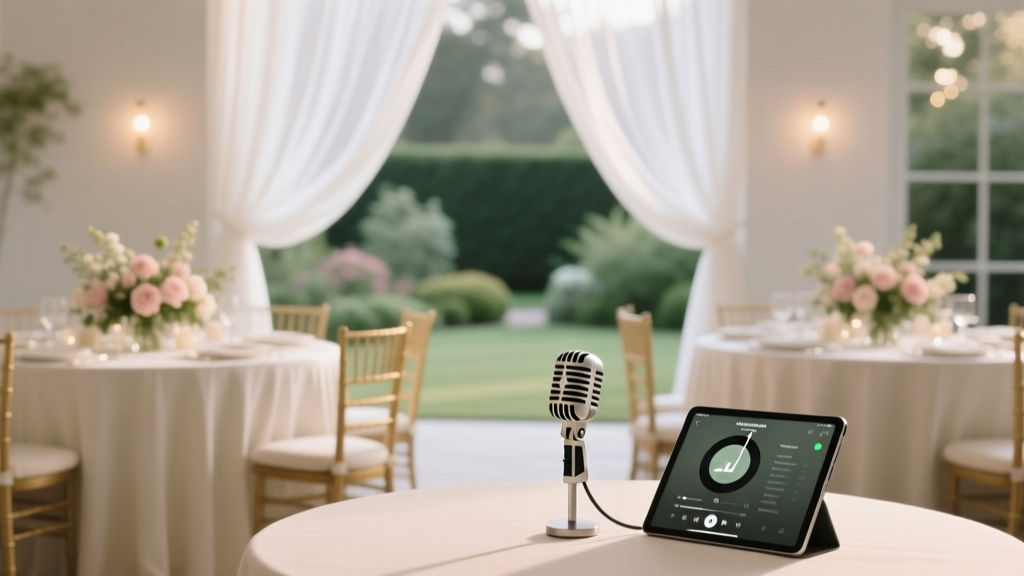
Wedding Planning How to Choose Reception Entertainment
You can pick the prettiest venue, serve a delicious dinner, and have stunning florals—yet the part guests talk about for years is how your reception felt. Was the dance floor packed? Did the evening flow naturally? Were there moments of surprise and joy? Reception entertainment is the heartbeat of your celebration, and choosing the right mix can turn a nice wedding into a truly unforgettable one.
If you’re feeling torn between a DJ and a live band, wondering whether you “need” extras like a photo booth, or worried you’ll spend money on something guests won’t even use—you’re not alone. Most couples aren’t trying to create a concert. They’re trying to create a room full of people they love, laughing, connecting, and celebrating their marriage.
This guide will help you choose wedding reception entertainment that fits your vibe, your budget, your guest list, and your timeline—without the overwhelm. Think of it as the planning chat you’d have with a trusted wedding planner friend who’s seen what works (and what doesn’t).
Start With the Big Picture: What Kind of Party Are You Hosting?
Before comparing quotes or watching demo reels, get clear on what you want guests to experience. Entertainment decisions are much easier when you’ve defined the atmosphere.
Ask Yourselves These 5 Questions
- What’s our wedding vibe? Black-tie and classic, relaxed garden party, modern minimal, cultural celebration, high-energy dance party?
- What do we want guests to do most? Dance all night, mingle and chat, enjoy performances, participate in interactive activities?
- Who are our guests? Mostly friends in their 20s–30s, a mix of ages, lots of kids, many older relatives, a big group of dancers?
- What’s our venue like? Indoors/outdoors, noise restrictions, space for a band, power access, curfew, room layout?
- Where do we want “wow” moments? Grand entrance, first dance, cultural performances, late-night surprise, sparkler exit?
Real-World Scenarios Couples Relate To
- The “mixed crowd” wedding: You have friends who want to dance, but older relatives who prefer conversation. A DJ plus a lounge area and one interactive option (like a photo booth) keeps everyone happy.
- The “destination” or smaller wedding: With 40–70 guests, a full band may feel oversized. Consider a DJ, acoustic duo, or a playlist + live musician for key moments (ceremony/cocktail hour).
- The “culture-forward” wedding: You may prioritize a dhol player, lion dance, mariachi, dabke, or traditional drummers. Build your music plan around these performances so they feel intentional—not squeezed in.
Build Your Entertainment Budget (Without Guessing)
Entertainment pricing varies widely based on your location, day of week, hours, travel, and production needs. A good rule: invest most in what drives the guest experience—usually music and emceeing.
Common Entertainment Budget Buckets
- Main music: DJ or live band
- Ceremony music: soloist, string duo/quartet, pianist, or sound support for processional
- Cocktail hour: acoustic musician, jazz trio, or curated playlist
- Add-ons: photo booth, live painter, late-night snack “activation,” dancers, magicians, lawn games, content creator
- Production: lighting, extra speakers, microphones, staging, special effects (fog, cold sparks where allowed)
Budget-Smart Tips Wedding Planners Use
- Prioritize sound quality over “extras.” Guests forgive simple decor; they don’t forgive not hearing speeches.
- Use entertainment where it matters most. Live musician at the ceremony + DJ for reception is often a high-impact combo.
- Ask vendors what’s included. Hours, setup/breakdown, wireless mics, lighting, and an assistant can change the true cost.
- Plan for overtime. If your crowd is a dancing crowd, build an extra hour into the quote now rather than paying last-minute.
DJ vs. Live Band vs. Hybrid: How to Choose
The “right” choice is the one that fits your priorities: music variety, energy, budget, space, and how much you want a live-performance feel.
Choosing a DJ
Best for: Couples who want broad music variety, seamless transitions, and strong control over the night’s flow.
- Pros: Plays original recordings, easy to cover multiple genres/eras, typically smaller footprint, often more budget-friendly than bands.
- Watch for: Over-talking on the mic, abrupt transitions, ignoring your “do not play” list, weak emcee skills.
Scenario: You have guests from 20 to 80 and want Motown, 90s hip-hop, current pop, plus a few cultural favorites. A DJ can pivot quickly and keep momentum.
Choosing a Live Band
Best for: Couples who love a concert-like atmosphere and want the energy of live instruments.
- Pros: Big “wow” factor, live interaction, elevated vibe for first dances and party sets.
- Watch for: Limited song list, more breaks, larger space needs, higher cost (more performers = more logistics).
Scenario: You’re planning a classic ballroom reception and want a high-end feel. A 7–10 piece band with horns can create that full, celebratory sound.
Choosing a Hybrid (Band + DJ or Live Elements + DJ)
Best for: Couples who want live energy for part of the night and DJ flexibility for the rest.
- Ideas:
- DJ for reception + saxophonist or percussionist for peak dance sets
- Live strings for ceremony + DJ for everything after
- Band for first half + DJ for late-night (especially if your venue has a curfew or you want nonstop music during band breaks)
Scenario: You want a packed dance floor but also love the vibe of live music. A DJ with a live sax player can feel upscale and exciting without the footprint of a full band.
The Entertainment Planning Checklist (Step-by-Step)
Step 1: Map Your Reception Timeline
Entertainment isn’t just “the music.” It’s how your night moves from one moment to the next.
- Guest arrival & cocktail hour
- Grand entrance
- First dance / parent dances
- Toasts
- Dinner (background music volume matters!)
- Cake cutting / special moments
- Open dancing
- Last dance / exit
Planner tip: Toasts land better before guests are too tired—often right after salads are served or right after dinner, depending on your flow.
Step 2: Identify Your “Must-Have” Moments
Pick 2–4 moments where entertainment will shine.
- A surprise performance (cultural dance, live drummer, friends’ song dedication)
- A packed dance floor set (30–45 minutes of high-energy music)
- A more intimate moment (last dance with just you two, live acoustic during dinner)
- An interactive experience (photo booth, tarot reader, live sketch artist)
Step 3: Research Vendors the Right Way
- Watch full wedding footage, not highlight reels. You want to see how they handle transitions and real crowds.
- Read reviews for patterns. “Great communication,” “kept the dance floor full,” “organized timeline” are green flags.
- Ask your venue about rules. Sound limits, decibel monitors, power access, and load-in times can affect your options.
Step 4: Interview Vendors (Questions That Actually Matter)
- How do you read the room and adjust the music?
- Do you act as the emcee? What’s your style on the microphone?
- What’s included in your package: speakers, subwoofers, lighting, wireless mics?
- How many hours are included, and what’s your overtime rate?
- Can we share a “must play” and “do not play” list?
- What’s your backup plan if equipment fails or someone gets sick?
- How do you coordinate with our planner/venue on timing?
Step 5: Confirm Logistics Early
- Power: Confirm outlets, extension needs, and generator requirements for outdoor spaces.
- Space: Band staging, DJ booth placement, dance floor size, and guest flow.
- Weather: For outdoor weddings, have a rain plan that still works for sound equipment.
- Noise rules: Ask about curfews, doors needing to stay closed, and volume limits.
Entertainment Add-Ons: What’s Worth It?
Add-ons can elevate guest experience, especially if your crowd isn’t big on dancing. The key is choosing options that fit your timeline and don’t compete with the main moments.
High-Impact Options (That Guests Actually Use)
- Photo booth: Great for mixed-age crowds and keeps guests entertained during downtime. Consider open-air booths for better flow.
- Live painter: Creates a meaningful keepsake and is a conversation starter during cocktail hour.
- Late-night food station: Not “entertainment” in the traditional sense, but it boosts energy and keeps guests dancing.
- Outdoor lawn games: Perfect for daytime, casual, or backyard weddings—especially with kids.
- Specialty performers: Cultural dancers, drummers, or a short magic set can be memorable when timed well.
When Add-Ons Backfire
- Too many things at once: If you launch a photo booth, bring out dessert, start dancing, and do sunset photos at the same time, guests scatter and the room loses momentum.
- Poor placement: If the photo booth is hidden in a hallway, it’ll sit empty. If it blocks the bar line, it’ll cause frustration.
- Unclear instructions: Interactive entertainment needs signage or a quick announcement.
Timeline Advice: When to Book Entertainment
Great DJs and bands book quickly, especially for peak wedding season dates.
- 9–12+ months out: Book your main reception entertainment (DJ/band). Earlier for Saturdays and popular dates.
- 6–9 months out: Book ceremony musicians, specialty performers, and photo booths.
- 2–3 months out: Finalize your music preferences, special songs, and key announcements.
- 2–4 weeks out: Confirm the timeline, vendor arrival times, and final song lists. Share a “VIP requests” list if desired.
Pro tip: If you’re hiring a DJ as your emcee, loop them into your timeline early. Smooth transitions (introductions, toasts, first dances) are where a great DJ really earns their keep.
Common Mistakes to Avoid (and What to Do Instead)
- Mistake: Picking entertainment based only on price.
Do instead: Compare value: hours, gear, experience, and reviews. A slightly higher quote can mean better sound, better flow, and fewer headaches. - Mistake: Not clarifying the emcee style.
Do instead: Tell them your preference: “minimal announcements,” “high-energy hype,” or “polished and formal.” - Mistake: Ignoring the room layout.
Do instead: Place DJ/band where sound fills the space evenly, and keep the dance floor visible from tables. - Mistake: Too many slow songs or too many niche picks in a row.
Do instead: Use a “3-song rule”: after two songs for one group, play one broader crowd-pleaser to reset the floor. - Mistake: Forgetting about non-dancers.
Do instead: Create a comfortable lounge area, add a photo booth, or plan a short interactive moment during cocktail hour.
Wedding Planner Pro Tips for a Packed Dance Floor
- Start dancing sooner than you think. Once dinner wraps, aim to open the dance floor within 10–15 minutes.
- Keep formalities tight. Too many stop-and-start moments can drain energy. Group special dances together if it fits your style.
- Lighting matters. Even basic uplighting or a dance-floor light wash can change the vibe dramatically.
- Feed people before peak dancing. A hungry crowd is a sitting crowd.
- Share your “absolutely play” songs—but trust your pro. The best DJs and bands know how to time the hits for maximum impact.
FAQ: Choosing Wedding Reception Entertainment
Do we need a DJ if we have a live band?
Not always, but it can help. Bands take breaks, and a DJ can keep music continuous. Some bands offer a “DJ add-on” for break music and late-night dancing, which is often the simplest setup.
How many hours should we book our DJ or band for?
Most receptions need 4–6 hours of coverage, plus setup time. If you want ceremony and cocktail hour music too, ask for an all-in timeline quote so nothing feels rushed.
What’s the difference between a DJ and a DJ/MC?
A DJ focuses on music mixing and flow. A DJ/MC also handles announcements, introductions, and guiding guests through key moments. If you don’t have a planner coordinating the room, a strong DJ/MC can be a huge asset.
Should we provide a “do not play” list?
Yes—especially for songs that feel awkward, triggering, or overplayed for you. Keep it reasonable (10–25 songs is common). A good entertainment pro can still find crowd-pleasers that match your preferences.
How loud is too loud for a wedding reception?
If guests at tables have to lean in and shout during dinner, it’s too loud. During open dancing, louder is fine—but sound should still be clean, not distorted. Ask your DJ/band how they manage volume throughout the night, especially in venues with noise restrictions.
Is a photo booth still worth it?
For many weddings, yes—especially if you have a mixed-age guest list or a crowd that doesn’t dance all night. It gives guests something fun to do and creates instant keepsakes. Placement and timing are what make it successful.
Your Next Steps: Make Entertainment Decisions With Confidence
To choose reception entertainment you’ll feel great about, focus on the experience you’re creating—not what you think a wedding “should” have. Start by defining your vibe and guest mix, map your timeline, and book the main music early. Then add one or two thoughtful extras that fit your flow and your budget.
If you want a simple action plan for this week:
- Write down your top three priorities (dance party, elegant ambiance, cultural elements, guest interaction, etc.).
- Decide: DJ, band, or hybrid.
- Create a shortlist of 3–5 vendors and schedule calls.
- Confirm venue rules (sound limits, load-in, curfew) before signing.
- Draft a “must play” and “do not play” list to share once booked.
Whatever you choose, remember: your guests don’t need perfection—they want to celebrate you. Pick entertainment that feels like you as a couple, and the joy will follow.
Looking for more wedding planning support? Explore more planning guides and reception tips on weddingsift.com to keep your wedding decisions clear, calm, and truly you.
More Articles
 Wedding Party Size: Real Answers for 2026
 Wedding Night Tips: 7 Stress-Free Steps (2026)
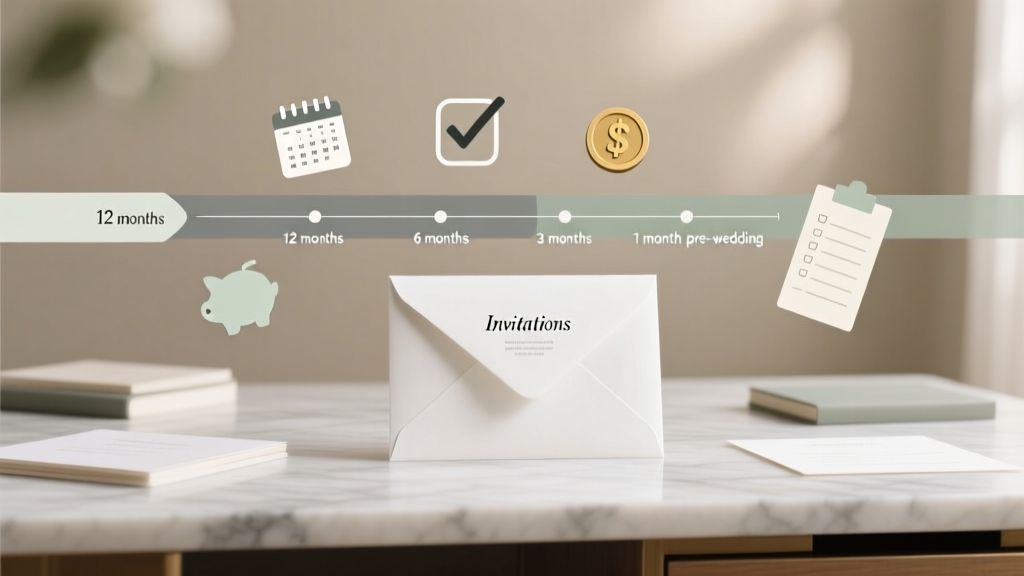 How Long Before A Wedding Are Invitations Sent Out (2026)
 7 Affordable, Legal Wedding Ceremony Venues
 A-Line V-Neck Chiffon Wedding Dress Fit Secrets (2026)
 Las Vegas Wedding Cost Breakdown (2026)
 How Long Do Bands Play at Weddings? (2026)
 Pearls on Wedding Day: 7 Truths Brides Need to Know
 Cash Wedding Gifts: Modern, Respectful & Stress-Free
 Wedding Day Emergency Kit Essentials