
How to Plan a Sustainable Eco-Friendly Wedding
You’re planning a day that’s all about love, community, and the future you’re building together—so it makes sense to want a wedding that reflects your values. If you’ve looked up “eco-friendly wedding ideas” and felt overwhelmed by conflicting advice (or worried that “sustainable” means “expensive”), you’re not alone. Most couples want to reduce waste and make thoughtful choices… while still having a gorgeous celebration that feels like them.
Here’s the good news: a sustainable wedding doesn’t require perfection. It’s a series of small, intentional decisions that add up—choosing a venue that needs less décor, renting instead of buying, serving seasonal food, and finding ways to reuse, donate, or compost after the last dance. With a clear plan, you can host a meaningful, modern wedding that’s kinder to the planet and often easier on your budget.
This guide walks you through practical, real-world steps to plan a sustainable eco-friendly wedding, with budget considerations, timeline tips, and pro-level strategies planners use to keep everything beautiful and stress-free.
What Makes a Wedding “Sustainable” (and What Doesn’t)
A sustainable wedding aims to reduce environmental impact and support ethical choices—without sacrificing guest experience. Think of it in three buckets:
- Waste reduction: fewer single-use items, better recycling/composting, donations, digital where possible
- Lower emissions: local vendors, fewer shipments, smarter travel and transportation
- Responsible sourcing: reused/rented items, ethical attire, seasonal menus, sustainable flowers
What it’s not: a Pinterest-perfect “all or nothing” checklist that makes you feel guilty for using paper or having guests travel. Sustainability is about progress and priorities.
Start With Your Eco Priorities (So You Don’t Get Overwhelmed)
Before you book anything, decide what matters most to you. Different choices have different impacts, and aligning early will save you money and decision fatigue.
A quick priorities exercise (15 minutes)
- Pick your top 3 values: low waste, local sourcing, ethical labor, minimizing travel, plant-forward menu, secondhand style, charitable giving, etc.
- Pick your “nice-to-haves”: composting, solar venue, zero plastic, carbon offsets, seed paper favors, etc.
- Name your non-negotiables: maybe it’s a Saturday wedding, a specific city, or a live band. Sustainability should work with your real life.
Real-world scenario
You live in Chicago, but your families are spread across the country. Travel emissions will be a reality. Your “big win” could be choosing a centrally located venue near hotels (so guests can walk), offering a shuttle, serving a seasonal menu, and skipping single-use décor. That’s still a very eco-friendly wedding.
Your Sustainable Wedding Timeline (with Eco-Friendly Milestones)
Use this as a planning roadmap. Adjust based on your engagement length, but the order matters.
12–9 months out: Set the foundation
- Choose your priorities and overall wedding budget
- Pick a date with seasonal considerations (more on that below)
- Book venue and key vendors (catering, photo/video, planner, rentals)
- Ask venues about recycling/composting and energy use
9–6 months out: Design and sourcing
- Finalize guest count estimates (food waste is a major factor)
- Choose attire direction (rental, pre-owned, ethical brands)
- Plan menu style (buffet vs plated vs family-style)
- Book florist or decide on alternative florals (potted plants, dried flowers)
6–3 months out: Paper goods and logistics
- Send digital save-the-dates or minimal-print options
- Plan transportation and lodging blocks
- Confirm rentals and décor plan (avoid last-minute purchases)
- Plan donation/compost strategy with venue and catering
3–1 month out: Final details
- Finalize headcount and menu quantities
- Create signage plan (reusable frames, rented signs, or minimal printing)
- Confirm day-of recycling/compost stations and who manages them
- Prep a post-wedding donation list (flowers, food, décor)
Wedding week: Execution
- Pack an “eco kit” (reusable water bottles, tape, twine, pens, spare totes)
- Label bins clearly and brief your coordinator or a trusted friend
- Confirm pickup times for rentals and donated items
Choose a Venue That Does the Heavy Lifting
If you want the biggest sustainability impact with the least stress, start with the venue. The right venue reduces transportation, minimizes décor needs, and supports waste management.
Eco-friendly venue features to look for
- Built-in beauty: gardens, architectural spaces, scenic views (less décor needed)
- Waste systems: recycling and composting, staff who actually manage it
- Energy efficiency: LED lighting, natural light, efficient HVAC, or renewable energy
- On-site items: tables, chairs, linens, dinnerware (fewer rentals and deliveries)
- Location: close to lodging and transit, walkable for guests
Questions to ask on venue tours
- Do you provide real plates/glassware/flatware, or will we need disposables?
- Do you compost food scraps and service ware? If yes, what exactly is accepted?
- How do you handle leftover food and florals?
- Can vendors access the site in fewer trips (loading dock, timing, storage)?
- Are there restrictions that would force waste (e.g., required balloon use, no outside food donations)?
Create an Eco-Friendly Wedding Budget (That Still Feels Luxurious)
Sustainability isn’t automatically more expensive. Many eco-friendly choices are “less stuff” choices—fewer printed items, rented décor, seasonal flowers, and curated guest lists.
Budget-friendly swaps that make a real difference
- Rent instead of buy: candles, vases, arches, lounge furniture, signage stands
- Repurpose décor: ceremony florals become sweetheart table arrangements
- Skip favors: offer a late-night snack or donate to a cause instead
- Use digital invitations: or print only the invite and do online RSVP/details
- Choose what’s in season: seasonal menus and florals reduce costs and emissions
Where it can cost more (and how to plan for it)
- Ethical attire brands: higher up-front price; consider pre-owned, trunk shows, or rentals
- Composting service: may be an added fee; ask venue/caterer first
- Local, small-batch catering: sometimes pricier; balance with a plant-forward menu
Sustainable Invitations, Paper Goods, and Signage
Stationery is an easy place to reduce waste without losing style. The goal is fewer pieces and smarter printing.
Low-waste stationery plan
- Go digital for save-the-dates: email or text designs, or a wedding website
- Print only what guests truly need: one invitation + a details card (or QR code)
- Use online RSVPs: reduces paper and streamlines tracking
- Skip ceremony programs: add a sign at the entrance or include details on your website
Printing tips that still look elevated
- Choose 100% recycled or FSC-certified paper
- Avoid heavy foil and glitter (harder to recycle)
- Print fewer, larger signs instead of many small ones
- Use frames or acrylic signs you can resell or reuse
Eco-Friendly Wedding Attire: Dress, Suit, and Wedding Party
Wedding outfits can be meaningful, heirloom-worthy pieces—or they can be a lot of “wear once” consumption. The sustainable sweet spot is choosing something you love and will wear again, resell, or preserve responsibly.
Sustainable attire options
- Pre-owned: bridal resale boutiques, online marketplaces, consignment shops
- Rentals: suits, tuxes, some designer gowns, accessories
- Ethical brands: transparent labor practices, made-to-order to reduce waste
- Repurpose a family piece: your mom’s veil, a vintage jacket, heirloom jewelry
Real-world scenario
You love the look of mismatched bridesmaid dresses, but don’t want everyone buying a new dress. Give a color palette and let them choose something they already own—or choose a rental option. It looks curated, and your wedding party won’t be stuck with a dress they’ll never wear again.
Food and Drinks: The Biggest Sustainability Lever
Food waste and sourcing can have a larger impact than décor. A thoughtful menu is one of the most powerful ways to plan a sustainable wedding—while keeping guests happy.
Eco-friendly menu strategies
- Go seasonal and local: ask your caterer what’s in peak season
- Plant-forward doesn’t mean plant-only: even one vegetarian entrée reduces impact
- Right-size the menu: too many options often leads to waste
- Choose a smart service style: plated can reduce waste; family-style can feel abundant with less overproduction than buffets
- Skip single-serve items: condiments, water bottles, individually wrapped favors
Bar tips with less waste
- Offer 2 signature cocktails instead of a full “anything goes” menu
- Choose kegs, batch cocktails, or large-format wine where allowed
- Use real glassware (or high-quality rentals) instead of plastic cups
- Plan accurate counts: a good bartender can help you estimate
Leftover food plan (ask early)
- Ask your venue/caterer about local food donation options and rules
- Confirm whether leftovers can be boxed for you or guests
- If donation isn’t possible, plan staff meals or a next-day brunch using leftovers
Flowers and Décor: Beautiful, Thoughtful, and Less Waste
Fresh florals are stunning—but they’re also time-sensitive and often shipped. You can still have a dreamy floral design with better sourcing and smarter mechanics.
More sustainable floral choices
- Seasonal blooms: ask your florist what’s local or domestic during your wedding month
- Foam-free arrangements: request chicken wire, frogs, or reusable mechanics
- Potted plants: herbs, orchids, or greenery that can be replanted or gifted
- Dried flowers: great for bouquets, installs, and keepsakes
- Greenery-forward designs: lush look with fewer imported blooms
Decor plan that avoids “buying a cart of stuff”
- Start with what the venue already offers (chairs, linens, lighting)
- Choose 1–2 statement moments (ceremony backdrop, tablescape) and keep the rest simple
- Rent or borrow items you’ll only use once
- Repurpose: ceremony aisle arrangements → reception bar or sweetheart table
Pro tip: set up a post-wedding floral donation
Many cities have organizations that distribute flowers to hospitals, nursing homes, or community centers. Assign a friend, coordinator, or delivery service to handle pickup and drop-off so you don’t think about it on your wedding night.
Transportation, Travel, and Guest Experience (Without the Guilt)
Guest travel is often the biggest carbon footprint for weddings with out-of-town loved ones. You can’t always change where people live, but you can make lower-impact choices feel convenient and welcoming.
Ways to reduce travel emissions
- Choose a venue near airports/train stations and lodging
- Encourage carpooling with a ride-share board on your wedding website
- Provide a shuttle to reduce multiple car trips
- Host events in one area (welcome drinks + ceremony + reception close together)
Guest-friendly wording example
On your website: “If you’re able, we encourage trains, carpools, and shared rides. We’ll have a shuttle between the hotel and venue to make it easy.”
A Practical Eco-Friendly Wedding Checklist (Copy/Paste Friendly)
- Set sustainability priorities and budget
- Book a venue with recycling/composting and minimal décor needs
- Choose local vendors when possible (fewer shipments/trips)
- Use digital RSVPs and consolidate paper goods
- Rent décor, linens, and dinnerware instead of buying disposables
- Select seasonal, plant-forward menu options
- Plan accurate guest counts to reduce food waste
- Request foam-free florals and repurpose arrangements
- Create a donation plan for leftover florals and usable décor
- Set up clearly labeled recycling/compost/trash stations
- Arrange shared transportation or shuttles
- Choose favors you know will be used (or skip them)
Common Mistakes to Avoid (and What to Do Instead)
- Mistake: Buying lots of “eco” décor that still ends up in the trash.
Do instead: Rent, borrow, or pick items you can resell or donate easily. - Mistake: Going all-in on compostable plates and cutlery while ignoring food waste.
Do instead: Right-size the menu, confirm composting is available, and prioritize real dishware rentals. - Mistake: Over-ordering favors, programs, and signage “just in case.”
Do instead: Print fewer pieces, use QR codes, and focus on guest experience moments. - Mistake: Assuming your venue recycles/composts without confirming details.
Do instead: Get specifics in writing and assign someone to manage bins day-of. - Mistake: Forgetting the exit plan for décor, flowers, and leftovers.
Do instead: Build a post-wedding pickup/donation checklist with names and times.
Wedding Planner Pro Tips for a Seamless Sustainable Wedding
- Design around reusables: candles, fabric runners, potted plants, and rentals photograph beautifully.
- Consolidate deliveries: fewer drop-offs means lower emissions and fewer timing headaches.
- Make sustainability invisible (in a good way): guests shouldn’t feel lectured—just cared for. Clear signage and convenient bins do the work.
- Choose quality over quantity: one stunning floral installation beats dozens of small items that clutter tables and budgets.
- Assign an “eco captain”: a coordinator, planner, or organized friend who ensures compost/recycling/donations happen.
FAQ: Sustainable Eco-Friendly Wedding Planning
Is a sustainable wedding more expensive?
Not necessarily. Many eco-friendly choices reduce spending (renting, using fewer printed items, simplifying décor, skipping favors). Costs can increase if you choose specialty ethical attire or add composting services, but you can balance that with seasonal menus and fewer “extras.”
What are the biggest-impact changes we can make quickly?
Focus on the big levers: choose a walkable venue, offer shared transportation, plan a seasonal/plant-forward menu, use real dishware, and create a donation plan for leftovers and flowers.
Are compostable plates and cups always a good option?
Only if there’s a composting system to process them. If your venue can’t compost, renting real dishware is usually the greener (and more elegant) choice.
How do we handle guests flying in without feeling guilty?
You don’t have to apologize for celebrating with loved ones. Make low-impact options easy (shuttles, hotel blocks near the venue, carpool info) and consider hosting events in one central area to reduce extra driving.
What are sustainable alternatives to wedding favors?
Skipping favors is perfectly acceptable. If you want a gesture, consider edible local treats, a donation in guests’ honor, or a meaningful experience upgrade like a coffee cart, photo booth prints, or late-night snacks.
How can we make our flowers more sustainable?
Ask for seasonal/dominantly domestic blooms, foam-free mechanics, and a repurposing plan. Consider potted plants or dried elements, and arrange a post-wedding floral donation.
Your Next Steps: A Simple Plan You Can Start This Week
If you want your eco-friendly wedding planning to feel manageable, start here:
- Write your top 3 sustainability priorities and share them with each other (and your planner, if you have one).
- Ask your venue about recycling, composting, and leftover policies before you sign—or as soon as possible if you’ve already booked.
- Make one high-impact menu decision: seasonal sourcing, a plant-forward entrée, or a smarter service style.
- Build your “after the wedding” plan: who takes leftovers, who returns rentals, who donates flowers.
Your wedding can be joyful, stylish, and genuinely sustainable—without feeling like a second job. Keep choosing what aligns with your values, and let the rest be “good enough.”
Planning more details? Explore more wedding planning guides, checklists, and practical tips on weddingsift.com.
More Articles
 Wedding Tip vs Service Charge: When to Tip in 2026
 Pop-Up Wedding Invitations: Free Templates & Tips (2026)
 How Much to Feed 200 Wedding Guests (2026)
 Can You Wear Black to a Fall Wedding? (2026)
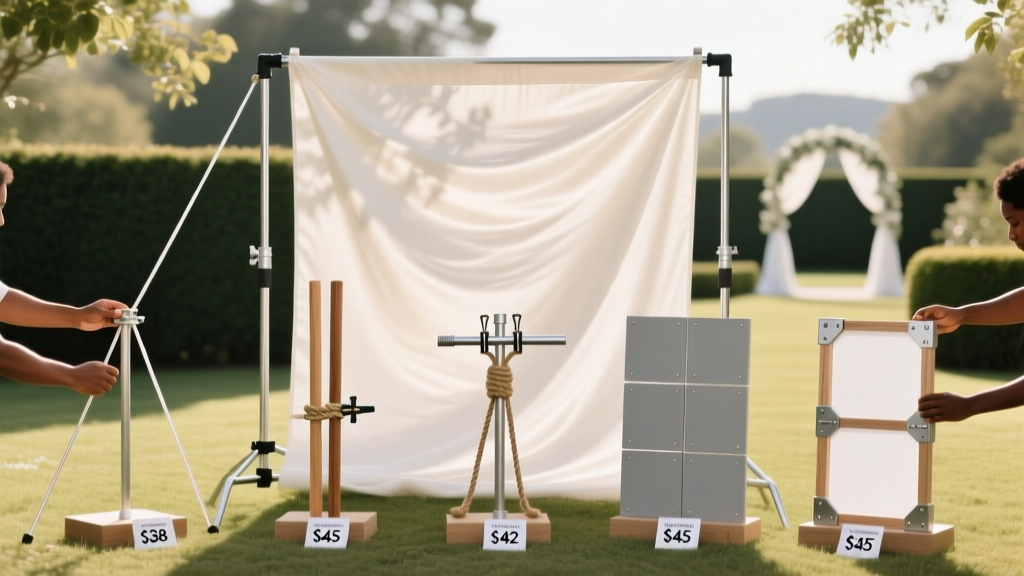 DIY Wedding Backdrop Stand: 5 Budget-Friendly Methods
 What to Give in Wedding Gift: 2026 Guide & Checklist
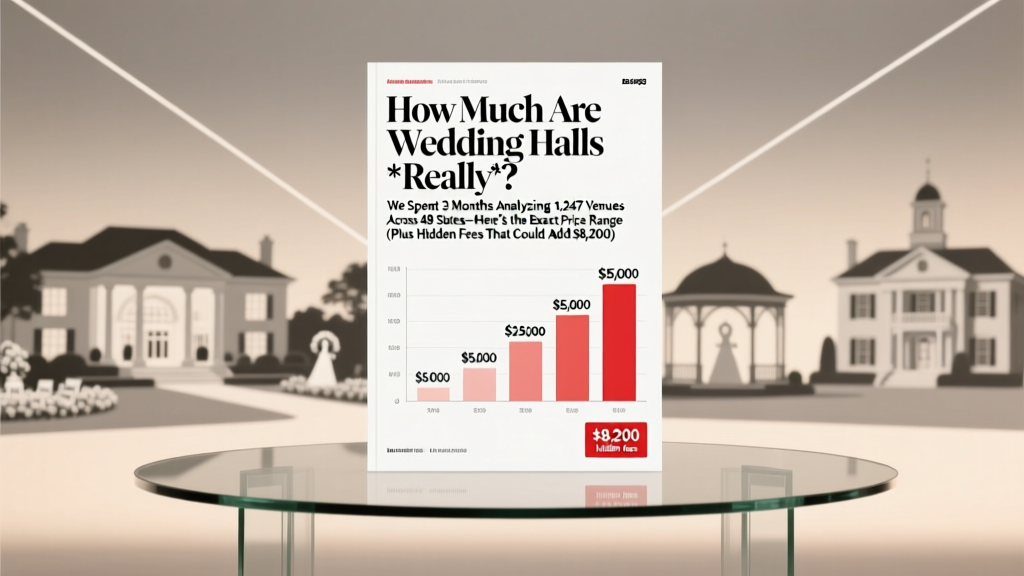 Wedding Hall Costs: Real Prices & Hidden Fees (2026)
 How to Set a Realistic Wedding Budget That Works
 How to Say Yes to a Wedding Invitation (2026)
 Wedding Flower Backdrop: 7 Steps to Save $1,200+ (2026)