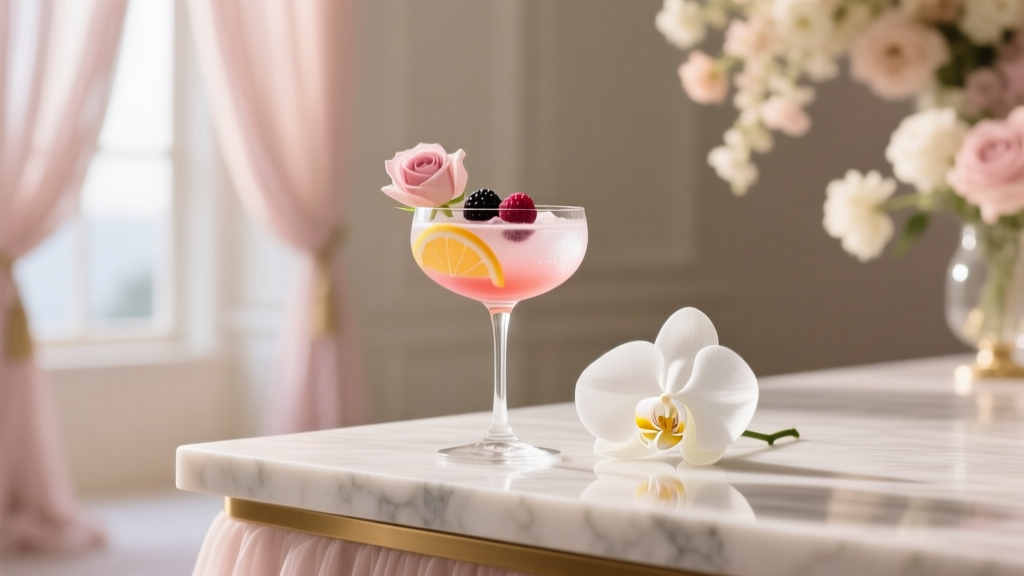
How to Plan a Wedding With a Signature Cocktail
When you picture your wedding day, you probably imagine the big moments—walking down the aisle, that first look, your first dance. But some of the most meaningful memories come from the smaller details guests interact with all night long. A signature cocktail is one of those details: it’s personal, photogenic, and instantly sets the tone for your celebration.
Maybe you’re a couple who bonded over margaritas on vacation, or you’re a “two espresso martinis after dinner” kind of duo, or you simply want a drink that feels more thoughtful than a standard bar menu. Whatever your style, planning a wedding with a signature cocktail doesn’t have to be complicated. With a little intention (and a tiny bit of math), you can create a drink that feels like you—and works beautifully for your budget and timeline.
This guide will walk you through how to choose your cocktail, how to serve it, how to keep lines moving, and how to make sure everyone (including non-drinkers) feels included. Think of it like getting wedding planner advice from a friend who’s obsessed with logistics and loves a gorgeous drink sign.
Why a Signature Cocktail Works So Well at Weddings
A signature cocktail isn’t just a cute detail. Done well, it can make your wedding reception smoother and more memorable.
- It speeds up the bar. Guests can order one or two featured drinks quickly, which reduces lines during cocktail hour.
- It adds personality. It’s a mini “story” about you as a couple—your favorite flavors, your hometown, your first trip together.
- It supports your budget. Featuring one or two cocktails can help you limit expensive spirits and reduce waste.
- It creates a cohesive look. The drink color, garnish, and glassware can match your wedding theme and decor.
Step-by-Step: How to Plan Your Wedding Signature Cocktail
Step 1: Choose the “vibe” before choosing the drink
Start with the feeling you want guests to have, then match the cocktail to it. Ask yourselves:
- Is your wedding formal and black-tie, or casual and outdoorsy?
- Is your crowd adventurous (mezcal, bitters, herbs) or classic (vodka, bourbon, citrus)?
- Is the drink meant to be refreshing for a hot day, or cozy for a winter reception?
Real-world scenario: If you’re getting married in July at a garden venue, a boozy Old Fashioned may feel heavy in the heat. A citrus-forward spritz or a basil gimlet will land better and keep guests comfortable.
Step 2: Pick one cocktail—or two (and a zero-proof option)
Most couples do best with one signature cocktail. If you love the idea of variety, do two cocktails (often “his and hers,” “yours and mine,” or simply “Cocktail A / Cocktail B”).
A smart, modern approach: one alcoholic signature cocktail + one non-alcoholic signature drink. It’s inclusive, thoughtful, and honestly a crowd-pleaser—especially for daytime weddings, pregnant guests, designated drivers, and anyone who just doesn’t drink.
Keep it manageable:
- Maximum 2 signature cocktails if you want fast service
- Add 1 zero-proof “signature sip” if you can
Step 3: Choose a recipe that scales (and won’t slow the bar)
The best wedding signature cocktails are delicious and bartender-friendly. Look for recipes that can be:
- Pre-batched (mixed in advance, served quickly)
- Built with 3–5 ingredients (not 10)
- Consistent (tastes the same every time)
Great “wedding-friendly” cocktail styles:
- Margarita (classic, spicy, or fruity)
- French 75 (elegant, bubbly)
- Aperol spritz (low-ABV, refreshing)
- Moscow mule (easy, crowd-pleasing)
- Paloma (light, citrusy)
- Whiskey sour (classic, adaptable)
Cocktails that can be tricky at weddings: Anything requiring muddling each drink, egg whites for every order, elaborate flaming garnishes, or a blender (unless you’re hiring dedicated staff for it).
Step 4: Match the drink to your season and menu
Your signature cocktail should complement your wedding catering, not compete with it.
- Spring: elderflower, lemon, mint, strawberry
- Summer: cucumber, watermelon, lime, tequila, spritzes
- Fall: apple, pear, cinnamon, bourbon, maple
- Winter: cranberry, rosemary, espresso, spiced rum
Pairing tip: If your dinner is rich (short ribs, creamy pasta), a bright, acidic cocktail cuts through beautifully. If your menu is light (seafood, salads), a spirit-forward cocktail can add balance.
Step 5: Give it a name that feels like you
Signature cocktail names are a fun way to personalize your wedding bar signage—without being overly cheesy (unless that’s your brand, which is also valid).
- Use your new last name: “The Martinez Margarita”
- Reference your pet: “Luna’s Lemon Spritz”
- Call back to your engagement: “The Rooftop Yes”
- Hometown nod: “The Charleston Collins”
- Simple and classy: “House Cocktail: Rosemary Paloma”
Pro tip: Include a short ingredient list under the name (especially if it contains common allergens like nuts, dairy, or a spicy element).
Step 6: Decide where and how you’ll serve it
There are a few common ways to serve signature cocktails, each with different budget and staffing needs.
Option A: Featured at the main bar (most common)
- Easy for venues with a full bar setup
- Works well with 1–2 signature cocktails plus beer/wine
Option B: A dedicated “signature cocktail station”
- Great for large weddings (150+ guests) to reduce bar congestion
- Requires extra staffing and a clear traffic flow
Option C: Pre-poured welcome cocktails
- Perfect for a quick-start cocktail hour or post-ceremony toast
- Best for drinks that hold well (no melting issues, minimal fizz loss)
Real-world scenario: If your ceremony ends at 5:00 and you want guests sipping by 5:05, pre-poured cocktails on trays can feel instantly elevated—especially for a city venue with tight timing.
Budget Planning for a Signature Cocktail
Signature cocktails can be very budget-friendly, but it helps to decide early what you’re optimizing for: premium ingredients, presentation, or overall bar cost.
Cost factors to consider
- Liquor choice: Tequila and bourbon can cost more than vodka depending on brands
- Fresh ingredients: Fresh citrus, herbs, and berries add up
- Glassware: Specialty coupes or copper mugs can increase rental costs
- Labor: Complex cocktails require more bartenders
- Waste: Highly perishable garnishes and juices can lead to overbuying
Budget-friendly ways to make it feel luxe
- Use a simple base spirit and elevate with a house-made syrup (rosemary, honey, ginger)
- Choose one statement garnish (citrus twist, herb sprig) instead of multiple
- Serve in standard rocks or wine glasses and upgrade the look with a beautiful sign
- Consider a low-ABV spritz (often cheaper and guests love it)
Planning note: Ask your venue or caterer whether you’re charged per drink, per person (package), or by consumption. Signature cocktails can reduce per-drink decision fatigue and help consumption feel more predictable.
Timeline: When to Decide Your Signature Cocktail
Signature cocktail planning is easiest when you align it with your catering and bar decisions.
- 6–8 months out: Decide on bar style (open bar, beer/wine only, limited bar) and whether you want 1 or 2 signature cocktails
- 4–6 months out: Choose cocktail(s) and confirm venue rules (outside alcohol, required brands, staffing)
- 2–3 months out: Finalize recipe, glassware, garnish plan, and signage design
- 3–4 weeks out: Confirm quantities and batching plan with your bartender/caterer
- Wedding week: Final check on garnish freshness, signage placement, and bar timeline
A Practical Checklist for Planning Your Wedding Signature Cocktail
- Choose your bar style and budget (open bar, limited bar, packages)
- Decide: 1 signature cocktail, 2 cocktails, and/or a zero-proof option
- Select season-appropriate recipes with 3–5 ingredients
- Confirm venue policies and bartender capabilities (pre-batching allowed?)
- Write drink names and ingredient descriptions for signage
- Choose glassware and garnishes (keep it consistent and realistic)
- Estimate quantities with your caterer/bartender
- Plan the service method (main bar, station, pre-pour trays)
- Design and print signage (plus a small bar menu if desired)
- Do a final taste test and make any small adjustments
Real-World Signature Cocktail Ideas (With Scenarios)
1) The “We Want Everyone Happy” crowd-pleaser
Drink: Classic Margarita (or Ranch Water-style tequila + lime + soda)
Best for: Large guest lists, casual-to-semi-formal weddings
Why it works: Familiar flavor, easy batching, quick service
2) The elegant ballroom wedding
Drink: French 75 (gin, lemon, simple syrup, sparkling wine)
Best for: Formal receptions, champagne vibes
Why it works: Feels celebratory and photographs beautifully
3) The fall barn wedding with cozy lighting
Drink: Apple Bourbon Smash (bourbon, apple cider, lemon, cinnamon syrup)
Best for: Autumn weddings and comfort-food menus
Why it works: Seasonal, warm flavor profile without being overly heavy
4) The modern city wedding with a foodie menu
Drink: Spicy Paloma (tequila, grapefruit, lime, jalapeño tincture/syrup)
Best for: Couples who like bold flavors
Why it works: A little edge, still approachable, pairs well with many foods
5) The inclusive, daytime wedding
Drink: Zero-proof Strawberry Basil Lemonade (or cucumber mint cooler)
Best for: Brunch weddings, family-heavy guest lists, outdoor ceremonies
Why it works: Everyone can enjoy it; keeps the party feeling cared for
Common Mistakes to Avoid (And What to Do Instead)
- Mistake: Choosing a cocktail that requires slow, individual prep (muddling every drink).
Do this instead: Choose a batch-friendly recipe or budget for extra bartenders. - Mistake: Picking a drink you love… but most guests won’t recognize or enjoy.
Do this instead: Keep the flavor profile approachable and offer a second option or beer/wine. - Mistake: Forgetting non-drinkers and underage guests.
Do this instead: Add a zero-proof signature drink with equal “main character” energy. - Mistake: Not considering weather and ice melt (especially outdoors).
Do this instead: Avoid overly diluted builds; choose drinks that hold up or serve over larger-format ice. - Mistake: Cute name, no ingredient list.
Do this instead: Include key ingredients and note spice level or allergens.
Wedding Planner Pro Tips for a Smooth Bar Experience
- Do a mini taste test. Even a 15-minute tasting at home helps you catch overly sweet or overly strong recipes.
- Use a “house mix” approach. Pre-mix the non-carbonated components so bartenders only add ice and a topper (soda/sparkling wine).
- Keep garnishes efficient. One garnish is plenty. Pre-slice citrus and keep herbs chilled.
- Place the sign where decisions happen. The best cocktail sign is directly at the order point, not hidden across the room.
- Consider glass choice strategically. Rocks glasses are easier to handle than stemware on a crowded dance floor.
- Name doesn’t have to be “his and hers.” If that doesn’t fit you, try “The Classic” and “The Bold,” or “Cocktail One” and “Cocktail Two.”
FAQ: Planning a Wedding Signature Cocktail
How many signature cocktails should we have?
For most weddings, one is perfect. If you have a big guest list or two very different tastes, two can work well—just keep the recipes simple and batching-friendly. If possible, add a zero-proof signature drink so everyone feels included.
Can we do signature cocktails with a limited bar (beer and wine only)?
Yes—many venues allow you to add a single cocktail option even if you’re not doing a full open bar. Ask your venue or caterer if they can offer one liquor-based drink as an add-on, or consider a wine-based spritz.
What’s the best way to estimate how much we need?
Your caterer or bartender should help based on guest count, event length, and bar package. As a practical planning approach, decide what portion of guests you expect to choose the signature drink (often 40–70% during cocktail hour) and plan the batching accordingly. If you’re doing two signature cocktails, the split is usually fairly even.
Should we include the recipe on the cocktail sign?
You don’t need the full recipe, but include key ingredients so guests know what they’re ordering (especially for spice, bitterness, or allergens). Example: “Gin, elderflower, lemon, bubbly.”
What if we want a cocktail that matches our wedding colors?
Totally doable—just keep flavor first. Work with natural color cues like grapefruit (pink), Aperol (orange), blueberry (purple), cucumber/mint (green), or cranberry (deep red). Avoid heavy food coloring if possible; it can stain and sometimes tastes off.
Is it okay to serve a strong cocktail as our signature drink?
It can be, especially for an evening wedding, but balance is key. If your signature cocktail is spirit-forward (like an Old Fashioned), consider offering it in a smaller serving size or pairing it with a lighter second option.
Next Steps: Make It Official (and Easy)
If you want this to feel fun—not stressful—keep your signature cocktail decision simple and intentional. Choose a drink that matches your season and your crowd, confirm it works with your venue’s bar setup, and then commit to a plan that keeps service moving. The best signature cocktails aren’t complicated; they’re personal, well-executed, and served with confidence.
Your next steps:
- Pick 3 cocktail ideas you both like and rank them by “guest-friendly” and “easy to serve.”
- Ask your venue/caterer about batching rules, packages, and staffing.
- Finalize 1–2 signature drinks (plus a zero-proof option if possible), then create your bar signage.
For more warm, practical wedding planning help—from timelines to reception details—explore the rest of our planning guides on weddingsift.com.
More Articles
 Wedding Anniversary Gifts: Traditional Years 1–75 (2026)
 A-line Wedding Dress Fit Check: Avoid Regret (2026)
 How Many Sweets for Wedding Sweet Table? (2026)
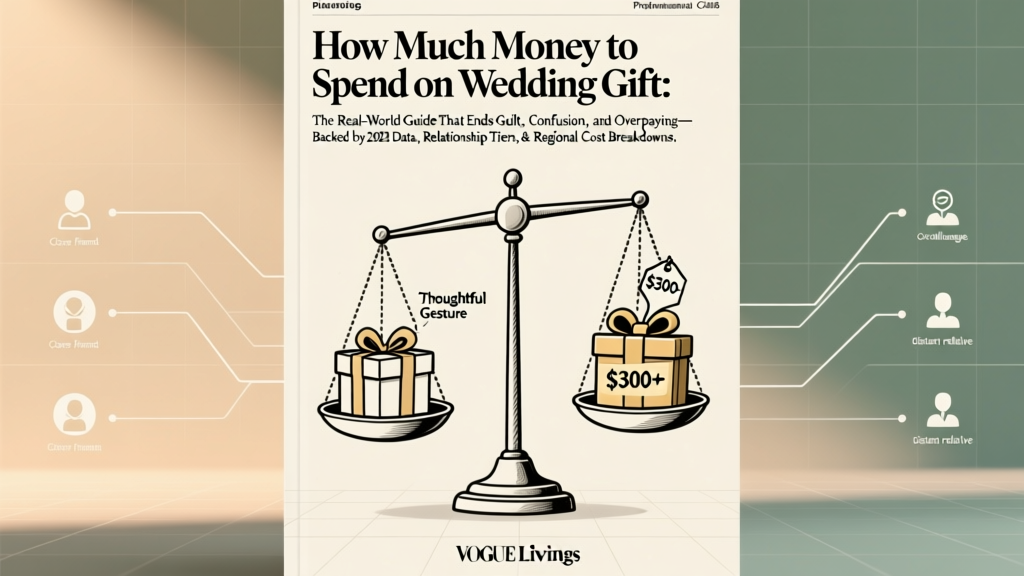 How Much to Spend on Wedding Gift (2026)
 Wedding Hair Flowers DIY Guide (2026)
 Shadowbrook Wedding Cost Per Plate (2026)
 Wedding Photography Costs: 2026 Rates & Smart Spending
 Leather Jacket to Wedding? Dress Code Decoder (2026)
 How to Pick a Wedding Officiant (2026)
 Wedding Planner Cost: $1,500 vs $15,000 (2026)