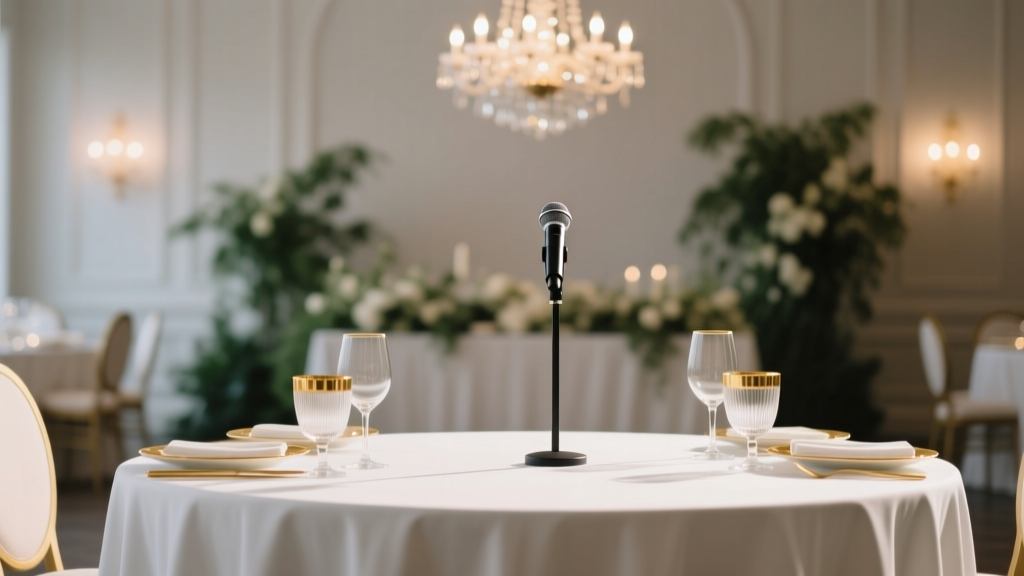
How to Plan a Wedding Reception With Multiple Speeches
If you’re planning a wedding reception with multiple speeches, you’re probably juggling two equally true thoughts: you want those meaningful toasts (because they’re part of what makes a wedding feel personal), and you don’t want your reception to turn into a never-ending open mic night. You’re not alone.
Speeches can be some of the most memorable moments of the day—your dad holding back tears, your best friend telling the story you forgot existed, a sibling surprising everyone with a heartfelt message. But when there are several speakers, the difference between “warm and unforgettable” and “long and chaotic” comes down to structure, timing, and clear expectations.
This guide will help you plan a wedding reception timeline that makes room for multiple toasts while keeping dinner hot, guests comfortable, and the dance floor packed.
Start With the Big Picture: What Kind of Reception Are You Hosting?
Your speech plan should match the style of your wedding reception. Before you assign speakers and time slots, get clear on the flow of the evening.
Common reception formats (and how they affect speeches)
- Traditional seated dinner: Speeches usually happen between courses or right after dinner is served.
- Cocktail-style reception (heavy hors d’oeuvres): Speeches need a defined “everyone pause and gather” moment, or guests won’t hear them.
- Buffet dinner: Avoid speeches while tables are being called or guests are in line.
- Brunch or afternoon reception: Speeches tend to feel lighter—shorter, earlier, and often fewer.
- Micro-wedding or intimate reception: You can allow more speakers or even invite open toasts because the room is naturally more attentive.
Quick gut-check: how many speeches is “too many”?
Most couples find that 3–5 speeches feels just right. 6–8 speeches can still work with strong time limits and smart placement in the timeline. Beyond that, consider alternatives (like a rehearsal dinner toast, a welcome party, or written notes).
Decide Who Speaks (and Set Expectations Early)
Multiple speeches get tricky when people assume they’re speaking—but nobody told you. The earlier you decide, the easier it is to keep things kind, clear, and drama-free.
Typical wedding speech lineup
- Parents of the couple: One or both sets, sometimes a joint toast.
- Best person / best man: A toast from the couple’s closest friend.
- Maid of honor: A toast from the other side of the wedding party.
- The couple: A brief thank-you and welcome.
- Officiant or ceremony reader (optional): A short blessing or message.
When you have multiple “must-speaks”
Real-world scenario: You have a maid of honor, a matron of honor, two best men, and a sibling who insists they should speak. Add two sets of parents, and suddenly you’re at seven or eight speeches.
Here are supportive solutions that still honor relationships:
- Group speakers: Ask co-best men to give one toast together (2–3 minutes total).
- Choose one per category: One parent representative from each side, or a joint parent toast.
- Move some to a different event: Welcome party, rehearsal dinner, post-wedding brunch.
- Offer a “toast table” alternative: Guests write notes or advice cards instead of speaking.
How to ask someone to keep it short (wording you can borrow)
Send a friendly message that sets a clear boundary without sounding strict:
- “We’re so excited for you to toast! To keep the reception flowing, we’re asking everyone to stick to 2–3 minutes.”
- “Our planner is keeping speeches tight so dinner stays on track—thank you for helping us with that!”
- “We’re keeping toasts family-friendly and upbeat. If you want to run anything by us, we’re happy to review.”
Build a Reception Timeline That Supports Multiple Speeches
The secret to multiple speeches is not squeezing them in—it’s placing them where they feel natural and guests are already paying attention.
The most guest-friendly “speech windows”
- Right after grand entrance: Guests are seated and listening. Great for a welcome toast.
- After salad is served / before entrées hit the table: Keeps guests engaged while kitchen finalizes plates.
- After dinner before cake cutting: Works well if you want to transition into formal moments.
- During dessert/coffee: Best for shorter, optional speeches when energy is softer.
A sample wedding reception timeline (with 6 speeches)
This example fits a 5-hour reception and keeps the dance floor from starting too late.
- 5:00 Cocktail hour
- 6:00 Guests seated + grand entrance
- 6:10 Couple welcome toast (2 minutes)
- 6:15 First dance (or save it for later)
- 6:20 Dinner service begins
- 6:35 Parent toast #1 (3 minutes)
- 6:40 Parent toast #2 (3 minutes)
- 6:50 Maid of honor (3–4 minutes)
- 6:55 Best man / best person (3–4 minutes)
- 7:05 Finish dinner + table visits
- 7:30 Sibling toast (2–3 minutes)
- 7:35 Cake cutting
- 7:45 Open dancing begins
- 8:30 Optional late-night mini-toast (1–2 minutes) or anniversary dance
- 10:00 Last dance / grand exit
How long should speeches be?
A good rule: 2–4 minutes each. If you have more than five speakers, aim for 2–3 minutes each. Guests feel the difference fast.
- 3 speakers: 10–12 minutes total
- 5 speakers: 15–20 minutes total
- 7 speakers: 20–25 minutes total (tight hosting required)
Step-by-Step Checklist: Planning Multiple Speeches Without Stress
1) List potential speakers and prioritize
- Write every “expected” speaker (parents, wedding party, siblings).
- Circle your non-negotiables.
- Decide on your maximum number based on reception length.
2) Pick one person to “host” the toasts
This could be your DJ, band leader, planner, or a confident friend. Their job is to:
- Introduce each speaker
- Hold the microphone schedule
- Keep transitions moving
- Politely cut off extended speeches if needed
3) Assign exact time slots (not “sometime during dinner”)
- Add speeches to your wedding reception timeline with specific minutes.
- Share the schedule with your planner/coordinator, DJ, caterer, and photographer.
4) Give speakers clear guidelines
- Time limit (and ask them to practice out loud)
- Tone: warm, celebratory, and guest-friendly
- Avoid: inside jokes no one understands, exes, embarrassing stories, heavy topics
- End with a toast cue (“Please raise your glass…”)
5) Do a microphone plan and a room plan
- Confirm you have enough microphones (handheld is best for toasts).
- Choose where speakers stand so they’re visible and well-lit.
- Ask the DJ to test sound during cocktail hour.
6) Build in breathing room
Even the best timeline needs wiggle room. Add:
- 5 minutes buffer before the first speech
- 2–3 minutes between speeches for applause and handoffs
- Extra time if you’re translating speeches or have bilingual toasts
Real-World Scenarios (and How to Make Them Work)
Scenario: Divorced parents who both want to speak
Plan two separate toasts and place them at different moments so it doesn’t feel like a back-to-back comparison. Have your DJ introduce each warmly and neutrally. If emotions run high, ask them to keep it to 2 minutes and focus on wishes for your marriage.
Scenario: A large wedding party and multiple best friends
Instead of four separate toasts, do:
- One “best friends” toast with two speakers sharing a mic (total 4 minutes)
- Or one official toast at the reception, and a second toast at the rehearsal dinner
Scenario: Cultural traditions require multiple blessings or elders speaking
Honor the tradition while protecting guest experience by:
- Scheduling that segment before dinner (when attention is highest)
- Providing chairs nearby for elders
- Using a program card so guests understand what each blessing represents
Budget Considerations for Multiple Speeches
Speeches themselves are free, but the logistics can affect your wedding budget.
- Audio equipment: If your venue doesn’t include sound, renting a PA system and microphones may cost $150–$500+ depending on your area and guest count.
- DJ/MC services: A strong MC is worth it when you have multiple speakers. Confirm “MC duties” are included in your DJ contract.
- Planner/coordinator: If you don’t have one, consider at least a day-of coordinator to manage timing and transitions.
- Overtime risk: If speeches run long, you may pay for venue, photographer, DJ/band overtime. Keeping toasts tight can literally save money.
Common Mistakes to Avoid (and What to Do Instead)
- Mistake: Scheduling speeches while guests are getting food.
Do instead: Place toasts after everyone is seated and served (or during a natural kitchen pause). - Mistake: Allowing “anyone who wants to speak.”
Do instead: Pre-select speakers, or offer an alternative like written notes. - Mistake: No microphone or poor sound check.
Do instead: Test audio before guests enter the reception space. - Mistake: Speeches that roast, ramble, or get too personal.
Do instead: Share tone guidelines and a time limit; ask for a quick outline ahead of time if you’re worried. - Mistake: Putting all speeches at the end.
Do instead: Split them into two blocks so guests don’t feel stuck listening for 25 straight minutes.
Wedding Planner Pro Tips for Smooth, Memorable Toasts
- Do a “two-block” toast plan: 2–4 speeches during dinner, 1–2 later (before cake or right after). It keeps energy up.
- Keep water nearby: A small glass of water at the mic stand helps nervous speakers.
- Have the DJ cue music between speakers: A short musical sting can smooth transitions and prevent awkward pauses.
- Ask photographers what they need: Make sure they know where speakers will stand for clean sight lines and flattering light.
- Consider writing your own mini-toast: A sincere 60–90 second message from you both can set the tone and make guests feel welcomed.
FAQ: Wedding Reception Speeches With Multiple Speakers
How many speeches should we have at our wedding reception?
Most receptions feel best with 3–5 speeches. If you’re having 6–8, set a firm time limit (2–3 minutes each) and split them into two blocks so guests stay engaged.
When is the best time to do toasts during the reception?
The easiest time is during dinner once guests are seated and served. Another great option is right after the grand entrance for a quick welcome toast, then the rest during dinner.
Should we let guests give open mic speeches?
For most weddings, open mic toasts are risky and can derail your wedding reception timeline. If you love the idea, consider doing it at the rehearsal dinner or invite guests to write advice cards instead.
How do we politely tell someone they can’t give a speech?
Blame the timeline, not the person: “We’re keeping reception toasts limited so we can stay on schedule, but we’d love for you to share a note for our keepsake box.” You can also invite them to toast at another event.
Do we need a wedding coordinator to manage speeches?
It helps a lot, especially with multiple speakers. If you don’t have a coordinator, ask your DJ/MC to take the lead and assign a trusted friend to round up speakers and keep them ready.
What if a speech runs long?
Have your MC ready with a gentle wrap-up plan: a pre-agreed signal to the speaker, a step-in line like “Let’s raise a glass!” or a music cue. It’s much easier when your MC has permission from you ahead of time.
Your Next Steps
To plan a wedding reception with multiple speeches that feels smooth and heartfelt, focus on three things: pick your speakers intentionally, set clear time limits, and build a timeline that supports attention (not chaos). Once you’ve drafted your toast plan, share it with your DJ/MC, planner, caterer, and photographer so everyone is working from the same playbook.
You’ve got this—your people will feel honored, your guests will stay comfortable, and you’ll still have plenty of time to celebrate. For more practical wedding planning guides, timelines, and reception tips, take a look through the resources on weddingsift.com.
More Articles
 How to Prioritize Your Wedding Spending Wisely
 Wedding Officiant Tips: Calm, Confident, No Panic (2026)
 How To Match Themes With Value: A Practical Framework for Strategic Alignment
 Wedding Transportation Options for You and Your Guests
 Wedding Readings Checklist: No Awkward Silences (2026)
 Wedding Photo Decor Ideas: 12 Budget-Friendly Ways (2026)
 Western Wedding Attire: Stress-Free 7-Step Guide (2026)
 Classic Wedding Vows: Legal Requirements & Texts
 Signature Wedding Cocktail: 7 Steps in <90 Minutes
 Wedding Dress Cleaning Cost: What You’ll Really Pay (2026)