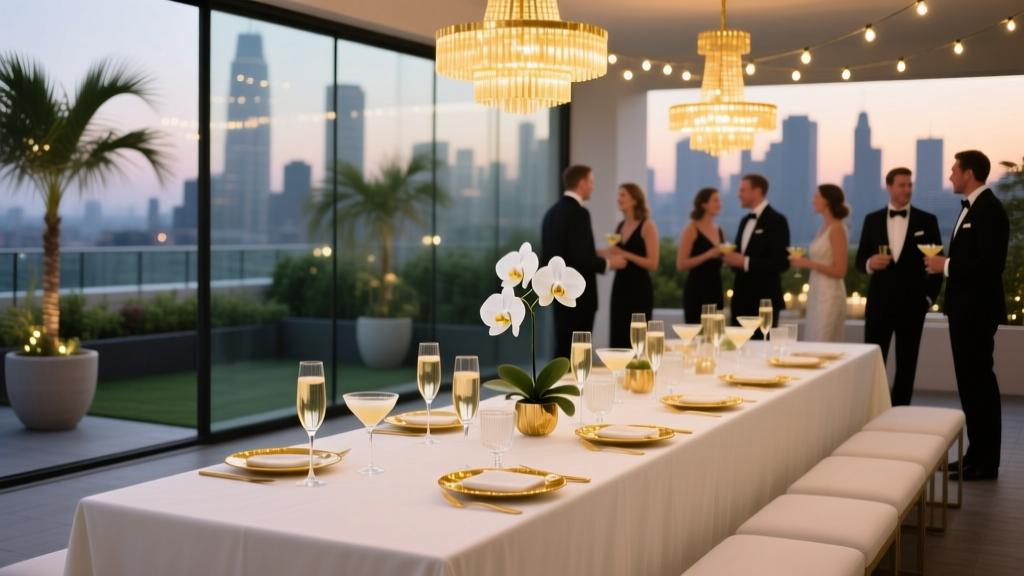
How to Plan a Wedding With a Cocktail Reception Style
If the idea of a traditional seated dinner makes you feel boxed in—assigned seats, long toasts, a timeline that leaves little room to breathe—you’re not alone. Many couples want a wedding that feels more like the best party you’ve ever hosted: relaxed, stylish, and full of movement and conversation.
A cocktail reception style wedding can be the perfect fit. Instead of a formal plated meal, guests mingle, snack on elevated bites, and drift between cozy lounge areas, the bar, and the dance floor. It’s social, modern, and often more flexible for budgets and guest experience—when it’s planned thoughtfully.
This guide walks you through the details that make a cocktail-style wedding reception feel intentional (not like “we skipped dinner”). You’ll get practical planning steps, timeline ideas, budget tips, real-world examples, and wedding planner pro tips so your guests feel cared for from the first sip to the final song.
What Is a Cocktail-Style Wedding Reception?
A cocktail reception (sometimes called “cocktail party reception” or “heavy hors d’oeuvres reception”) is a wedding reception built around passed and stationed small plates rather than a formal seated dinner. Guests typically:
- Stand, mingle, and move around freely
- Enjoy a variety of bite-size foods served throughout the night
- Use high-top tables, cocktail tables, lounge seating, or a mix of seating options
- Experience a more fluid timeline (first dance and speeches can happen anytime)
Good to know: A cocktail-style reception works best when you plan for comfort—enough food, enough seating, enough surfaces for plates and drinks, and a clear flow in the space.
Is Cocktail Reception Style Right for Your Wedding?
This reception style shines for couples who want a high-energy, social vibe. It can also be a smart choice for venues that don’t easily accommodate a full seated dinner.
It’s a great fit if you:
- Want a more casual, mingling-forward celebration
- Love food variety and want guests to try multiple dishes
- Have a smaller venue footprint but can use multiple “food moments”
- Prefer to skip assigned seating and formalities
- Are planning a shorter reception window (3–4 hours)
Consider a hybrid if you:
- Have many elderly guests or anyone who needs consistent seating
- Know your crowd expects a traditional sit-down meal
- Are hosting more than 150 guests and want smoother meal pacing
A hybrid option could be cocktail hour + heavy apps + one substantial station (like a pasta bar or carving station) plus dessert and late-night bites.
Step-by-Step Planning Checklist
Use this as your roadmap when building your cocktail reception wedding plan.
Step 1: Choose the Right Venue Layout
Cocktail receptions aren’t just about food—they’re about flow. When touring venues, ask yourself: can guests comfortably circulate without bottlenecks?
- Look for: open floor plan, multiple serving areas, good lighting, strong ventilation
- Ask about: permitted floor plan changes, furniture options, rain plan (if outdoors), sound restrictions
- Plan zones:
- Welcome + coat/bag drop
- Bar area (ideally two bars for 100+ guests)
- Food stations (spread out to prevent lines)
- High-top cocktail tables
- Lounge seating clusters
- Dance floor + DJ/band
Planner tip: Aim for at least one “surface” (table edge, cocktail table, or bar rail) for every 2–3 guests. People need a place to set down a drink, especially in dressy attire.
Step 2: Build a Menu That Feels Like a Meal
The #1 fear couples have is guests leaving hungry. The solution is not “more appetizers.” It’s strategic variety and pacing.
Menu building formula:
- Passed bites: 6–10 pieces per person per hour (varies by time of day and whether it overlaps with dinner time)
- Stations: 2–4 stations that offer substantial options (protein + starch + veg)
- Dietary inclusivity: clear vegetarian, vegan, and gluten-free options that feel equally “special”
- Sweet finish: dessert station, mini desserts, or cake + coffee
- Late-night bite (optional): especially if you’re partying past 10 p.m.
Examples of crowd-pleasing substantial stations:
- Carving station (tri-tip, turkey, or ham) with mini rolls and sauces
- Taco bar with grilled fish/chicken/veg + toppings
- Pasta station with two sauces and a gluten-free option
- Rice bowl station (salmon/tofu, veggies, sauces)
- Mini comfort foods (slider trio, fries in cones, mac & cheese cups)
Real-world scenario: If your reception runs 6–10 p.m., guests are expecting “dinner.” A smart plan is to start with light passed apps at 6:15, open stations by 6:45, then keep one station active through 8:30 so late arrivals and dance-floor guests can still grab something substantial.
Step 3: Design Seating (Yes, You Still Need Seating)
A cocktail reception doesn’t mean “no chairs.” It means you don’t need a chair for every person at a single long meal—but you do need enough seating for comfort.
Seating targets wedding planners use:
- Minimum: seats for 50–60% of guests
- More comfortable: seats for 70% (especially with older guests)
Seating types to mix:
- Cocktail tables (high-tops) near the bar and dance floor
- Low lounge seating (sofas, loveseats, ottomans) in small groupings
- A few standard tables with chairs (especially for older guests)
- A “quiet corner” away from speakers for conversation
Pro tip: Add a few small side tables in lounge areas. Guests need somewhere to put a drink without balancing it on a sofa arm.
Step 4: Plan the Bar Like a Pro
Cocktail-style weddings often mean more bar visits—so bar planning matters even more.
- Staffing: Ask your caterer or bar service for bartender ratios (commonly 1 bartender per 50–75 guests, depending on complexity)
- Speed: Keep specialty cocktails to 2 options max to reduce lines
- Non-alcoholic options: Offer a signature mocktail, sparkling water, and a zero-proof beer or NA wine option
- Water access: Water stations or passed water early in the night
Budget note: You can lower bar costs by limiting liquor categories (for example: beer, wine, and two signature cocktails) instead of a full open bar—without making it feel restrictive.
Step 5: Create a Timeline That Matches the Vibe
The beauty of a cocktail reception timeline is flexibility. The key is giving guests clear “moments” so the night still feels structured and celebratory.
Sample 4-hour cocktail reception timeline (6:00–10:00 p.m.):
- 6:00 Couple arrives / grand entrance (optional)
- 6:05 Bar opens + light passed bites begin
- 6:30 First dance (or wait until later if you prefer)
- 6:45 Food stations open
- 7:15 Quick welcome toast (2–3 minutes)
- 7:30 Dance floor opens / live music set begins
- 8:15 Dessert station opens + coffee service
- 9:15 Late-night snack (optional)
- 9:45 Last call (per venue rules)
- 10:00 Grand exit or final song
Planner tip: If you’re skipping a formal dinner, keep toasts short and spaced out. Guests won’t be sitting quietly for 30 minutes—attention spans work differently in a mingling format.
Budget Considerations: Where Cocktail Receptions Save (and Where They Don’t)
Cocktail-style wedding receptions can be budget-friendly, but they can also surprise couples with hidden costs. Here’s how to plan smart.
Potential savings
- Rentals: fewer full place settings and fewer large tables (depending on your seating plan)
- Décor: smaller centerpieces on cocktail tables can be less expensive than elaborate full-table arrangements
- Flexibility: shorter reception length can reduce bar and staffing time
Potential added costs
- Food labor: passed hors d’oeuvres require more service staff
- More variety: multiple stations and bite options can increase ingredient costs
- Furniture rentals: lounge seating, high-tops, and extra surfaces can add up
Budget tip: Focus on fewer, stronger food choices rather than a huge list. Guests remember the standout bites and how well-fed they felt—not whether you offered 18 different canapés.
Guest Experience Details That Make a Big Difference
A cocktail reception wedding succeeds when guests feel comfortable and guided.
Make it obvious: “Yes, there will be plenty of food.”
- Include a hint on your wedding website like: “We’re hosting a cocktail-style reception with stations and heavy hors d’oeuvres.”
- Open stations early enough that guests don’t wonder when “dinner” is happening.
Use signage and lighting to direct traffic
- Station signs (especially for dietary labels)
- Soft pin-spot lighting on food stations so guests can see options
- Floor plan that avoids putting the bar and the most popular station side-by-side (lines will collide)
Think through attire and comfort
- If outdoors, plan for heel-friendly flooring or provide heel protectors
- Offer a few hooks, shelves, or a coat check so guests aren’t juggling bags
- Ensure restrooms are easy to find and well lit
Real-World Cocktail Reception Examples
Example 1: City loft wedding (120 guests, evening)
- Vibe: modern, energetic, lots of dancing
- Food plan: passed bites for the first hour + 3 stations (tacos, carving, vegetarian bowls)
- Layout: two bars on opposite ends, high-tops in the center, lounge seating near windows
- What made it work: stations opened early, plenty of cocktail tables, and a clear quiet zone away from music
Example 2: Garden wedding (70 guests, late afternoon)
- Vibe: relaxed and romantic
- Food plan: grazing table + passed seasonal bites + mini dessert trio
- Timeline: ceremony at 4:30, cocktail reception from 5–8
- What made it work: earlier time of day reduced “full dinner” expectations, and seating for 80% kept guests comfortable
Common Mistakes to Avoid (and How to Fix Them)
- Mistake: Not enough food during “dinner time.”
Fix: Add one hearty station and keep it open longer than you think. Plan pacing with your caterer. - Mistake: Too little seating.
Fix: Increase seating to at least 60% and add a few standard-height tables for comfort. - Mistake: Long bar lines.
Fix: Add a second bar, simplify cocktails, or offer a self-serve water/sparkling station. - Mistake: Guests don’t realize food is available.
Fix: Use signage, open stations earlier, and have servers circulate consistently. - Mistake: The room feels chaotic.
Fix: Create zones and leave clear walkways. A good floor plan is as important as your menu.
Wedding Planner Pro Tips for a Seamless Cocktail Reception
- Do a “plate test.” Make sure guests can hold a plate and a drink comfortably. Consider smaller plates and cocktail napkins designed for mingling.
- Stagger station openings. Opening everything at once can cause a rush. Start with 1–2, then open the rest 10–15 minutes later.
- Protect the couple’s time. Ask your planner or a trusted friend to bring you a plate of the best bites early on. Couples miss the food more often in cocktail formats.
- Mic and sound check matter. If you’re doing any toasts, invest in proper microphones and speaker placement so guests can actually hear.
- Plan for photos. If you want golden hour portraits, schedule them when stations are open so guests feel taken care of while you’re away.
FAQ: Cocktail Reception Style Weddings
Is a cocktail-style wedding reception cheaper than a sit-down dinner?
Sometimes, but not automatically. You may save on certain rentals and reduce time, but heavy hors d’oeuvres often require more staff and more variety. The most budget-friendly approach is a few standout stations plus a consistent flow of passed bites.
How much food do we need for a cocktail reception?
Plan for enough bites and stations to equal a full meal, especially if your reception overlaps with dinner hours. Your caterer can recommend exact quantities, but the goal is steady availability—guests should never feel like they’re “waiting for the next tray.”
Do we need assigned seating?
No. Most cocktail receptions skip assigned seating. If you have guests who prefer structure, consider reserved tables for family members or older guests while keeping the rest open.
How do we communicate the cocktail reception format to guests?
Add a friendly note on your wedding website and details card, such as: “Join us for a cocktail-style reception with stations and heavy hors d’oeuvres.” This sets expectations without sounding overly formal.
Can we still do a first dance, parent dances, and toasts?
Absolutely. Many couples do a first dance early to gather everyone’s attention, then sprinkle in short toasts when the crowd naturally pauses (for example, just before dessert). Keep speeches brief and consider one dedicated toast moment rather than multiple long rounds.
What’s the best reception length for a cocktail-style wedding?
Three to five hours works well. If you’re going longer, plan additional food moments (dessert and a late-night snack) so energy stays high and guests feel comfortable.
Your Next Steps
If you want a cocktail reception style wedding, start with three decisions and everything else gets easier:
- Lock in your guest count range (even a rough estimate helps with venue and catering)
- Choose your “anchor” food plan (two to four substantial stations plus passed bites is a reliable formula)
- Sketch a simple floor plan with zones for bar, food, seating, and dancing
Once those pieces are in place, you’ll be amazed how smoothly your timeline, rentals, and budget fall into alignment. Cocktail-style weddings can feel effortlessly chic—just make sure the comfort and hospitality are planned as intentionally as the vibe.
For more approachable, step-by-step wedding planning advice, explore the latest guides on weddingsift.com.
More Articles
 DIY Wedding Music: 7-Step Plan to Save $1,200–$3,800
 Amazon Wedding Registry: How It Works (2026)
 Wedding Nails Timeline: The Science-Backed Sweet Spot
 Best Wedding Songs: 27 Expert-Tested Tracks (2026)
 Tablecloth Wrinkles Before Wedding: 7 No-Iron Fixes (2026)
 How Much Is Open Bar At A Wedding
 Safeway Wedding Cakes: Custom Options & Pricing (2026)
 Non-Alcoholic Drinks Per Person: Wedding Formula (2026)
 What Colors to Avoid at Weddings (2026)
 What to Eat with Italian Wedding Soup (2026)