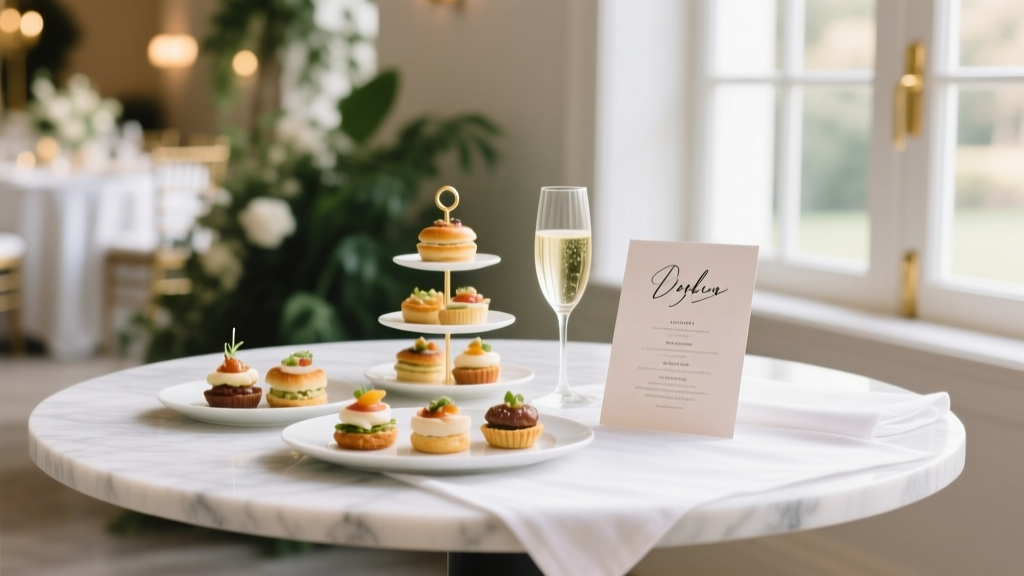
Wedding Menu Tasting Guide What to Expect
You’ve chosen your venue, picked a date, and maybe even found your dream outfit—then suddenly you’re facing a surprisingly big question: What are we feeding everyone? A wedding menu tasting is one of the most exciting planning moments because it makes the day feel real. It’s also one of the most practical decisions you’ll make—your food and drink set the tone for the celebration and shape how guests remember the night.
If you’re feeling pressure (because your family has opinions, you have a budget, and you’d rather not serve “dry chicken” at your own wedding), you’re not alone. Think of this guide as your calm, organized friend who’s been to a lot of tastings and knows exactly what to ask, what to watch for, and how to leave confident in your final wedding menu.
Below is what to expect at a wedding menu tasting, how to prepare, and the pro tips that help couples choose a crowd-pleasing menu—without losing sleep or overspending.
What a Wedding Menu Tasting Is (and Why It Matters)
A wedding menu tasting is a scheduled appointment with your caterer (or venue’s culinary team) to sample potential dishes for your wedding day. Depending on your vendor, this may include:
- Passed appetizers or cocktail hour bites
- Salads and starters
- Main entrees (often 2–4 choices)
- Sides
- Desserts (sometimes a separate cake tasting)
- Late-night snacks (optional)
- Beverage pairings or bar options (sometimes separate)
It’s not just about choosing what tastes best in the moment. A tasting helps you evaluate:
- Consistency: Can the kitchen serve this well to 100–250 guests?
- Presentation: Does it look wedding-worthy on the plate?
- Dietary flexibility: Are vegetarian, vegan, gluten-free, and allergy-friendly options truly thoughtful?
- Service flow: Will plated dinner take 45 minutes or 90?
- Value: Are you paying for a “wow” moment guests will actually notice?
When to Schedule Your Tasting (Timeline Advice)
Most couples do a tasting after booking the caterer/venue but before finalizing the menu and rentals. Typical timing is:
- 6–4 months before the wedding: Common window for tastings (especially for peak season weddings)
- 3–2 months before: Finalize menu selections, dietary counts, and bar package
- 30–14 days before: Provide final guest count and meal selections (varies by contract)
If your wedding is in a busy season or your vendor hosts group tastings only a few times a year, book your tasting date as early as you can.
Quick Tip: Ask About Seasonal Menus
If you’re getting married in late summer, tasting a winter menu in February can be tricky. Ask your caterer which ingredients will be in season for your wedding date and what substitutions may happen.
Before the Tasting: A Simple Prep Checklist
Walking into a wedding menu tasting hungry and unprepared is how couples end up choosing three heavy entrees and forgetting to ask about vegetarian options. Use this checklist to show up ready.
Bring This With You
- Your contract or proposal (or at least the package details on your phone)
- A notes app template (or printed checklist)
- Inspiration photos if you care about plating style
- Your guest list basics: estimated headcount, age mix, dietary needs you already know
- Questions about upgrades (so you can price them on the spot)
Talk Through These Decisions in Advance
- Service style: plated, buffet, family-style, stations, cocktail-style reception
- Overall vibe: classic, modern, comfort food, cultural fusion, formal black-tie
- Non-negotiables: “We must have a great vegetarian entree” or “We want a signature cocktail”
- Budget ceiling: how much per person you’re willing to spend on food and beverage
Plan Your Day So You Can Taste Properly
- Avoid scheduling the tasting right after a big lunch
- Skip strong coffee or spicy foods beforehand (they can affect your palate)
- Wear something comfortable (you’ll sit, eat, and take notes)
- If you drink alcohol, pace yourself—tastings can include wine pairings
What to Expect During the Tasting (Step-by-Step)
1) A Quick Run-Through of Your Wedding Details
Many chefs or catering managers start by confirming logistics:
- Wedding date, venue spaces, and guest count estimate
- Service style and timeline (cocktail hour length, dinner start time)
- Any cultural traditions (tea ceremony, dessert table, late-night foods)
- Dietary restrictions and allergy protocols
2) Tasting the Menu Courses (and Taking Notes Like a Pro)
You’ll sample a selection of dishes based on your package or choices you pre-selected. For each item, rate it quickly so you don’t forget later. A simple scoring method:
- Taste: seasoning, balance, freshness
- Texture: is the protein tender? is the vegetable overcooked?
- Presentation: does it look like the price point?
- Guest appeal: will most guests enjoy it?
- How it holds: would this still be great after 10 minutes under a heat lamp?
Real-world scenario: You love short rib, but your wedding has 180 guests and dinner is served in a ballroom with a long walk from the kitchen. Ask whether the short rib stays tender during service and how it’s rested/held. Some dishes are amazing in a kitchen tasting and just “okay” at scale.
3) Discussion of Customization and Swaps
This is where you can ask for modifications, such as:
- Switching a side dish to something more seasonal
- Adjusting spice level
- Offering one entrée with two sauce options
- Adding a vegetarian or vegan entrée that feels just as special
4) Rentals, Upgrades, and Presentation Details
Many couples are surprised to learn that “menu choices” tie into rentals and staffing:
- Family-style often requires more serving platters and staff
- Stations can require extra chefs and décor elements
- Specialty linens or charger plates may be separate
5) Next Steps and Finalization Timeline
You’ll typically leave with a plan for:
- Which items are finalists
- What changes the chef will test or quote
- When you must submit final menu selections
- How guest meal choices will be collected (RSVP cards, online RSVP, tableside)
Questions to Ask at Your Wedding Menu Tasting
These questions help you avoid surprises later—especially around cost, service speed, and dietary needs.
Food & Quality
- How will this dish be prepared and held during service?
- What changes if the guest count increases or decreases?
- Are these portion sizes the same on wedding day?
- What’s your plan if an ingredient is unavailable?
Dietary Restrictions & Allergies
- How do you handle severe allergies (nuts, shellfish, dairy, gluten)?
- Can you provide a vegetarian/vegan entree that isn’t just pasta?
- How are special meals labeled and delivered to the correct guest?
Service & Timing
- How many servers per guest count do you recommend?
- How long does plated service typically take for our size wedding?
- Will tables be served all at once or by sections?
Costs & Contracts
- What is included in our per-person price?
- Which items are upgrades (filet, crab cakes, specialty desserts)?
- What service charges, staffing fees, or overtime should we plan for?
- What is the final payment schedule?
Budget Considerations: Where Couples Overspend (and Where It’s Worth It)
Your wedding catering budget is usually a combination of food, bar, staffing, rentals, service charges, and taxes. A tasting is the perfect moment to spot “hidden” costs.
Common Budget Traps
- Too many passed apps: It’s easy to fall in love with every appetizer. Guests remember variety, not quantity.
- Upgrading proteins across the board: Filet for everyone adds up quickly. Consider one premium option and one crowd-pleaser.
- Late-night snacks without a need: If your reception ends at 10pm, you may not need sliders at 9:30.
- Bar package surprises: Premium liquor, champagne toasts, and signature cocktails can change your total fast.
Smart Splurges (Wedding Planner Approved)
- Great bread and butter or a first-course wow: Guests notice early impressions.
- One standout appetizer: A signature bite that feels “you.”
- Better vegetarian/vegan entrée: It signals hospitality and prevents awkward “sad salad” moments.
- Service staffing: Smooth pacing often matters more than a fancier side dish.
Real-world scenario: A couple planning a summer wedding with 140 guests wanted steak and salmon, but the upgrade pushed them over budget. They chose chicken roulade (beautiful plating, reliable at scale) plus a vegetarian risotto, and spent the savings on a premium appetizer trio during cocktail hour. Guests raved about the food—and the budget stayed intact.
Common Mistakes to Avoid (and What to Do Instead)
- Mistake: Choosing only what you personally love.
Do instead: Build a menu with at least one “adventurous” choice and the rest broadly appealing. - Mistake: Forgetting how food changes at scale.
Do instead: Ask what the chef recommends for consistency with your guest count and venue layout. - Mistake: Ignoring dietary needs until the last minute.
Do instead: Identify likely restrictions early and ask to taste at least one alternative entrée. - Mistake: Overloading the meal with heavy items.
Do instead: Balance richness with freshness (citrus, herbs, seasonal vegetables). - Mistake: Not clarifying what’s included.
Do instead: Confirm portion sizes, staffing, rentals, and service charges while you’re face-to-face.
Pro Tips from Wedding Planners for a Confident Final Menu
- Take photos and notes: Plate photos help when you’re comparing later.
- Think about guest comfort: Avoid messy items if you’re wearing formal attire and guests will be mingling (ribs, overly saucy tacos, etc.).
- Consider the full evening: If you’re doing a big dessert display, you may not need cake plus cupcakes plus donuts.
- Ask for a kids’ meal plan: Even a small guest count of children benefits from a simple option.
- Plan beverage balance: Pair richer dishes with lighter cocktails or wines to keep the party energy up.
- Confirm the “special meal” process: The best caterers have a clear labeling and delivery system for allergies and dietary plates.
After the Tasting: How to Make the Final Call
Within 24–48 hours, review your notes while everything is fresh. If you’re stuck between options, use this simple decision process:
- Choose your top 1–2 appetizers that feel memorable and fit your cocktail hour style.
- Select entrees for balance: one classic crowd-pleaser + one alternative (fish or vegetarian).
- Confirm a vegetarian/vegan option that you’re proud to serve.
- Decide on dessert strategy: cake only, cake + mini desserts, or a dessert bar.
- Review pricing line by line (including staffing, rentals, service charges, tax, and gratuity policies).
- Lock timeline and service details with your planner/venue so dinner pacing matches speeches and dancing.
If your families are contributing financially or have strong opinions, share 2–3 curated options rather than asking, “What do you think?” It keeps feedback helpful instead of overwhelming.
FAQ: Wedding Menu Tasting Questions Couples Ask All the Time
How many people can we bring to a wedding tasting?
Most caterers include 2 guests (the couple) and charge per additional person. If your parent or planner needs to attend, ask about the fee and limit the group—too many opinions can make choices harder.
Do we have to pay for a menu tasting?
Some caterers include one tasting after you’ve signed a contract; others charge a tasting fee that may be credited back if you book. Confirm this early so it doesn’t catch you off guard.
What if the tasting food is amazing but we’re worried about wedding-day consistency?
Ask which dishes hold best for your service style and venue layout, how food is staged, and how long plated service usually takes for your guest count. Reliability is just as valuable as flavor.
How do we handle guest dietary restrictions and allergies?
Collect restrictions via your wedding RSVP (online or paper), then confirm the caterer’s process for preparing, labeling, and delivering special meals. For severe allergies, ask about cross-contamination protocols.
Should we offer two entrée choices or just one?
Two entrée choices can make guests feel cared for, but it adds coordination and sometimes cost. If you want simplicity, choose one universally appealing entrée and offer a strong vegetarian/vegan plate for those who need it.
Can we request cultural or family recipes?
Often yes—especially with full-service caterers—though it may require a custom quote or additional prep time. Bring inspiration and be clear about what matters (flavor authenticity, presentation, or both).
Your Next Steps: Turn Tasting Notes Into a Menu You’ll Love
To keep momentum after your wedding menu tasting, aim to do these three things within the next week:
- Send your top menu picks to the caterer and request updated pricing (including any upgrades).
- Confirm service details with your planner or venue coordinator so dinner timing fits your reception schedule.
- Update your RSVP plan to collect meal selections and dietary restrictions clearly.
You’re not just choosing dinner—you’re building a guest experience. Trust your taste, ask the practical questions, and remember: a warm, well-fed room is a happy dance floor.
Looking for more wedding planning support? Explore more practical guides and checklists on weddingsift.com to keep your planning feeling clear, organized, and doable.
More Articles
 How to Plan a Cheap Outdoor Wedding (2026)
 Brown Suit to Wedding: 7 Rules You Must Know (2026)
 Wedding Invite Date Format: The 7-Second Rule (2026)
 Church Wedding Donation: Real Minimums & Expectations (2026)
 Wedding Gift Money: Relationship-Based Rules (2026)
 Fresh Rose Petals for Weddings: 7 Science-Backed Tips (2026)
 NYC Wedding Officiant: Legal Path in 10 Days (2026)
 1-Year Wedding Anniversary Ideas (2026)
 Spray Tan Before Wedding: The 72-Hour Sweet Spot
 How Many Best Men Are There at a Wedding?