
Wedding Venue Red Flags to Watch Out For
You find a venue that looks perfect online: dreamy photos, glowing reviews, and a “limited dates left” message that makes your heart race. You picture your first look on that staircase, your parents tearing up during vows, your friends cheering on the dance floor. It’s exciting—and also a little vulnerable—because the venue decision sets the tone for almost every other wedding planning choice.
As a wedding planner friend would tell you: most couples don’t regret choosing a venue because the flowers were the wrong shade. They regret it because something felt off early on… and they ignored that feeling. The good news? Most venue issues are totally avoidable once you know what to look for and what to ask.
This guide walks you through the most common wedding venue red flags—plus practical checklists, real-world scenarios, budget and timeline tips, and a few pro-level questions that can save you thousands (and a lot of stress).
Before You Tour: Know Your Non-Negotiables (So Red Flags Are Easier to Spot)
When couples tour venues without a clear “must-have” list, every space can start to feel like “maybe.” It’s also easier to overlook concerns because you’re busy imagining how pretty it could be. Spend 30 minutes doing this together before tours:
Your 10-minute non-negotiables exercise
- Pick your top 3 priorities: guest experience, photos/ambience, food quality, convenience, budget, flexibility, or a specific date/season.
- Set a realistic guest count range: for example, 110–130 rather than “around 120.”
- Decide your comfort level with DIY: Do you want a venue that includes setup and staffing, or are you okay coordinating rentals and logistics?
- Identify any hard requirements: accessible entrances, indoor backup space, on-site parking, allowed outside catering, late-night end time, etc.
Budget guardrails that prevent venue regret
- Decide your venue + catering target early. For many couples, this is 40–55% of the total wedding budget (venue fees, food, bar, staff, service charges, taxes).
- Ask for “all-in” estimates in writing. A low venue rental fee can hide expensive minimums, required vendors, and add-ons.
- Know your date flexibility. Off-peak months or Fridays/Sundays can sometimes cut site fees and minimums significantly.
The Biggest Wedding Venue Red Flags (And What They Really Mean)
1) Vague pricing, hidden fees, or “we’ll confirm later” answers
Clear pricing is a sign of a well-run venue. If they can’t (or won’t) give you a transparent breakdown, expect surprises later.
Watch for:
- Pricing sheets that list only the site fee but not staffing, service charges, taxes, or required rentals
- Unclear bar packages (what brands? what’s the pour size? what counts as “premium”?)
- Statements like “We’ll determine staffing closer to the date” without ranges
Real-world scenario: A couple books a venue with a $4,000 rental fee. Later they learn there’s a $12,000 food and beverage minimum, plus a 22% service charge and 8–10% tax, plus required valet. Their “affordable” venue now consumes most of the budget.
Pro tip: Ask for an estimate using your guest count with line items for every fee. If they won’t provide it, that’s a strong red flag.
2) Pressure tactics: “You have to sign today” or “Someone else is touring after you”
Popular venues book quickly—but ethical venues still allow you time to review a contract. High-pressure sales often signals disorganization or a venue that relies on impulse decisions.
- If you feel rushed, ask for a 48-hour courtesy hold (many venues will do this).
- If they refuse any hold, proceed carefully and read everything before paying.
Common mistake: Putting down a deposit before you’ve confirmed your ceremony time, noise restrictions, rain plan, and guest capacity in the exact space you’ll be using.
3) The venue looks great… but the logistics are a nightmare
Instagram doesn’t show the loading dock, restroom lines, or the steep hill Grandma has to walk. Logistics issues don’t just create inconvenience—they create real costs (extra shuttles, extra staff, extra rentals, longer vendor hours).
Watch for:
- Limited restrooms for your guest count
- Long distances between ceremony, cocktail hour, and reception spaces
- No accessible routes for guests with mobility needs
- Parking that’s far away, unsafe at night, or very limited
- No dedicated vendor load-in area (or strict load-in windows)
Pro tip: Time the “walk” as if you’re a guest in formalwear. If it’s awkward now, it will be worse with heels, weather, and crowds.
4) No real weather backup plan (or the backup is disappointing)
Outdoor weddings can be stunning—until the forecast changes. A venue should have a backup plan that still feels like a wedding you’d happily host.
Watch for:
- “We can always put up a tent” with no tent pricing, no tent permit guidance, and no rain-wind plan
- Backup space that’s too small, dark, or used as a storage area
- Rules that prohibit heaters, sidewalls, or flooring for tents
Real-world scenario: A couple plans an outdoor garden ceremony. The “backup” is a narrow hallway. Rain forces a last-minute change and the processional feels cramped and chaotic.
Timeline tip: If you’re booking for peak rain/heat season, discuss the weather plan before signing. If tents might be needed, treat them like a major budget line item early.
5) Capacity numbers that feel inflated
Many venues list a maximum capacity that technically fits people—but doesn’t fit a comfortable wedding layout with a dance floor, DJ/band, buffet, bar, photo booth, and decent table spacing.
Watch for:
- They quote “200 seated” but can’t show a floor plan for your layout
- They avoid specifics about dance floor size or head table placement
- They say, “We’ve done 220!” without describing the setup
Pro tip: Ask to see a sample floor plan for your guest count with your preferred table style (rounds vs. long tables). If it feels tight, it is tight.
6) Vendor restrictions that limit your options (and inflate costs)
Some venues require you to use their catering or a preferred vendor list. That’s not automatically bad—many preferred vendors are excellent. The red flag is when the restrictions feel like a money grab or prevent you from bringing in the team that fits your style and budget.
Watch for:
- Exclusive vendors with pricing that doesn’t match your budget
- High “outside vendor” fees for bringing your own caterer, planner, or bar service
- Rules that quietly eliminate budget-friendly options (like food trucks or local restaurants)
Budget tip: If you want cultural cuisine or a specialty caterer, confirm it’s allowed before you tour seriously. Ask about kitchen access, warming space, and staffing requirements.
7) Poor communication or disorganization during the inquiry stage
The way a venue handles emails and tours is often how they’ll handle your wedding logistics. Slow responses happen—especially during busy season—but patterns matter.
Watch for:
- Repeatedly missing calls or taking weeks to reply
- Sending conflicting answers about timing, rules, or pricing
- Not following up with details they promised (brochures, sample contracts, estimates)
Real-world scenario: A couple asks about ceremony timing. One coordinator says 4:00 pm is fine; another says ceremonies must start at 5:30 pm due to neighborhood restrictions. That discrepancy becomes a major schedule issue later.
Pro tip: After a call, send a recap email: “Confirming what we discussed…” If they correct you, great. If they ignore it, that’s information too.
8) Contract language that feels one-sided or unclear
Contracts are supposed to protect both parties. If the venue can change key terms without consequences—or if your cancellation/reschedule options are extremely limited—pause and consider legal review.
Watch for:
- Unclear refund/cancellation policy and no reschedule terms
- Force majeure clauses that protect only the venue
- Broad language allowing the venue to change spaces, staffing, or access times
- Large penalties for small timeline changes
Pro tip: If anything is promised verbally (extra hour, waived fee, specific suite access), ask for it in writing as an addendum.
9) Noise restrictions and early end times that don’t match your vision
Some venues have strict sound limits or must end music early due to local ordinances. That can work beautifully for a daytime wedding or an intimate dinner party vibe—but it’s a red flag if you’re imagining a high-energy dance floor until late.
- Ask about amplified sound rules (indoor vs. outdoor) and decibel limits.
- Confirm the real end time: last call, music off, guests out, vendors loaded out.
- Ask if there’s an after-party option nearby or onsite.
10) The space isn’t as private as you assumed
Sharing a venue with other events can create awkward guest flow, bathroom lines, and photo interruptions.
Watch for:
- Multiple weddings happening at once with shared entrances or common areas
- Public access during your event (tourists, diners, hotel guests walking through)
- Restrictions on signage that make it hard for guests to find you
Pro tip: Ask, “Will any other events be happening at the same time? What spaces are exclusive to us?” Get the answer in writing.
Your Venue Tour Checklist: Questions That Reveal Red Flags Fast
Bring this list to every tour. If you’re touring virtually, ask them to walk you through each area on camera.
Pricing & payment
- What is the full estimated total for our guest count, including service charge and tax?
- What’s required to book (deposit amount, payment schedule)?
- What are common add-ons couples end up paying for?
Spaces & timing
- How many hours are included? When can vendors arrive? When must we be out?
- Where do we get ready? Is it included? What time can we access it?
- Is the ceremony location guaranteed? If not, what determines it?
Food, bar, and staffing
- Are we required to use in-house catering/bar? If not, what are outside vendor fees?
- How is staffing determined (bartenders, servers, security)?
- Can we do tastings, and when?
Weather & comfort
- What is the rain/heat plan, and what does it cost?
- Is there AC/heat? Any areas that get particularly hot/cold?
- How many restrooms are available, and are they close to the reception space?
Rules & restrictions
- What decor is not allowed (candles, sparklers, florals attached to walls, confetti)?
- What are the sound rules and end time for music?
- Are there required insurance limits? Security requirements?
Logistics & guest experience
- How does parking work? Do you recommend shuttles?
- Is the venue ADA accessible? Are there ramps/elevators?
- Where do ride-shares pick up and drop off?
Common Venue-Booking Mistakes (And How to Avoid Them)
- Booking before confirming your guest count range. A venue that’s too small creates stress; too large can feel empty and pricey. Create an A-list/B-list early.
- Falling in love with the ceremony spot but ignoring the reception room. Guests spend most of their time at the reception—prioritize comfort, layout, and flow.
- Not considering total costs beyond the venue fee. Rentals, shuttles, tenting, power, and staffing can change everything.
- Skipping a second visit. If possible, visit at the same time of day as your event. Lighting, noise, and traffic can be dramatically different.
- Assuming “coordinator included” equals full planning help. Many venue coordinators focus on venue logistics—not timeline creation, vendor management, or design decisions.
Wedding Planner Pro Tips for Choosing a Venue with Confidence
- Ask what couples most commonly complain about. A thoughtful venue will answer honestly and explain how they handle it.
- Request a sample timeline. It shows whether they understand real wedding flow (ceremony flip, cocktail hour traffic, sunset photos).
- Check the lighting and power. Especially for bands, uplighting, and outdoor setups. Ask about power access and generator rules.
- Look for a “Plan A” you love. Choose a venue where you genuinely like the indoor option—even if you’re dreaming of outdoors.
- Read reviews with a filter. One bad review isn’t a dealbreaker. Consistent themes (hidden fees, rude staff, disorganization) are.
Timeline Advice: When to Book, When to Reconfirm, When to Lock Details
- 12–18 months out: Book your venue (earlier for peak season or high-demand cities). Ask about date holds and contract turnarounds.
- 9–12 months out: Book key vendors that depend on the venue (caterer if not in-house, planner, photographer, band/DJ).
- 6–9 months out: Finalize layout assumptions: guest count direction, rain plan costs, rental needs, shuttle quotes.
- 3–4 months out: Confirm venue rules, load-in times, and any insurance/security requirements. Schedule your final walkthrough.
- 4–6 weeks out: Finalize the floor plan, timeline, staffing counts, and final payments. Confirm who is onsite as your point person.
FAQ: Wedding Venue Red Flags
How do I know if a venue is too good to be true financially?
If the site fee seems low compared to similar venues, ask for an “all-in” estimate that includes food and beverage minimums, service charges, taxes, staffing, rentals, and any required vendors. Venues that are upfront about totals are usually safer choices.
Is it a red flag if the venue won’t allow outside catering?
Not necessarily. Many venues have excellent in-house catering. It becomes a red flag if their catering pricing is far above your budget, if tastings are limited, or if they’re vague about what’s included (staffing, linens, cake cutting, late-night snacks, dietary accommodations).
What should I do if I spot a red flag but still love the venue?
Bring it into the open and ask for specifics in writing. Many issues can be solved with contract clarifications, a detailed floor plan, or a revised estimate. If the venue resists transparency, that’s your answer.
How can I protect myself before signing a venue contract?
Request the full contract early, read it line by line, and ask questions about cancellation, rescheduling, rain plans, space guarantees, and what happens if the venue changes management. For higher budgets, consider having a lawyer review it—especially if terms feel one-sided.
What’s the biggest venue regret couples have?
Underestimating total costs and logistics: not enough time for setup, inadequate weather backup, or a layout that feels cramped. These issues tend to show up late and cost the most to fix.
Should we book a venue before hiring a planner?
Many couples do, but if you’re planning a complex wedding (outdoor, tented, cultural catering, multiple locations, or a tight budget), even a one-time planning consult before you sign can help you spot hidden costs and contract concerns.
Next Steps: How to Move Forward Without Second-Guessing
If you’re venue shopping right now, make it your goal to leave each tour with three things: a written estimate, a sample contract, and clear answers about weather backup, timing, and restrictions. If any of those feel fuzzy, slow down and ask follow-up questions. The right venue won’t punish you for being thorough—they’ll respect you for it.
Create a shortlist of 2–3 favorites, compare them side-by-side (true totals, logistics, guest comfort, flexibility), and schedule a second visit for your top choice if you can. Your future self will thank you.
For more supportive, practical planning help—from budgets and timelines to vendor checklists—explore our wedding planning guides on weddingsift.com.
More Articles
 Wedding Card Box Size: Exact Dimensions (2026)
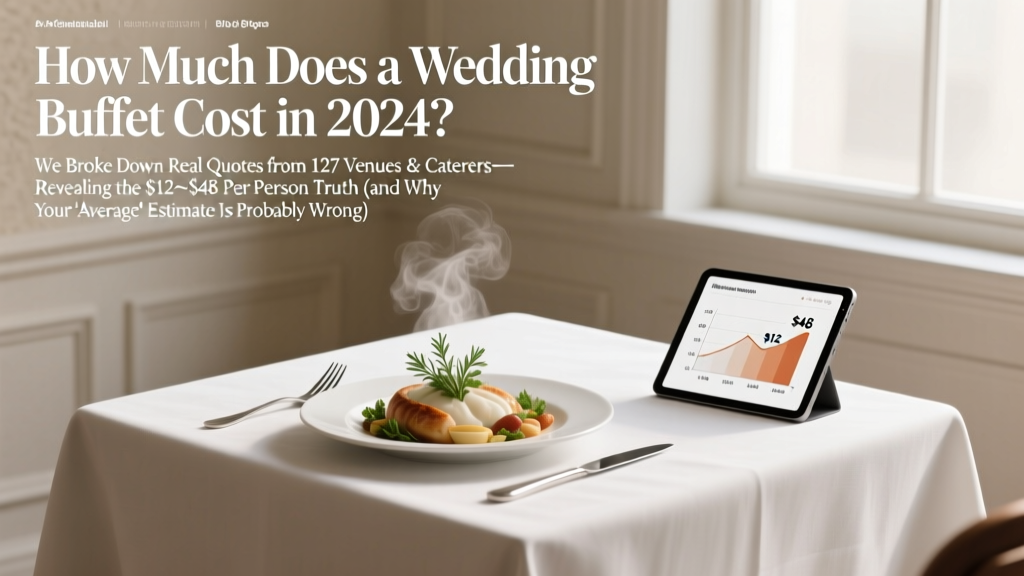 Wedding Buffet Cost 2026: $12–$48 Per Person
 Wedding Reception Duration: Data-Backed Timeline (2026)
 Diamond Wedding Rings: Real Prices & Save $2,800 (2026)
 Outdoor Wedding Music: 7 Sound-Failure Fixes (2026)
 Wedding Place Cards: 7 Foolproof Steps (2026)
 Wedding Shower Checklist: What Guests & Hosts Really Need
 World Safety Tips: Practical, Evidence-Based Strategies for Travelers and Residents Alike
 Modern Wedding Anniversary Gifts by Year (2026)
 Is It OK to Skip the Wedding Ceremony? (2026)