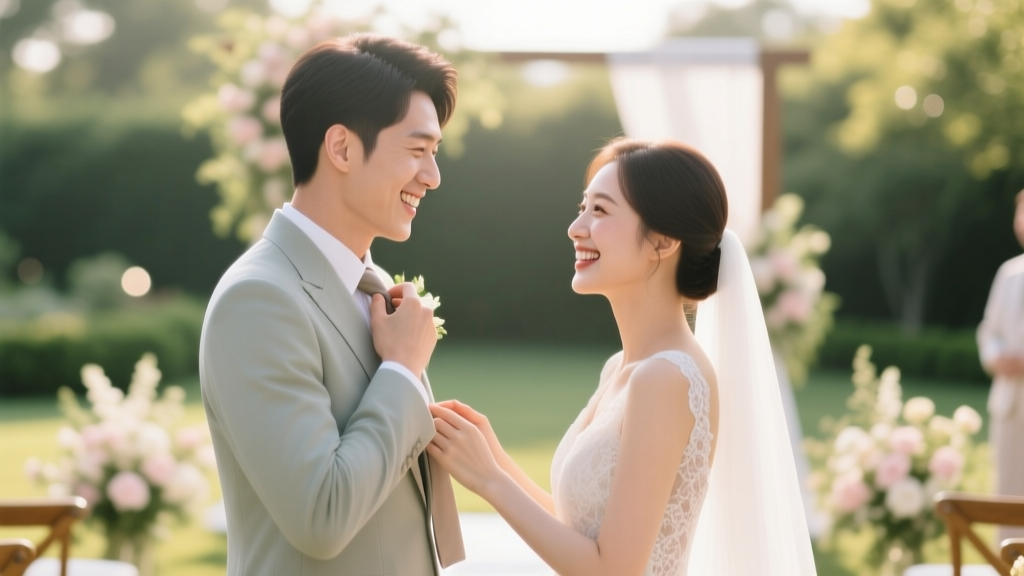
Wedding Planning How to Manage Wedding Day Photos
You’ll spend months planning a wedding that happens in a blur—then you’ll live with the photos forever. That’s why wedding day photography can feel oddly high-pressure. It’s not just about pretty pictures; it’s about remembering how it felt: the shaky hands during your vows, your best friend’s laugh during toasts, the way your partner looks at you when they think no one’s watching.
And yet, photo planning is where so many couples get stuck. You don’t want to miss key moments, but you also don’t want to spend your entire wedding “taking pictures.” The good news: with a thoughtful plan, you can get a full gallery of meaningful images without sacrificing the actual experience of your wedding day.
This guide walks you through how to manage wedding day photos like a pro—timelines, shot lists, family formals, budget considerations, and the real-world details wedding planners see all the time.
Start With the Big Picture: What Do You Want Your Photos to Feel Like?
Before you build a timeline or a shot list, get clear on your priorities. Couples often default to Pinterest trends, but your gallery should reflect you—your personalities, your relationships, your wedding style.
Quick priority questions (answer together)
- Do you want more candid storytelling or more editorial portraits?
- What matters most: family photos, couple portraits, guest candids, details, dance floor energy, cultural traditions?
- How much time are you willing to spend away from guests for portraits?
- Any insecurities or preferences (favorite side, height differences, glasses glare, etc.)?
Real-world example
Scenario: You’re hosting a backyard wedding with 60 guests and a relaxed vibe. Your priority might be candid, documentary-style images—people hugging, laughing, kids running around—plus a short golden-hour portrait session. Your photo plan should reflect that, not a two-hour portrait marathon.
Choose the Right Photographer (Style + Logistics Matter)
Managing wedding day photos starts with hiring a photographer whose approach matches your expectations. A photographer can only deliver what they’re experienced in capturing—especially under time pressure.
What to look for beyond pretty portfolios
- Full galleries (not just highlights): ask to see two complete weddings in similar lighting/venues.
- Low-light performance: can they handle dim receptions without harsh flash?
- People management: do they confidently direct family formals and couple portraits?
- Backup plans: dual card slots, backup cameras/lenses, second shooter options.
- Communication style: calm, kind, and clear direction makes a huge difference on wedding day.
Budget considerations for photography coverage
- Hours of coverage: 6–8 hours works for many weddings; 8–10 hours is common for larger timelines (getting ready through dancing).
- Second shooter: often worth it for 100+ guests, separate getting-ready locations, or complex ceremony/reception coverage.
- Engagement session: helpful “practice run” so you feel comfortable being photographed.
- Albums/prints: consider setting aside funds—digital galleries are great, but printed photos are what you’ll revisit for decades.
Build a Photography-Friendly Wedding Day Timeline
The #1 reason couples feel stressed about photos is a timeline that doesn’t support them. Your photographer can help, but it’s smart to understand the building blocks so the plan fits your day.
Key timeline decision: First look or aisle reveal?
- First look (seeing each other before the ceremony) often allows:
- More portraits done earlier
- More time with guests during cocktail hour
- Calmer, private moment together
- Aisle reveal keeps the tradition and emotion of seeing each other at the ceremony, but usually means:
- More photos during cocktail hour
- Tighter family formal timing
- Possible rush if sunset is early
Sample timeline blocks (adjust to your wedding)
- Getting ready: 60–120 minutes of photo time
- Detail photos (invites, rings, attire): 20–40 minutes
- First look + couple portraits: 30–60 minutes
- Wedding party photos: 20–40 minutes
- Family formals: 20–45 minutes (depends on number of groupings)
- Ceremony: length varies
- Cocktail hour: ideal for candids + any remaining formals
- Golden hour portraits: 10–20 minutes (high impact, minimal time)
- Reception events (entrances, toasts, dances): plan buffer time between events
Pro timeline tips wedding planners swear by
- Add buffers everywhere: hair/makeup delays are common. A 10–15 minute cushion can save your whole day.
- Schedule portraits in flattering light: mid-day sun is harsh. If possible, plan couple portraits closer to late afternoon or golden hour.
- Keep travel time realistic: parking, walking, and wrangling people take longer than you think.
- Plan a “hideaway” if you don’t want to be seen: if skipping a first look, choose a private route to the ceremony.
Make a Shot List That Works (Without Over-Controlling)
A shot list is helpful, but there’s a sweet spot. You want to communicate priorities while still allowing your photographer to capture natural moments as they unfold.
Your must-have moments checklist
- Getting ready: final touches, gifts/letters, parent reactions
- Individual portraits: each partner, wedding party, immediate family
- Ceremony: processional, vows, rings, first kiss, recessional
- Reception: entrances, toasts, first dances, cake cutting, candid guest moments
- Details: florals, table settings, signage, attire, rings
What to personalize (this is where your list shines)
- People who matter most: grandparents, blended family groupings, chosen family, friends you rarely see
- Traditions: ketubah signing, tea ceremony, baraat, hora, unity rituals, cultural attire changes
- Sentimental details: heirloom jewelry, memorial charms, special embroidery, a passed-down veil
Real-world scenario: blended families
If you have divorced parents or step-parents, list groupings clearly to avoid awkwardness. Example:
- Couple + Partner A’s mom
- Couple + Partner A’s dad
- Couple + Partner A’s mom + step-parent (if comfortable)
- Couple + Partner A’s siblings
This reduces on-the-spot confusion and helps everyone feel respected.
Family Formals: How to Keep Them Fast, Calm, and Complete
Family photos are often the most emotionally meaningful—and the most likely to run long. The secret is simple: plan them like a mini production.
Step-by-step: your family formal plan
- Choose a location with shade or flattering indoor light (and enough space).
- Write a short list of groupings (usually 8–15 is plenty).
- Assign a “family photo wrangler” for each side—someone assertive who knows faces and names.
- Tell key people in advance when and where family photos happen.
- Build in 30 minutes if you have a large family or multiple combinations.
- Keep it moving: after each photo, the photographer calls the next group while the previous exits.
Common family formal mistakes to avoid
- Not telling relatives ahead of time (they wander off to the bar or bathroom).
- Trying to include every possible combination (it becomes a 90-minute ordeal).
- No wrangler assigned (the couple ends up doing crowd control in formalwear).
- Forgetting mobility needs (plan chairs for grandparents and easy access routes).
Getting Ready Photos: Set the Stage for a Calm Morning
Getting-ready photos can be some of the most intimate and joyful images of the day—if the environment isn’t chaotic.
Getting-ready photo tips that make a big difference
- Choose a bright space: natural window light beats dim hotel lamps.
- Declutter one corner: toss bags, water bottles, and food wrappers into a spare room or closet.
- Have details ready: rings, invitation suite, vow books, perfume, heirlooms.
- Wear something you love: a robe, matching pajamas, or a simple outfit that feels “you.”
- Protect your timeline: schedule hair and makeup to finish at least 30–45 minutes before you need to be dressed.
Real-world scenario: hotel room chaos
If you’re in a standard hotel room with 8 people, hair tools, and garment bags everywhere, photos can feel cramped. Consider booking a suite, using a nearby airy Airbnb for getting ready, or designating a “photo-ready corner” near a window.
Portraits Without Losing Your Wedding: How to Keep Photos Enjoyable
Couple portraits are where you’ll likely feel the most “posed,” but they don’t have to be stiff or time-consuming.
Plan portrait time in two short sessions
- Session 1: 20–40 minutes earlier in the day (after first look or before ceremony if doing separate portraits)
- Session 2: 10–20 minutes during golden hour for warm, romantic light
Pro tips for natural-looking couple photos
- Build connection breaks in: pause, breathe, hold hands, and let yourselves laugh.
- Tell your photographer what helps: “We feel awkward with hands—please give specific direction.”
- Consider a private moment: a few minutes alone right after the ceremony can create beautiful candid images (and calm your nerves).
Reception Photos: Coordinate With Your DJ/Band and Planner
Great reception photos depend on pacing, lighting, and communication. Your photographer can’t capture toasts if the DJ starts early or the room is pitch-black with no warning.
Checklist: reception coordination
- Share your reception “run of show” with your photographer and DJ/band.
- Ask for a 5-minute heads-up before toasts, special dances, cake cutting, bouquet toss, etc.
- Lighting check: if possible, avoid turning off all lights during key moments—keep some ambient light for flattering photos.
- Consider uplighting or soft wash lighting to keep the room warm and photo-friendly.
Real-world scenario: surprise speeches
Surprise toasts can be fun, but they often result in missed photos or unflattering lighting. If you want spontaneity, ask your planner or DJ to quietly alert your photographer before handing over the mic.
Common Wedding Day Photo Mistakes (and How to Avoid Them)
- Overpacking the shot list: A 100-item Pinterest checklist can distract from real moments. Keep it focused on priorities and family groupings.
- Not budgeting enough time for photos: Rushing shows in faces and posture. Add buffers.
- Skipping a second shooter when needed: If you’re getting ready in two locations or have 150 guests, one photographer may miss parallel moments.
- Ignoring seasonal sunset times: Winter weddings get dark early—plan portraits accordingly.
- Forgetting to eat and hydrate: Tired couples look tired. Schedule a snack and water break before portraits.
Wedding Planner Pro Tips for a Smooth Photo Experience
- Create a “photo VIP list” of 10–20 must-photograph guests (especially older relatives and long-distance friends).
- Do a quick venue walkthrough with your photographer (or share venue photos) to identify portrait spots and indoor rain backups.
- Put your florist’s delivery time on the timeline so bouquet and boutonnieres are ready for portraits.
- Ask about an unplugged ceremony (or at least a phone-free aisle) to avoid guests blocking key shots.
- Pack an emergency kit: blotting sheets, lipstick, hair pins, lint roller—tiny fixes make a big visual impact.
FAQ: Managing Wedding Day Photos
How many hours of wedding photography do we actually need?
Most couples are happiest with 8 hours if they want getting ready through major reception events. For smaller weddings or earlier start times, 6 hours can work well. If you have multiple locations, a large guest count, or lots of traditions, consider 9–10 hours.
Do we need a second shooter?
A second shooter is especially helpful if you’re getting ready in different places, want more guest candids, or have 120+ guests. It also gives you coverage from multiple angles during the ceremony and first dance.
When should we do family photos—before or after the ceremony?
If you’re doing a first look, family photos before the ceremony often keeps cocktail hour relaxed. If you’re not doing a first look, plan family formals immediately after the ceremony and make sure your family wranglers are ready to gather people quickly.
What should we send our photographer before the wedding?
Send your timeline, addresses, contact numbers for a point person, a family formal shot list, and any “must-have” moments or special traditions. If you have sensitive family dynamics, share that privately so they can guide groupings smoothly.
What if it rains on our wedding day?
Ask your photographer about rain plans and bring a couple of clear umbrellas. Identify an indoor portrait space with good window light (a covered porch, a bright lobby, a greenhouse, or even a cleared-out reception space). Rain can create gorgeous, romantic images when you’re prepared.
How can we make photos feel more natural if we’re camera-shy?
Consider an engagement session to get comfortable. On the wedding day, plan shorter portrait blocks, focus on candid interactions (walking, talking, holding hands), and ask your photographer for clear direction rather than “just be natural.”
Your Next Steps: A Simple Photo Planning Checklist
- Choose your top 3 photo priorities (candids, family, portraits, details, traditions).
- Confirm your photography coverage hours and whether you want a second shooter.
- Decide on a first look vs. aisle reveal and build your timeline around it.
- Create a short family formal list and assign two wranglers.
- Plan a 10–20 minute golden hour portrait window.
- Share your timeline and VIP list with your photographer and planner/DJ.
You don’t need a perfect plan—you just need a clear one that protects your time, your energy, and the moments that matter most. With the right timeline and a little prep, you’ll end up with photos that feel like your wedding, not a photoshoot that happened to include a wedding.
Want more planning help? Explore more practical, stress-reducing wedding guides on weddingsift.com.
More Articles
 Father's Wedding Speech Guide: Stress-Free & Authentic
 Where to Get a Wedding Suit: 7 Real Options Ranked
 Wedding Bouquet Cost: Real Prices (2026) | DIY to Designer
 How Much Money to Give as a Wedding Gift (2026 Guide)
 How to Prep Skin for Wedding: Dermatologist Timeline (2026)
 Golden Wedding Blueprint: 7 Steps You’re Skipping
 All Who Wander Wedding Dresses Price Guide (2026)
 Long Island Wedding Gift Amounts (2026)
 Wedding Walk Tips: Posture, Arm Placement & Trip Prevention
 How to Plan a Wedding With a Welcome Reception