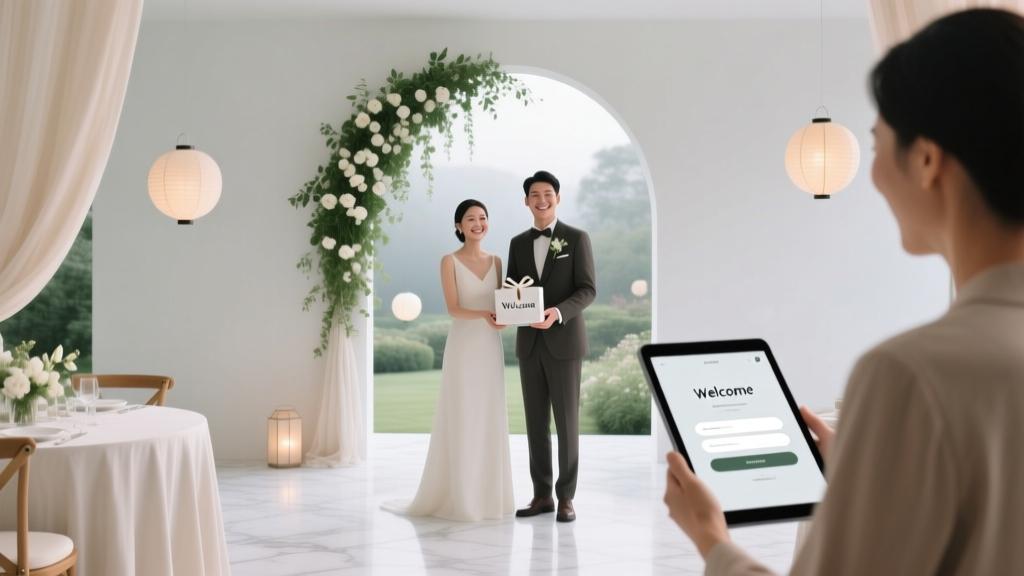
Wedding Planning How to Create a Seamless Guest Experience
You’ll spend months (sometimes years) planning your wedding day, and it’s natural to focus on the big, beautiful moments: walking down the aisle, your first dance, the photos you’ll frame forever. But when guests talk about a wedding afterward, they usually remember how it felt—welcoming, easy, thoughtful, and joyful… or confusing, rushed, and a little stressful.
A seamless guest experience doesn’t require a luxury budget or a massive production. It’s built through small, intentional choices that remove friction: clear directions, comfortable seating, food and drinks that arrive at the right time, and a timeline that respects people’s energy.
This guide walks you through exactly how to plan a wedding day that feels smooth for your guests (and calmer for you). Think of it as your “guest comfort + logistics” playbook—warm, organized, and totally doable.
What “Seamless Guest Experience” Really Means
A seamless guest experience is when guests don’t have to guess what to do next. They feel cared for from the moment they receive the invitation to the moment they head home.
Guest experience includes:
- Clarity: Where to go, when to arrive, what to expect.
- Comfort: Seating, temperature, accessibility, restrooms, pacing.
- Hospitality: Food, drinks, welcome moments, thoughtful touches.
- Flow: Smooth transitions between ceremony, cocktail hour, and reception.
- Inclusion: Guests of all ages and needs can participate.
When you get these right, the day feels effortless—even if you’ve quietly planned a hundred tiny details behind the scenes.
Start With Your Guest List and Guest Personas
Before you choose signage fonts or signature cocktails, take 20 minutes to think like a host. Your guest list is not one “type” of person.
Create 4 quick guest personas
- Out-of-town guests: Need travel guidance, hotel info, transportation options.
- Older relatives: Need seating, shorter walking distances, clear audio at ceremony.
- Families with kids: Need timing awareness, space to move, kid-friendly food options.
- Friends who love to party: Want a fun bar experience, lively pacing, late-night food.
Real-world scenario:
If your ceremony is outdoors on grass and you have grandparents attending, you’ll want stable seating, a short path from drop-off to ceremony, and a golf cart or shuttle if the venue is large. If half your guests are flying in, your wedding website should be as helpful as a mini travel guide.
Build a “No Guesswork” Communication Plan
Guests feel relaxed when they’re informed. Your goal: answer questions before they’re asked.
What to communicate (and where)
- Save-the-dates: City, date, general timing (morning/afternoon/evening), wedding website link.
- Invitations: Exact start times, venue address, dress code, RSVP deadline.
- Wedding website: Travel, lodging, transportation, parking, schedule, FAQs, registry, accessibility notes.
- Week-of email/text: Parking reminders, weather plan, shuttle times, “arrive by” suggestion.
- Day-of signage: Parking, ceremony direction, restrooms, seating guidance, bar/menu.
Pro tip (wedding planner favorite):
Add an “Arrive By” time on your website. Example: “Ceremony begins at 4:30 PM. Please arrive by 4:10 PM to park and find your seat.” This simple line prevents late entrances and awkward shuffling.
Timeline Planning: The Secret to Guest Comfort
Even the prettiest wedding can feel chaotic if the pacing is off. A guest-friendly timeline balances anticipation and downtime—without long gaps or rushed moments.
Ideal pacing guidelines
- Keep the ceremony tight: 20–30 minutes is comfortable for most groups.
- Plan a real cocktail hour: 60 minutes with enough drinks and food so guests aren’t hungry.
- Avoid “dead air”: Any gap longer than 15 minutes should include a clear activity (cocktails, live music, lounge, photo guest book).
- Serve dinner on time: Aim to have salads or first course within 90 minutes of ceremony end.
Checklist: timeline questions to answer
- What time should guests arrive, and how long does parking/transport take?
- Where do guests go immediately after the ceremony?
- Will guests ever be asked to move locations? If yes, how will you direct them?
- When will guests get their first drink and first bite to eat?
- When do key moments happen (toasts, first dance, cake cutting) so guests aren’t waiting?
Real-world scenario:
If you’re taking family photos after the ceremony and you’re not doing a first look, guests will be on their own for 60–90 minutes. That’s fine if cocktail hour is truly hosted: ample appetizers, enough bartenders, somewhere to sit, and a clear start time for the reception. It’s not fine if the bar line is 20 minutes long and there’s no food.
Arrival, Parking, and First Impressions
Your wedding starts for guests the moment they pull up. Make arrival easy and welcoming.
Guest-friendly arrival plan
- Parking clarity: Include parking instructions on your website and a day-of sign at the entrance.
- Consider valet or attendants: Especially for tight lots or multiple event spaces.
- Shuttles for convenience: Great for remote venues, limited parking, or hotel blocks.
- Greeters: A venue coordinator, planner assistant, or trusted friend to say “You’re in the right place.”
Budget considerations:
- Shuttles can be a meaningful splurge if many guests are drinking or the venue is hard to find.
- If a shuttle isn’t in budget, prioritize better signage and a clear map on your website.
Ceremony Comfort: Seating, Sound, and Weather
Ceremonies are emotional—and also the moment guests sit still the longest. Comfort here shapes the mood for the rest of the day.
Ceremony guest experience checklist
- Sound: Use a microphone for officiant and vows, especially outdoors. If guests can’t hear, they disconnect.
- Seating: Have enough chairs, and don’t cram rows too tightly.
- Accessibility: Reserve seating for elderly guests and anyone who needs easy access.
- Weather plan: Shade options, fans, heaters, umbrellas, indoor backup plan communicated clearly.
- Timing: Avoid the hottest part of the day for summer outdoor ceremonies when possible.
Common mistake to avoid:
Assuming guests will “figure it out” with seating. If you’re not doing assigned ceremony seating, use ushers or a sign like “Please sit on either side.” Otherwise, everyone stalls in the aisle while the front rows remain empty.
Cocktail Hour and Reception Flow (No Bottlenecks)
Most guest frustration comes from lines: bar lines, buffet lines, restroom lines. Good flow is invisible—but you’ll feel it when it’s missing.
Ways to reduce lines and waiting
- Add a second bar or a satellite beer/wine station.
- Pass appetizers and also place a few stationary bites so guests can eat even if they’re chatting.
- Open multiple buffet sides or stagger table calls.
- Place seating in clusters so guests can set down drinks and mingle comfortably.
- Restroom strategy: If restrooms are limited, consider luxury restroom trailers for outdoor/private venues.
Real-world scenario:
If your venue has one small bar and 150 guests, cocktail hour can turn into a line-management exercise. A simple fix: keep the main bar for cocktails and add a self-serve (staff-monitored) station for beer, wine, and water. Guests who don’t need a mixed drink move quickly, and the entire vibe improves.
Food, Drinks, and Timing: Hospitality That Feels Generous
You don’t need the most expensive menu. You need the right amount of food at the right times.
Guest-friendly food plan
- Feed guests within the first hour after arrival (even light bites).
- Offer non-alcoholic options that feel intentional (sparkling water, mocktail, iced tea).
- Accommodate dietary needs by collecting restrictions during RSVP and confirming with your caterer.
- Late-night snack for longer receptions (pizza, sliders, fries) keeps energy up.
Budget tip:
If you’re choosing between upgrading centerpieces and adding better cocktail hour appetizers, most guests will appreciate the food. Photos capture florals; guests remember being hungry.
Thoughtful Touches That Make Guests Feel Cared For
Guest experience is often about small comforts that say, “We thought of you.”
High-impact, low-stress ideas
- Welcome sign + simple program: Even a one-page program answers questions and helps guests feel connected.
- Water stations: Especially for outdoor weddings or warm climates.
- Comfort basket: Band-aids, mints, tissues, hair ties in restrooms.
- Lounge area: A few sofas/chairs for guests who need a break from dancing.
- Clear exit plan: Signage for shuttles/ride-share pickup, favors placed by the door, and a well-lit path.
Include Everyone: Accessibility, Kids, and Cultural Considerations
A seamless wedding planning experience includes planning for real life: mobility needs, sensory sensitivities, kids’ schedules, and family traditions.
Accessibility checklist
- Are there ramps or alternatives to stairs?
- Is there nearby parking for guests with limited mobility?
- Can the ceremony and toasts be heard clearly?
- Is there adequate lighting after dark?
- Are there quiet spaces for guests who need a break?
For kids and families
- Consider early start times if many guests have young children.
- Offer kid-friendly meal choices or simplified plates.
- If budget allows, a babysitter or kids’ area can be a game-changer.
Step-by-Step: Your Seamless Guest Experience Planning Checklist
3–6 months before
- Build your wedding website with travel, schedule, and FAQs.
- Decide on transportation (shuttles, valet, parking attendants).
- Confirm ceremony and reception layout, including rain plan.
- Talk to your caterer about bar staffing and serving style to avoid bottlenecks.
6–8 weeks before
- Collect dietary restrictions and accessibility needs via RSVP.
- Create a day-of timeline with buffer time (5–10 minutes per transition).
- Order or design signage: parking, welcome, seating, schedule, restrooms.
- Plan guest seating with comfort in mind (older guests away from speakers, easy restroom access).
1–2 weeks before
- Send a guest update message: arrival time, parking, weather plan, shuttle info.
- Confirm vendor arrival times and who is placing signage.
- Create an “emergency kit” and restroom comfort baskets.
Wedding day
- Assign a point person (planner, coordinator, or trusted friend) for guest questions.
- Ensure water is available from the start.
- Check sound/mics before guests arrive.
- Have someone cue transitions (ceremony seating, cocktail hour start, dinner service, shuttle departures).
Common Mistakes That Disrupt the Guest Experience
- Starting late without communication: If you’re running behind, have someone update guests kindly.
- Underestimating travel time: Especially between ceremony and reception locations.
- Not enough bar staff: Long lines drain the energy fast.
- Skipping signage: Guests shouldn’t need to ask three people where the ceremony is.
- Forgetting lighting and heaters: Sunset and temperature drops surprise couples every year.
Planner Pro Tips for a Wedding That Feels Effortless
- Build buffer time everywhere: Add 10 minutes to travel, 10 minutes to transitions, 10 minutes to bustling.
- Host, don’t just schedule: Hospitality is an active choice—greet guests, offer water, make it welcoming.
- Do a “guest walk-through”: Imagine arriving as a guest. Where would you park? What would confuse you?
- Put the important info in three places: Website, signage, and a week-of message.
- Choose comfort over complexity: A simpler plan executed well feels more luxurious than an overcomplicated timeline.
FAQ: Seamless Guest Experience Wedding Planning
How do I create a seamless guest experience on a budget?
Prioritize the basics: clear communication (website + signage), enough food and non-alcoholic drinks, and a timeline without long gaps. Skip expensive extras and invest in practical comfort—like water stations, good sound, and adequate staffing.
What’s the biggest factor that makes a wedding feel disorganized?
Transitions without direction. Guests need to know where to go after the ceremony, when dinner starts, and how seating works. A simple timeline sign, an MC announcement, and a coordinator to cue moments can completely change the flow.
Do I really need transportation for guests?
Not always. Transportation is most helpful when parking is limited, the venue is remote, or many guests are staying at a hotel block. If you don’t provide shuttles, make parking and ride-share instructions extremely clear.
How early should guests arrive for the ceremony?
Aim for “arrive by” 15–30 minutes before start time, depending on parking and venue size. For large venues or shuttles, recommend 30 minutes. Communicate this on your website and in a week-of reminder.
How can I accommodate dietary restrictions without stress?
Collect needs on the RSVP (allergies, vegetarian/vegan, gluten-free), then share a final count with your caterer. Ask how special meals will be labeled and delivered so guests aren’t stuck explaining their needs during dinner service.
What are easy ways to make guests feel welcomed right away?
Greeters at arrival, a welcome sign, water available immediately, and clear directions to seating go a long way. If you’re having a destination wedding or lots of travelers, add a helpful local tips section on your wedding website.
Next Steps: Make Your Plan Guest-First (and Stress-Less)
If you want your wedding to feel smooth, start by choosing three guest experience priorities—for example: easy arrival, great cocktail hour, and a comfortable ceremony. Then build your timeline and logistics around those priorities. When you plan like a host, your guests relax—and you’ll feel it, too.
Save this checklist, share it with your partner, and pick one area to improve this week (transportation, signage, or timeline usually gives the fastest results). You’ve got this, and your guests will feel the love in every thoughtful detail.
For more planning support, explore more practical wedding planning guides on weddingsift.com.
More Articles
 Wedding Favours 2026: Eco-Friendly & Meaningful Ideas
 How Much Should I Give For A Wedding Present (2026)
 What Does The Groom S Family Pay For At A Wedding
 How to Plan a Wedding With a Memorable Send-Off
 Free Wedding Slideshow Guide: 7 Steps to Perfection
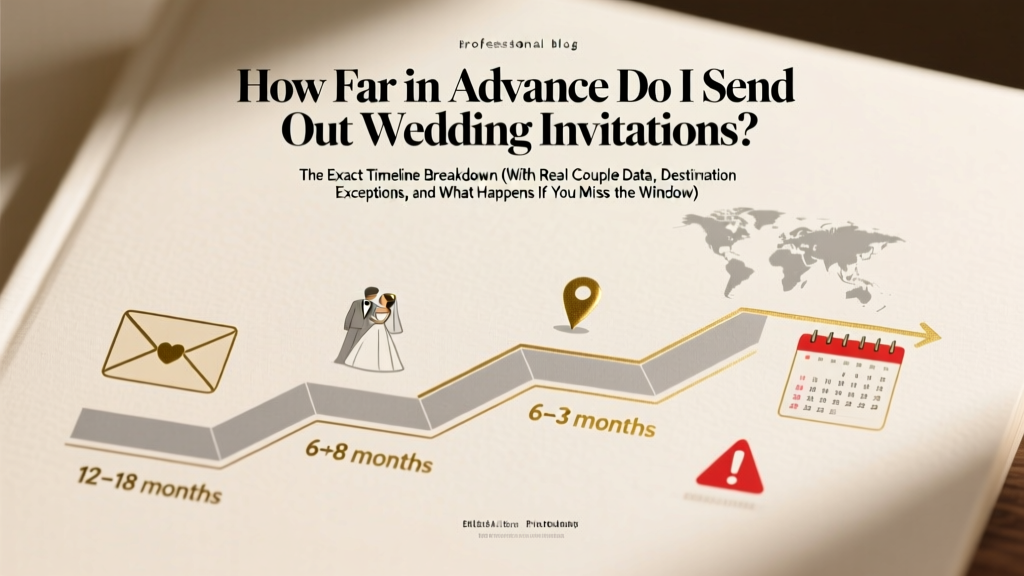 Wedding Invitation Timeline: 2026 Guide & Data
 DIY Wedding Card Box Ideas (2026) | Holds 150+ Cards
 Wedding Reception Length: Timeline by Guest Count & Budget
 A-Line Wedding Dresses With Sleeves: 2026 Guide
 Wedding Dress for Courthouse Wedding? (2026)