## Do Chinese Couples Actually Exchange Wedding Rings?
If you're planning a wedding with a Chinese partner—or simply curious about global traditions—you've probably wondered: do people in China wear wedding rings? The answer is more nuanced than a simple yes or no, and understanding it reveals a fascinating blend of ancient custom and modern influence that has transformed Chinese wedding culture over the past few decades.
---
## Traditional Chinese Wedding Customs: No Rings Required
Historically, traditional Chinese weddings did not include the exchange of wedding rings. Instead, Chinese matrimonial culture centered on different symbolic gifts and rituals:
- **Red envelopes (hóngbāo):** Cash gifts symbolizing good fortune and prosperity
- **Gold jewelry:** Necklaces, bangles, and earrings gifted by the groom's family to the bride
- **Betrothal gifts (pìncǎi):** Formal presents exchanged between families to seal the union
- **Double Happiness symbol (囍):** Decorative motif representing marital joy, displayed throughout the ceremony
The ring as a symbol of marriage is a Western tradition rooted in ancient Roman and Greek customs. For most of Chinese history, a couple's commitment was expressed through family rituals, red ceremonies, and the exchange of gold—not a band worn on the finger.
---
## How Modern China Embraced the Wedding Ring
So do people in China wear wedding rings today? Increasingly, yes—and the shift happened remarkably fast.
Beginning in the 1980s and accelerating through the 1990s and 2000s, Western wedding aesthetics entered China through Hollywood films, global media, and rising international commerce. Diamond engagement rings, white wedding gowns, and ring exchange ceremonies became aspirational symbols of romance among urban Chinese millennials.
**Key drivers of this change:**
1. **De Beers marketing campaigns** entered the Chinese market in the 1990s, successfully linking diamond rings to modern love and status.
2. **Rising disposable incomes** made luxury jewelry accessible to a growing middle class.
3. **Western media influence** normalized the ring exchange as a romantic gesture.
4. **Social media and celebrity weddings** amplified the trend, with elaborate ring proposals going viral on platforms like Weibo and WeChat.
By the 2010s, exchanging wedding rings had become standard practice at most urban Chinese weddings. A 2019 survey by the China Jewelry Association found that over **78% of urban couples** now incorporate a ring exchange into their ceremony.
---
## Regional and Generational Differences
While wedding rings are now common in China, adoption is far from uniform:
### Urban vs. Rural
In major cities like Beijing, Shanghai, and Shenzhen, wedding rings are nearly universal. In rural areas and smaller towns, traditional customs—including gold jewelry gifted by families rather than rings exchanged by the couple—remain more prevalent.
### Engagement Rings vs. Wedding Bands
Many Chinese couples distinguish between the two:
- **Engagement rings** (订婚戒指, dìnghūn jièzhi): Often a diamond solitaire, worn by the bride
- **Wedding bands** (结婚戒指, jiéhūn jièzhi): Matching gold or platinum bands exchanged during the ceremony
Some couples opt for only one or the other, while others embrace both Western-style.
### Which Finger?
In China, wedding rings are traditionally worn on the **ring finger of the right hand** during engagement, then moved to the left hand after marriage—though practices vary and many younger couples simply follow Western convention from the start.
---
## Common Myths About Chinese Wedding Ring Traditions
**Myth 1: Chinese people don't wear wedding rings.**
This is outdated. While rings weren't part of ancient Chinese tradition, modern Chinese couples—especially in urban areas—widely embrace ring exchanges. The practice has been mainstream for over two decades.
**Myth 2: Only Western-style weddings in China include rings.**
Many couples today blend traditions: they may hold a traditional tea ceremony (敬茶, jìng chá) with family, wear a qipao or traditional red dress for part of the day, *and* exchange rings during a Western-style ceremony. Hybrid weddings are the norm, not the exception.
---
## What This Means for You
Whether you're marrying into a Chinese family, shopping for a gift, or writing about global wedding customs, the key takeaway is this: Chinese wedding culture is dynamic, not static. Do people in China wear wedding rings? Most urban couples do—and they often invest significantly in them.
If you're planning a wedding with Chinese cultural elements, consider embracing both traditions: exchange rings *and* incorporate meaningful Chinese customs like the tea ceremony or gold jewelry gifts from family. This hybrid approach honors heritage while celebrating modern love.
**Your next step:** If you're navigating a cross-cultural wedding, speak directly with your partner's family about their expectations—traditions vary widely by region, generation, and family preference.

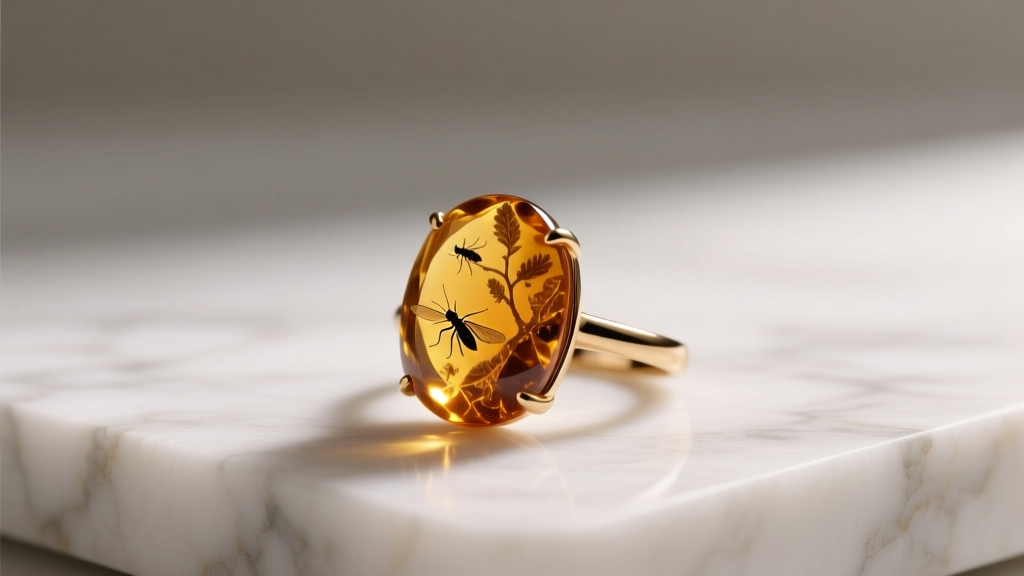 Amber Engagement Rings Warm Organic Fossilized Beauty
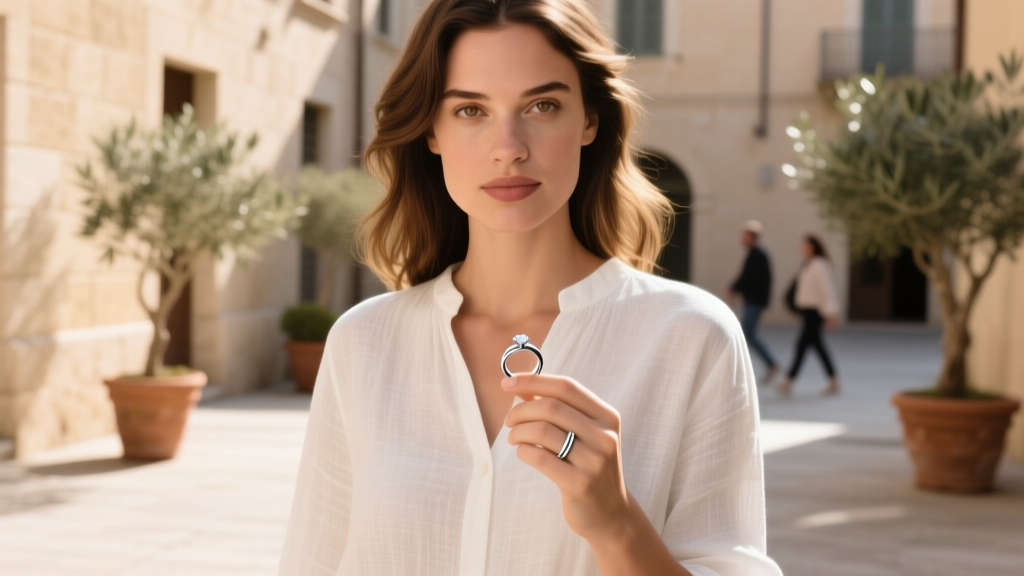 How to Choose an Engagement Ring for Active Lifestyles
 Jewelry Making Safety Tips for Beginners
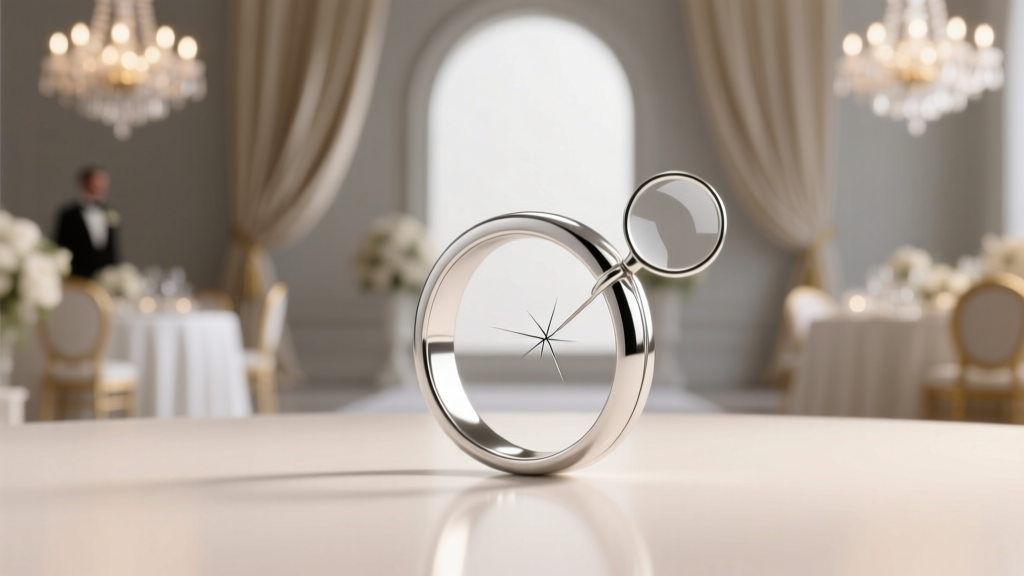 Can You Stretch a Wedding Ring? (2026)
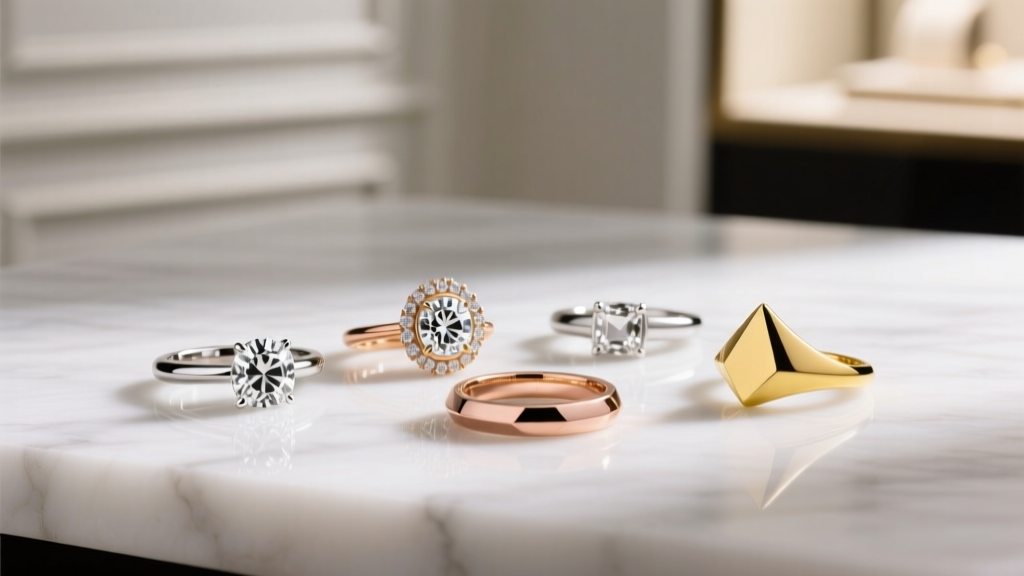 How to Choose a Ring That Matches Her Style
 Platinum vs White Gold Which Lasts Longer
 Clean Wedding Ring at Home: 5 Safe Methods (2026)
 DIY Wedding Flower Arrangements: Save $2,000 (2026)
 Beauty Question Essentials: What Every Jewelry Buyer and Wearer Needs to Know
 Old European Cut Diamonds Predecessor to Round Brilliant