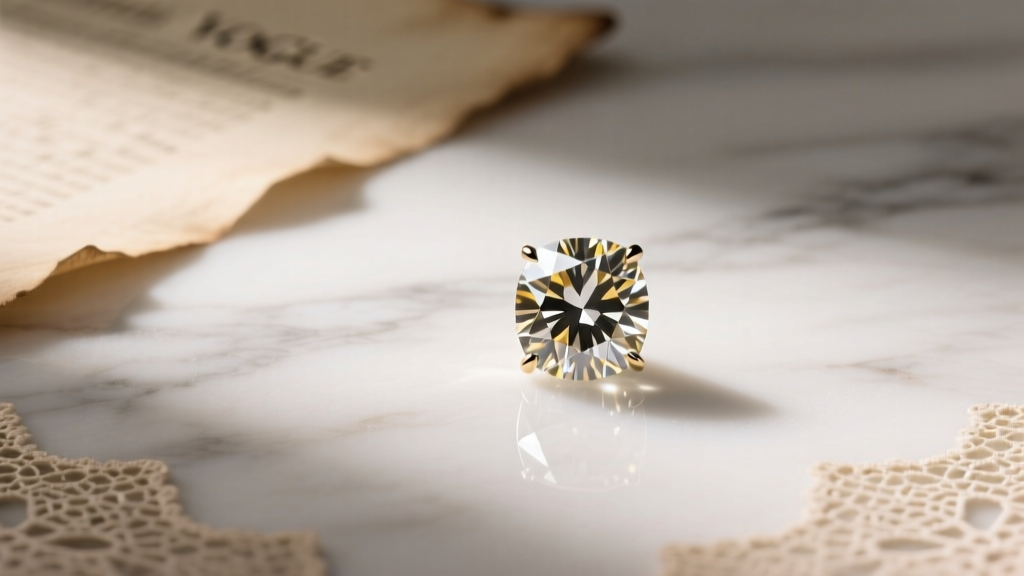
Old European Cut Diamonds Predecessor to Round Brilliant
If you love the classic sparkle of a round diamond but want something with a little more soul and history, the Old European Cut (often shortened to OEC) deserves a close look. This antique diamond cut came before today’s modern Round Brilliant and carries a distinctly vintage personality—think softer, chunkier flashes of light, a high crown, and a romantic “handcrafted” feel that many couples find irresistible.
For engagement rings and wedding bands, an Old European Cut diamond can be the perfect bridge between timeless and trend-forward. Vintage and antique-inspired bridal jewelry is having a major moment, especially in settings like halos, bezels, and delicate pavé. At the same time, the Old European Cut remains a true classic with roots in the late 1800s and early 1900s—well before computer modeling optimized modern light performance.
This guide explains what makes Old European Cut diamonds unique, how they compare to Round Brilliant diamonds, what to look for when shopping, and how to choose the right setting and metal for a ring you’ll love for decades.
What Is an Old European Cut Diamond?
An Old European Cut is an antique round diamond cut, most commonly seen in jewelry from the Victorian, Edwardian, and Art Deco eras. It’s the direct predecessor to the modern Round Brilliant, developed during a time when diamonds were cut by hand and proportions were guided by experience rather than precise optical measurement.
Key Characteristics of Old European Cuts
- High crown: OECs typically have a taller crown (the top portion above the girdle), which contributes to a vintage profile and strong fire (colored light).
- Small table: The table facet is usually smaller than a modern round, often around the high-30% to mid-40% range (varies widely), helping create “chunky” light return.
- Deeper pavilion: Many OECs are deeper overall, which can make them face up slightly smaller for their carat weight compared to modern rounds.
- Open culet: A telltale feature—many OECs have a visible culet (a small facet at the very bottom). From the top, this can look like a tiny dot in the center under certain lighting.
- Chunkier facet pattern: Instead of the splintery, pinfire sparkle of modern rounds, OECs often show broader, slower flashes (“candlelight” sparkle) that reads beautifully in warm or low light.
Old European Cut vs. Round Brilliant: How They Really Compare
Couples often ask whether an Old European Cut “sparkles as much” as a Round Brilliant. The better question is: what kind of sparkle do you want?
Sparkle Style: Fire vs. Scintillation
- Old European Cut: Emphasizes fire (rainbow flashes) and broader light reflections. Many people describe the look as romantic and dimensional.
- Round Brilliant: Engineered for maximum brightness and scintillation (rapid twinkling), especially in bright, direct lighting.
Shape and Symmetry
Modern Round Brilliants are usually very symmetrical, with consistent facet alignment and predictable performance. Old European Cuts can be slightly off-round, have uneven facets, or show a bit of “personality”—a feature many antique lovers consider part of the charm.
Size Appearance (Face-Up Look)
Because OECs are often deeper, a 1.00 carat Old European Cut may look a touch smaller from the top than a 1.00 carat modern round. If visual size is your top priority, consider choosing a slightly higher carat weight or selecting a setting style that adds presence (like a halo).
Quality Factors to Evaluate When Buying an Old European Cut
Shopping for an Old European Cut diamond isn’t exactly like shopping for a modern Round Brilliant. Standard lab cut grades don’t always capture what makes an OEC beautiful, especially if the stone is older or has been re-polished.
Cut Performance and “The Look”
With antique cuts, your eyes matter as much as a report. Look for:
- Balanced brightness: The stone should still look lively, not overly dark in the center.
- Appealing culet: Decide whether you like a visible culet (many do) or prefer one that’s less noticeable.
- Facet pattern: Many shoppers want a symmetrical “flower” pattern under the table. Others enjoy a more organic, handmade look.
Color: Warmth Can Be a Feature
Old European Cuts are often found in slightly warmer colors (commonly in the I–M range), partly because many were cut before today’s preference for icy white diamonds. Warmth can look stunning in yellow gold and romantic in rose gold. If you’re setting the diamond in platinum or white gold and want a crisp look, consider shopping in the G–I range—or choose a setting style like a bezel that visually softens contrast.
Clarity: Prioritize Eye-Clean Over Paper Grades
Many OEC diamonds are VS to SI clarity, though you’ll see everything from internally flawless to more included stones. Aim for eye-clean—no distracting inclusions visible without magnification when the ring is worn at a normal distance. Because OEC facet patterns are chunkier, some inclusions can be less obvious than in a modern brilliant, but it depends on placement and type (feathers vs. crystals, for example).
Certification and Authenticity
If possible, choose an Old European Cut with a reputable lab report (GIA is common). Some antique diamonds are ungraded—beautiful, but you’ll want a jeweler you trust. Ask whether the diamond is:
- Original antique (cut 100+ years ago)
- Newly cut in an OEC style (a modern “antique-inspired” OEC)
Both can be excellent; the best choice depends on whether you value historical authenticity or want more predictable symmetry and condition.
Best Ring Settings and Metal Pairings for Old European Cuts
The right setting helps an Old European Cut diamond look intentional—like it belongs, not like it’s simply “round.” Couples shopping for engagement rings and wedding bands often choose styles that highlight the antique vibe or create a clean contrast.
Popular Engagement Ring Settings
- Solitaire (timeless classic): A simple 4- or 6-prong solitaire lets the OEC speak for itself. Consider claw prongs for a delicate, period-inspired finish.
- Halo (vintage-meets-trend): A halo adds finger coverage and can make a deeper OEC appear larger. Micro-pavé halos are popular today, while milgrain halos lean more Edwardian.
- Bezel (modern protection, antique charm): A full or partial bezel is practical for daily wear and frames the high crown beautifully—great for active lifestyles.
- Three-stone (symbolic and balanced): Pair an OEC center with side stones like tapered baguettes (Art Deco look) or antique-style rounds for a cohesive feel.
Metal Choices: Platinum vs. Gold
- Platinum: Naturally white, durable, and ideal for prong security. It complements cooler diamond colors and suits sleek vintage-inspired designs.
- 18K/14K yellow gold: A favorite for antique diamonds, enhancing warmth and creating a rich, heirloom look.
- Rose gold: Romantic and on-trend, especially with warmer OEC stones. Choose a protective setting if you’re hard on your hands.
- White gold: Bright and budget-friendly compared to platinum, but requires periodic rhodium plating to maintain its white finish.
Practical Buying Tips for Couples
- See it in multiple lighting conditions: Old European Cuts can look dramatically different in daylight vs. indoor lighting. If buying online, look for videos under varied lighting.
- Ask about measurements, not just carat weight: Since many OECs face up smaller, confirm the millimeter size (diameter) to match your expectations.
- Choose the band width intentionally: A thin band (1.6–2.0mm) feels delicate; a slightly wider band (2.2–2.6mm) can balance a deeper, antique stone.
- Confirm condition: Antique diamonds may show small chips near the girdle or culet. Many are fine when protected by prongs or a bezel, but you should know what you’re buying.
- Match your wedding band early: If you want a flush fit band, consider a slightly raised setting or a contour band designed to nest against the engagement ring.
Care and Maintenance for Old European Cut Diamond Rings
Old European Cut diamonds are still diamonds—hard and durable—but the rings they’re set in often feature delicate details like milgrain, filigree, and fine prongs.
- Clean gently at home: Warm water, mild dish soap, and a soft toothbrush. Rinse thoroughly and pat dry with a lint-free cloth.
- Avoid harsh chemicals: Chlorine and strong cleaners can damage metals and loosen settings over time.
- Get prongs checked regularly: Have a jeweler inspect prongs and settings every 6–12 months, especially for antique or micropavé designs.
- Store separately: Diamonds can scratch other jewelry (and other diamonds). Use a fabric-lined box or separate pouch.
Price Range and Value Tips
Old European Cut diamonds vary widely in price because they’re less standardized than modern rounds. Factors that influence cost include carat weight, color, clarity, symmetry, and whether the diamond has a lab report.
What You Can Expect
- Budget-friendly opportunities: Some OECs price lower than modern Round Brilliants of similar carat/grade because they face up smaller and don’t fit modern “ideal cut” metrics.
- Premium pricing in top examples: Exceptionally beautiful OECs with strong light performance, desirable color/clarity, and excellent condition can command a premium—especially true antique stones with great provenance.
Smart Ways to Maximize Value
- Consider a slightly warmer color: Choosing I–K in yellow or rose gold can look intentional and save money.
- Prioritize eye-clean clarity: An SI1 that’s eye-clean can be a strong value compared to paying for higher grades you can’t see.
- Use a halo for presence: A halo setting can give you the “bigger look” without jumping carat weights.
Common Mistakes to Avoid When Shopping Old European Cut Diamonds
- Buying based on carat weight alone: Always check diameter measurements to understand how large the diamond will look on the hand.
- Expecting modern Round Brilliant sparkle: OECs are meant to look different—more romantic, less “laser bright.” Make sure you love the antique light pattern.
- Ignoring the culet: Some shoppers are surprised by the visible center point. Decide up front whether you enjoy that antique signature.
- Overlooking setting security: High crowns and older stones deserve a protective setting and well-made prongs, especially for everyday wear.
- Forgetting lifestyle needs: If you work with your hands or wear gloves often, consider lower-profile settings, bezels, or sturdier band widths.
FAQ: Old European Cut Diamonds
Are Old European Cut diamonds real antiques?
Many are genuine antiques cut in the late 1800s to early 1900s, but you can also buy modern diamonds cut in the Old European style. Ask the seller whether the stone is an original antique or a newly cut reproduction, and request documentation when available.
Do Old European Cuts sparkle less than modern Round Brilliants?
They sparkle differently. Old European Cuts often show broader flashes and more rainbow fire, especially in softer lighting. Modern Round Brilliants tend to have more intense, rapid scintillation in bright light.
What’s the difference between Old European Cut and Old Mine Cut?
Old Mine Cuts are typically cushion-shaped (often with a more squarish outline and rounded corners) and generally predate Old European Cuts. Old European Cuts are rounder and were a stepping stone toward the modern round brilliant.
Is a visible culet a problem?
No—it's a common antique feature. A larger culet can be visible as a small dot when viewed face-up. Some people love it as a hallmark of vintage craftsmanship; others prefer a smaller culet for a cleaner look.
What setting is best for protecting an Old European Cut diamond?
A bezel or a well-made 6-prong setting offers excellent protection. If the diamond has any minor edge wear or an open culet you want to safeguard, a bezel can be especially reassuring for daily wear.
Can I pair an Old European Cut engagement ring with a modern wedding band?
Yes. Many couples love the mix of antique center stones with a modern comfort-fit wedding band. If you want the band to sit flush, consider a slightly elevated setting or a contoured wedding band designed to fit alongside the engagement ring.
Your Next Step: Choosing the Right Antique Sparkle
If you’re drawn to vintage engagement rings, heirloom details, and a diamond that looks romantic rather than ultra-modern, an Old European Cut can be a standout choice. The best approach is to shop with your eyes and lifestyle in mind: confirm measurements, review videos in multiple lighting conditions, and choose a setting and metal that complement the diamond’s warmth and character.
When you’re ready, explore more engagement ring and wedding band guides on weddingsift.com to compare diamond cuts, settings, metals, and timeless styles—so you can choose with confidence and enjoy your ring every day.
More Articles
 Wedding Ring Loss Prevention: 7 Proven Tactics (2026)
 Diamond vs Moissanite Which Is the Better Choice
 Paris Hilton's Ring: The 20-Carat Truth
 How to Accessorize a Strapless Wedding Dress
 Wedding Ring Payout: 7 Real Factors (2026)
 How to Choose the Perfect Engagement Ring for Her
 How to Clean and Maintain Your Wedding Rings at Home
 Best Places to Find Artisan Wedding Bands
 Men’s Wedding Ring Resizing Limits (2026)
 Wedding Band Etiquette Rules (2026)