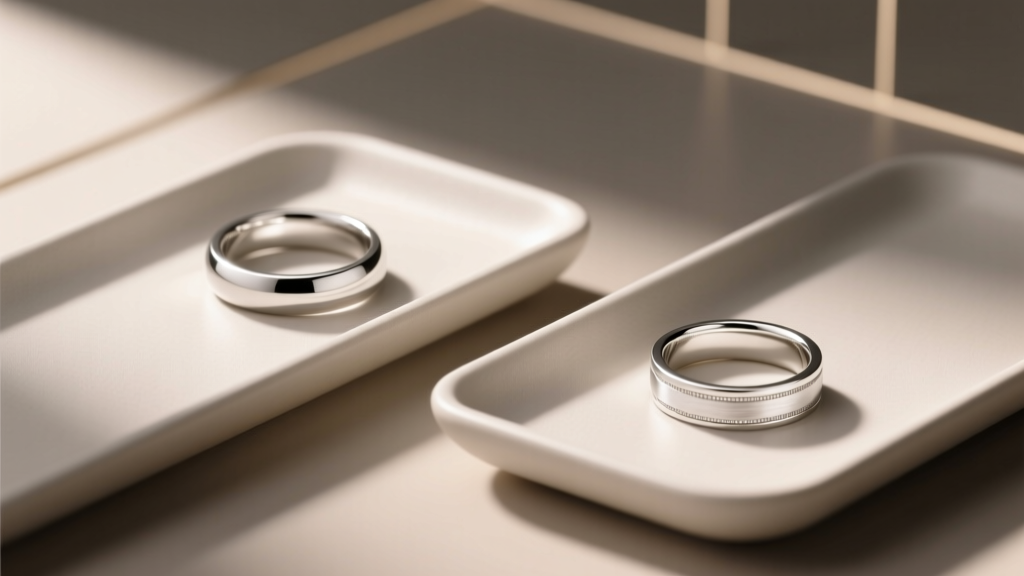
Platinum vs White Gold Which Lasts Longer
When you’re shopping for an engagement ring or wedding band, “lasting longer” can mean a few different things: resisting wear, staying secure around your gemstone, keeping its color, and looking beautiful decade after decade. Platinum and white gold are the two most popular “silver-toned” choices for bridal jewelry, and they can look almost identical in the showcase—until daily life enters the picture.
Hands go through a lot: typing, dishes, gym equipment, gardening, travel, and everything in between. The metal you choose affects how often you’ll need maintenance, how the ring will age, and how it will hold up if you plan to wear it every day (as most couples do). The good news is that both metals can last a lifetime. The better question is how they last—and what “longer” looks like for your lifestyle and budget.
This guide breaks down platinum vs white gold durability, long-term appearance, maintenance, price, and the small details that matter most for engagement ring settings and wedding bands.
Quick Answer: Which Lasts Longer?
Platinum typically lasts longer in terms of metal longevity because it’s denser and wears by displacing metal rather than losing it as quickly. Prongs and edges tend to remain more substantial over many years, which is a real advantage for stone security.
White gold can also last a lifetime, but it usually requires more routine upkeep (especially rhodium re-plating) to maintain a bright white finish. Over decades, white gold may show slightly more metal loss in high-friction areas, meaning occasional rebuilding or retipping of prongs can be more likely depending on ring design and wear habits.
What Platinum and White Gold Are Made Of
Platinum: Naturally White, Dense, and Hypoallergenic-Friendly
Platinum used in fine jewelry is typically 95% pure (often stamped PT950) mixed with small amounts of other metals for strength. Platinum is naturally white, so the color you see is the metal’s true color. Over time it develops a soft, satiny finish called patina, especially on high-contact surfaces.
Because platinum is dense, it feels heavier on the hand. Many couples love that “luxury weight,” especially for timeless solitaire engagement rings and classic comfort-fit wedding bands.
White Gold: Gold Alloyed for Strength, Then Rhodium-Plated for Brightness
White gold is yellow gold mixed with white metals (commonly nickel, palladium, silver, or zinc) to create a lighter-colored alloy. Most white gold engagement rings and wedding bands are then finished with a rhodium plating, which gives that crisp, bright-white, mirrorlike look many people associate with “white” jewelry.
Common purity options include:
- 14K white gold (58.5% gold): strong, great for daily wear, usually the most practical choice
- 18K white gold (75% gold): richer, slightly softer, often chosen for a more “luxury” feel
Durability Breakdown: Scratch Resistance vs Wear Over Time
Scratches and Surface Wear
Platinum scratches more easily on the surface because it’s malleable. Those micro-scratches blend into a patina that many consider romantic and vintage-inspired—very on-trend with understated, “quiet luxury” bridal styles.
White gold often looks shinier longer right after polishing and plating, and it can be slightly more resistant to the look of surface scuffing. That said, once the rhodium wears thin, the underlying alloy may show a warmer tint, especially in high-contact areas like the bottom of the band.
Metal Loss and Long-Term Thickness
Here’s where “which lasts longer” gets more meaningful:
- Platinum tends to displace when scratched—metal moves rather than flaking away as quickly. Over decades, edges and prongs often remain more substantial.
- White gold can lose tiny amounts of metal over time due to abrasion. It’s still very durable, but a frequently worn ring may need more rebuilding work in the long run.
Prongs, Stone Security, and High-Wear Settings
If you’re choosing a ring with a center stone—especially a diamond, oval moissanite, or a delicate pear-shaped gemstone—prong security matters. Platinum prongs are often favored for:
- Solitaire engagement rings with 4 or 6 prongs
- Cathedral settings where prongs take daily bumps
- Pavé bands (micro-set diamonds) where beads and prongs are tiny and need longevity
White gold prongs are also common and can be very secure—especially in 14K—but they may need retipping a bit sooner if the ring gets heavy wear.
How Each Metal Ages: Color, Patina, and Re-Plating
Platinum Patina: A Soft Glow That’s Gaining Popularity
Platinum’s patina is a hallmark of the metal. It can make a classic round brilliant diamond solitaire look slightly more antique-inspired over time. If you prefer a high-polish, platinum can be polished back to bright relatively easily.
White Gold and Rhodium: Bright White, Then Periodic Refresh
White gold’s “fresh from the jeweler” look is often due to rhodium plating. Depending on your skin chemistry and lifestyle, replating may be needed every 6–24 months for rings worn daily. Some people go years; others notice warmth showing through faster—especially on the palm side of the band.
If you love that bright, icy-white look (especially popular with hidden halos, high-shine pavé, and modern minimalist settings), plan for rhodium upkeep as part of long-term ownership.
Gemstones, Cuts, and Settings That Pair Well with Each Metal
Diamonds and Moissanite (Most Popular Bridal Stones)
Both platinum and white gold complement the brilliance of:
- Round brilliant (timeless, maximum sparkle)
- Oval (elongating, trending strongly for engagement rings)
- Cushion (romantic, vintage-meets-modern)
- Emerald cut (clean lines, “old money” elegance)
For step cuts like emerald and asscher, the crisp white tone of rhodium-plated white gold can emphasize the sleek geometry—while platinum offers a slightly softer, naturally white frame that still looks high-end.
Colored Gemstones (Sapphires, Rubies, Emeralds)
White metals are gorgeous with blue sapphires (a classic royal engagement ring look) and with modern alternatives like salt-and-pepper diamonds. If you’re choosing a gemstone that’s softer than diamond—like emerald—prioritize a protective setting (bezel or halo) and consider platinum for prong longevity.
Bezel, Pavé, and Channel Settings
- Bezel settings: Excellent for active lifestyles. Platinum bezels are very durable; white gold bezels can also be great and may stay shinier longer between polishes.
- Pavé settings: Stunning but maintenance-sensitive. Platinum’s longevity can be a plus, but craftsmanship matters most—look for clean, even beadwork and secure stones.
- Channel-set wedding bands: Great for minimizing snagging. Both metals work well; choose based on budget and desired color maintenance.
Quality Factors That Affect “Lasting Longer” More Than the Metal
Metal choice is only part of durability. For engagement rings and wedding bands, these details often matter more:
- Band width and thickness: Ultra-thin bands (under ~1.8mm) can warp over time regardless of metal.
- Prong size and craftsmanship: Well-built prongs and precise stone setting reduce the risk of lost stones.
- Ring design: High-set stones snag more; low-profile settings last better for daily wear.
- Finish: High polish shows scratches; brushed or satin finishes hide wear better.
Maintenance and Care: Keeping Your Ring Looking Its Best
Platinum Care Tips
- Expect patina; polish occasionally if you prefer a brighter look.
- Have prongs checked every 6–12 months, especially for diamonds in prong or pavé settings.
- Clean at home with warm water, mild soap, and a soft brush; avoid harsh chemicals.
White Gold Care Tips
- Plan for rhodium re-plating as normal maintenance for daily-wear rings.
- Remove rings for chlorine exposure (pools/hot tubs) and harsh cleaning products to protect both plating and gemstones.
- Schedule inspections for prongs and pavé stones regularly—especially after travel or active weekends.
Price Range and Value: What You’ll Pay and What You’ll Maintain
Platinum is generally more expensive upfront than 14K or 18K white gold due to its density, purity, and labor costs. White gold is usually the more budget-friendly choice at purchase, which can free up room for a larger center stone or higher diamond quality (cut and clarity improvements you can actually see).
Value tips for couples:
- If your priority is lowest lifetime maintenance, platinum often wins (less about plating, more about occasional polishing and inspections).
- If your priority is best upfront value, 14K white gold is a practical sweet spot for daily wear.
- If you love a bright white look, factor in rhodium costs every so often for white gold.
Common Mistakes Couples Make When Choosing Platinum or White Gold
- Assuming platinum won’t scratch: It will scratch; it just wears differently and develops patina.
- Forgetting rhodium maintenance: White gold’s color is often maintained with plating—budget and plan for it.
- Choosing an ultra-thin band for a large stone: A 2+ carat oval or elongated cut on a very thin band can bend over time, regardless of metal.
- Not matching metal to lifestyle: If you work with your hands, consider a low-profile setting, a comfort-fit band, and a design that protects the stone.
- Skipping routine inspections: Most stone losses happen after prongs loosen gradually. Quick checkups prevent expensive repairs.
FAQ: Platinum vs White Gold Longevity
Does platinum last longer than white gold for wedding bands?
Often, yes—especially for daily wear. Platinum tends to retain more metal over time, while white gold may lose a bit more through abrasion. Both can last a lifetime with proper care.
Which metal is better for an engagement ring with pavé diamonds?
Either can work, but prioritize excellent craftsmanship and secure setting work. Platinum can be a great choice for long-term durability of tiny prongs/beads, while white gold offers a bright, reflective look that many pavé lovers prefer.
Will white gold turn yellow over time?
White gold can appear warmer as the rhodium plating wears off, revealing the natural tone of the alloy underneath. Re-plating restores the bright white finish.
Is platinum hypoallergenic?
Platinum (especially PT950) is widely considered a top choice for sensitive skin. White gold can cause reactions if it contains nickel; nickel-free white gold alloys are available, so ask before buying.
Which looks better with a diamond: platinum or white gold?
Both look beautiful with diamonds. White gold (freshly rhodium-plated) is often the brightest white; platinum is naturally white with a slightly softer glow over time.
What’s the best choice for someone hard on their hands?
Platinum paired with a low-profile setting (bezel or sturdy prongs) is a strong option. If you choose white gold, consider 14K for strength and plan on periodic re-plating and inspections.
Your Best Next Step: Choosing the Metal That Fits Your Life
If your goal is a ring that stays structurally robust for decades—especially around prongs and high-wear edges—platinum is often the longer-lasting choice. If you prefer a bright white finish, want to maximize your center stone budget, and don’t mind routine maintenance, 14K or 18K white gold can be a smart, beautiful, and time-tested option for engagement rings and wedding bands.
Whichever metal you choose, focus on the full picture: a secure setting, a comfortable band thickness, and a regular inspection schedule. For more practical guides on engagement rings, wedding bands, diamond cuts, setting styles, and metal care, explore the latest resources on weddingsift.com.
More Articles
 Amber Engagement Rings Warm Organic Fossilized Beauty
 Wedding Ring Care Tips From Professional Jewelers
 5 Year Anniversary Jewelry Gifts: Sapphire and Wood Ideas
 How to Choose a Wedding Band With a Mixed Metal Design
 Rubber Wedding Bands: 7 Trusted Places to Buy (2026)
 Custom Engagement Rings Design Your Dream Piece
 Can Wedding Rings Be Made Bigger? (2026)
 Cobalt Chrome Wedding Bands Hypoallergenic Durability
 How to Choose a Wedding Band With a Damascus Steel Pattern
 Is Zirconium Good for Wedding Rings? (2026)